What can dogs eat isn’t just a random question, it’s one of those daily decisions that sneak up on you. Whether you’re staring at a half-eaten sandwich on the floor or wondering if that last spoonful of peanut butter is safe, knowing what’s okay for your dog can feel like a guessing game. But it doesn’t have to be. Small mistakes in their diet can lead to tummy troubles, vet visits, or worse, and no one wants to see their pup uncomfortable or sick. Getting this right keeps them happy, healthy, and full of energy for years.
I remember the first time I gave my dog a piece of avocado only to spend the next hour Googling frantically. Turns out, it’s a no-go. Now I keep a mental list handy so I don’t repeat that mistake.
Key Things to Understand
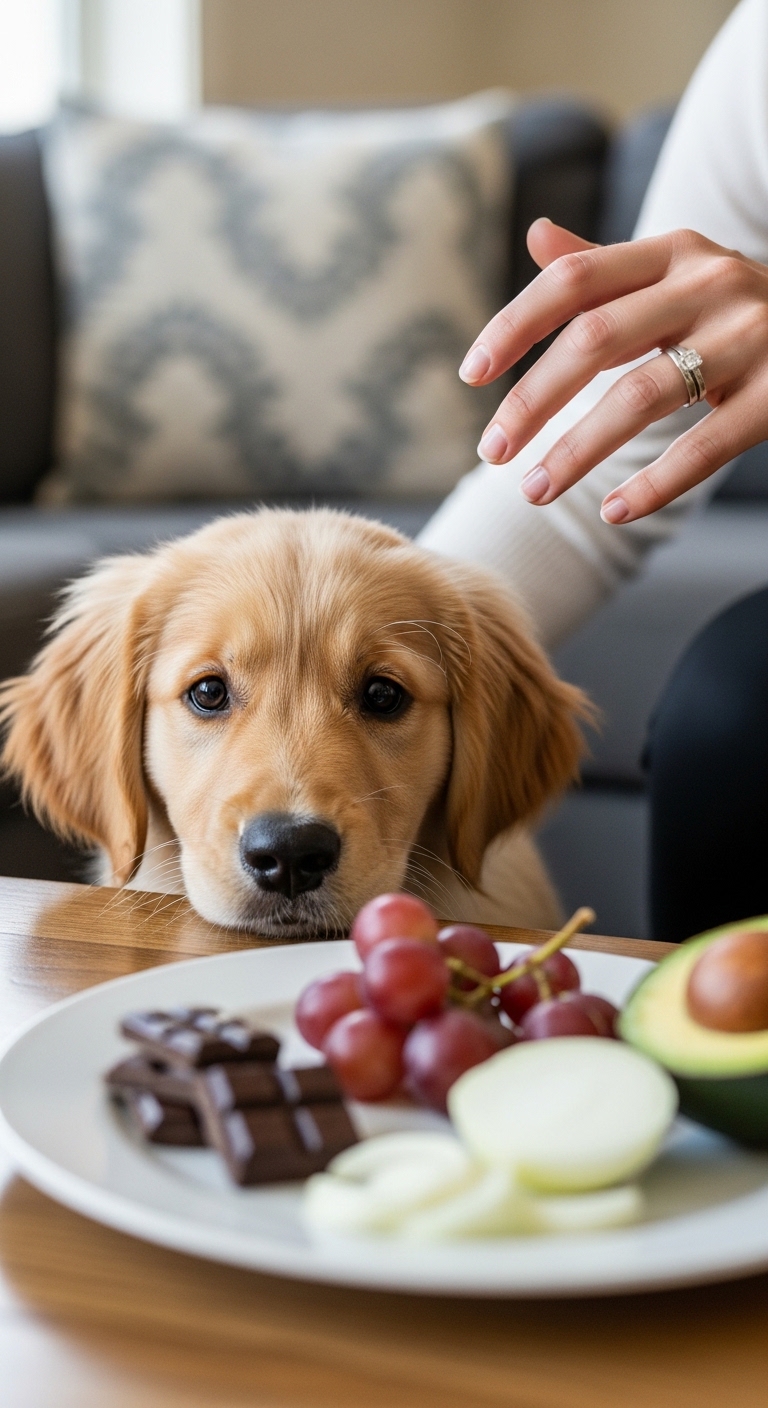
- Dogs can eat certain human foods in moderation: but many common items like chocolate, grapes, onions, and garlic are toxic and should never be given
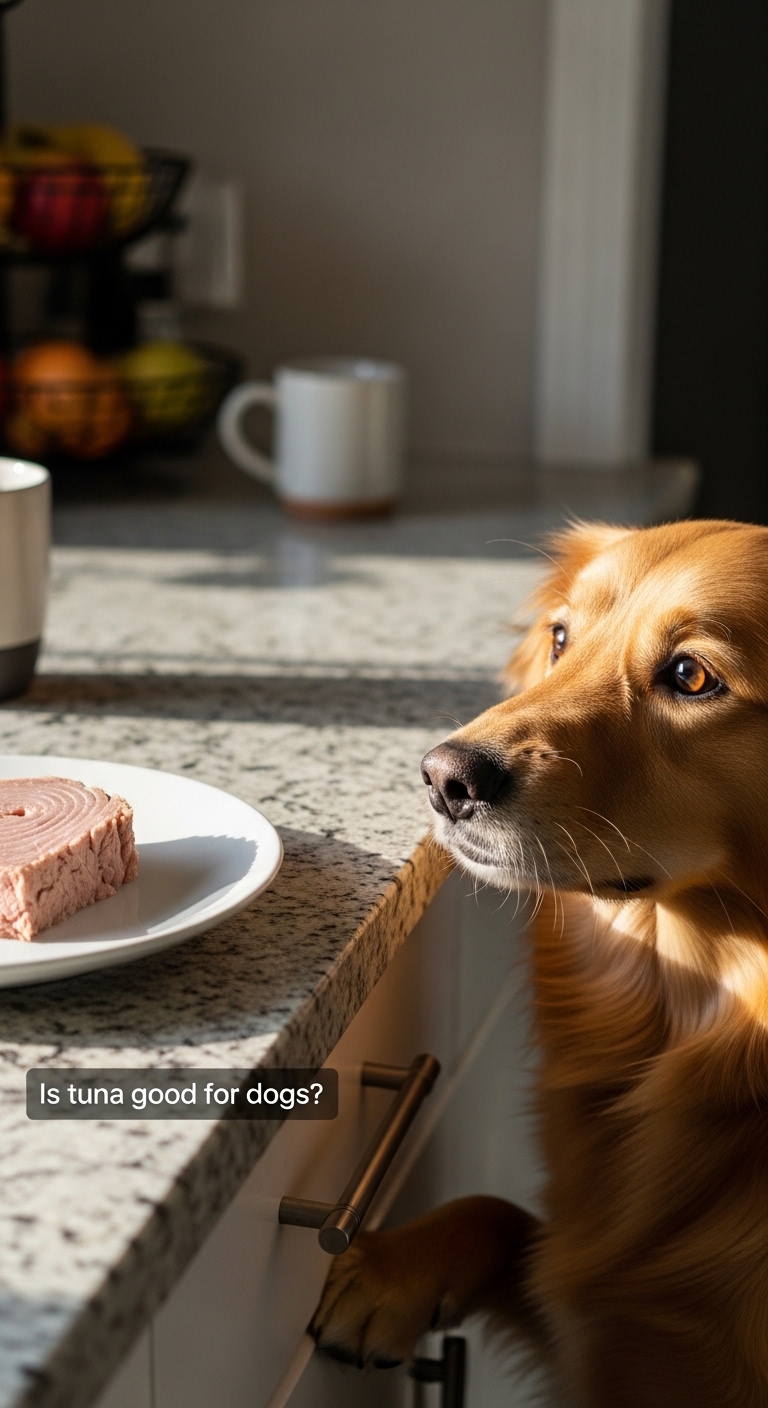
- Cooked lean meats: like chicken or turkey without seasoning are usually safe and great for protein
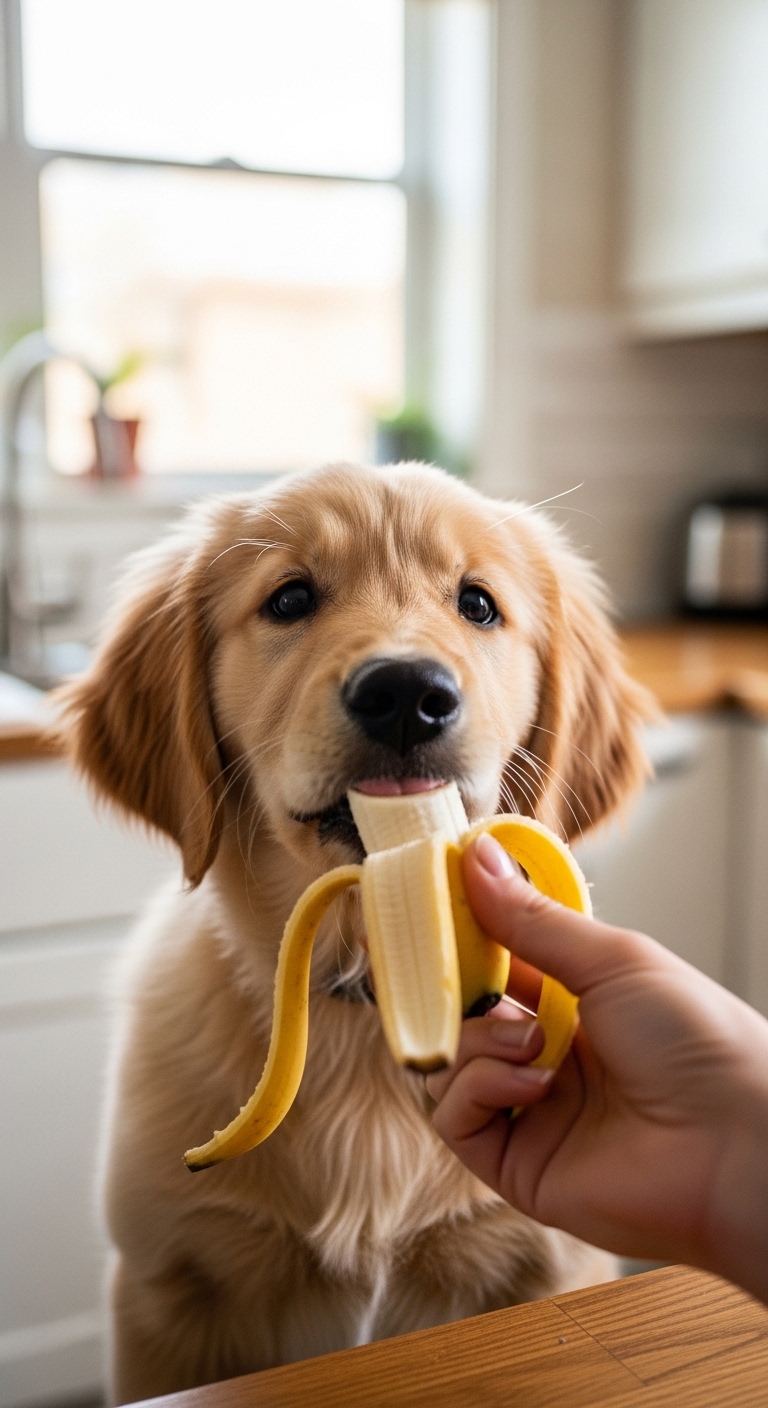
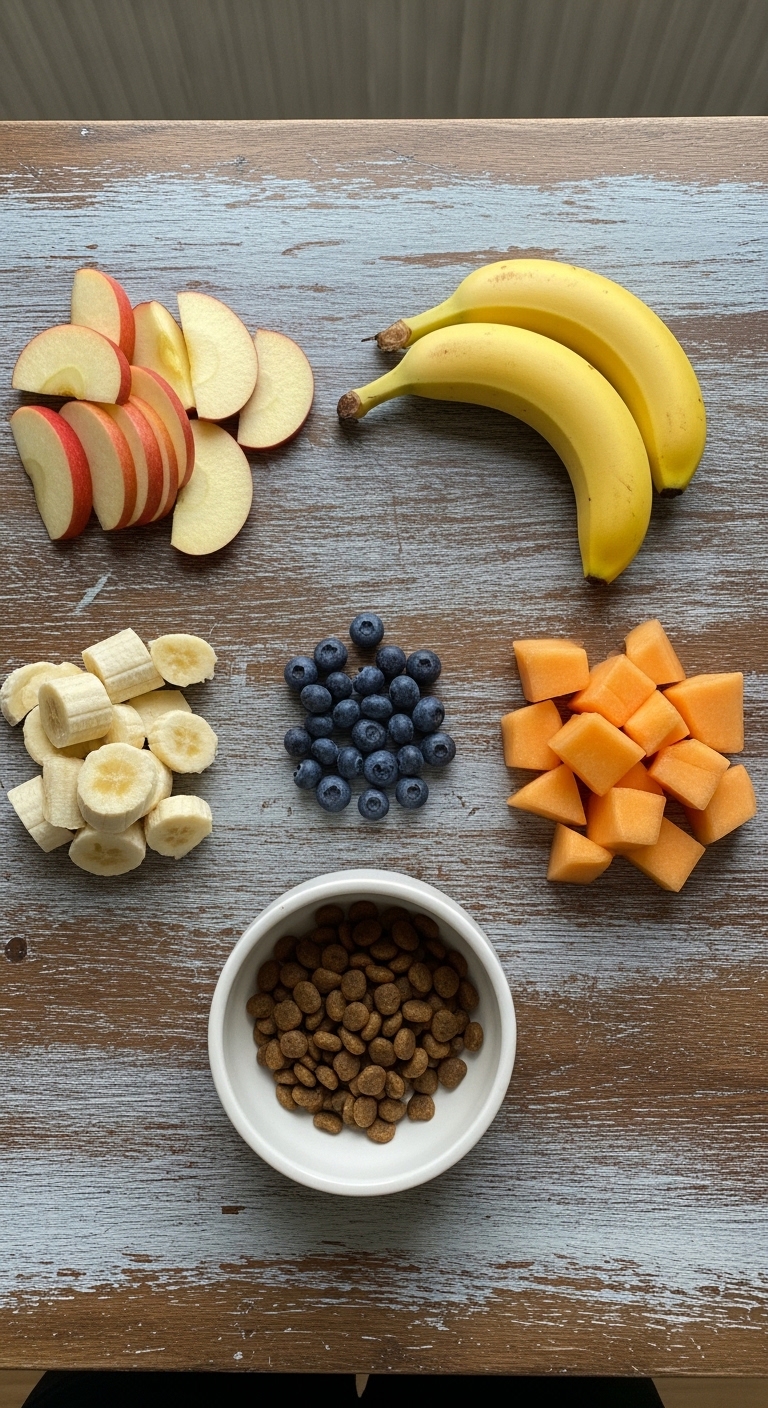
- Fruits: like apples (without seeds), blueberries, and bananas can be healthy treats in small amounts
- Dairy products: often cause digestive upset in dogs so yogurt or cheese should be given cautiously
- Raw bones: can splinter and cause choking or internal injuries so always supervise or choose safer alternatives
- Xylitol: an artificial sweetener found in sugar-free gum and some peanut butters, is extremely poisonous to dogs even in tiny amounts
What to Look For
Pay attention to how your dog reacts after eating something new. If they start vomiting, have diarrhea, or seem lethargic, it could be a sign the food didn’t agree with them. Watch for signs of discomfort like excessive drooling or pawing at the mouth, which might mean they’ve eaten something they shouldn’t have. Also, check ingredient labels on treats and snacks, some contain fillers or additives that aren’t great for long-term health. If you’re unsure about a food, it’s always better to skip it than risk a reaction.
I once had a friend who thought giving their dog a whole slice of pizza crust was a treat. By the next morning, the dog was miserable and needed a vet visit. It’s easy to assume “a little won’t hurt,” but with dogs, it’s better to be safe than sorry.
Daily care habits
Incorporate safe human foods into their diet gradually to avoid upsetting their stomach. Start with tiny portions and watch for any changes in their energy or digestion. If they tolerate it well, you can offer it as an occasional treat. Always remove seeds, pits, and cores from fruits before sharing them. Also, avoid giving them anything seasoned with salt, spices, or oils, as these can cause more harm than good.
Choosing the right product
When buying commercial dog treats, look for options with simple, recognizable ingredients. Avoid products with artificial colors, flavors, or preservatives, as these can contribute to long-term health issues. Check the label for the AAFCO statement, which ensures the treat meets basic nutritional standards. If you’re unsure about a brand, ask your vet for recommendations based on your dog’s size and dietary needs.
Safety and comfort
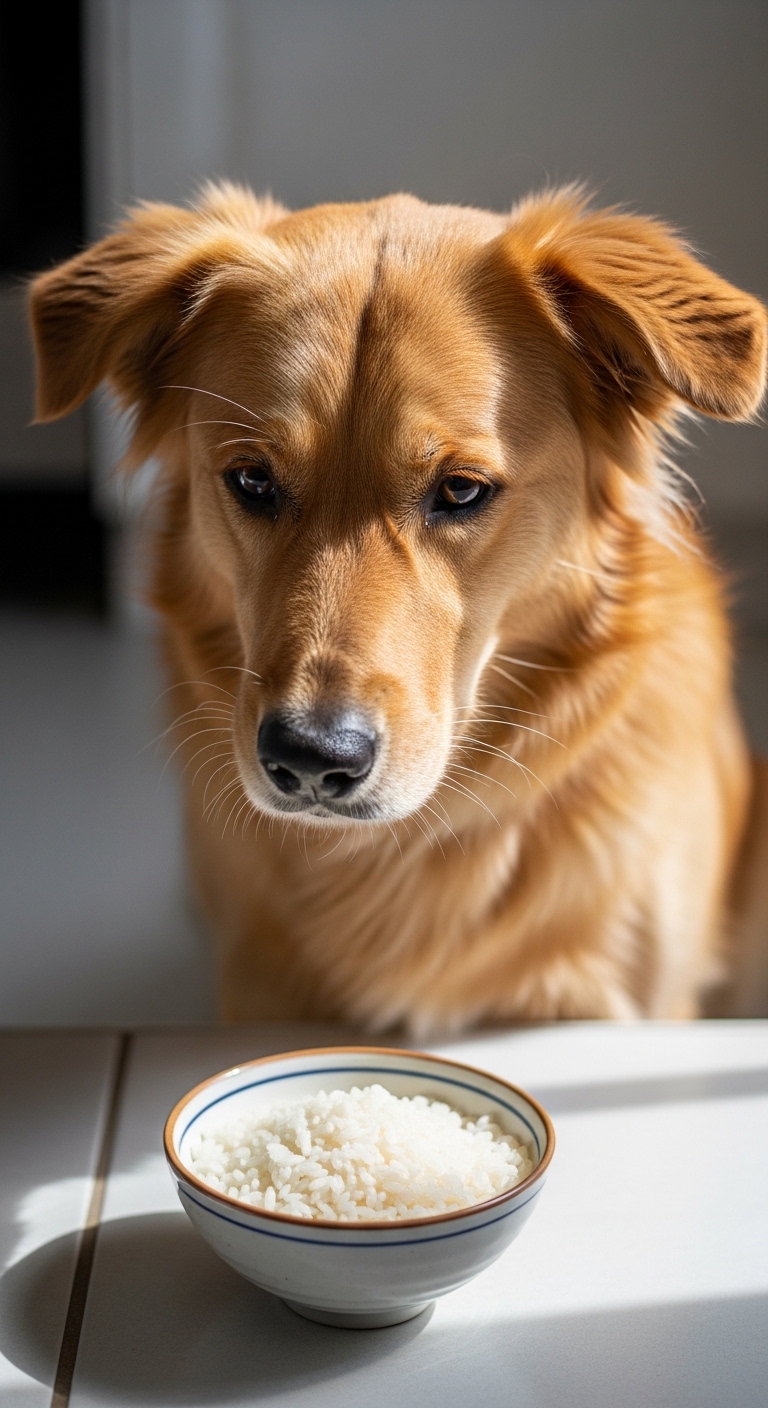
Keep toxic foods like chocolate, grapes, and xylitol-containing products locked away in cabinets or high shelves. Be mindful of what’s within their reach during walks or at home, especially if you have kids or guests who might not realize what’s dangerous. If your dog has a sensitive stomach, stick to bland foods like boiled chicken and rice during flare-ups to help them recover without added stress.
Common mistakes to avoid
Don’t assume all fruits and vegetables are safe, some, like raisins and macadamia nuts, are highly toxic. Avoid giving them cooked bones, as they can splinter and cause serious injuries. Also, don’t feed them table scraps that are high in fat or salt, as these can lead to pancreatitis or other health problems. Finally, never give them alcohol, caffeine, or anything containing caffeine, as these are extremely dangerous.
Cleaning and hygiene
If your dog gets into something they shouldn’t, clean up any spills or messes quickly to prevent them from licking or ingesting harmful substances. Keep their food and water bowls clean to avoid bacterial growth, and wash your hands after handling any human foods before interacting with them. If they’ve eaten something toxic, follow up with your vet to ensure they’re recovering properly.
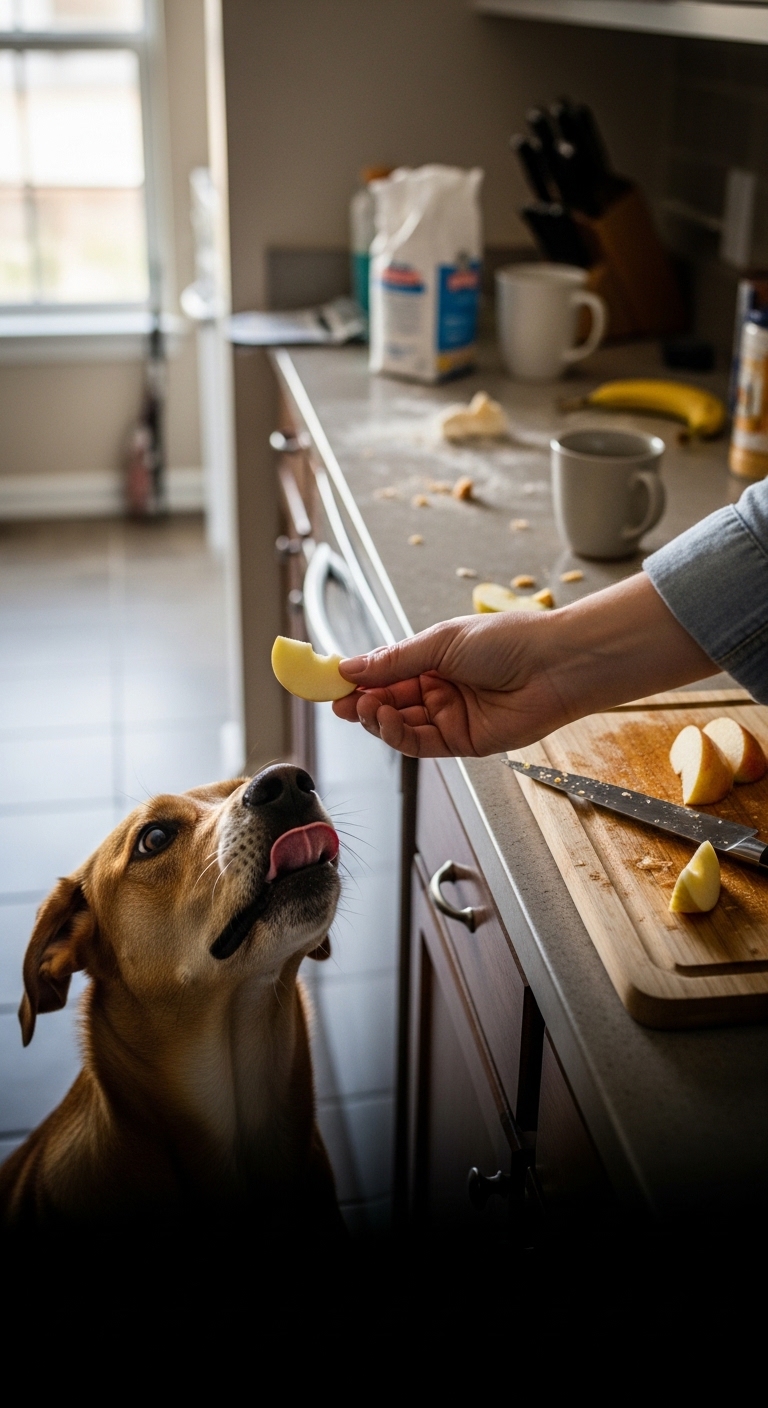
The truth is, feeding your dog isn’t just about what they can eat, it’s about what keeps them thriving. A little knowledge goes a long way in preventing unnecessary stress and health issues, so you can focus on what really matters: enjoying time with your happy, healthy pup.
Frequently Asked Questions
- → Can dogs eat apples?
Yes, dogs can eat apples in moderation. Remove the seeds and core first, as they contain cyanide, which is toxic. Apples are a great source of vitamins A and C, as well as fiber.
- → Is peanut butter safe for dogs?
Peanut butter is generally safe for dogs if it is unsalted and does not contain xylitol, a sweetener that is toxic to dogs. It can be a tasty treat or used to hide medication.
- → What vegetables can dogs eat?
Dogs can safely eat many vegetables, including carrots, green beans, and sweet potatoes. These are low-calorie and packed with nutrients. Avoid onions, garlic, and mushrooms, which can be harmful.
- → Can dogs eat cooked chicken?
Yes, cooked chicken without seasoning or bones is a safe and healthy protein source for dogs. It’s often recommended for dogs with sensitive stomachs or allergies to other proteins.
- → Are bananas okay for dogs?
Bananas are safe for dogs in small amounts. They are high in potassium, vitamin B6, and vitamin C. However, due to their sugar content, they should be given as an occasional treat.
- → What human foods should dogs avoid?
Dogs should avoid chocolate, grapes, raisins, onions, garlic, avocado, alcohol, caffeine, and xylitol. These foods can cause serious health issues, including toxicity and organ damage.