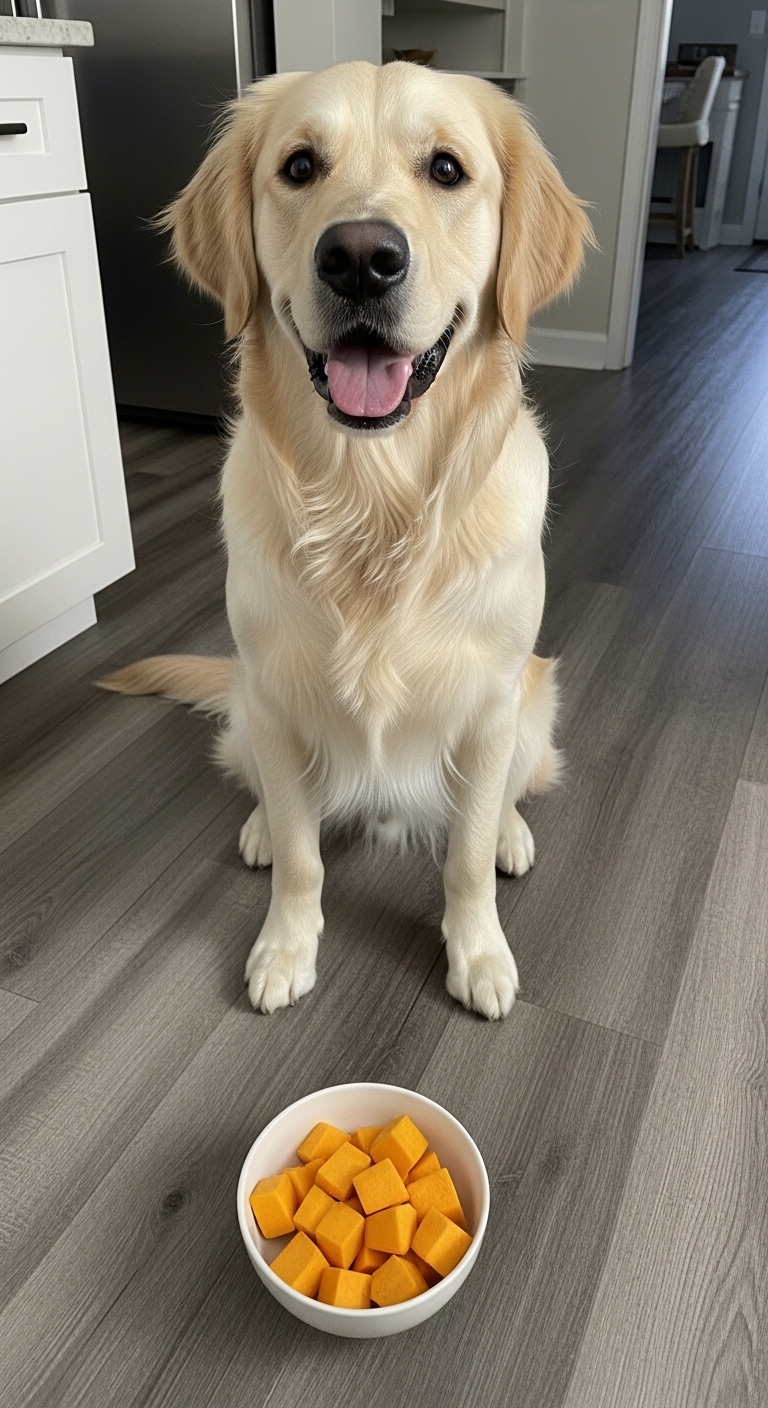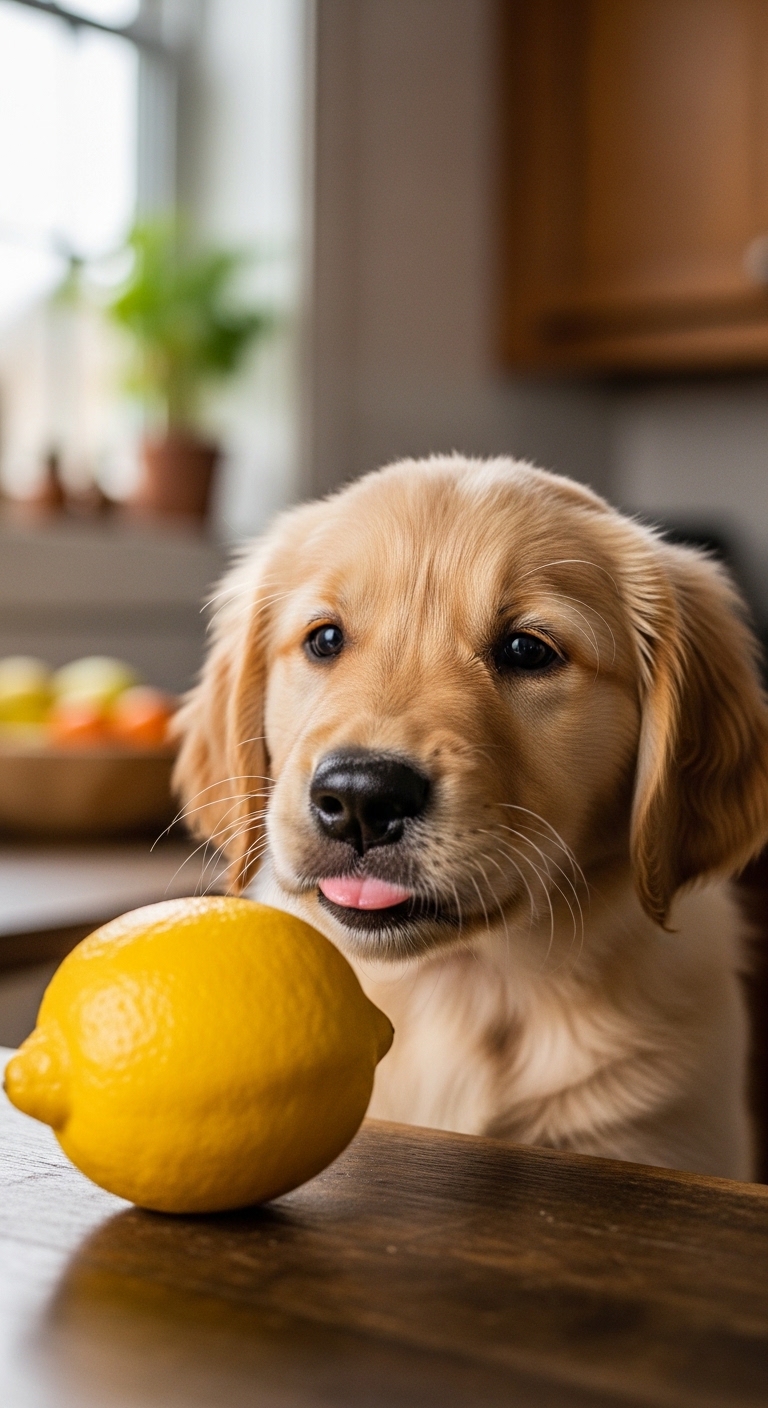
What foods can dogs not eat isn’t just a random list it’s a safety checklist every dog owner should keep handy. A single wrong bite can turn a happy afternoon into an emergency vet visit, and that’s the last thing anyone wants when their pup looks up with those hopeful eyes. Knowing what’s off-limits helps you avoid dangerous surprises while still spoiling your dog with safe treats.
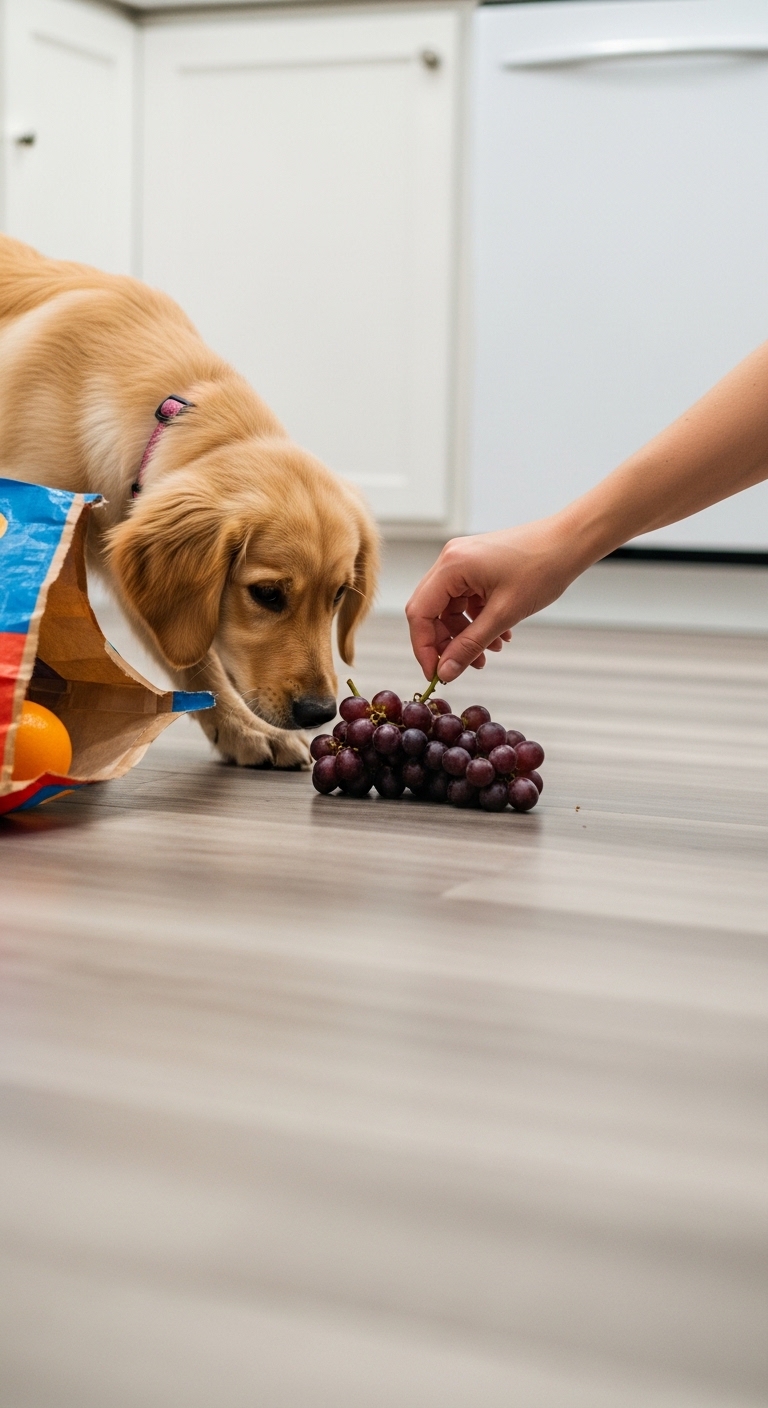
I still remember the first time my dog got into a bag of grapes at a picnic panicked minutes later, I learned those tiny fruits can cause kidney failure. That moment taught me how quickly things can go wrong and why this knowledge isn’t just useful, it’s essential.
Key Things to Understand
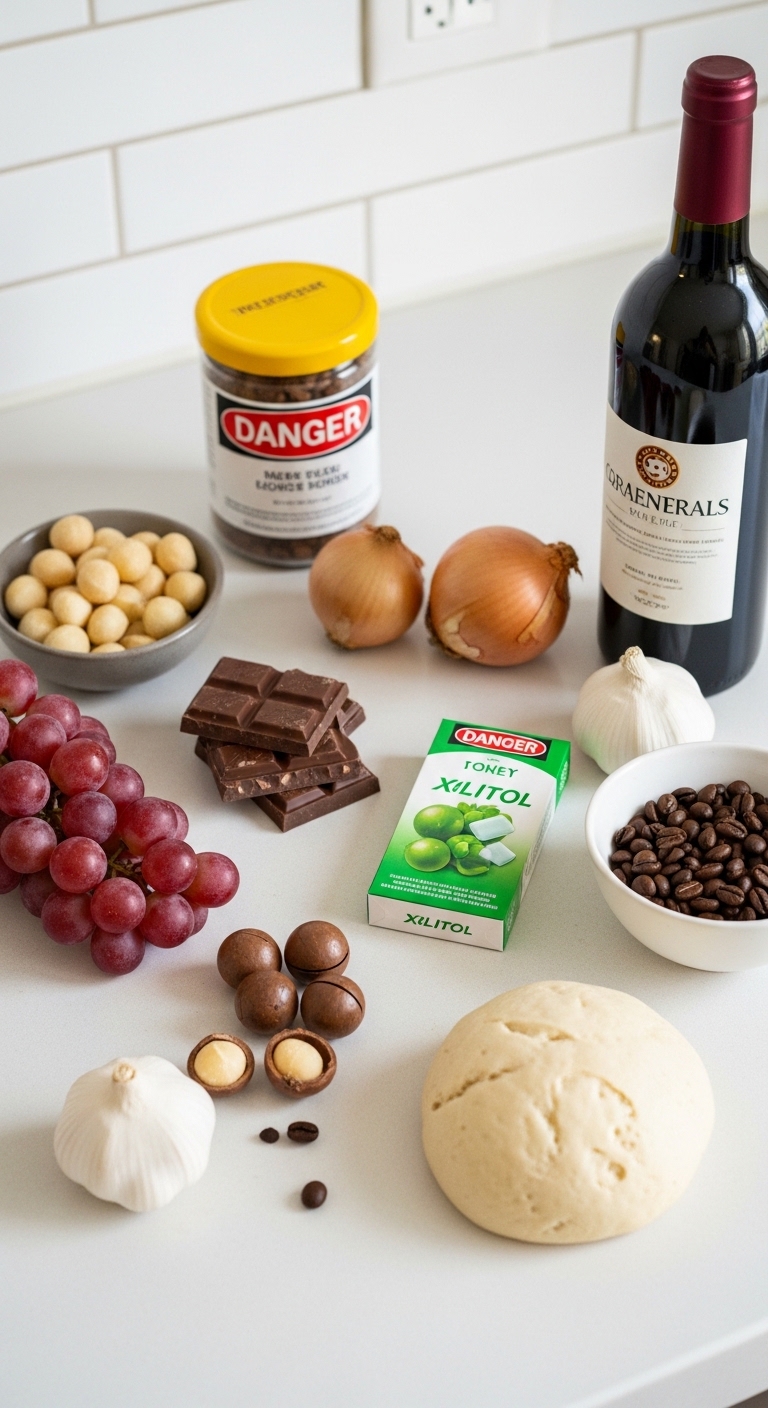
- Chocolate: contains theobromine, which dogs can’t metabolize and can cause vomiting, seizures, or worse
- Grapes and raisins: may lead to sudden kidney failure even in small amounts
- Onions, garlic, and chives: damage red blood cells and can cause anemia over time
- Xylitol: a sugar substitute in many candies and baked goods, causes insulin release leading to liver failure
- Alcohol: affects dogs faster than humans and can lead to dangerous drops in blood sugar and body temperature
- Macadamia nuts: cause weakness, tremors, and hyperthermia in dogs
- Avocado: contains persin, which can cause vomiting and diarrhea in some dogs
- Raw yeast dough: expands in the stomach and can lead to dangerous bloating or alcohol poisoning as it ferments
What to Look For
Watch for sudden changes in behavior after your dog gets into something they shouldn’t restlessness, drooling, or whining can be early signs of trouble. Pay attention to their energy levels too; lethargy or weakness might mean they’ve ingested something toxic. Check their gums for unusual paleness or redness, which can indicate internal issues. If you notice vomiting, diarrhea, or loss of coordination, don’t wait contact your vet immediately. Keep an eye on their breathing as well; rapid or labored breathing could signal poisoning or other serious problems.
If your dog sneaks a bite of chocolate, don’t panic call your vet or a pet poison hotline right away. Many pet owners assume a little bit won’t hurt, but toxicity depends on the dog’s size and the amount eaten. Always keep emergency vet contact info saved in your phone before you need it.
Daily care habits
Make it a habit to scan your kitchen counters and trash cans for foods that could harm your dog. Store leftovers in sealed containers high up where paws can’t reach. When cooking, keep your dog in another room if you’re using ingredients like onions or garlic. Train your dog to “leave it” early so they’re less likely to grab something dangerous off the floor.
Choosing the right product
When buying dog treats, check the ingredient list for anything that might be toxic. Avoid products with artificial sweeteners like xylitol, which can be deadly. Look for treats made with simple, whole-food ingredients your dog can recognize. If you’re unsure about a new treat, introduce it slowly and watch for any reactions.
Safety and comfort
Keep a pet first-aid kit at home with tweezers, gauze, and a digital thermometer. Know the location of the nearest 24-hour emergency vet clinic. If your dog eats something toxic, don’t induce vomiting unless your vet tells you to some substances can cause more damage on the way back up.
Common mistakes to avoid
Assuming all fruits and vegetables are safe some, like grapes and avocados, are dangerous. Letting your dog chew on bones from cooked poultry, which can splinter and cause internal injuries. Sharing your plate of leftovers without checking if the ingredients are dog-safe.
Cleaning and hygiene
If your dog gets into something toxic, clean up any spills immediately to prevent them from licking residue off the floor. Wash your hands after handling foods like onions or garlic before petting your dog. Store cleaning supplies and human medications in cabinets your dog can’t open.
Indoor routines
Keep trash cans with lids or inside cabinets to prevent scavenging. Train your dog to stay out of the kitchen during meal prep times. Use baby gates to block off areas where food is being prepared or served.
Outdoor routines
Be cautious during picnics or barbecues dogs will grab food from tables or plates left unattended. Check your yard for fallen fruits or nuts that could be tempting but toxic. Keep an eye on your dog around compost piles, which can contain moldy or spoiled foods dangerous to pets.
Seasonal adjustments
During holidays like Halloween and Christmas, extra sweets and candies are everywhere keep them securely stored. In the summer, watch for food left outside that might spoil and attract your dog. During Thanksgiving, avoid giving your dog fatty table scraps that can cause pancreatitis.
Age specific advice
Puppies explore the world with their mouths, so keep toxic foods locked away at their level. Senior dogs may have weaker organs, making them more vulnerable to foods that wouldn’t harm a younger dog. Always adjust portion sizes and treat choices based on your dog’s age and health.
The best way to keep your dog safe is to think ahead prevention beats panic every time. A little awareness goes a long way in making sure your pup stays happy and healthy for years to come.
Frequently Asked Questions
- → Why can't dogs eat chocolate?
Chocolate contains theobromine and caffeine, which dogs metabolize slowly. Even small amounts can cause vomiting, diarrhea, rapid breathing, or seizures. Dark chocolate and baking chocolate are especially dangerous due to higher theobromine levels.
- → Are grapes toxic to dogs?
Yes, grapes and raisins can cause kidney failure in dogs. The exact toxic dose varies by dog, but even one grape can be harmful. Symptoms include vomiting, lethargy, and decreased appetite within 24 hours of ingestion.
- → Can dogs eat onions or garlic?
No, onions, garlic, and related plants contain thiosulfates, which damage red blood cells and cause anemia. Both raw and cooked forms are dangerous, as are powders and seasonings. Symptoms may take days to appear.
- → What should I do if my dog eats something toxic?
Remove any remaining food from their mouth and check for symptoms. Call your vet or a pet poison hotline immediately. Do not induce vomiting unless instructed by a professional, as some substances can cause more harm on the way back up.
- → Are there safe human foods for dogs?
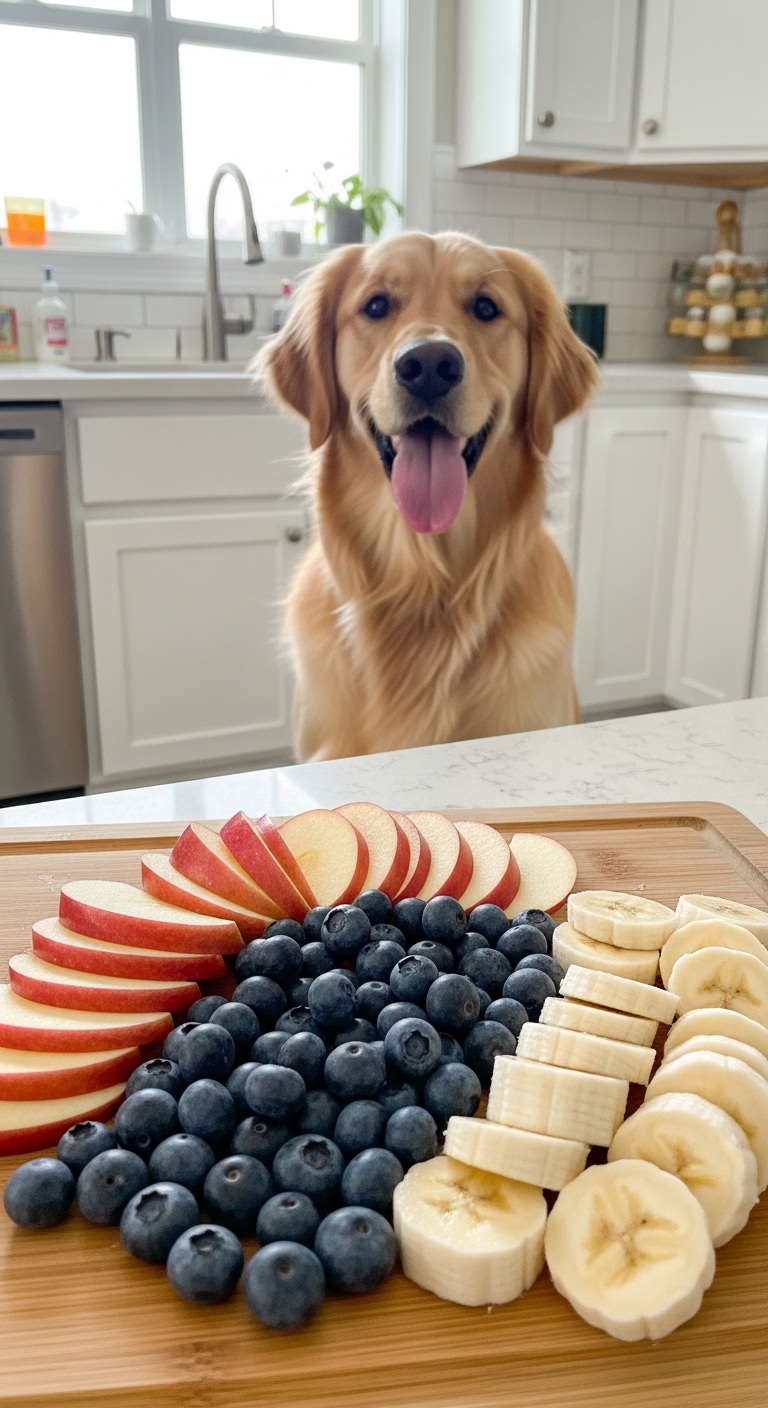
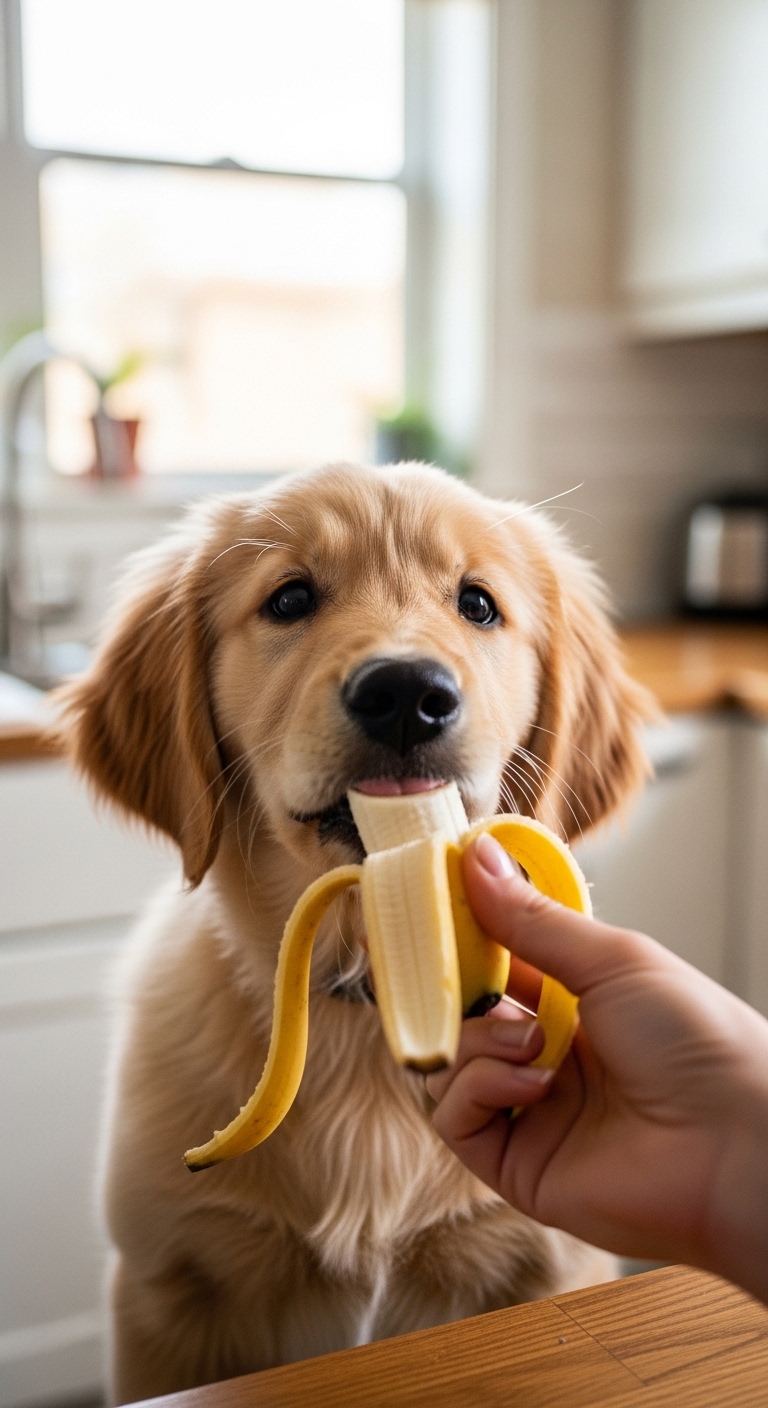
Yes! Plain cooked chicken, carrots, green beans, and apples (without seeds) are safe in moderation. Always introduce new foods gradually and avoid seasonings, bones, or pits. Consult your vet for portion sizes based on your dog's weight.
- → How much xylitol is dangerous for dogs?
Xylitol, found in sugar-free gum and candy, can cause rapid insulin release and hypoglycemia within 30 minutes. Even small amounts (e.g., one piece of gum) can be fatal. Symptoms include vomiting, weakness, and seizures. Seek emergency care immediately.