Can dogs have Brussels sprouts? It’s a question many pet owners ask when looking for healthy, natural treats to share with their furry friends. While Brussels sprouts aren’t toxic to dogs, they come with some important considerations. Feeding them in the right way can offer nutritional benefits, but getting it wrong might lead to digestive upset or other issues. Understanding how to safely include Brussels sprouts in your dog’s diet can help you make better choices for their overall health and happiness.
I once gave my dog a whole Brussels sprout as a treat, only to watch him struggle to chew it properly. That moment taught me how important it is to cut food into small, manageable pieces for dogs.
Key Things to Understand
- Brussels sprouts are not toxic to dogs but should be given in moderation: They are high in fiber, which can benefit digestion but may cause gas or bloating if overfed
- Raw Brussels sprouts are hard for dogs to digest: They can pose a choking hazard
- Cooked Brussels sprouts without seasoning are the safest option: The outer leaves and stems should be removed before feeding
- Too many Brussels sprouts can lead to stomach upset or diarrhea: Always monitor portion sizes
What to Look For
Pay attention to how your dog reacts after eating Brussels sprouts for the first time. Some dogs tolerate them well, while others may experience gas, bloating, or loose stools. If you notice these signs, it’s best to avoid giving them in the future. Also, watch for any signs of choking, especially if the pieces are too large or tough. Always observe your dog’s chewing and swallowing to ensure they’re handling the food safely.
You should also compare Brussels sprouts to other vegetables you might feed your dog. Carrots, green beans, and pumpkin are often easier on their stomachs and less likely to cause digestive issues. If your dog has a sensitive stomach or a history of food sensitivities, Brussels sprouts might not be the best choice.
A common mistake is assuming all vegetables are safe for dogs just because they’re plant-based. Brussels sprouts, while not toxic, can still cause problems if not prepared correctly. I’ve seen dogs refuse them entirely, while others gobble them up without issue it really depends on the individual dog.
Daily care habits
If you decide to include Brussels sprouts in your dog’s diet, start with a small amount and monitor their reaction. A few finely chopped pieces mixed into their regular food can be a good way to introduce them. If your dog enjoys them and tolerates them well, you can occasionally offer them as a treat. However, they should never replace a balanced diet or make up more than 10% of their daily food intake.
Choosing the right product
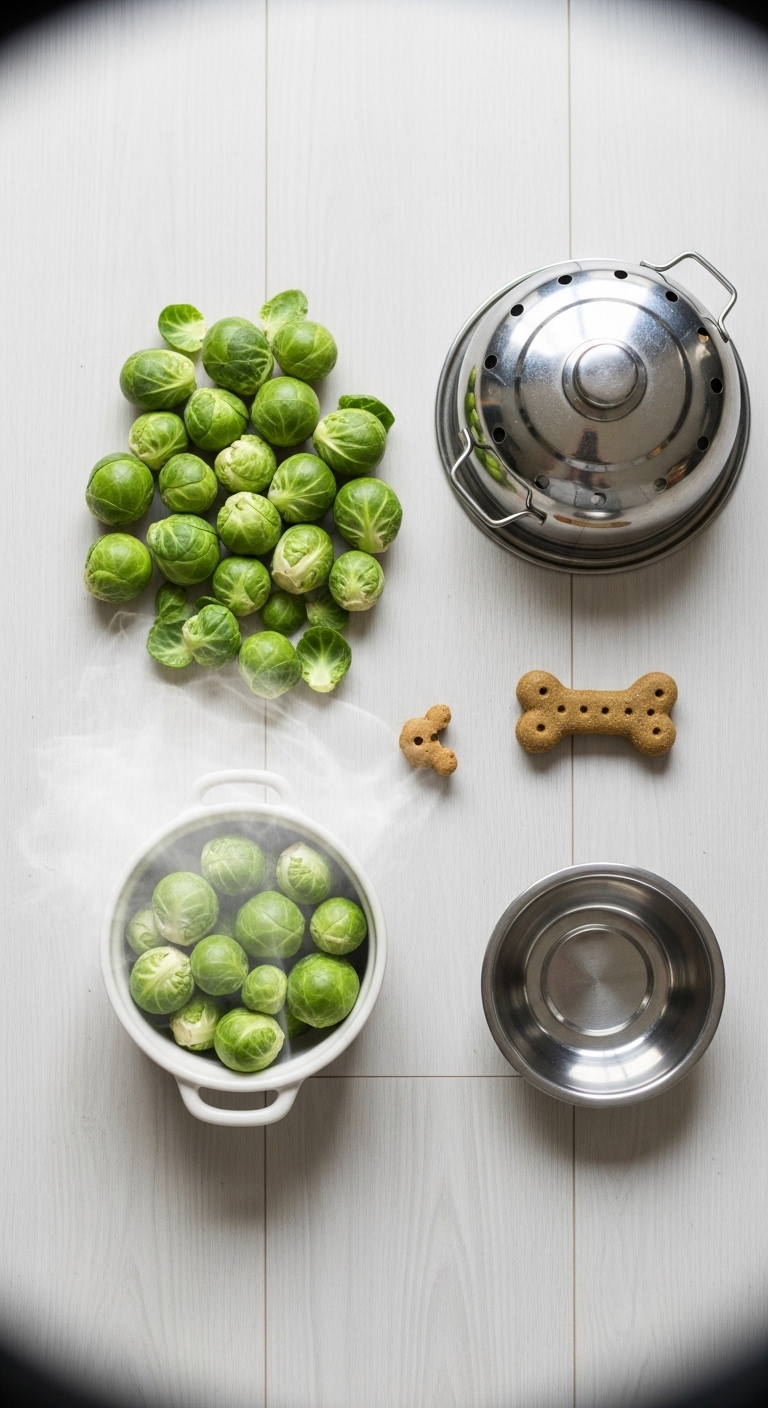
When buying Brussels sprouts for your dog, opt for fresh, organic options whenever possible. Avoid pre-cut or frozen varieties that may contain added preservatives or seasonings. If you’re using frozen Brussels sprouts, make sure they’re plain and thawed before serving. Always wash them thoroughly to remove any dirt or pesticides that could upset your dog’s stomach.
Safety and comfort
Never feed Brussels sprouts that have been cooked with butter, oil, or seasonings, as these can be harmful to dogs. Stick to plain, steamed or boiled Brussels sprouts cut into small, bite-sized pieces. If your dog has never eaten Brussels sprouts before, introduce them gradually to avoid any potential digestive discomfort. Watch for signs of allergies, such as itching, redness, or swelling, and discontinue use if any of these occur.
Common mistakes to avoid
One of the biggest mistakes is giving your dog whole or large chunks of Brussels sprouts, which can lead to choking or intestinal blockages. Another is assuming they’re a nutritional powerhouse and overfeeding them. While Brussels sprouts do contain vitamins and fiber, they’re not a complete food for dogs. Relying on them too heavily can lead to imbalances in their diet.
Cleaning and hygiene
Always wash Brussels sprouts thoroughly before preparing them for your dog. This removes dirt, bacteria, and any pesticide residue that could be harmful. After feeding, clean your dog’s bowl and any surfaces they may have touched to prevent bacterial growth. If your dog has a habit of dropping food or making a mess, consider feeding them in a designated area to keep your home clean.
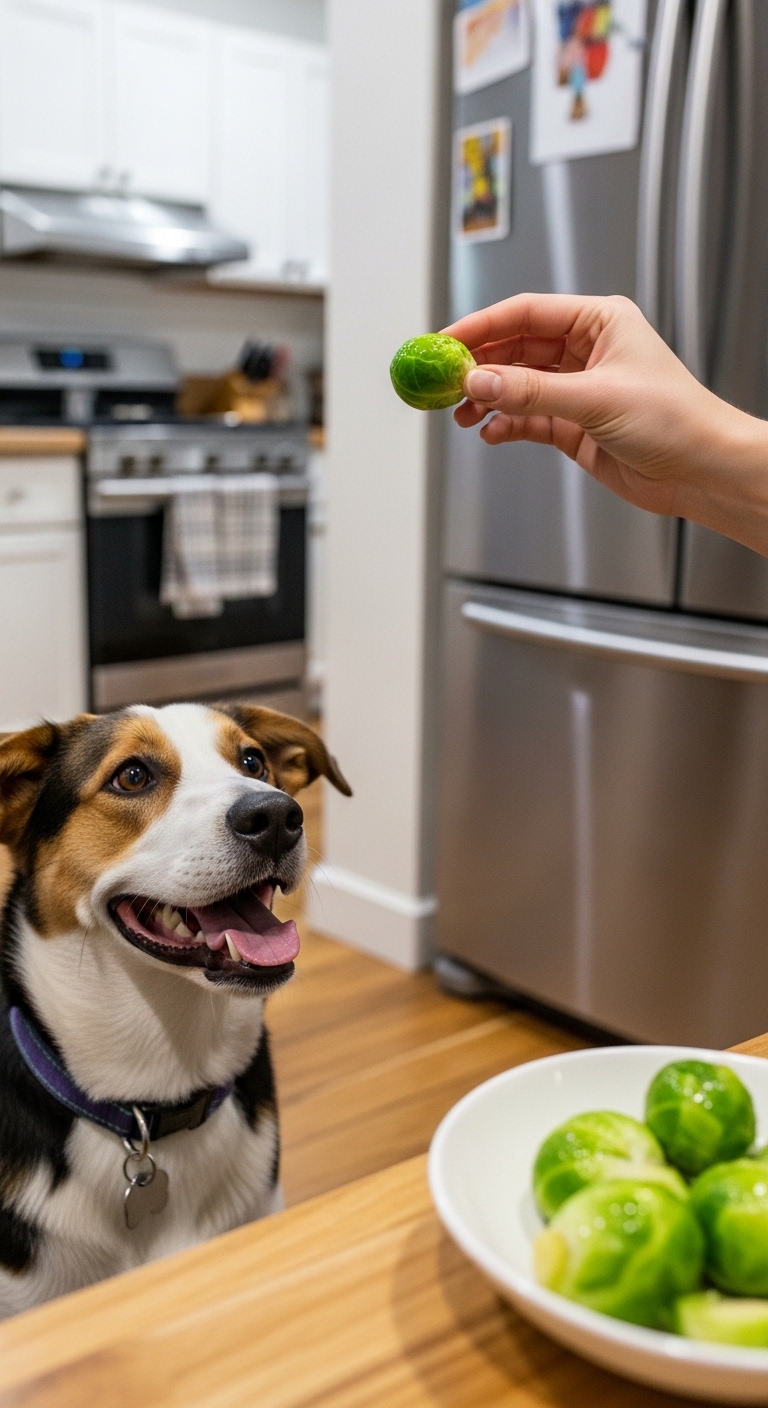
Brussels sprouts can be a healthy addition to your dog’s diet if prepared and served correctly. Always prioritize safety and moderation.
Frequently Asked Questions
- → Are brussel sprouts safe for dogs to eat?
Yes, brussel sprouts are safe for dogs in moderation. They’re non-toxic and offer nutritional benefits like fiber and vitamins, but should be given as an occasional treat rather than a staple food.
- → How should I prepare brussel sprouts for my dog?
Cook brussel sprouts thoroughly by steaming, boiling, or roasting without any seasoning, oil, or butter. Cut them into small, bite-sized pieces to prevent choking and aid digestion.
- → Can puppies eat brussel sprouts?
Puppies can eat brussel sprouts in very small amounts, but their digestive systems are sensitive. Introduce them gradually and consult your vet before adding new foods to a puppy’s diet.
- → What are the risks of feeding brussel sprouts to dogs?
Overfeeding can cause gas, bloating, or diarrhea due to their high fiber content. Raw brussel sprouts may also pose a choking hazard or contain bacteria like E. coli. Always serve cooked and plain.
- → How many brussel sprouts can I give my dog?
Limit brussel sprouts to less than 10% of your dog’s daily caloric intake. For a medium-sized dog, 1-2 small cooked sprouts per week is a safe starting point. Adjust based on your dog’s size and tolerance.
- → Do brussel sprouts help with my dog’s digestion?
Yes, the fiber in brussel sprouts can support healthy digestion and regular bowel movements. However, too much fiber can cause the opposite effect, so moderation is crucial.
- → Can dogs with health conditions eat brussel sprouts?
Dogs with thyroid issues, kidney disease, or gastrointestinal sensitivities should avoid brussel sprouts unless approved by a vet. Their high oxalate content may also be a concern for some pets.