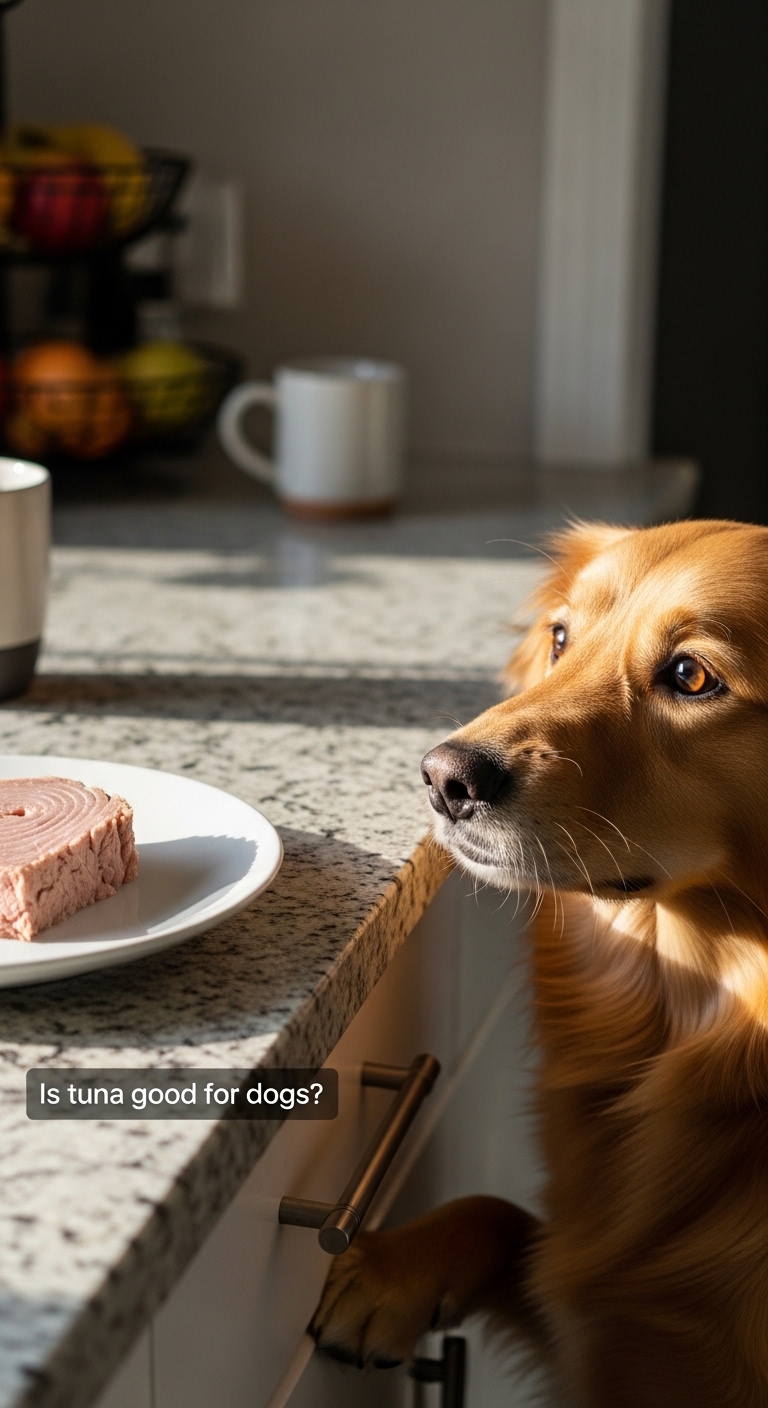
Can dogs have rice? It’s a question many pet owners ask when looking for simple, safe foods to share with their furry friends. Rice is a common ingredient in many commercial dog foods and often recommended by vets as a bland diet option for upset stomachs. But is it always okay? Understanding when and how to feed rice can make a big difference in your dog’s health and happiness.
I remember when my neighbor’s dog got into a bag of garlic-infused rice at a family gathering. It was a scary lesson in how quickly a simple food can turn dangerous.
Key Things to Understand
- Plain white rice: generally safe for dogs in moderation as it’s easy to digest
- Brown rice: contains more fiber and nutrients but is harder for some dogs to process
- Seasoning: rice should never be seasoned with onions, garlic, salt, or spices
- Portion sizes: small dogs should get smaller portions to avoid digestive upset
- Introduction: introduce rice gradually to monitor for any allergic reactions or sensitivities
What to Look For
Watch how your dog reacts after eating rice for the first time. Some dogs tolerate it well while others may experience loose stools or gas, especially if they’re not used to it. The key is to start with very small amounts, think a teaspoon for tiny breeds and a tablespoon for larger dogs, and see how they handle it over 24 hours. Pay attention to the type of rice you’re using. White rice is the most commonly recommended because it’s gentle on sensitive stomachs, but brown rice can be a good option for dogs that need more fiber in their diet. Just remember that brown rice takes longer to cook and may be harder for some dogs to digest. Look for signs of discomfort like excessive panting, lethargy, or unusual stool after feeding rice. These could indicate your dog isn’t tolerating it well or has an underlying issue. If you notice any of these signs, it’s best to stop feeding rice and consult your vet.
I once saw a dog owner feed their pup a whole bowl of leftover Chinese takeout rice that was loaded with soy sauce and other seasonings. Within hours, the dog was miserable and needed a vet visit. It’s a reminder that what’s safe for humans isn’t always safe for dogs.
Daily care habits
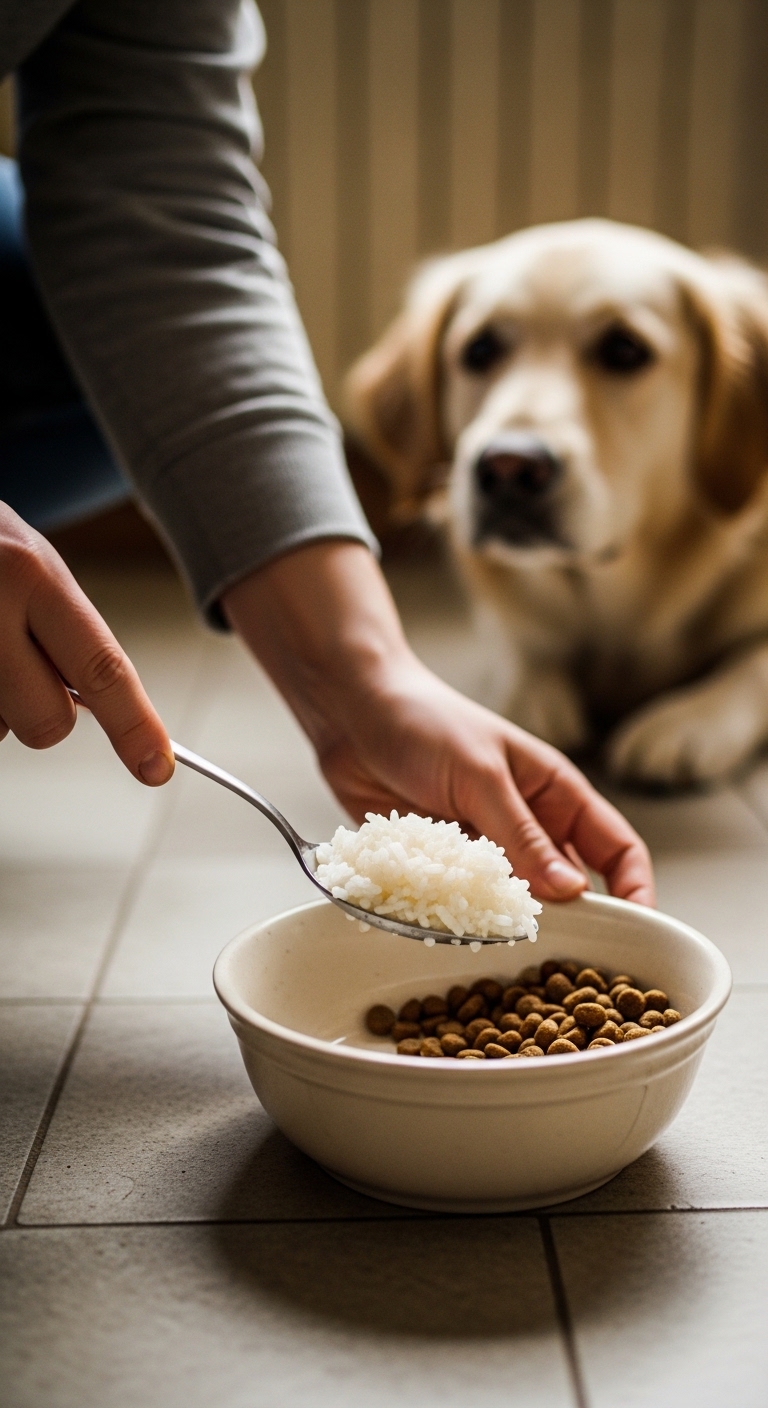
Incorporating rice into your dog’s routine can be as simple as mixing a small portion into their regular food once or twice a week. This can be especially helpful during stressful times like vet visits or travel when their stomach might be more sensitive. Just remember to keep the portions small and observe how your dog responds.
Choosing the right product
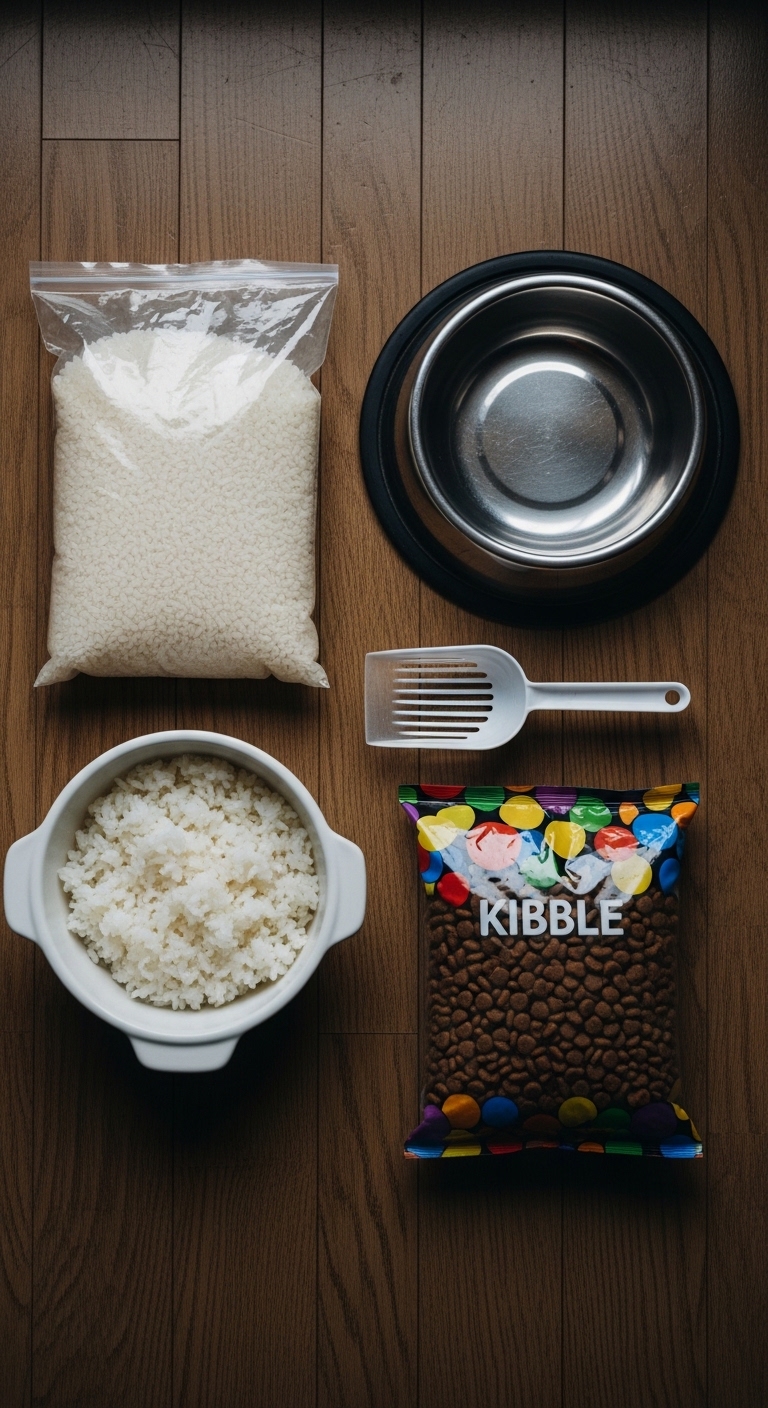
When buying rice for your dog, look for plain, unseasoned varieties with no added ingredients. Organic options aren’t necessary but can be a good choice if you prefer to avoid pesticides. Avoid instant rice as it often contains additives that aren’t ideal for dogs.
Safety and comfort
Always serve rice at room temperature to prevent any shock to your dog’s system. If your dog has diabetes or other health conditions, check with your vet before adding rice to their diet as it can affect blood sugar levels. The same goes for dogs with kidney issues, as rice contains phosphorus.
Cleaning and hygiene
If you’re preparing rice specifically for your dog, make sure to clean the pot thoroughly afterward to avoid any cross-contamination with human food. Store any leftover rice in the fridge for no more than 3-4 days and reheat it plain without any added ingredients.
Rice can be a great occasional treat or meal addition for most dogs, but it’s not a magic solution for every digestive issue. Always consult your vet if you’re unsure about adding new foods to your dog’s diet, especially if they have pre-existing health conditions.
Frequently Asked Questions
- → Is rice safe for all dogs?
Most dogs can safely eat plain, cooked rice in moderation. However, dogs with specific dietary restrictions or those prone to obesity should consume it in smaller amounts. Always consult your vet before introducing new foods to your dog's diet.
- → How much rice can I give my dog?
Portion size varies by your dog's weight. Small dogs (under 20 lbs) can have 1/4 to 1/2 cup per meal, while larger dogs (over 50 lbs) may safely eat up to 1 cup. Start with smaller portions and adjust based on your dog's tolerance.
- → Can rice help with my dog's upset stomach?
Yes! Plain, cooked white rice is often recommended as part of a bland diet to soothe digestive issues. It's gentle on the stomach and easy to digest, making it ideal for dogs recovering from vomiting or diarrhea.
- → Should I feed my dog white or brown rice?
White rice is easier to digest and gentler on sensitive stomachs, making it ideal for dogs with digestive issues. Brown rice offers more fiber and nutrients but may be harder to digest for some dogs. Choose based on your dog's needs and preferences.
- → Can puppies eat rice?
Yes, puppies can safely eat plain, cooked rice in moderation. It can be a good source of energy and easy to digest. Ensure the rice is plain and served in appropriate portions for your puppy's size and age.
- → Is rice a good option for diabetic dogs?
Rice has a high glycemic index, which can cause blood sugar spikes. If your dog has diabetes, consult your vet before feeding rice. They may recommend alternatives like sweet potatoes or pumpkin for a lower glycemic option.