
If your dog sneaks a bite of chocolate off your plate or finds a hidden stash, it’s easy to panic. Chocolate is one of the most common toxic foods for dogs, and the effects can vary widely depending on the amount and type consumed. Knowing what to watch for and how to respond can make all the difference in keeping your pup safe.
I’ve seen firsthand how a quick reaction after a chocolate incident can prevent a scary situation from getting worse. Keeping emergency vet contacts handy is always a good idea, but knowing the basics can ease your mind when accidents happen.
Key Things to Understand
- The darker the chocolate the more dangerous it is: because it contains higher levels of theobromine and caffeine
- Even small amounts of baking chocolate or cocoa powder can be toxic: due to their concentrated ingredients
- Symptoms may not appear immediately: and can take 6 to 12 hours to show up
- The size and breed of your dog play a big role: in how severely they’re affected
- White chocolate is less risky: but still not safe in large quantities
What to Look For
Watch for early signs like excessive thirst, vomiting, diarrhea, or restlessness within the first few hours. These symptoms often start mild but can escalate quickly if the chocolate contained high levels of theobromine. Pay attention to your dog’s energy levels too: if they seem unusually hyper or anxious, it could be a red flag. Later symptoms might include tremors, rapid breathing, or even seizures, which mean the situation is serious and requires immediate veterinary care.
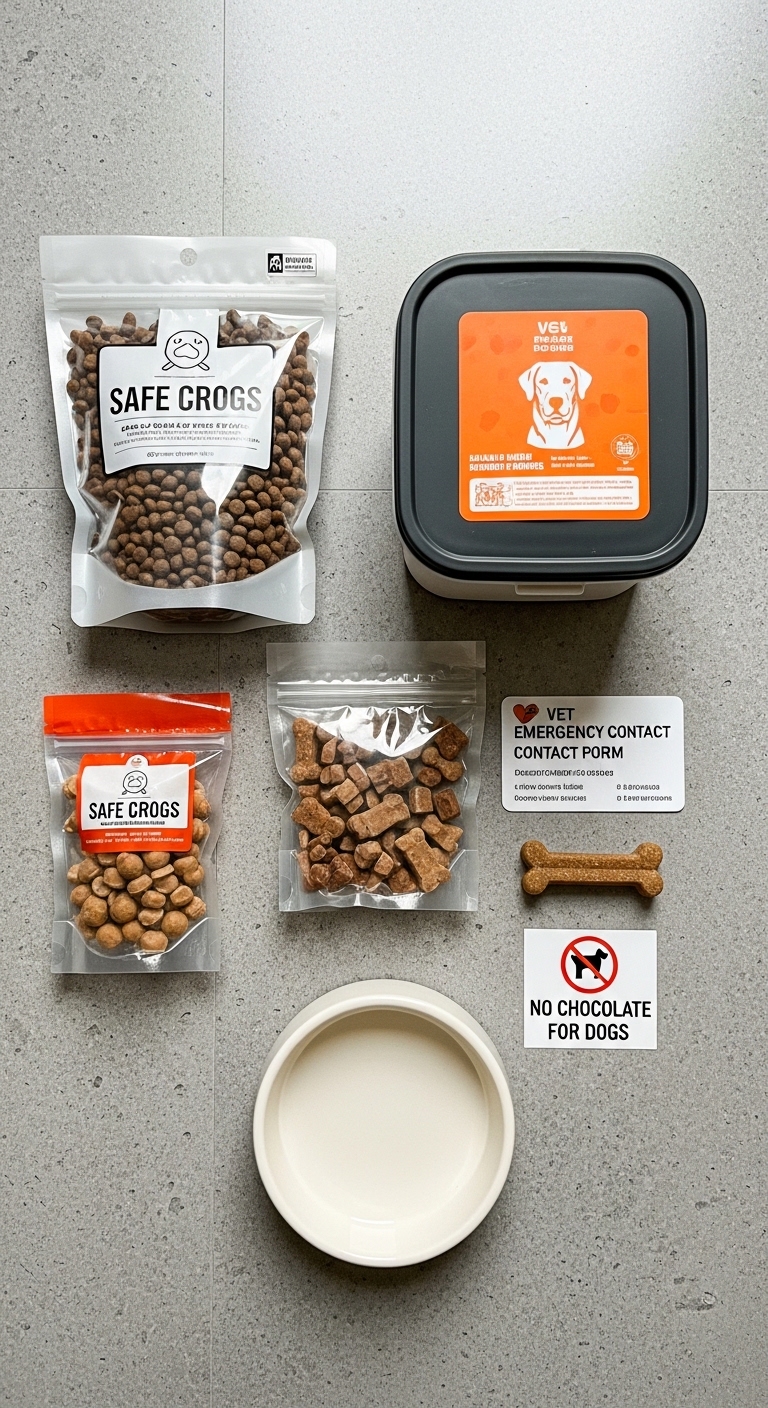
I once had a friend whose tiny Chihuahua got into a single chocolate chip and panicked for hours before realizing the dose was too small to cause real harm. On the other hand, a larger dog eating a whole chocolate bar might need urgent care. Always check the label for cocoa content and call your vet if you’re unsure.
How Much Chocolate Is Dangerous
The toxicity level depends on your dog’s weight and the type of chocolate. For example, milk chocolate contains about 60 mg of theobromine per ounce, while dark chocolate can have up to 150 mg per ounce. A 20-pound dog eating 2 ounces of milk chocolate might show mild symptoms, but the same amount of dark chocolate could be life-threatening. Always err on the side of caution and contact your vet if you’re unsure.
Emergency Steps to Take
First, remove any remaining chocolate from your dog’s reach to prevent further ingestion. Check the wrapper or packaging to determine the type and amount consumed. Call your vet or an emergency pet poison hotline immediately for guidance. If instructed, you may need to bring your dog in for treatment, which could include inducing vomiting, administering activated charcoal, or providing IV fluids. Never try to treat chocolate poisoning at home without professional advice.
Long-Term Precautions
Keep all chocolate stored securely in cabinets or high shelves where your dog can’t reach it. Educate everyone in your household, including kids, about the dangers of feeding chocolate to pets. Consider using bitter-tasting deterrent sprays on countertops or trash cans to discourage scavenging. If you bake frequently, be extra cautious about leaving chocolate ingredients unattended.

Always prioritize your dog’s safety and act quickly if you suspect chocolate poisoning.
Frequently Asked Questions
- → How much chocolate is toxic to dogs?
The toxicity depends on the dog's weight and the type of chocolate. As a general guideline, milk chocolate may cause issues at 0.7 oz per pound of body weight, while dark chocolate can be toxic at 0.13 oz per pound. Baking chocolate is the most dangerous, with toxicity at just 0.02 oz per pound.
- → What should I do if my dog eats chocolate?
Remove any remaining chocolate from your dog’s reach and call your vet or a pet poison control center immediately. Do not induce vomiting unless instructed to do so by a professional. Bring the chocolate packaging with you to help assess the risk.
- → How long after eating chocolate will my dog show symptoms?
Symptoms can appear within 6 to 12 hours after ingestion, but may take up to 24 hours in some cases. Early signs include vomiting, diarrhea, and restlessness, progressing to more severe symptoms like tremors or seizures if untreated.
- → Can a small amount of chocolate harm my dog?
Even small amounts can be harmful, especially for smaller dogs. While a tiny piece of milk chocolate may not cause severe symptoms, it’s best to err on the side of caution and contact your vet for advice based on your dog’s size and the type of chocolate consumed.
- → What are the long-term effects of chocolate poisoning in dogs?
If treated promptly, most dogs recover fully. However, severe cases can lead to heart problems, neurological issues, or even death. Early intervention is critical to prevent lasting damage or fatal outcomes.
- → Are there any safe chocolate alternatives for dogs?
Yes, there are dog-safe chocolate alternatives made with carob or other pet-friendly ingredients. These provide a similar taste without the toxic theobromine. Always check with your vet before introducing new treats to your dog’s diet.