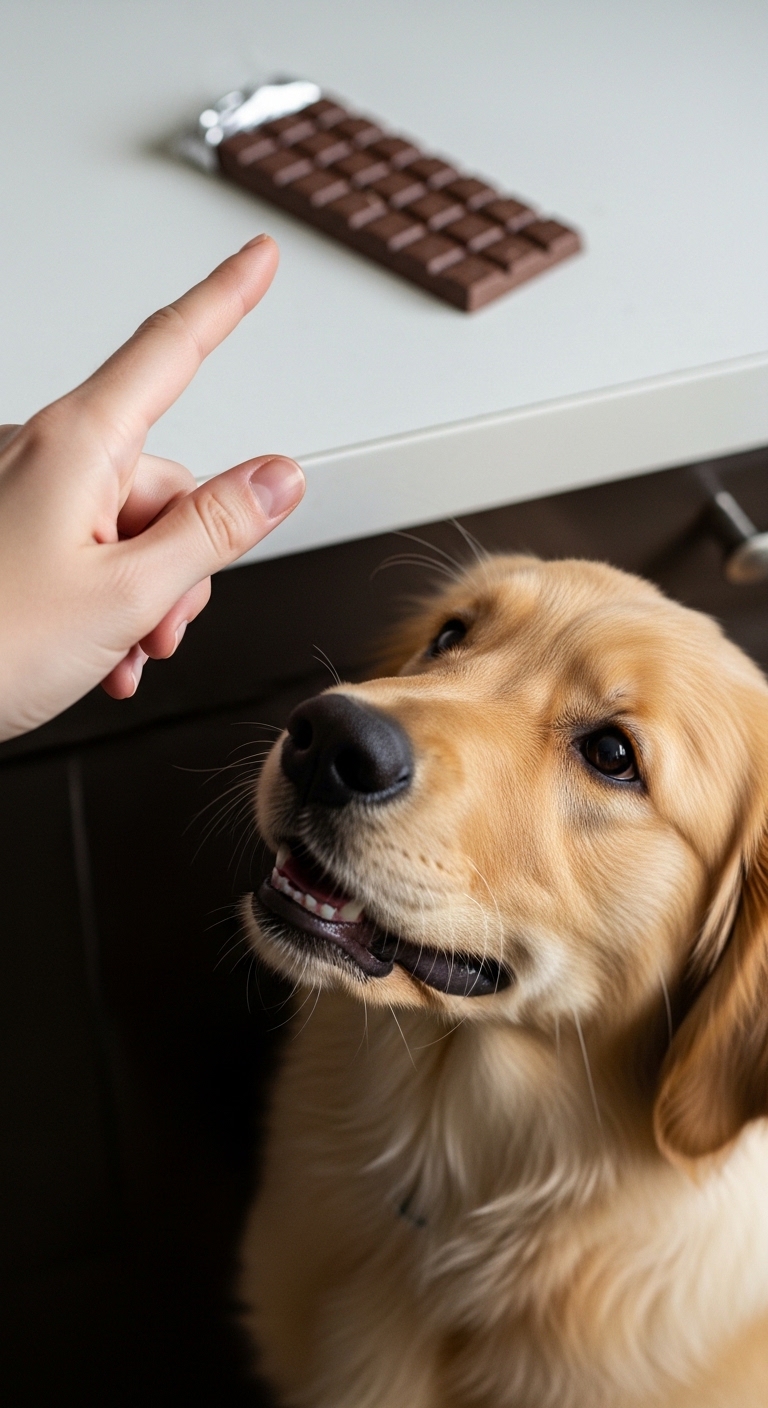
Why can’t dogs eat grapes isn’t just a random question it’s a critical safety issue for pet owners. Grapes and raisins might seem harmless, even healthy for humans, but for dogs, they can be extremely dangerous. Even small amounts can lead to sudden kidney failure, which is both painful and life-threatening. Many dog owners don’t realize how toxic these fruits are until it’s too late, making this a topic every pet parent needs to understand.
It’s one thing to know grapes are bad it’s another to understand just how little it takes to cause real harm. I’ve seen cases where a single grape led to emergency vet visits, so this isn’t just theoretical advice.
Key Things to Understand
- Toxicity: Grapes and raisins are toxic to dogs even in small amounts
- Unknown dose: The exact toxic dose isn’t fully known, but reactions can happen with just one grape
- Symptoms: Symptoms like vomiting, lethargy, and loss of appetite may appear within 24 hours
- Kidney failure: Kidney failure can develop quickly, making early intervention crucial
- Raisins: Dried grapes (raisins) are even more concentrated and dangerous
- Hidden damage: Some dogs may show no symptoms at first but still suffer internal damage
What to Look For
Watch for sudden vomiting or diarrhea after your dog eats something they shouldn’t, especially if you suspect grapes were involved. Pay attention to changes in energy levels if your usually playful pup seems unusually tired or reluctant to move, it could signal something serious. Loss of appetite is another red flag, especially if it lasts more than a few hours. Some dogs may also drink excessive amounts of water or urinate more frequently as their body tries to process the toxin. If you notice any of these signs, don’t wait to see if they improve contact your vet right away.
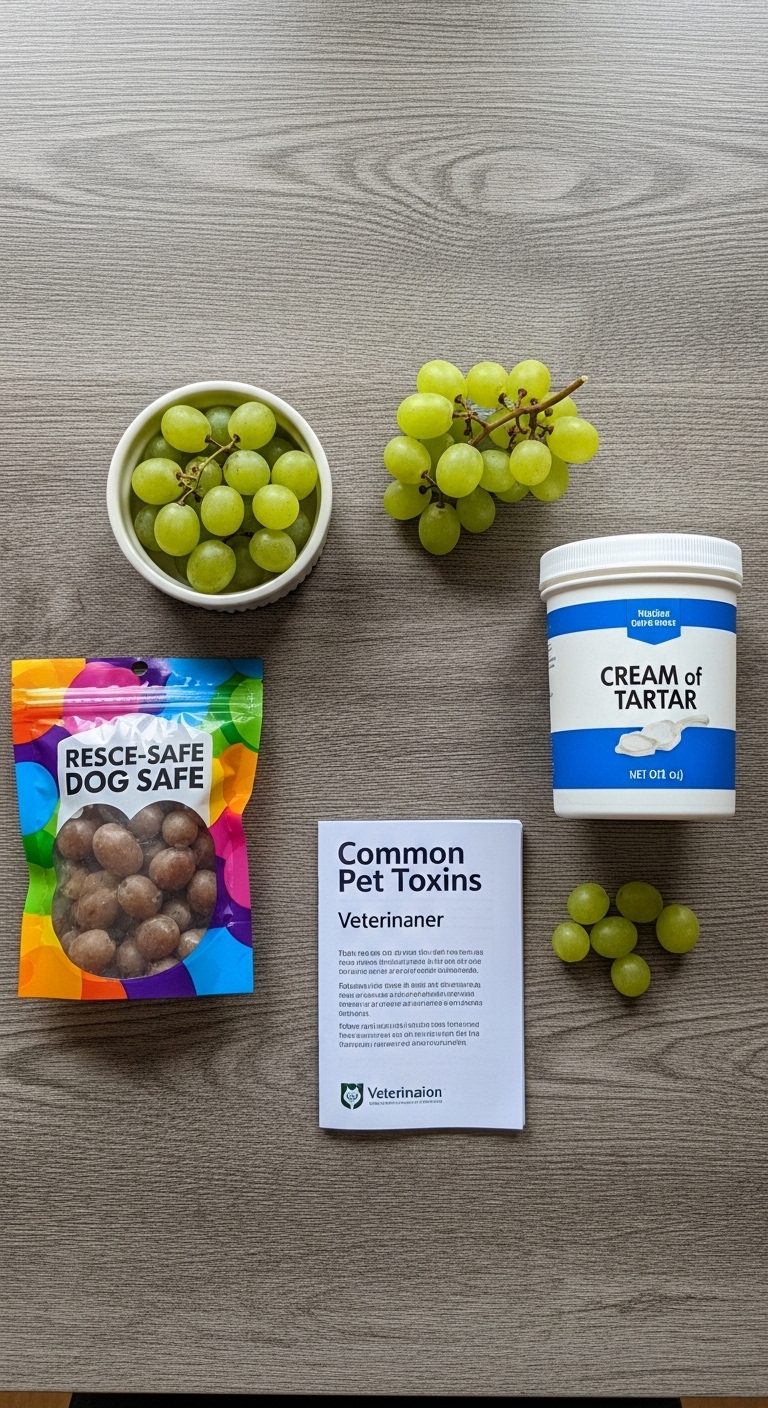
I once had a client whose dog ate a handful of grapes while hiking and didn’t show signs until the next morning. By then, the damage was already severe. That’s why it’s better to be overly cautious than to wait and see.
Why Some Dogs React Differently
Not every dog will have the same reaction to grapes, and that unpredictability is part of what makes them so dangerous. Some dogs can eat a few grapes without issues, while others may suffer severe reactions from just one. Age, weight, and overall health play a role, but even healthy adult dogs can be affected. Genetics might influence sensitivity, but there’s no reliable way to know in advance. The safest approach is to treat all grapes and raisins as off-limits for your dog, no exceptions.
How to Keep Grapes Away from Your Dog
Store grapes high up in cabinets or in closed containers where your dog can’t reach them. Be mindful of where you leave snacks, especially when guests are over who might not realize the danger. Check ingredient labels on foods like trail mix, baked goods, and cereals, as grapes or raisins are sometimes hidden in these products. If you have a counter-surfer, train them early to stay off surfaces where food is left unattended. When in doubt, assume your dog will find a way to get to something they shouldn’t.
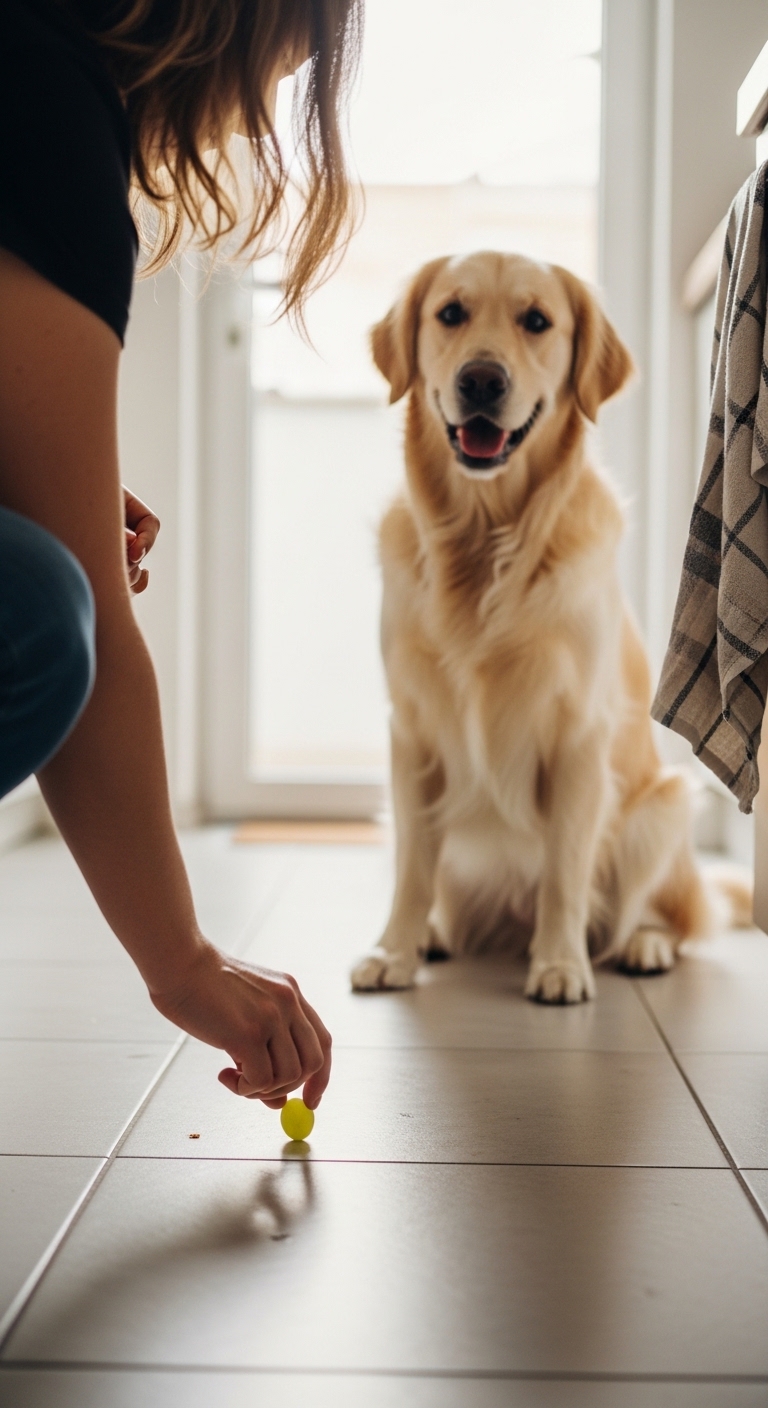
Prevention is the best protection for your dog’s health.
Frequently Asked Questions
- → How much grape is toxic to dogs?
There is no safe amount—even a single grape or raisin can trigger poisoning in some dogs. Reactions vary widely; some pets may tolerate small doses, while others suffer severe symptoms from minimal exposure. Always err on the side of caution and avoid giving grapes entirely.
- → What are the first signs of grape poisoning?
Early symptoms typically appear within 6–12 hours and include vomiting, diarrhea, excessive drooling, lethargy, and loss of appetite. As toxicity progresses, dogs may develop dehydration, weakness, and reduced urine output. Contact your vet immediately if you suspect ingestion.
- → Can a dog recover from eating grapes?
Recovery depends on prompt treatment. If caught early, inducing vomiting and administering activated charcoal may prevent toxin absorption. Severe cases require IV fluids, kidney monitoring, and supportive care. Long-term damage is possible, so veterinary intervention is essential.
- → Are all grape varieties toxic to dogs?
Yes, all types of grapes—red, green, seedless, or organic—pose a risk, as do raisins and currants. The toxic compound isn’t linked to seeds, skin, or juice, so even grape juice or grape-flavored products can be dangerous. Always check labels for hidden grape ingredients.
- → What should I do if my dog eats a grape?
Act quickly: remove any remaining grapes from their mouth, then call your vet or a pet poison hotline immediately. Do not induce vomiting unless instructed. Bring the grape type/amount to the vet for assessment. Time is critical—delaying care worsens outcomes.
- → Are grape seeds or stems more toxic?
The toxicity isn’t linked to seeds or stems—all parts of the grape (including flesh, skin, and juice) contain the unknown toxin. Even grape pomace (used in some dog treats) has caused poisoning. Focus on total avoidance rather than parts of the fruit.