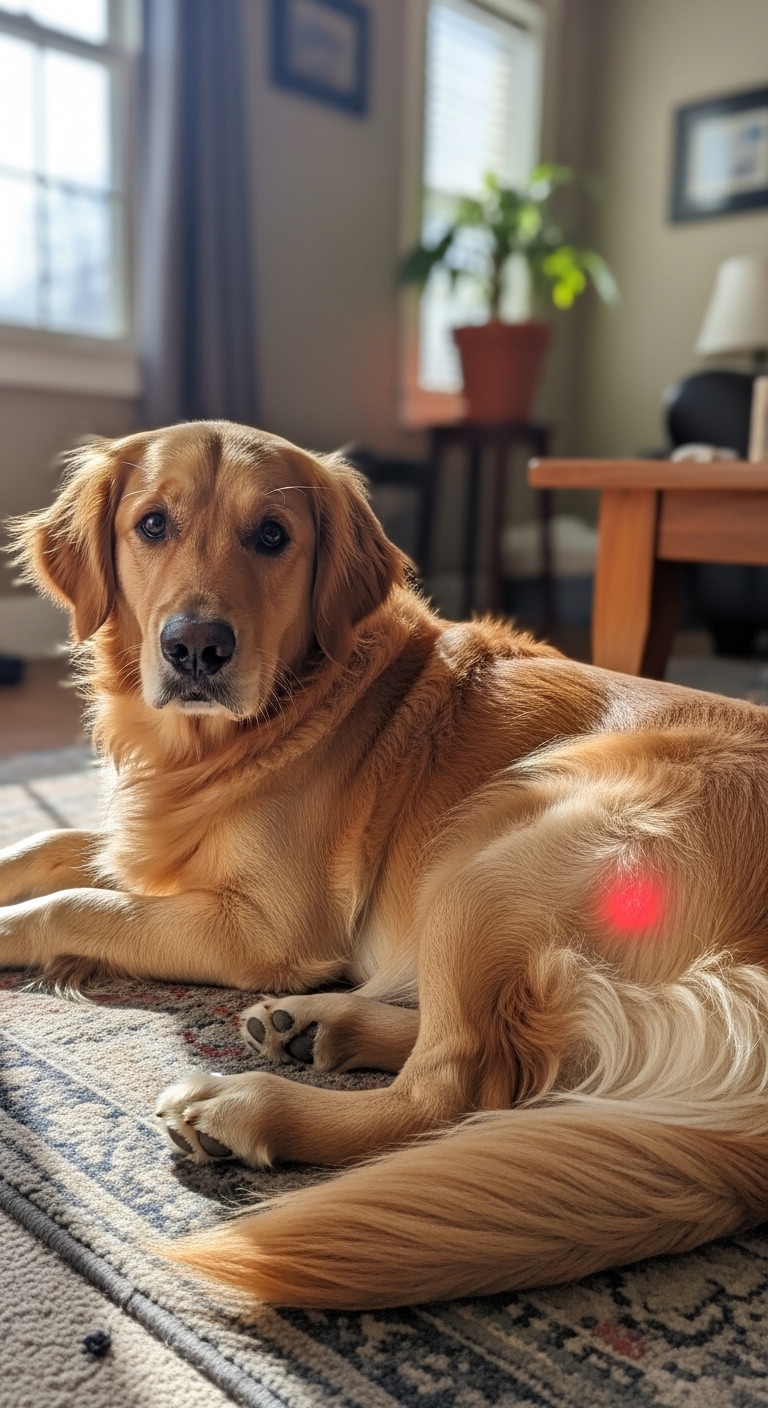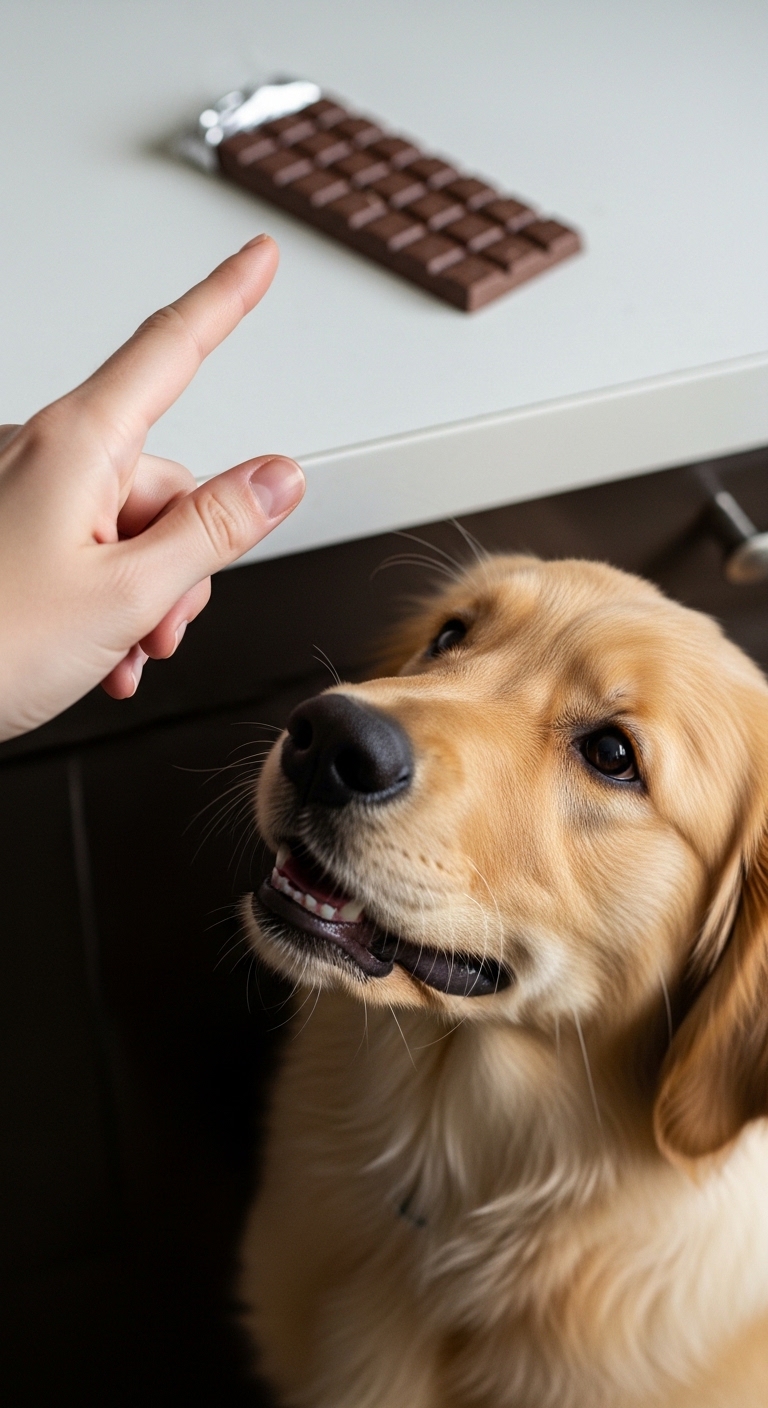
Chocolate is everywhere in our homes, wrapped in gifts, left on counters, or even dropped during baking. For dog owners, that sweet smell can turn into a dangerous temptation for their pets. Chocolate toxicity in dogs isn’t just a rare vet visit scenario, it’s a real risk that every pet owner should understand to keep their furry friends safe.
This isn’t just about avoiding a treat, it’s about preventing a medical emergency that could cost you thousands in vet bills and cause unnecessary stress for your pet.
I remember the first time my neighbor’s small terrier got into a box of dark chocolate truffles. Within an hour, the dog was trembling and refusing to eat. A quick call to the vet and a trip to the emergency clinic saved the dog, but it was a wake-up call about how easily this can happen in any home.
Key Things to Understand
- Theobromine and caffeine in chocolate are toxic to dogs: their bodies can’t metabolize them effectively
- Dark chocolate and baking chocolate contain the highest levels: making them far more dangerous than milk chocolate
- Even small amounts can cause symptoms: like vomiting, diarrhea, restlessness, or rapid breathing
- The size and breed of your dog play a big role: small dogs are at higher risk
- Symptoms may not appear immediately: sometimes taking 6 to 12 hours to show up
What to Look For
Watch for early signs like excessive thirst, drooling, or unusual restlessness within a few hours of ingestion. These subtle changes often go unnoticed but are the first clues that something is wrong. Pay attention to your dog’s behavior after they’ve had access to chocolate or if you suspect they’ve eaten something they shouldn’t have. You might notice your dog pacing, whining, or seeking out water more than usual. These behaviors aren’t just quirks, they could be early warnings of chocolate toxicity. If you see these signs combined with vomiting or diarrhea, it’s time to act quickly.
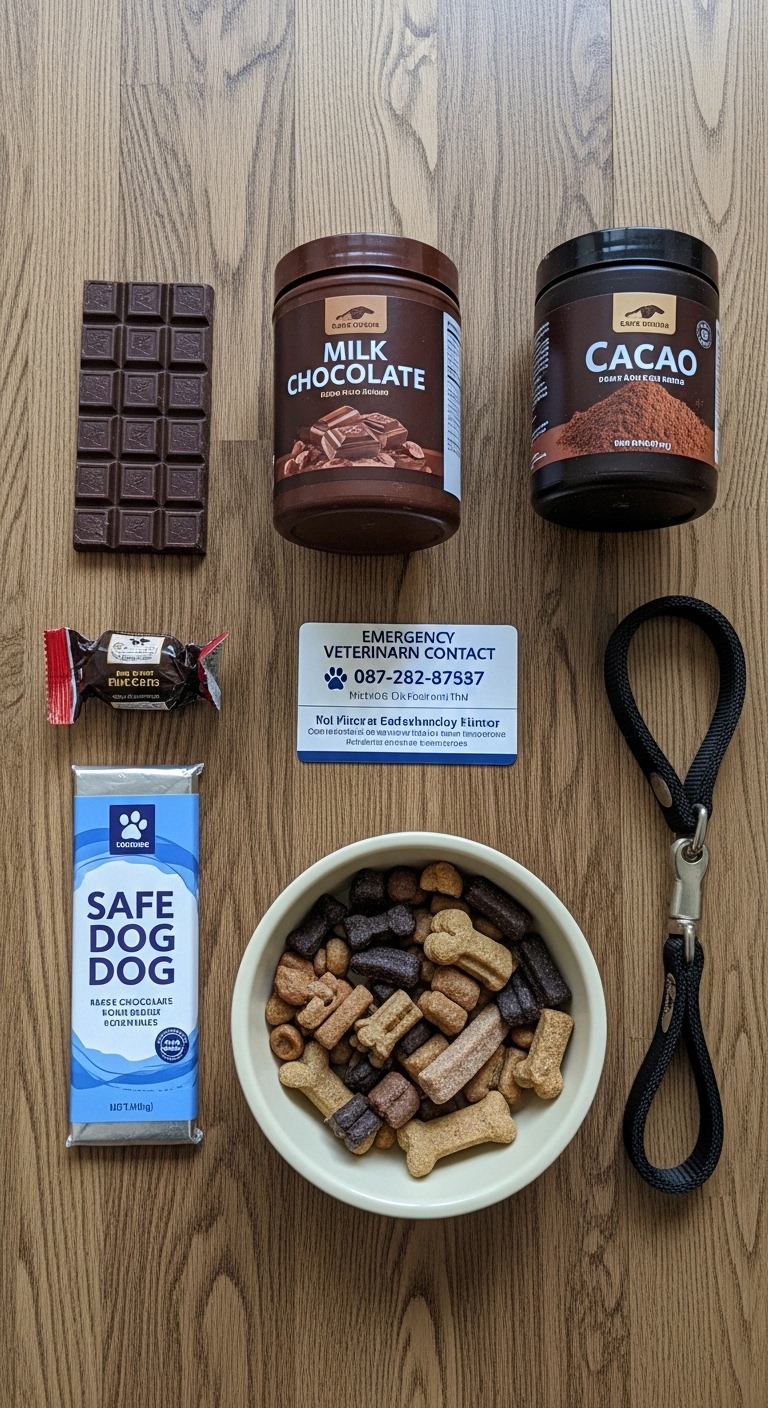
I once saw a case where a family thought their golden retriever was fine after eating a single chocolate chip cookie. By the time they realized the mistake, the dog was already showing severe symptoms. A quick response from the vet saved the dog’s life, but it was a lesson in how easily a small mistake can turn serious.
Why Size Matters
A tiny piece of chocolate might not harm a Great Dane, but it could be deadly for a Chihuahua. Always consider your dog’s weight when assessing risk. A good rule is that even one ounce of milk chocolate per pound of body weight can cause problems in smaller breeds.
Safe Alternatives
If you want to treat your dog, stick to dog-safe options like carob chips, plain pumpkin puree, or specially made dog treats. These alternatives give the satisfaction of a snack without the hidden dangers of chocolate.
When to See the Vet
If your dog has eaten any amount of dark chocolate or baking chocolate, don’t wait for symptoms, contact your vet right away. Even if it’s milk chocolate, if your dog is small or you’re unsure, it’s better to be safe than sorry.
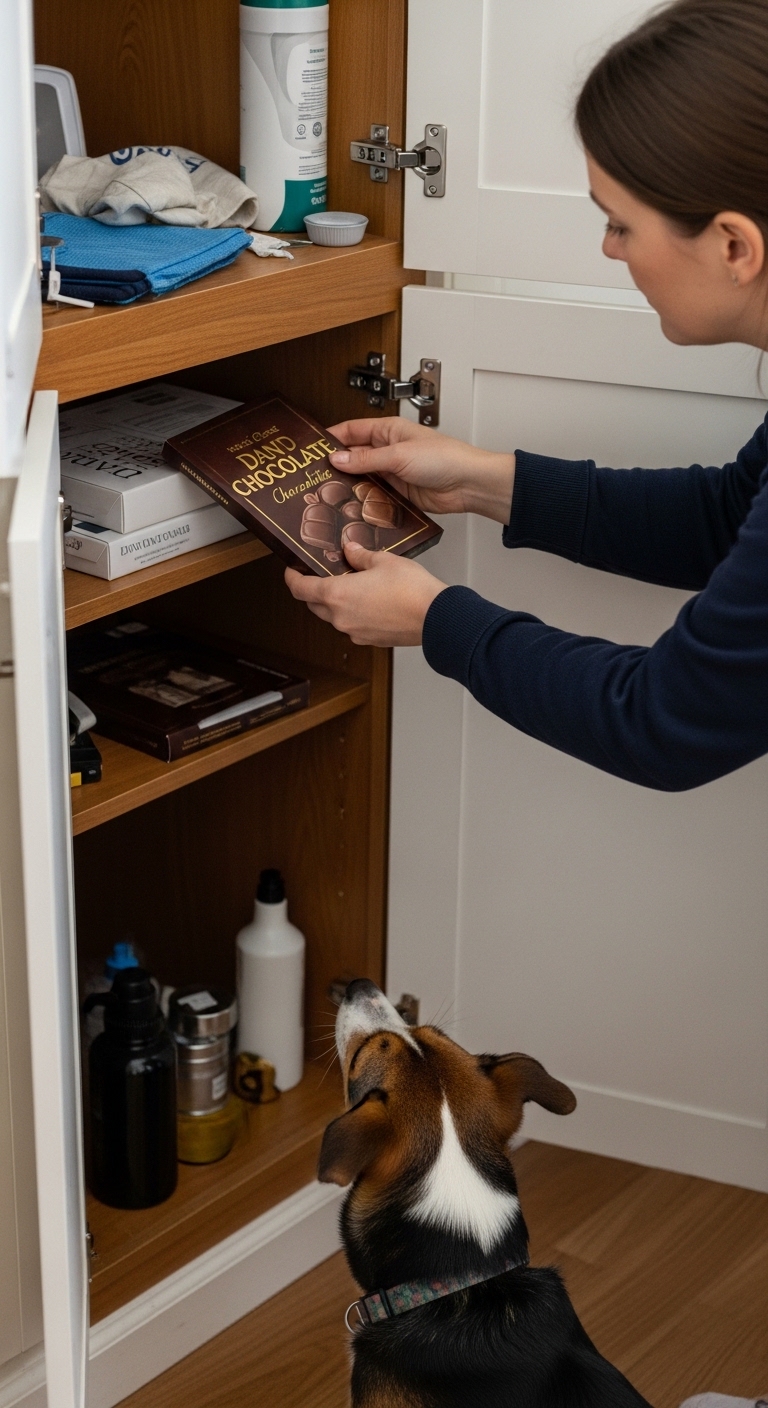
Chocolate toxicity is a serious risk, but with awareness and quick action, you can keep your dog safe.
Frequently Asked Questions
- → How much chocolate is toxic to dogs?
The toxicity depends on the type of chocolate and your dog's weight. For example, as little as 20 mg of theobromine per kilogram of body weight can cause mild symptoms, while 40 mg/kg or more may lead to severe poisoning.
- → What should I do if my dog eats chocolate?
Remove any remaining chocolate from their reach and contact your vet or a pet poison control center immediately. Do not induce vomiting unless instructed to do so by a professional.
- → Are all types of chocolate equally dangerous?
No. Dark chocolate and baking chocolate contain higher theobromine levels than milk chocolate, making them more hazardous. White chocolate has minimal risk but is not entirely safe due to sugar and fat content.
- → What are the signs of chocolate poisoning in dogs?
Early signs include vomiting, diarrhea, restlessness, and excessive thirst. Severe cases may show tremors, seizures, or collapse. Monitor your dog closely and seek veterinary care if symptoms appear.
- → Can dogs eat chocolate in small amounts?
No amount of chocolate is considered safe for dogs. Even small quantities can lead to poisoning, so it's best to avoid giving chocolate to pets entirely and choose dog-friendly alternatives instead.
- → How long does it take for chocolate to affect a dog?
Symptoms can appear within 6 to 12 hours after ingestion, but severe cases may take longer to manifest. Immediate action is crucial to prevent complications.