Coconut is popping up everywhere these days in smoothies, snacks, and even skincare products, and pet owners are starting to wonder if it’s safe for their dogs too. Many people don’t realize that coconut can actually be a healthy treat for dogs in moderation, but there are some important things to keep in mind before sharing that coconut water or snacking on coconut chips in front of your pup.
You might not think twice about tossing your dog a piece of coconut meat after cracking open a fresh coconut, but the way you prepare it matters just as much as the portion size.
Key Things to Understand
- Coconut meat in small amounts: generally safe for dogs and can provide beneficial fats
- Coconut water: high in potassium and should only be given in very small quantities, if at all
- Coconut oil: can be a great addition to your dog’s diet but should be introduced slowly to avoid stomach upset
- Avoid: coconut milk, coconut cream, and sweetened coconut products, as they often contain additives that are harmful to dogs
- Watch for: signs of allergic reactions like itching, swelling, or digestive issues after introducing coconut
What to Look For
When considering coconut for your dog, pay attention to how they react after trying a small amount. Some dogs tolerate it well, while others may develop mild digestive upset like diarrhea or loose stools. Fresh coconut meat is the safest option because it doesn’t contain added sugars or preservatives, but even then, moderation is key. If you’re using coconut oil, look for virgin or unrefined varieties to avoid processed ingredients that could be harder for your dog to digest. Always check the label for xylitol or artificial sweeteners, which are toxic to dogs and can sometimes be hidden in coconut-flavored products.
A common mistake is assuming all coconut products are created equal. For example, coconut milk might seem harmless, but the high fat content can trigger pancreatitis in some dogs. I once saw a friend’s dog get sick after eating a whole coconut chip because it was coated in sugar something neither of them realized until it was too late.
How to Safely Introduce Coconut to Your Dog
Start with tiny amounts of fresh coconut meat or a dab of coconut oil mixed into their food. Observe your dog for 24 hours to check for any adverse reactions like vomiting or lethargy. If they tolerate it well, you can gradually increase the amount, but keep it under 10% of their daily caloric intake. Avoid giving coconut to dogs with pre-existing conditions like pancreatitis or obesity without consulting your vet.
Coconut Oil vs. Coconut Meat: Which Is Better?
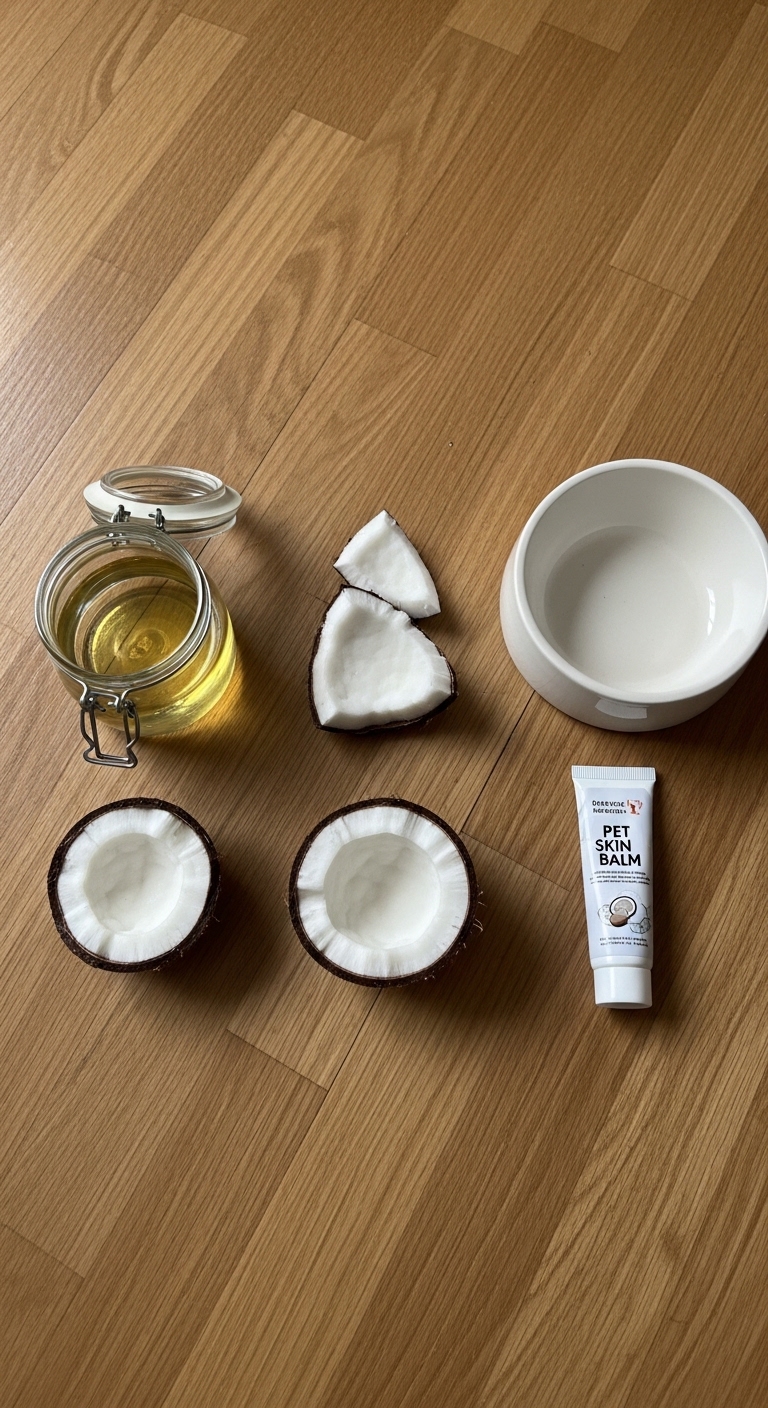
Coconut oil is easier to dose and can be used topically for skin issues or added to meals for internal benefits. Coconut meat provides fiber and a crunchy texture that some dogs love, but it’s higher in calories. For dogs with joint pain or dry skin, coconut oil is often the better choice due to its anti-inflammatory properties.

Signs Your Dog Might Not Tolerate Coconut
If your dog starts scratching more than usual or develops red, irritated skin after eating coconut, they may have an allergy. Loose stools or diarrhea within a day of trying coconut could mean their digestive system isn’t handling it well. Excessive thirst or lethargy might indicate an upset stomach or intolerance.
Coconut can be a healthy addition to your dog’s diet when given responsibly. Always prioritize moderation and observation to ensure it suits your pet.
Frequently Asked Questions
- → Can dogs eat coconut meat?
Yes, dogs can eat fresh coconut meat in small amounts. It’s rich in healthy fats, fiber, and medium-chain triglycerides (MCTs) that support skin and coat health. Remove the hard shell and any husk before serving.
- → Is coconut oil safe for dogs?
Coconut oil is safe for dogs and can be added to their food in moderation. It may improve skin health, reduce allergies, and boost energy. Start with a small amount (e.g., ¼ teaspoon for small dogs) and monitor for digestive changes.
- → Can dogs drink coconut water?
Plain, unsweetened coconut water is safe for dogs in small quantities. It’s hydrating and contains electrolytes, but avoid giving it in large amounts due to natural sugars. Always introduce new foods slowly.
- → What are the risks of feeding coconut to dogs?
Potential risks include digestive upset (diarrhea or vomiting) from too much fat, allergic reactions, or choking hazards from coconut shells. Avoid processed coconut products with added sugars or xylitol, which is toxic to dogs.
- → How much coconut can I give my dog?
Start with a teaspoon of coconut meat or a few drops of coconut oil per day for small dogs. For larger dogs, up to a tablespoon is acceptable. Always consult your vet for personalized advice based on your dog’s size and health.
- → Can coconut help with my dog’s allergies?
Coconut oil’s MCTs may help reduce skin inflammation and allergies in some dogs. However, results vary, and it’s not a cure-all. Consult your vet before using coconut as a remedy for allergies.