Dogs love treats, and raisins might seem like a harmless snack to share. But before you toss a handful their way, it’s worth knowing that these tiny dried fruits can actually be dangerous for them. Many pet owners don’t realize the risks, which is why it’s important to understand what’s safe and what’s not when it comes to feeding your dog.
I once saw a friend’s dog get sick after eating just a few raisins from a forgotten trail mix bag. It was a scary reminder of how quickly a small mistake can turn serious.
Key Things to Understand
- Raisins and grapes are toxic to dogs even in small amounts: This toxicity can lead to kidney failure, which is life-threatening. The exact reason why raisins are dangerous isn’t fully understood, but even a single raisin can be harmful depending on the dog’s size and sensitivity.
- Some dogs may show no immediate symptoms: But still suffer internal damage over time. Dried fruits like raisins are more concentrated in toxins than fresh grapes, making them even riskier.
- Organic or pesticide-free raisins aren’t safer: The toxicity isn’t related to farming methods. Smaller dogs are at higher risk because their bodies process toxins differently than larger dogs.
- Symptoms of poisoning may not appear for 24 to 48 hours: So early intervention is critical.
What to Look For
Watch for signs of raisin or grape toxicity in your dog, especially if you suspect they’ve eaten something they shouldn’t have. Early symptoms include vomiting, diarrhea, lethargy, and loss of appetite. As the condition progresses, you might notice increased thirst, decreased urination, or weakness. These signs can be subtle at first, so it’s important to act quickly if you suspect your dog has ingested raisins. Pay attention to your dog’s behavior after they’ve been near food that might contain raisins. If they seem unusually tired or refuse their usual meals, it could be a red flag. Even if your dog doesn’t show immediate symptoms, don’t assume they’re fine: some dogs develop kidney issues days later without obvious warning signs.
Even a dropped raisin on the floor can be a temptation for a curious dog. Small habits, like securing trash cans and cleaning up crumbs, can prevent accidents.
Daily Care Habits
Keep raisins and grapes far from where your dog can reach them. Store snacks and baked goods in sealed containers or cabinets they can’t access. If you have children, teach them about the dangers of sharing human food with pets. If you bake with raisins often, make sure your kitchen is dog-proof. Wipe down counters and sweep floors regularly to remove any crumbs or residue. Consider using a trash can with a secure lid to prevent your dog from scavenging. These small habits can prevent accidental poisoning and keep your dog safe.
Choosing the Right Treats
Opt for dog-safe treats that are specifically made for pets. Look for options with natural ingredients and no added sugars or artificial sweeteners. If you want to share human food, stick to dog-friendly fruits like apples (without seeds) or blueberries. Always introduce new treats slowly to avoid upsetting your dog’s stomach. Avoid treats that contain raisins, grapes, or currants, even if they’re marketed as "natural" or "healthy." Read labels carefully, especially for store-bought snacks. If you’re unsure about an ingredient, ask your vet for recommendations. Your dog’s health depends on the choices you make every day.
Safety and Comfort
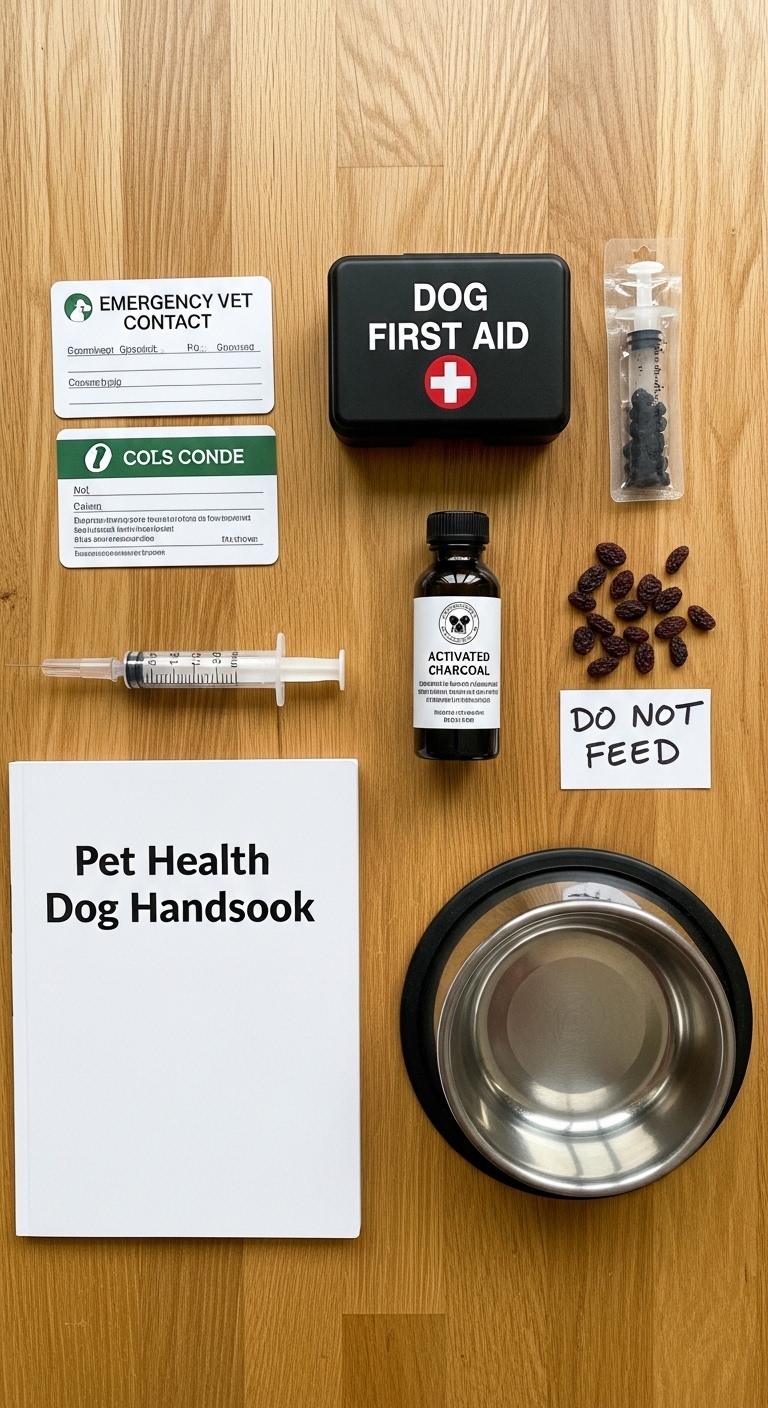
If your dog accidentally eats raisins, don’t wait for symptoms to appear before acting. Call your vet or a pet poison control center right away. They may recommend inducing vomiting or bringing your dog in for treatment. Keep your dog calm and hydrated while you wait for instructions. Monitor your dog closely after any potential exposure. If they seem weak, refuse water, or stop urinating, seek emergency care immediately. Kidney failure can develop quickly, so time is of the essence. Having a pet first aid kit at home can also help you respond faster in an emergency.
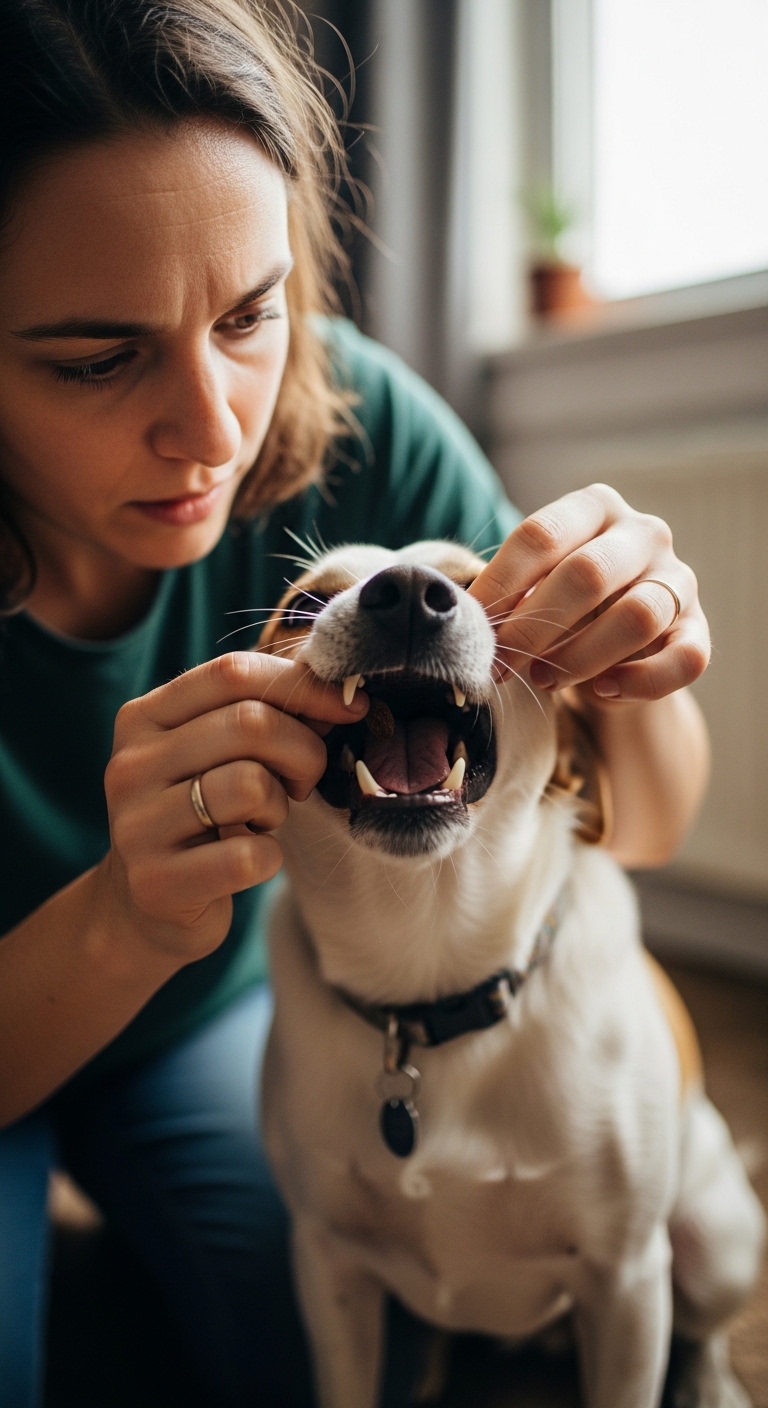
The best way to keep your dog safe is to be proactive. Raisins might seem like a harmless snack, but they’re a hidden danger that every pet owner should take seriously.
Frequently Asked Questions
- → Why are raisins dangerous for dogs?
Raisins contain compounds that are toxic to dogs, though the exact cause is still unknown. Even small amounts can lead to severe kidney damage and failure, which may be life-threatening without immediate treatment.
- → What should I do if my dog eats raisins?
Act quickly—contact your vet or an emergency animal hospital immediately. Do not wait for symptoms to appear. Bring the packaging or remaining raisins if possible to help assess the risk.
- → How much raisin is toxic to a dog?
The toxic dose varies, but ingestion of even a single raisin can cause problems in sensitive dogs. Larger amounts increase the risk of severe kidney damage. There is no safe threshold known.
- → What are the symptoms of raisin poisoning in dogs?
Early signs include vomiting, diarrhea, and lethargy within 24 hours. Later symptoms may include loss of appetite, weakness, and decreased urination. Kidney failure can develop rapidly.
- → Are all dogs at risk from raisins?
Yes. While some dogs may tolerate small amounts without obvious issues, others can suffer severe reactions. There is no breed or size exemption—all dogs should avoid raisins completely.
- → Can raisin poisoning be treated successfully?
With prompt veterinary care, including induced vomiting, activated charcoal, IV fluids, and monitoring, many dogs recover. However, delayed treatment reduces the chances of full recovery.