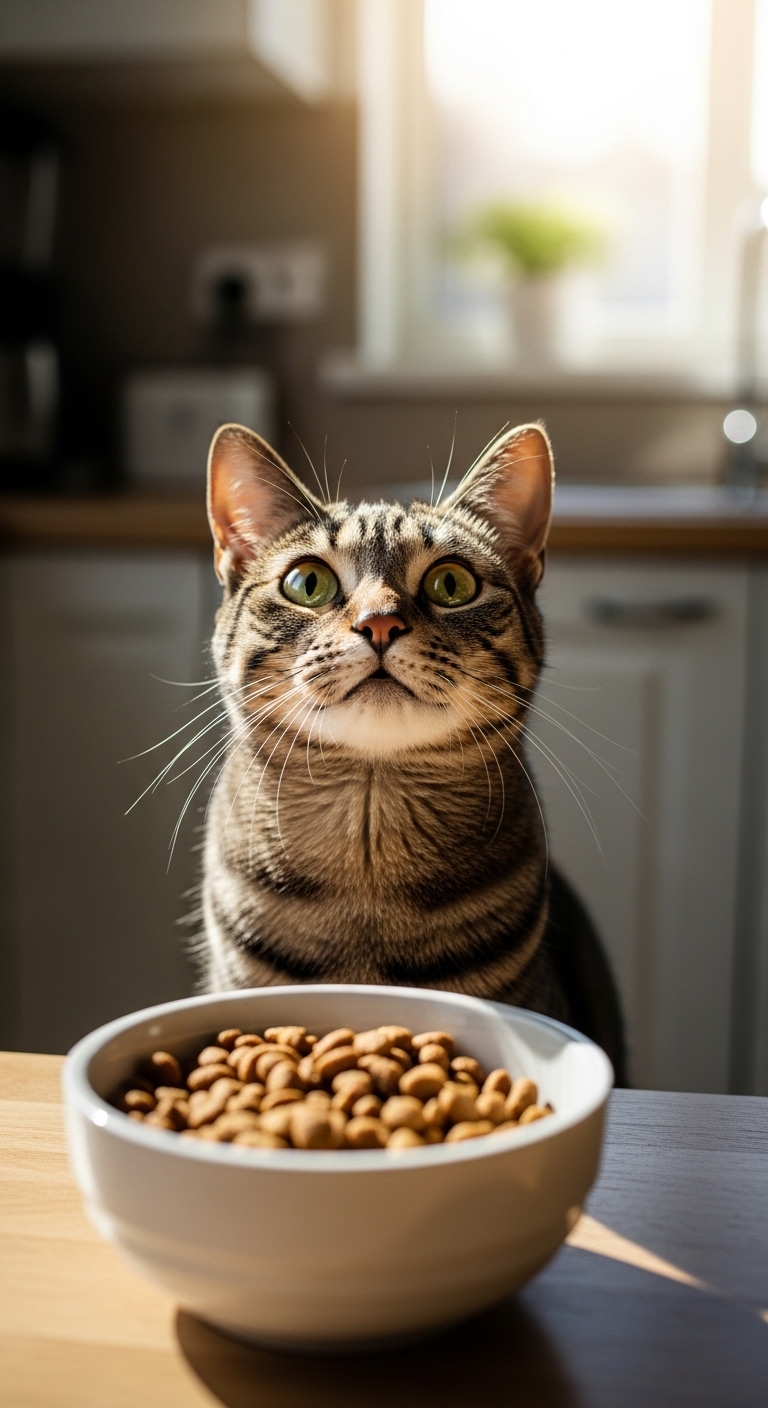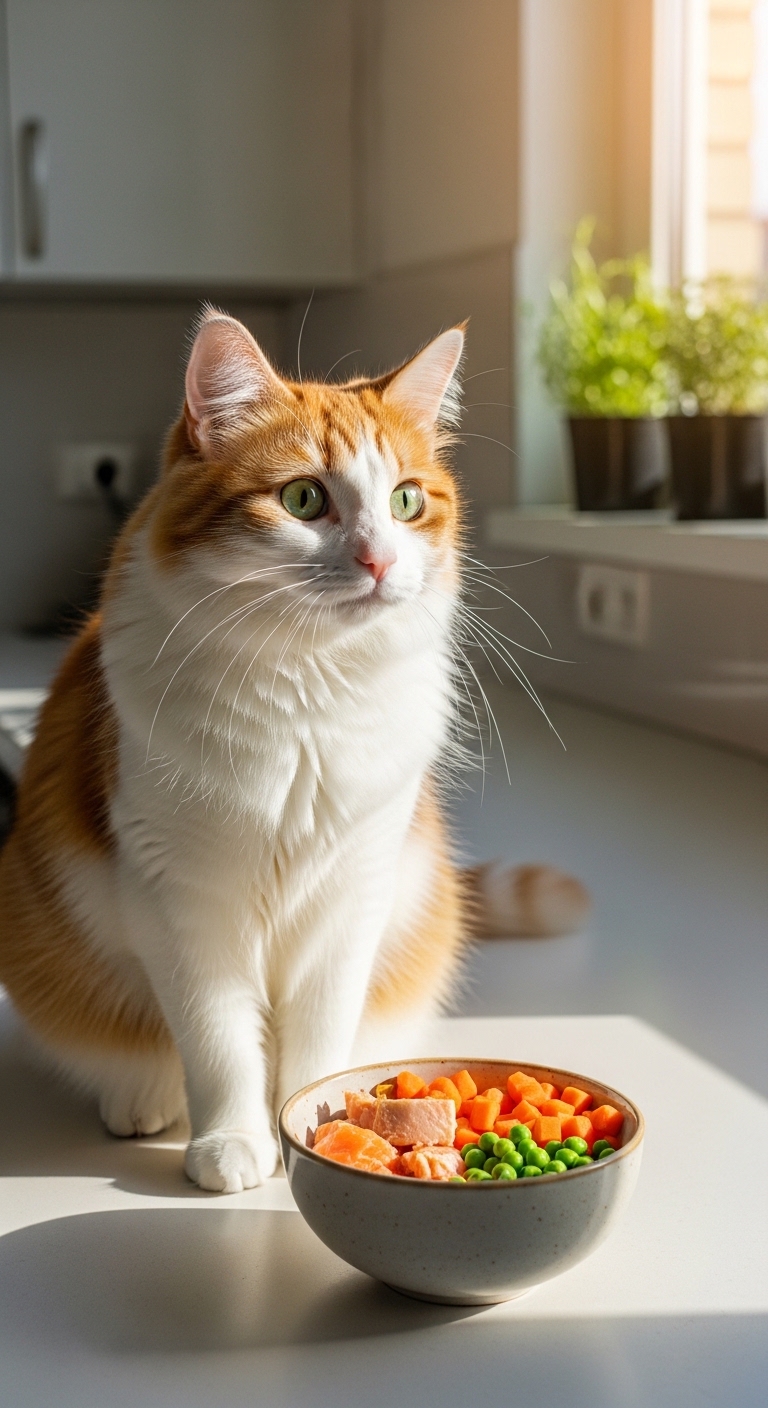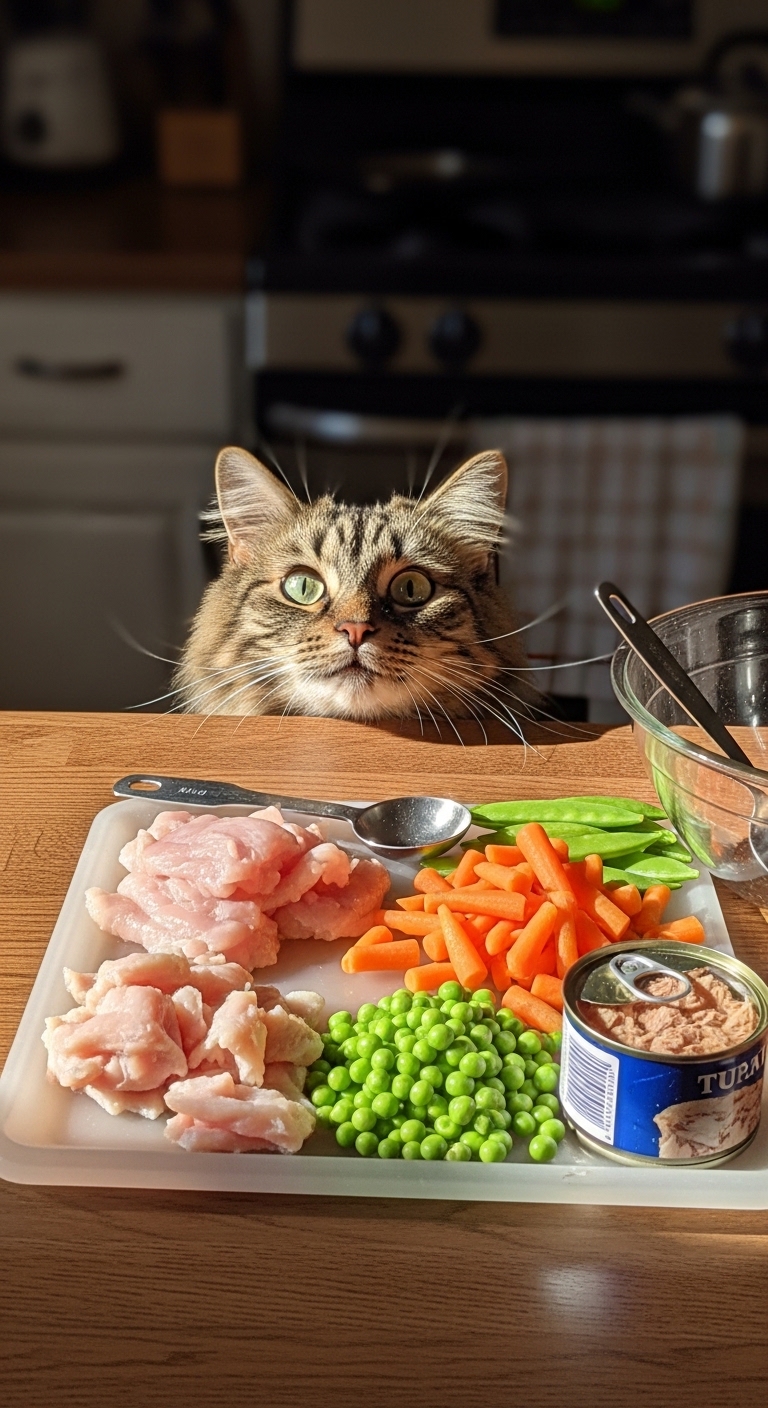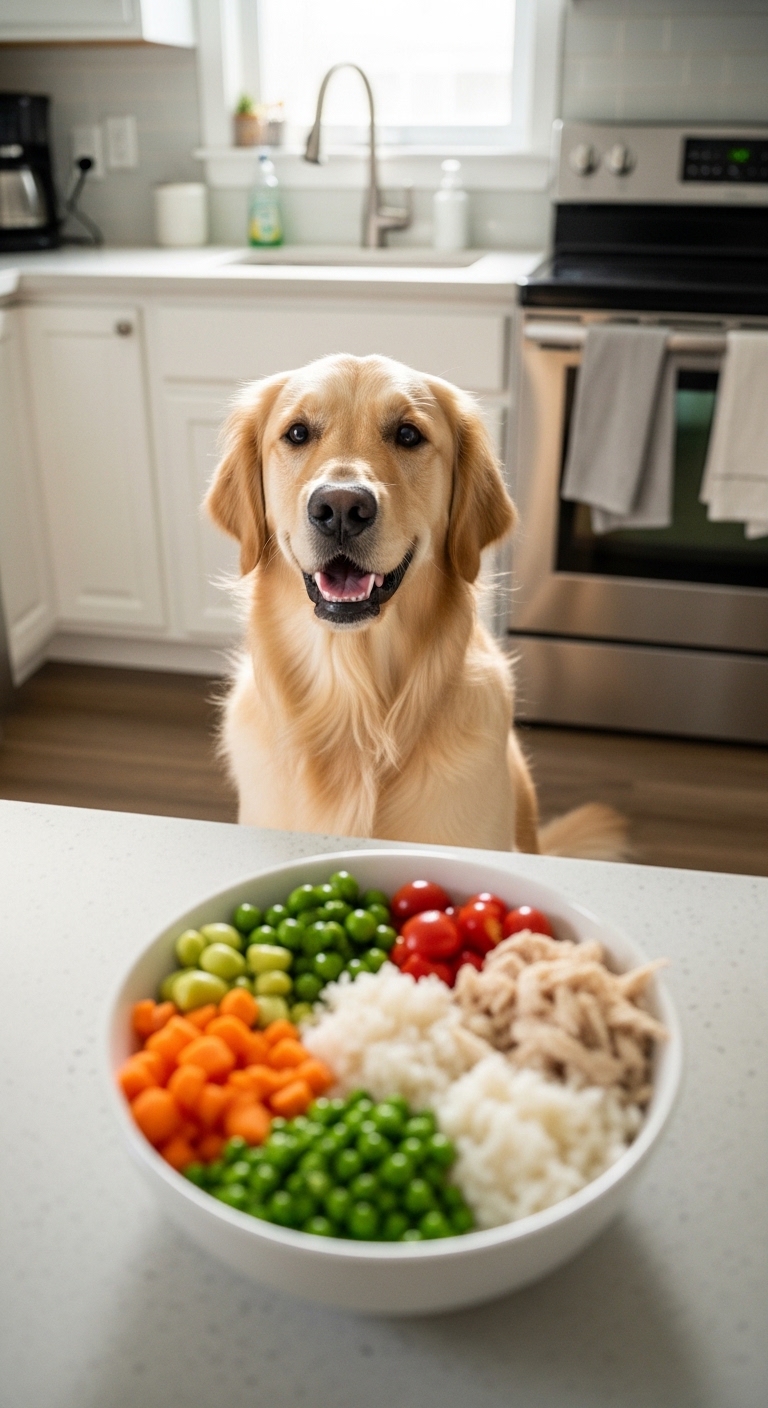
Homemade food for Ragdoll cats isn’t just about saving money: it’s about giving your gentle giant the fresh, high-quality nutrition they deserve. Ragdolls thrive on protein-rich diets with the right balance of fats and nutrients, but commercial options often fall short. Many owners don’t realize how much control they gain over their cat’s health by preparing meals at home, from avoiding fillers to tailoring ingredients to their cat’s specific needs.
I still remember the first time I switched my Ragdoll to homemade food: her energy levels soared, and her fur became noticeably softer within weeks. It wasn’t just about the food itself, but the peace of mind that came from knowing exactly what she was eating.
Key Things to Understand
- A Ragdoll’s diet should be high in animal protein with moderate fat content: to match their slow metabolism
- Raw meat, cooked poultry, and organ meats: should form the foundation of their meals
- Calcium and taurine supplements: are non-negotiable to prevent heart and bone issues
- Avoid onions, garlic, grapes, and chocolate: which are toxic to cats
- Portion sizes depend on your cat’s weight and activity level: overfeeding leads to obesity
What to Look For
Watch for subtle signs that your Ragdoll’s current diet isn’t working, like dull fur, low energy, or frequent hairballs. These often point to nutritional deficiencies or poor ingredient quality. Pay attention to how your cat reacts after meals: some Ragdolls develop digestive upset from certain proteins or fillers in commercial foods. Freshness matters too. If your cat turns up their nose at homemade meals, it might be because the ingredients weren’t prepared properly or stored correctly. The texture of their stool can also reveal a lot about their digestive health and whether their diet is balanced enough.
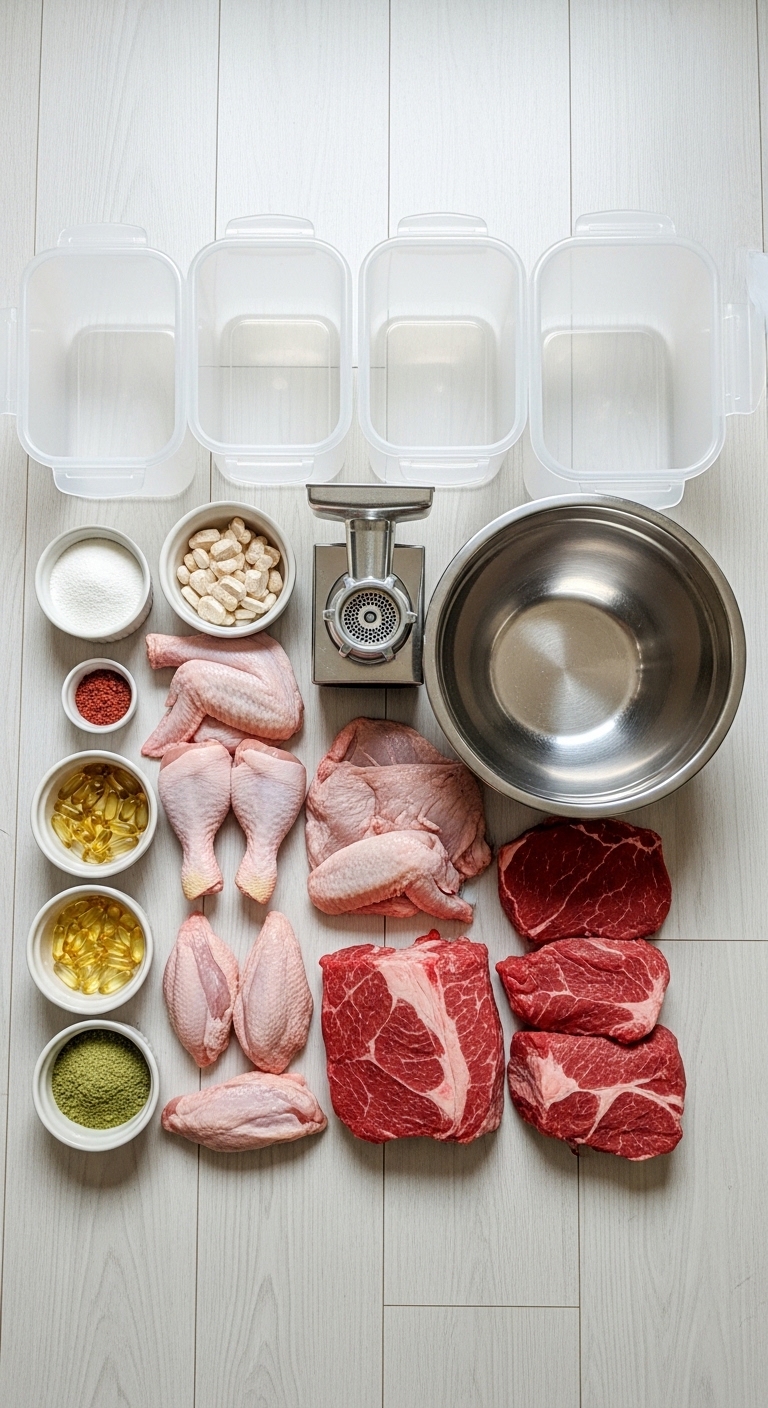
Many owners assume that because they’re feeding fresh food, they don’t need to worry about supplements, but that’s a mistake. Taurine deficiency, for example, can develop silently and lead to serious heart problems. I once met a breeder who switched her Ragdolls to homemade food without adding taurine, only to have one develop dilated cardiomyopathy within months. It was a harsh lesson in how even well-intentioned homemade diets can go wrong without proper balance.
Daily Care Habits
Ragdolls are prone to hairballs due to their long fur, so regular brushing helps reduce ingestion of loose hair. Pair this with a diet rich in fiber from cooked pumpkin or psyllium husk to keep their digestive system moving smoothly. Many owners don’t realize that hydration is just as important as food: consider adding water or low-sodium broth to their meals to encourage drinking, especially if they’re picky about water bowls.
Choosing the Right Product
When selecting ingredients, prioritize human-grade meats like chicken thighs, turkey, or rabbit over cheaper cuts. Organ meats like liver should make up about 10% of the diet for essential vitamins. Avoid ground meats with added preservatives or fillers, as these can disrupt your cat’s digestion. If you’re unsure about sourcing, look for local butchers or farms that raise animals without antibiotics or hormones.
Safety and Comfort
Always wash your hands and prep surfaces thoroughly when handling raw meat to prevent cross-contamination. Ragdolls are large cats, so their food bowls should be wide and shallow to accommodate their broad faces without whisker fatigue. If your cat gobbles food too quickly, try a slow-feeder bowl to reduce the risk of choking or vomiting. Temperature matters too: serve food at room temperature to enhance aroma and palatability.
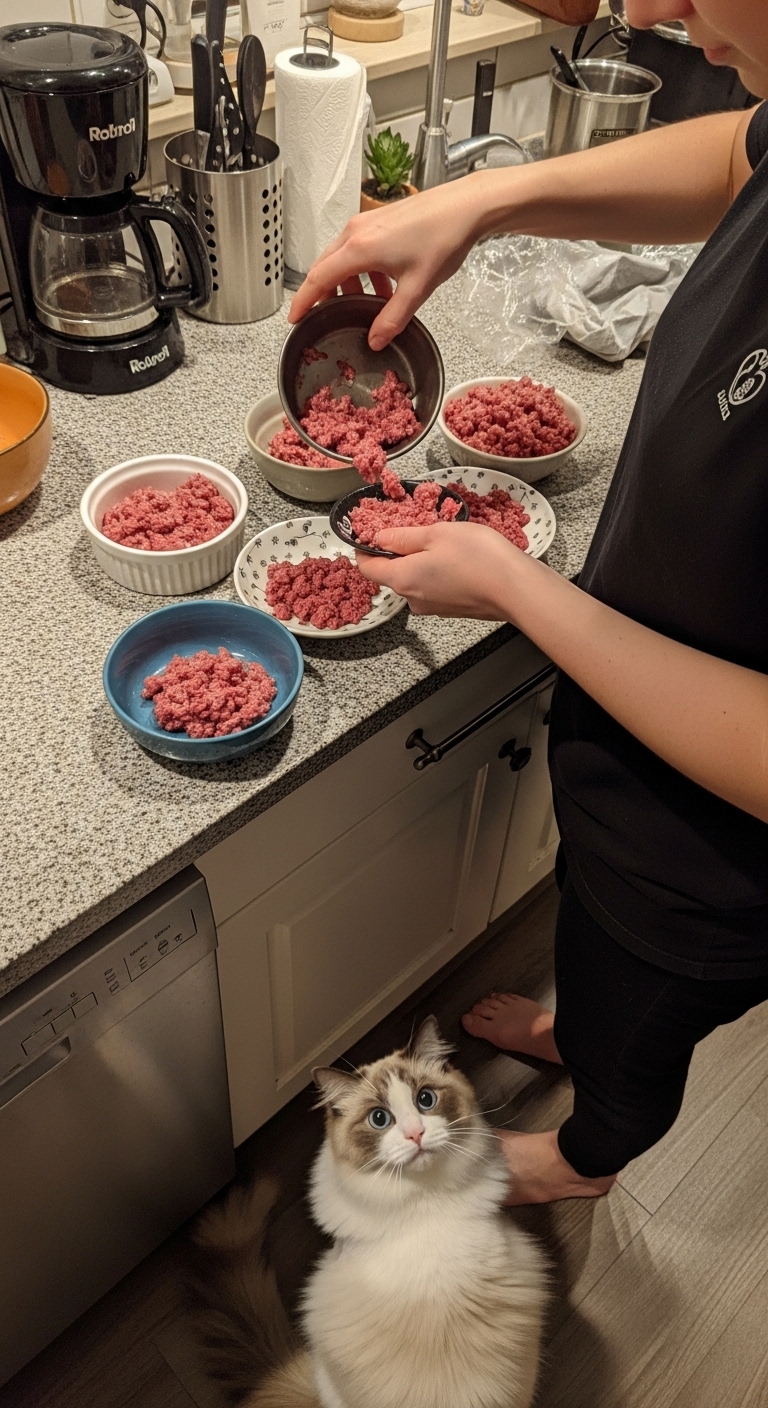
Switching to homemade food can transform your Ragdoll’s health, but balance and caution are key. Always prioritize their nutritional needs over convenience.
Frequently Asked Questions
- → What are the benefits of homemade cat food for Ragdolls?
Homemade food allows you to avoid artificial preservatives, fillers, and low-quality ingredients often found in commercial cat food. It ensures your Ragdoll gets fresh, high-quality proteins and nutrients tailored to their needs, which can improve digestion, coat health, and energy levels.
- → Can I use raw meat in homemade Ragdoll cat food?
Raw diets can be an option, but they require careful handling to prevent bacterial contamination like salmonella. Consult your vet before introducing raw food, and ensure it’s balanced with essential nutrients like taurine, calcium, and vitamins to meet your cat’s dietary needs.
- → How do I transition my Ragdoll to homemade food?
Start by mixing a small portion of homemade food with their current diet, gradually increasing the ratio over 7-10 days. This slow transition helps prevent digestive upset and allows your cat to adjust to the new food without stress.
- → What ingredients should I avoid in homemade cat food?
Avoid toxic ingredients like onions, garlic, chocolate, grapes, raisins, alcohol, and xylitol. Also, steer clear of excessive salt, spices, or fatty cuts of meat. Always research safe alternatives or consult your vet for guidance.
- → How much homemade food should I feed my Ragdoll?
The portion size depends on your cat’s weight and activity level, typically 2-3% of their body weight daily. For example, a 10-pound Ragdoll may need about 4-6 ounces of food per day, split into two meals. Adjust based on your cat’s energy and health needs.
- → Can homemade food help with my Ragdoll’s allergies?
Yes! Homemade food lets you control ingredients, making it easier to identify and avoid allergens like certain proteins or grains. Work with your vet to pinpoint allergies and create a customized diet plan for your cat’s specific needs.