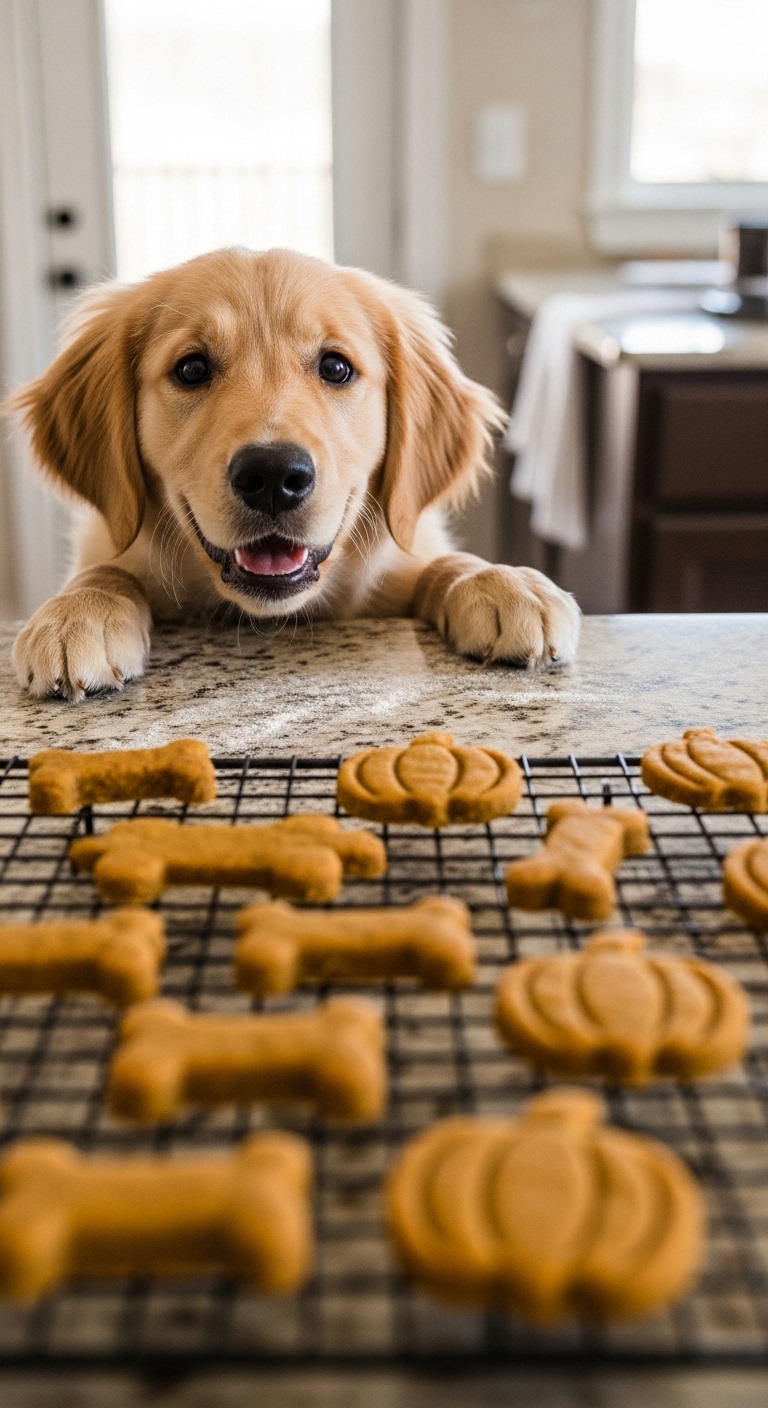
All-natural dog treats might seem like just another snack for your pup, but they can make a real difference in their health and happiness. Many store-bought treats are packed with fillers, artificial flavors, and preservatives that can leave your dog feeling sluggish or even contribute to long-term health issues. Switching to all-natural options means you’re giving your dog something that’s closer to what nature intended: no surprises, just pure, wholesome ingredients.
I remember when my own dog started turning his nose up at store-bought treats. Once I switched to all-natural options, his energy levels improved, and even his coat looked shinier. It was a small change that made a noticeable difference in his daily routine.
Key Things to Understand
- Ingredient list: All-natural treats should have a short, recognizable ingredient list with no artificial additives.
- Protein sources: Look for treats made with single protein sources like chicken, beef, or fish to avoid allergens.
- Natural flavors: Avoid products labeled as "natural flavors," which can still hide artificial ingredients.
- Freshness: Check the expiration date and storage instructions to ensure freshness.
- Texture and size: Consider the texture and size of the treat based on your dog’s chewing habits.
What to Look For
When shopping for all-natural dog treats, the first thing to examine is the ingredient list. Real all-natural treats will have ingredients you recognize, like chicken, sweet potato, or oats, rather than chemical-sounding names. If you see "natural flavors" or "meat meal" without further explanation, that’s a red flag. The simpler the ingredient list, the better.
Texture matters too. Some dogs prefer soft, chewy treats, while others love crunchy ones. If your dog is a vigorous chewer, look for treats that are firm enough to hold up but not so hard they could damage teeth. For senior dogs or those with dental issues, softer treats might be the better choice.
Another thing to watch for is the treat’s size relative to your dog. Tiny treats are great for training, but larger dogs might need bigger pieces to satisfy their chewing instincts. Pay attention to how your dog reacts after eating a new treat: some dogs may have sensitivities even to natural ingredients like grains or certain proteins.
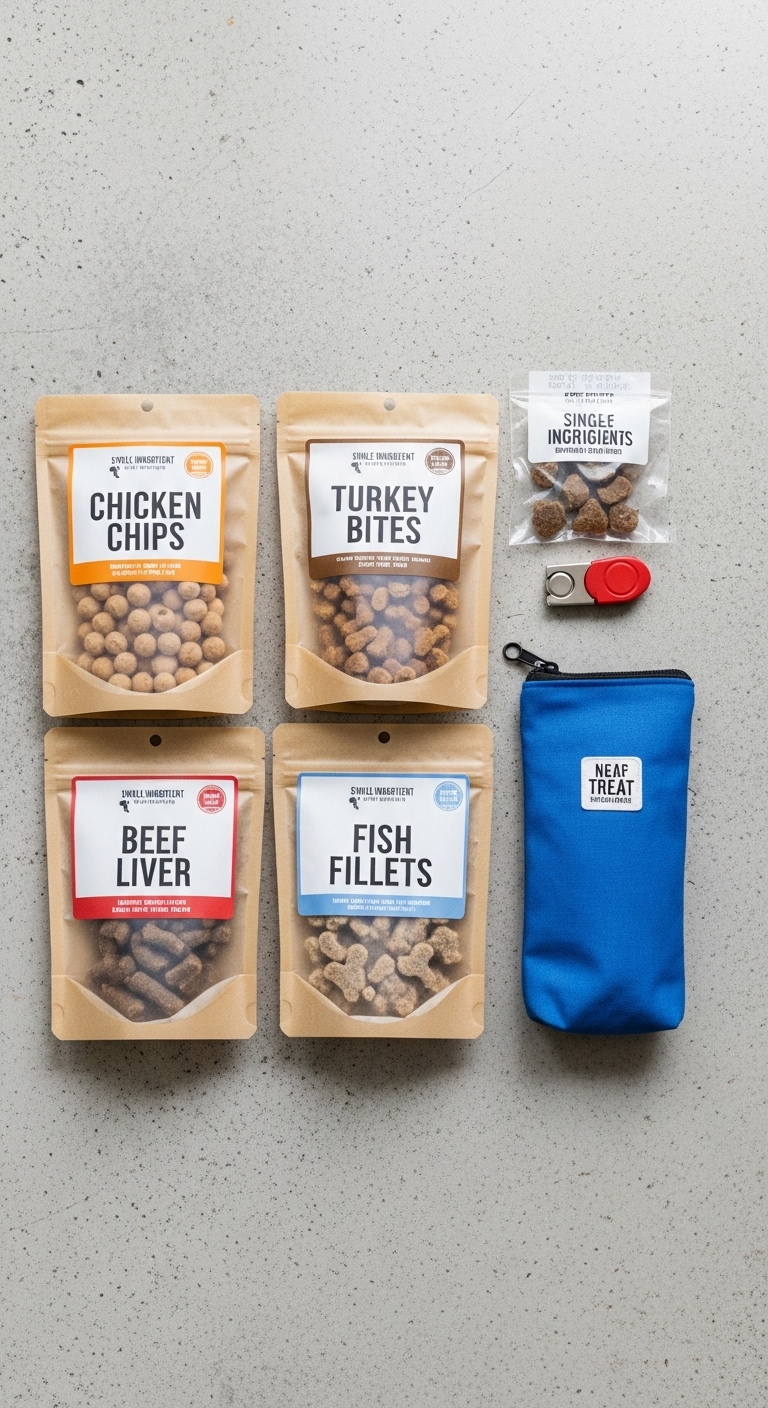
It’s easy to assume that "all-natural" means "healthy," but that’s not always the case. Some natural treats can still be high in fat or calories, which might not be ideal for less active dogs. I once bought a bag of salmon treats thinking they were a great choice, only to realize they were packed with calories: my dog gained a few pounds before I noticed the issue.
Choosing the Right Product
Not all all-natural dog treats are created equal, and what works for one dog might not suit another. Start by considering your dog’s size and chewing style. Small breeds or puppies need smaller, softer treats they can eat quickly during training sessions. Larger breeds or heavy chewers benefit from tougher, longer-lasting treats that can keep them occupied.
Your dog’s age also plays a role in the right treat choice. Puppies have different nutritional needs than adult dogs, and senior dogs might require softer options that are easier to chew. If your dog has food sensitivities, look for treats made with limited ingredients or novel proteins like duck or venison to reduce the risk of allergic reactions.
Safety and Comfort
Even with all-natural treats, safety should always come first. Always supervise your dog while they’re enjoying a treat, especially if it’s their first time trying a new one. Watch for signs of choking, gagging, or digestive upset like vomiting or diarrhea. If your dog has a history of pancreatitis or other digestive issues, opt for low-fat treats and introduce them slowly.
Comfort extends beyond just the treat itself. Some dogs may develop sensitivities to certain natural ingredients over time. If you notice your dog scratching more, developing a rash, or showing signs of an upset stomach after eating a particular treat, it’s time to switch to something different. Keep a food diary to track how your dog reacts to different treats.
Daily Care Habits
Incorporating all-natural treats into your dog’s daily routine can be simple and rewarding. Use small treats for training sessions to reinforce good behavior: just remember to account for the extra calories in their daily food intake. You can also use treats as a way to bond with your dog, offering them during cuddle time or while you’re preparing their meals.
For dogs who love to chew, all-natural treats can serve as a healthy distraction. Try freezing some treats for a longer-lasting challenge, especially on hot days when your dog might be more restless. Just be mindful of how many treats your dog gets in a day to avoid overfeeding.
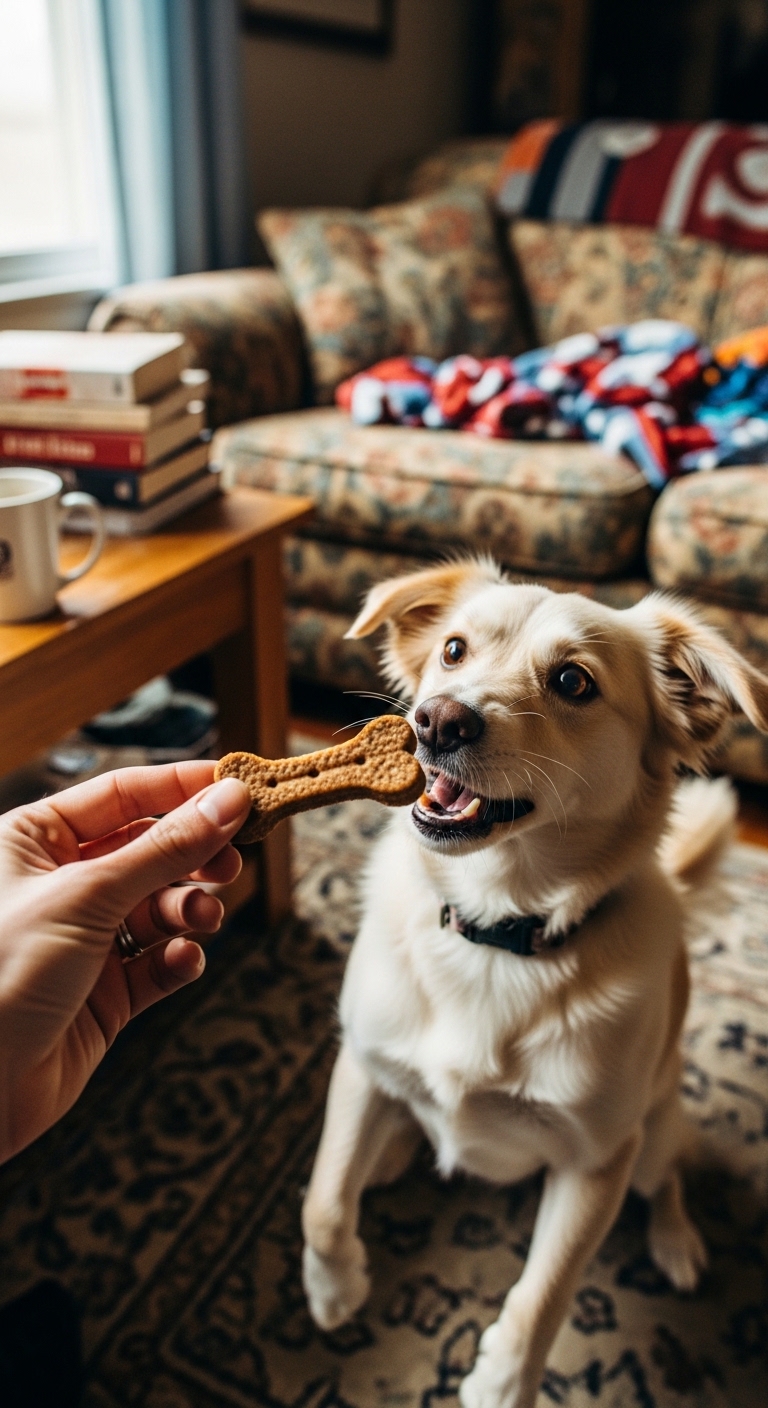
Making the switch to all-natural dog treats is one of the easiest ways to improve your dog’s diet without overhauling their entire routine. It’s not about perfection: just progress.
Frequently Asked Questions
- → What ingredients are safe for all-natural dog treats?
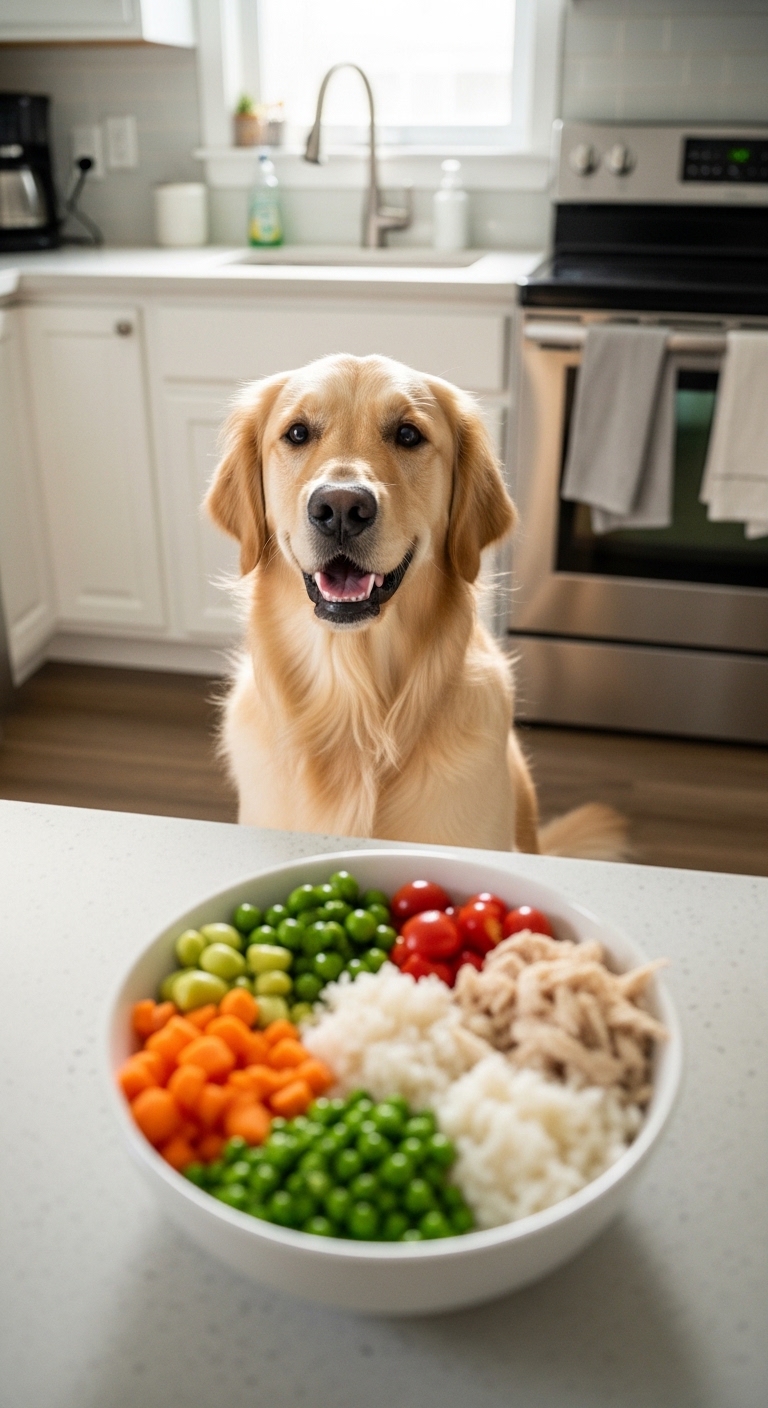
Safe ingredients include oats, peanut butter (xylitol-free), pumpkin, sweet potatoes, carrots, eggs, and lean meats like chicken or turkey. Always avoid toxic foods like chocolate, grapes, onions, and xylitol.
- → How long do homemade dog treats last?
Homemade treats typically last up to two weeks when stored in an airtight container at room temperature. For longer storage, freeze treats for up to three months.
- → Can I use these treats for dogs with allergies?
Yes, you can customize recipes to avoid common allergens. Use grain-free flours like coconut or almond flour, and substitute proteins like fish or duck if your dog is sensitive to chicken.
- → What’s the best way to bake dog treats?
Bake treats at 350°F (175°C) for 15-25 minutes, depending on thickness. They’re done when firm and lightly golden. Cool completely before serving to prevent burning.
- → Are these treats suitable for puppies?
Puppies can enjoy these treats in moderation, but ensure ingredients are age-appropriate. Avoid hard or large pieces that could pose a choking hazard. Consult your vet for specific dietary advice.
- → How can I make treats more appealing to picky eaters?
Add a drizzle of low-sodium broth or a sprinkle of grated cheese to enhance flavor. Shape treats into fun forms or use cookie cutters for visual appeal. Always introduce new treats gradually.