Crafting homemade cat food can feel overwhelming at first, but it’s one of the best ways to ensure your cat gets fresh, high-quality nutrition without mystery ingredients. Many commercial options are packed with fillers and preservatives that don’t align with a cat’s natural dietary needs. By preparing meals at home, you control exactly what goes into their bowl, whether that’s lean protein, essential vitamins, or healthy fats. Plus, cats often find homemade food more appealing, which can be a game-changer if you’ve ever struggled with a picky eater.
I still remember the first time I made a batch of homemade cat food for my own cat. At first, I was nervous about getting the ratios right, but after a few tweaks, I noticed her coat became shinier and she had more energy. It turned out to be worth the effort: she devoured every bite, and I felt better knowing exactly what she was eating.
Key Things to Understand
- Cats are obligate carnivores: Their diet must include animal protein as the main ingredient.
- A balanced homemade diet requires more than just meat: It needs supplements like taurine, calcium, and essential fatty acids.
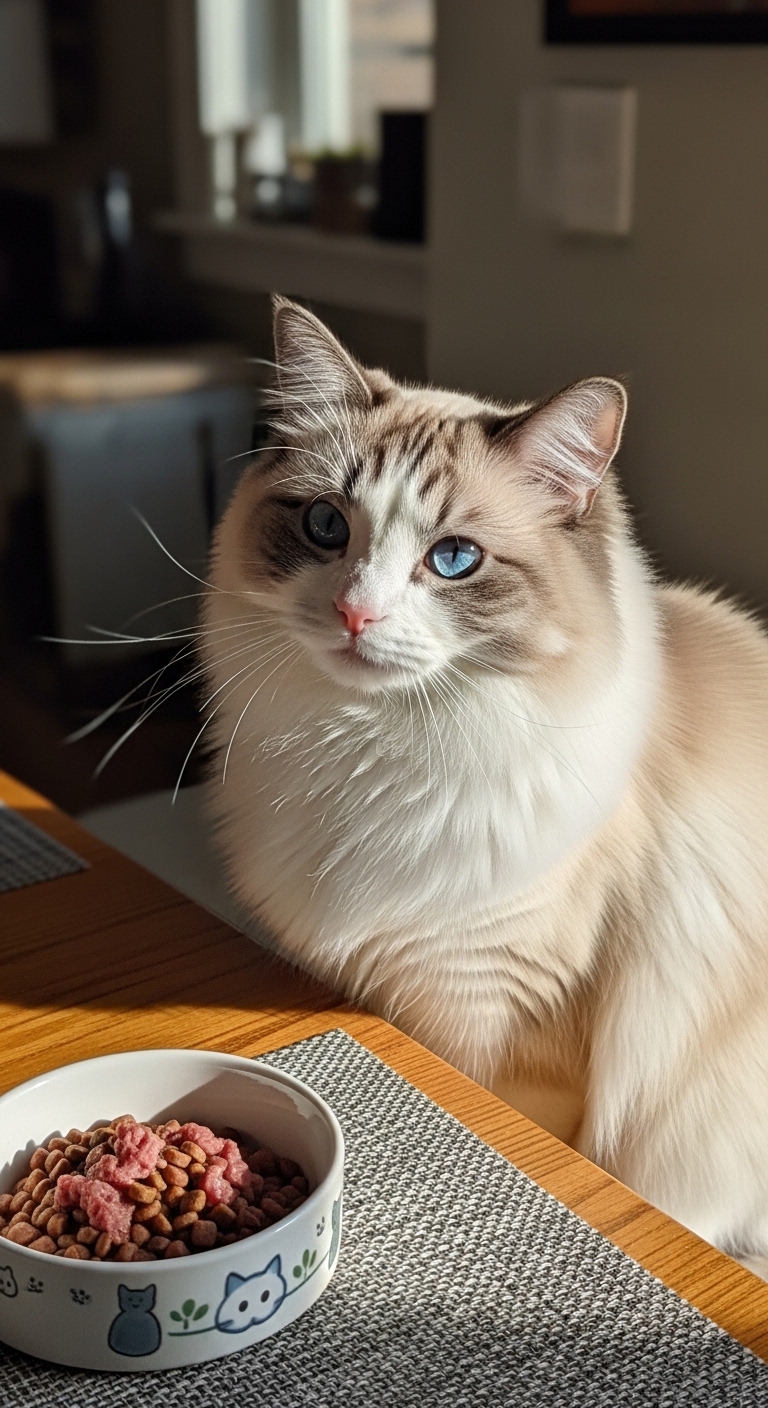
- Raw or cooked food can both work: Each has different preparation and safety considerations.
- Portion sizes should be carefully measured: Base them on your cat’s weight and activity level.
- Always introduce new foods gradually: This helps avoid digestive upset.
What to Look For
Pay attention to your cat’s energy levels and coat condition after switching to homemade food. A healthy cat should maintain a glossy coat, clear eyes, and steady weight without drastic changes. If you notice lethargy, dull fur, or weight loss, it could signal a nutritional imbalance or an issue with the recipe. Also, observe their litter box habits: firm but not hard stools are a good sign that the food is agreeing with them. Another clue is their enthusiasm at mealtime. If they’re turning their nose up at the food or eating reluctantly, it might mean the texture or smell isn’t quite right for their preferences.
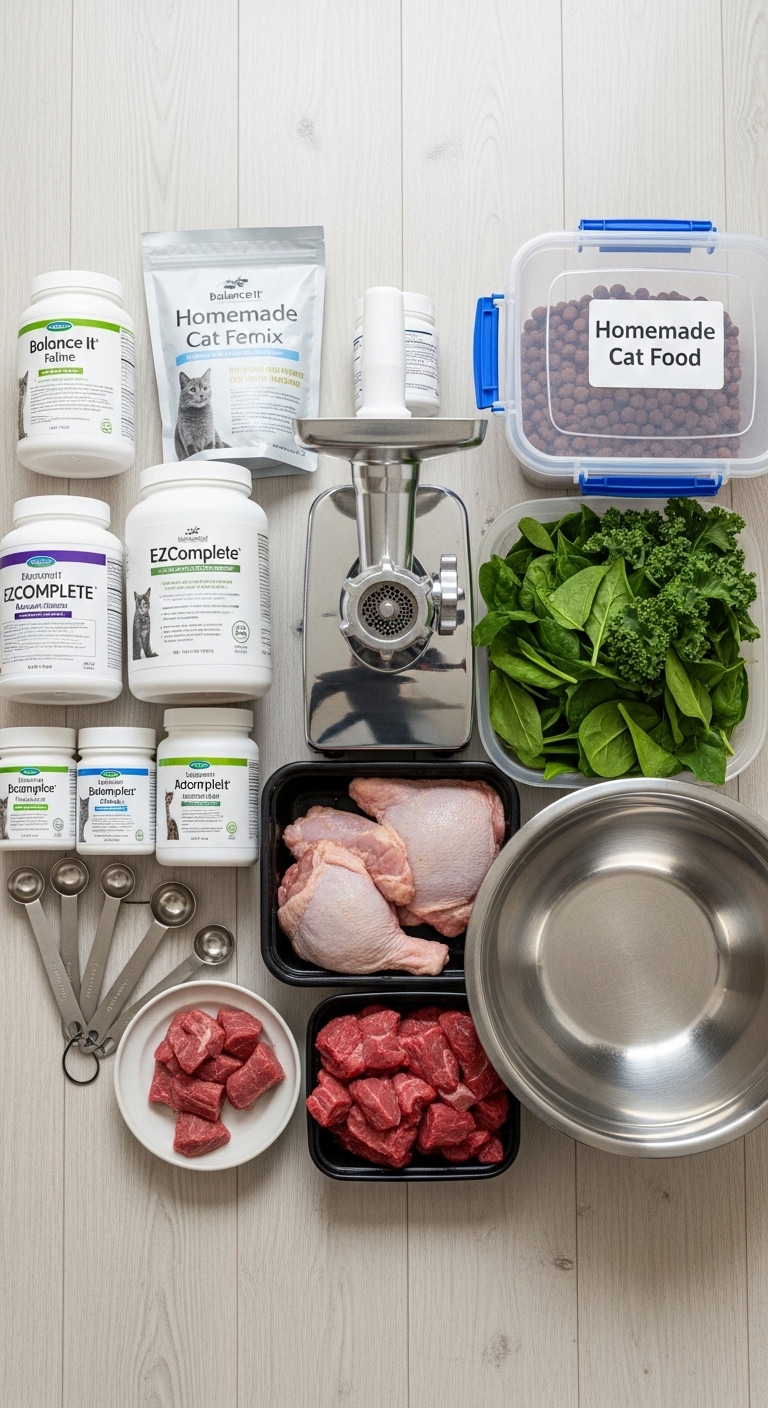
I once met a cat owner who switched to homemade food without adding taurine supplements. Within months, her cat developed severe heart issues. It was a tough lesson, but it showed me just how critical it is to get the details right. Another common mistake is assuming that chicken alone is enough: without proper calcium sources, cats can develop bone problems over time. Always double-check your recipes against veterinary guidelines to keep your cat safe.
Daily Care Habits
Start by preparing small batches of food and storing them in airtight containers in the fridge for up to three days. Freezing portions in ice cube trays makes it easy to thaw just the right amount when needed. Keep a feeding journal for the first few weeks to track how your cat responds to different recipes. If you notice any changes in appetite or digestion, adjust the ingredients accordingly. Consistency is key: try to feed homemade meals at the same times each day to help your cat adjust.
Choosing the Right Product
If you’re not ready to make food from scratch, look for high-quality commercial options labeled as "complete and balanced." Check the ingredient list for named protein sources like chicken or turkey as the first ingredient, and avoid products with excessive fillers like corn or wheat. Wet food is often a better choice than dry kibble because it provides more moisture, which is crucial for a cat’s hydration. When in doubt, ask your vet for recommendations tailored to your cat’s specific needs.
Safety and Comfort
Always wash your hands and utensils thoroughly after handling raw meat to prevent cross-contamination. If you’re using raw ingredients, source them from reputable suppliers to minimize the risk of bacteria like salmonella. Store homemade food away from other human foods in the fridge or freezer to avoid accidental ingestion. Watch for signs of food allergies, such as itching or digestive upset, and switch ingredients if needed. Comfort also means ensuring the food is served at room temperature, as cold or hot food can be unappealing.
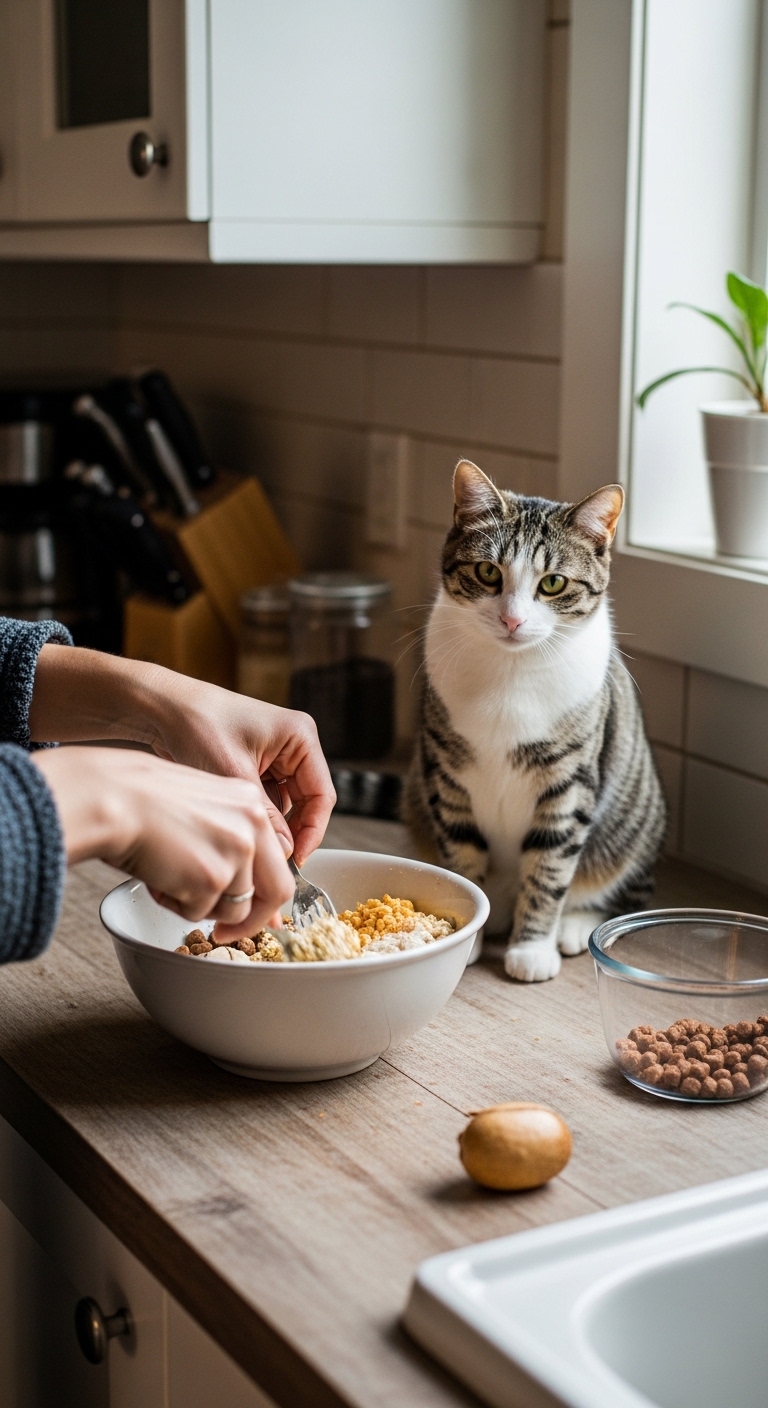
If you’re new to homemade cat food, it’s okay to take it slow. My own journey started with just one homemade meal a week before I built up confidence. The key is patience and observation: your cat’s health and happiness will show you whether you’re on the right track.
Frequently Asked Questions
- → Are homemade cat food recipes healthier than store-bought?
Homemade cat food can be healthier if properly balanced with essential nutrients like taurine, which is crucial for feline health. Store-bought food is formulated to meet these needs, so consult your vet before making the switch.
- → What proteins work best for homemade cat food?
Lean meats like chicken, turkey, and rabbit are excellent choices. Cook thoroughly and avoid fatty cuts or seasonings. Fish like salmon can be used occasionally but should not be a staple due to mercury concerns.
- → How do I store homemade cat food?
Store in airtight containers in the fridge for up to 3 days or freeze in portioned containers for up to 3 months. Thaw in the fridge before serving and avoid refreezing.
- → Can I feed homemade food to kittens?
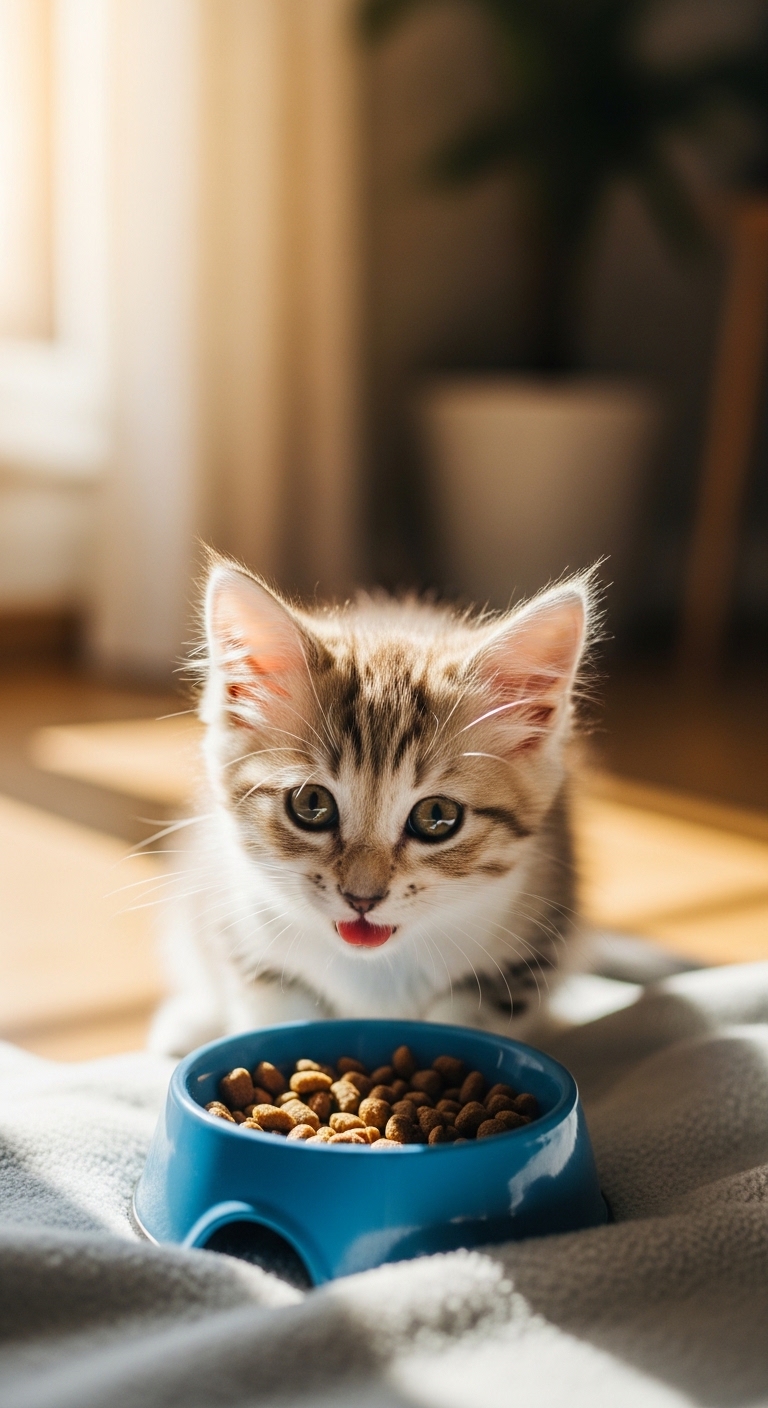
Kittens have specific nutritional needs for growth. Homemade food for kittens must be carefully balanced with higher protein and fat content. Always consult your vet before feeding homemade diets to kittens.
- → What vegetables are safe for cats?
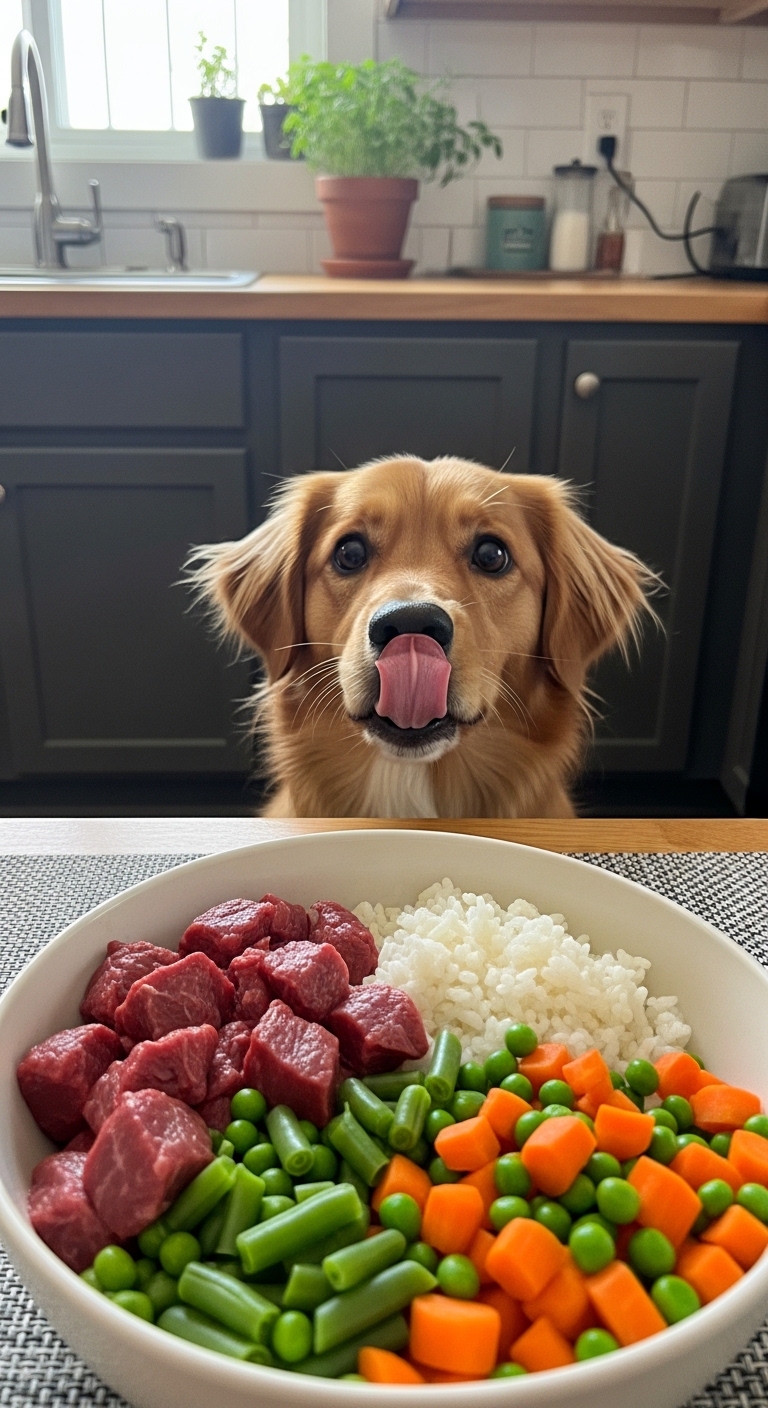
Cooked carrots, green beans, and pumpkin are safe in small amounts. Avoid onions, garlic, and raw potatoes. Always introduce new vegetables gradually to monitor your cat’s reaction.
- → How do I transition my cat to homemade food?
Start by mixing a small amount of homemade food with their current diet, gradually increasing the proportion over 7-10 days. Monitor for digestive issues or changes in appetite during the transition.