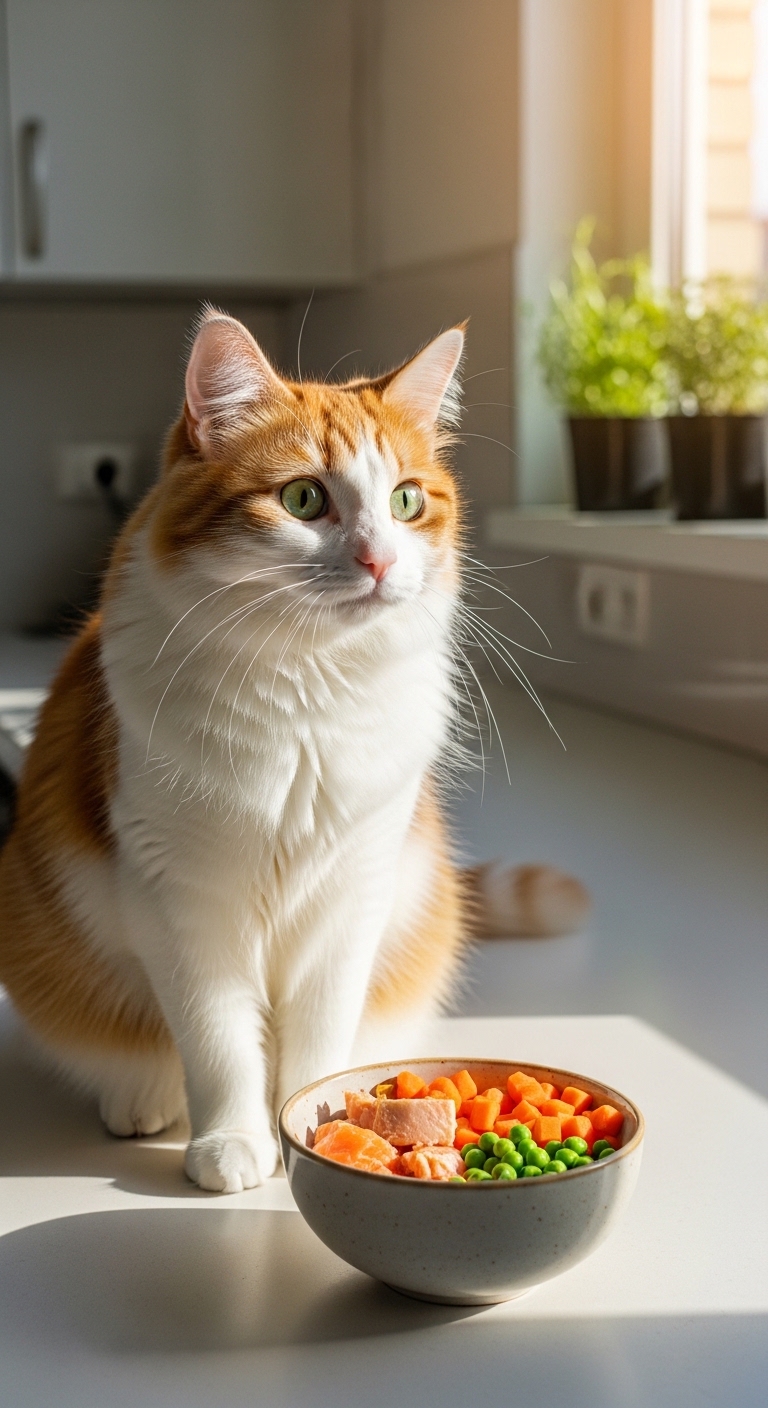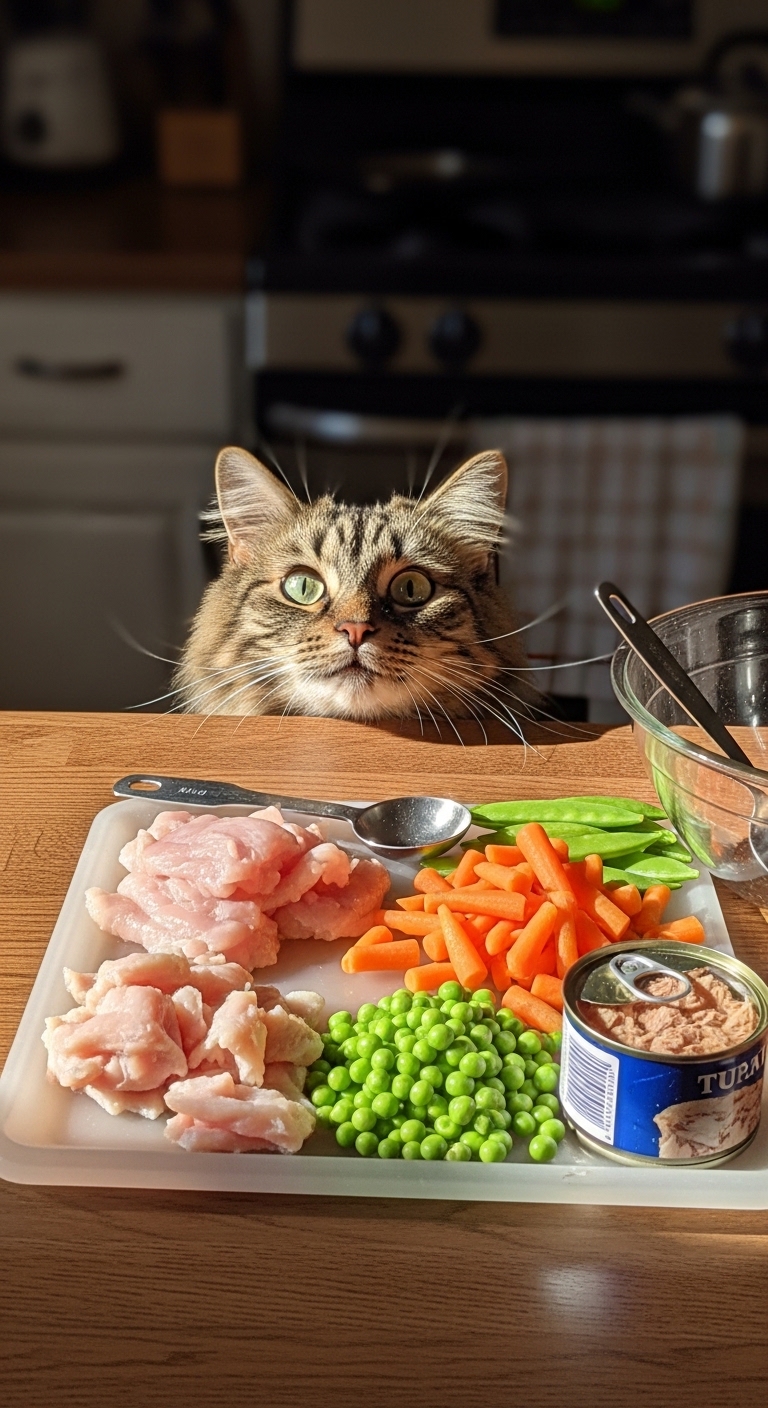
Kitten food isn't just about filling a tiny bowl: it's about setting the foundation for a lifetime of health. The right nutrition at this stage supports rapid growth, strong bones, and a robust immune system. Small mistakes in feeding can lead to long-term issues, so understanding what to feed and how to feed it matters more than many new pet owners realize.
I remember when my first kitten turned his nose up at the food I'd carefully selected, only to realize he needed a different texture. That moment taught me that even the best intentions can go wrong without the right knowledge.
Key Things to Understand
- Growth-specific nutrition: Kittens need food specifically formulated for growth, not adult cat food which lacks essential nutrients
- AAFCO approval: Look for labels that mention AAFCO approval for growth and reproduction: this guarantees balanced nutrition
- Wet vs. dry food: Wet food helps with hydration while dry food can support dental health, but neither should replace fresh water
- Portion control: Portion sizes matter more than you think: overfeeding leads to obesity and joint problems later
- Gradual transitions: Transition foods gradually over 7 to 10 days to avoid stomach upset
What to Look For
Pay attention to your kitten's energy levels after meals. If they seem sluggish or overly hyper, the food might not be the right balance of proteins and fats. Watch their litter box habits too: firm but not hard stools indicate good digestion, while diarrhea or constipation suggests you need to adjust either the food type or portion size. The texture of the food matters as well; some kittens prefer pâté-style while others go for crunchy kibble, and forcing one over the other can lead to mealtime battles.
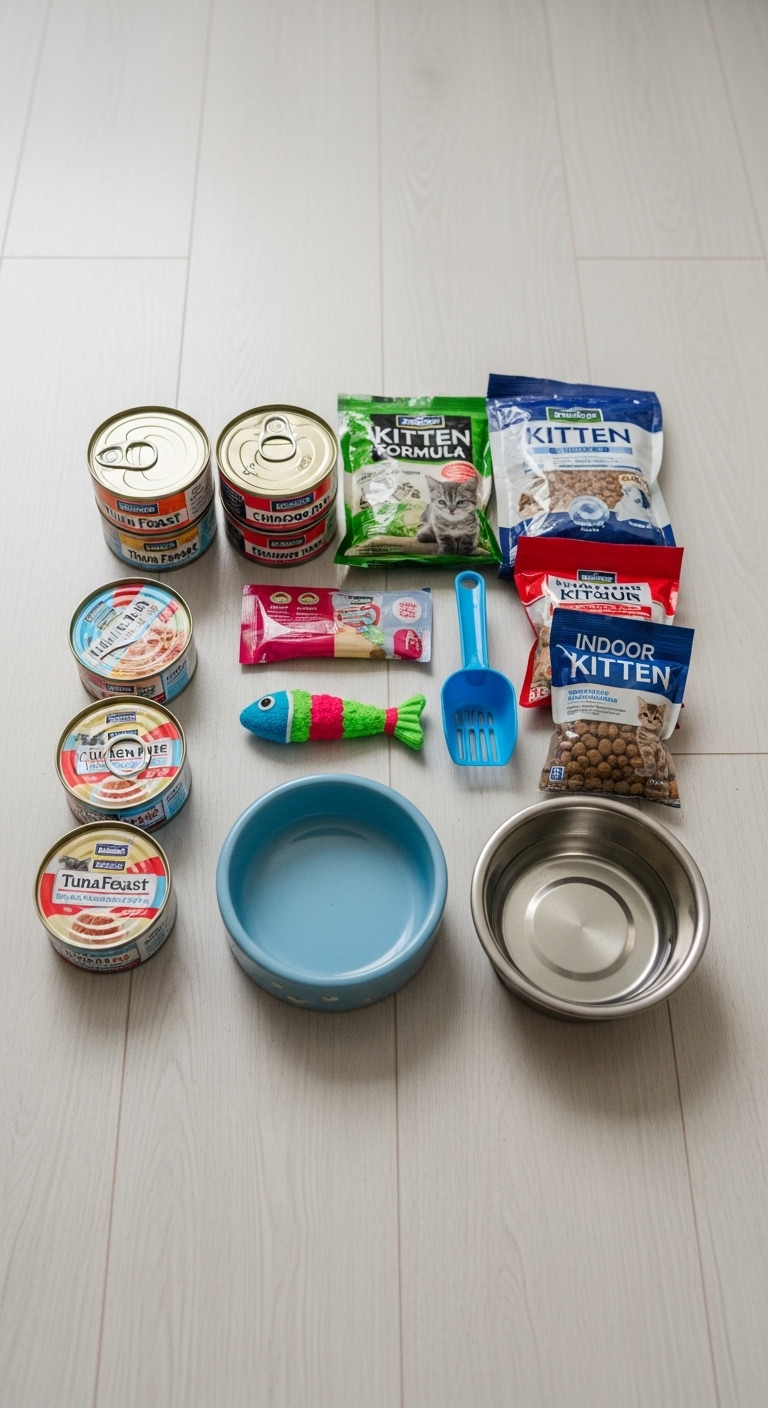
I once met a breeder who swore by raw feeding for kittens until she noticed her litter developing weak bones. She switched to a high-quality commercial formula and saw immediate improvements in their growth and energy. It's a reminder that not all natural approaches work for every kitten.
Daily care habits
Establish a feeding schedule with three to four meals per day for kittens under six months. This mimics how they'd eat in the wild and prevents blood sugar drops. Keep meals consistent in both timing and location to create a sense of security. If you're away during the day, consider an automatic feeder to maintain routine.
Choosing the right product
Start with food labeled for "all life stages" or specifically for "kittens." Check the ingredient list for real meat as the first ingredient, ideally chicken, turkey, or fish. Avoid foods with vague terms like "meat meal" or "animal digest." The guaranteed analysis on the label should show at least 30 percent protein and 9 percent fat for optimal growth.
Safety and comfort
Store kitten food in an airtight container to preserve freshness and prevent contamination. Always wash food bowls daily to avoid bacterial growth, especially important since kittens have developing immune systems. If you're using canned food, refrigerate leftovers and use them within 24 hours to prevent spoilage.
Common mistakes to avoid
Don't free-feed dry kibble unless your vet recommends it. Kittens can easily overeat, leading to rapid weight gain. Another mistake is switching foods too quickly: always mix old and new food gradually over a week to let their digestive system adjust. Some owners also make the error of feeding cow's milk, which can cause diarrhea due to lactose intolerance.
Cleaning and hygiene
Clean your kitten's feeding area daily to remove stray kibble or wet food that could attract pests. Use warm, soapy water for bowls and rinse thoroughly to prevent residue buildup. If you're using a feeding mat, wash it regularly to avoid bacterial growth in spilled food particles.
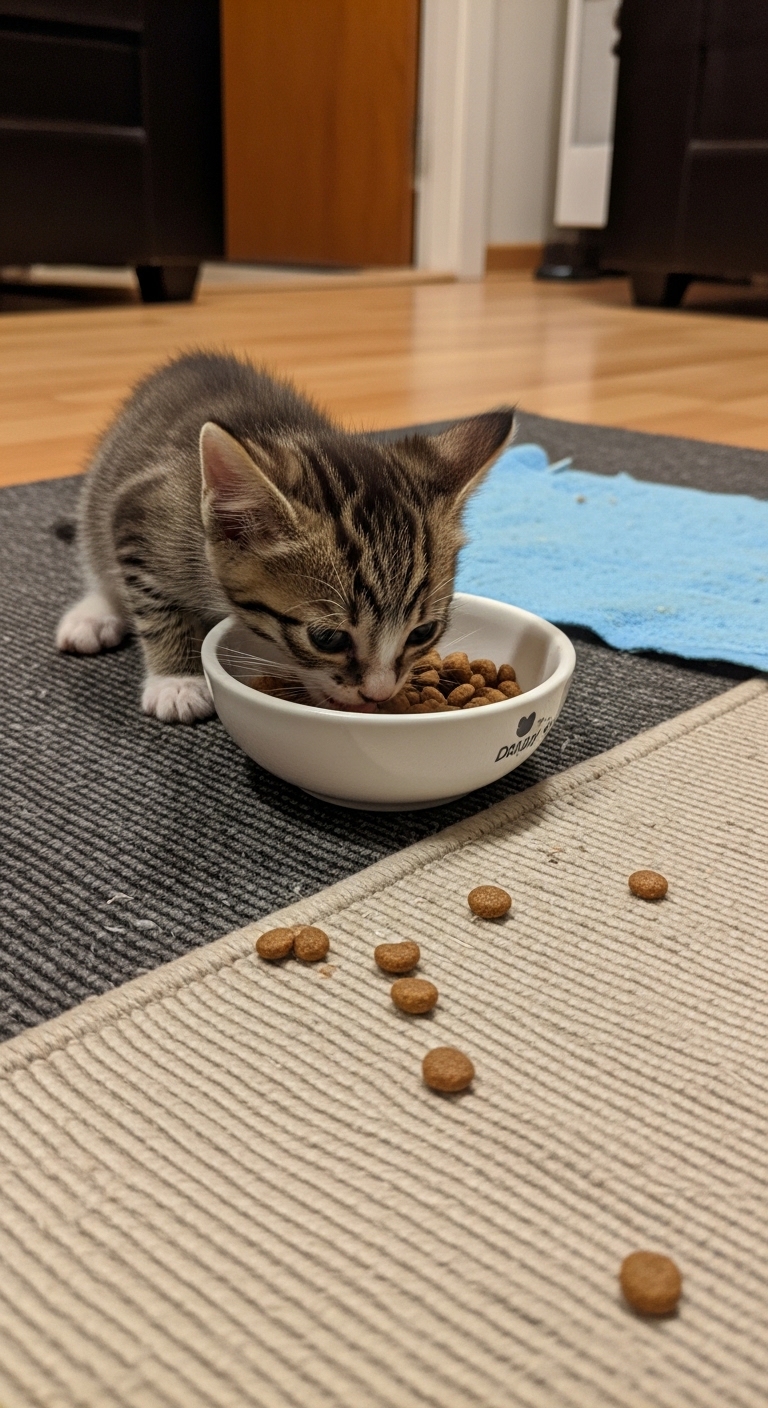
The first few months of feeding set the stage for your kitten's entire life. Small choices now like the right food, proper portions, and consistent routines can prevent health issues down the road.
Frequently Asked Questions
- → What nutrients are essential in kitten food?
Kitten food should be high in protein (30-40%), healthy fats (15-20%), and include essential nutrients like taurine, calcium, phosphorus, and vitamins A, D, and E. These support growth, muscle development, and immune function.
- → How much should I feed my kitten daily?
Feeding amounts depend on age, weight, and brand. Typically, kittens need 4-5 small meals per day. Follow the feeding guidelines on the food package and adjust based on your vet’s recommendations.
- → Wet food vs. dry food: which is better for kittens?
Both have benefits. Wet food provides hydration and is easier to digest, while dry food promotes dental health and is more convenient. A mix of both can offer balanced nutrition.
- → Can I feed my kitten adult cat food?
No. Adult cat food lacks the higher protein and fat levels kittens need for growth. Always choose food labeled specifically for kittens until they’re 12 months old.
- → How do I transition my kitten to new food?
Mix the new food with the old food gradually over 7-10 days. Start with 25% new food and increase the ratio daily to avoid digestive issues like diarrhea or vomiting.
- → What brands are recommended for kitten food?
Top brands include Royal Canin Kitten, Purina Pro Plan Kitten, Hill’s Science Diet Kitten, Blue Buffalo Wilderness Kitten, and Wellness Complete Health Kitten. Choose based on your kitten’s specific needs.