Healthy cat food isn’t just about filling the bowl: it’s about giving your cat the energy to pounce, the coat to shine, and the years to stay playful. What your cat eats directly affects their weight, digestion, and even their mood. A poor diet can lead to sluggish behavior or frequent vet visits, while the right food keeps their immune system strong and their fur soft.
I’ve seen cats go from dull coats and low energy to vibrant and playful just by switching to the right food. It’s one of those changes that quietly transforms your cat’s whole demeanor.
Key Things to Understand
- High protein content is crucial: Cats are obligate carnivores and need animal-based protein to thrive.
- Avoid artificial additives: Artificial colors, flavors, or preservatives add nothing nutritious and can cause allergies.
- Look for named meat sources: Choose foods with specific meats like chicken or turkey instead of vague terms like “meat meal” or “animal digest.”
- Wet vs. dry food benefits: Wet food is often better for hydration, while dry food can help with dental health depending on the formula.
- Grain-free isn’t always better: Some cats do fine with grains, and others need them for digestion.
What to Look For
Pay attention to the first few ingredients listed on the label. They should be whole meats like chicken, turkey, or fish, not by-products or fillers. If the first ingredient is a grain or a vague term like “meat meal,” that’s a red flag. Also, check the protein-to-fat ratio: cats need at least 30% protein in their diet for optimal health.
Look for foods that match your cat’s life stage. Kittens need more fat and protein for growth, while senior cats benefit from lower calories and added joint support. If your cat has a sensitive stomach, avoid foods with common allergens like corn, wheat, or soy. Instead, opt for limited-ingredient formulas with novel proteins like duck or rabbit.
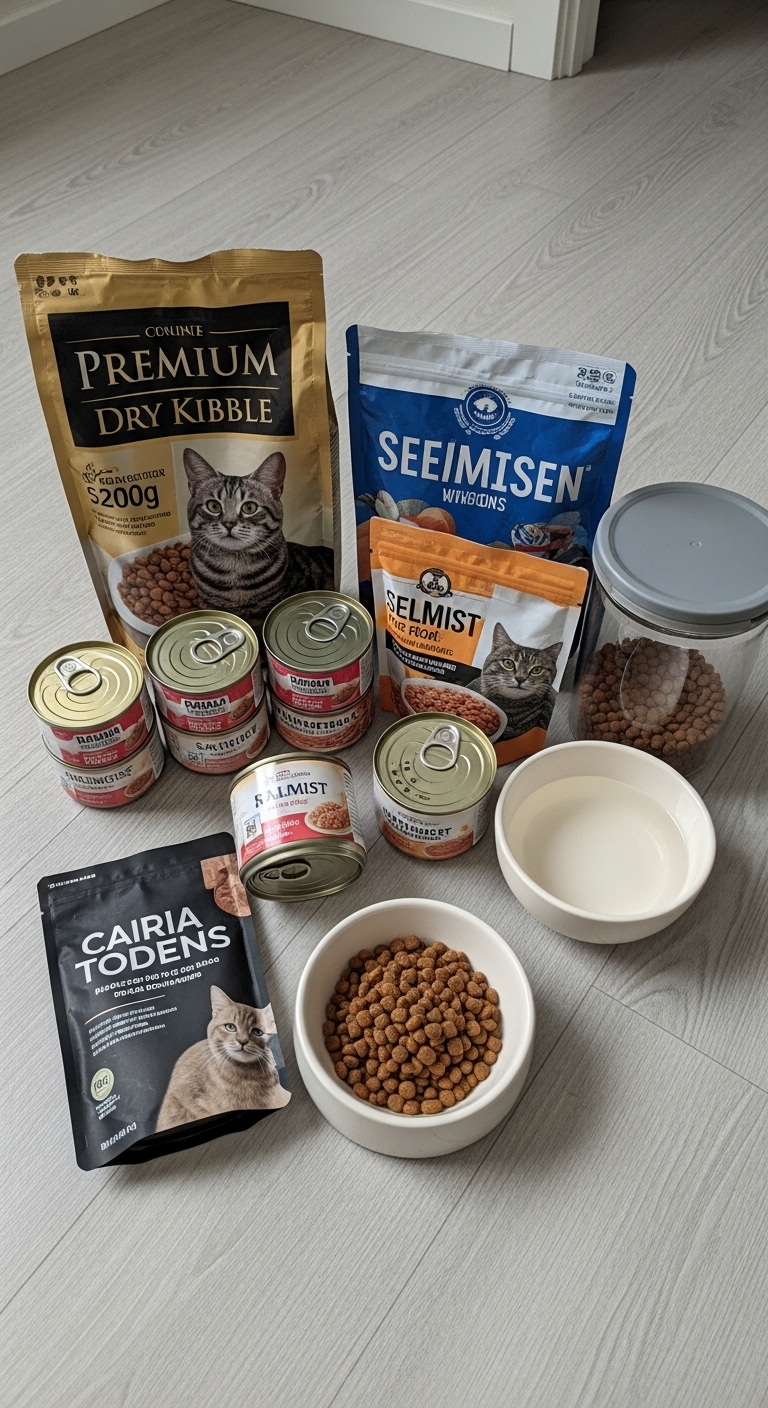
Most cat owners don’t realize how much their cat’s diet affects their energy levels. I’ve had clients whose cats were lethargic and uninterested in play until they switched to a higher-quality food. It’s not just about filling the bowl: it’s about fueling a happy, active life.
Why Protein Quality Matters
Not all proteins are created equal. Animal-based proteins provide all the essential amino acids cats need, while plant-based proteins often lack key nutrients. Foods with real meat as the first ingredient ensure your cat gets the building blocks for strong muscles and a healthy immune system. Cheaper foods might use “meat meal,” which is a rendered product from unspecified sources: essentially mystery meat with lower nutritional value.
The Truth About Grain-Free Diets
Grain-free diets became popular to reduce allergies, but recent studies suggest they might be linked to a serious heart condition called dilated cardiomyopathy (DCM) in some cats. The issue isn’t the grains themselves but the lack of balanced nutrition in poorly formulated grain-free foods. If you choose grain-free, make sure it’s from a reputable brand that includes taurine and other essential nutrients.
Reading Labels Like a Pro
Labels can be tricky. Terms like “natural” or “premium” are marketing buzzwords with no strict definition. Instead, look for certifications like AAFCO (Association of American Feed Control Officials) statements, which confirm the food meets basic nutritional standards. Also, check the guaranteed analysis section for protein, fat, fiber, and moisture content to ensure it aligns with your cat’s needs.
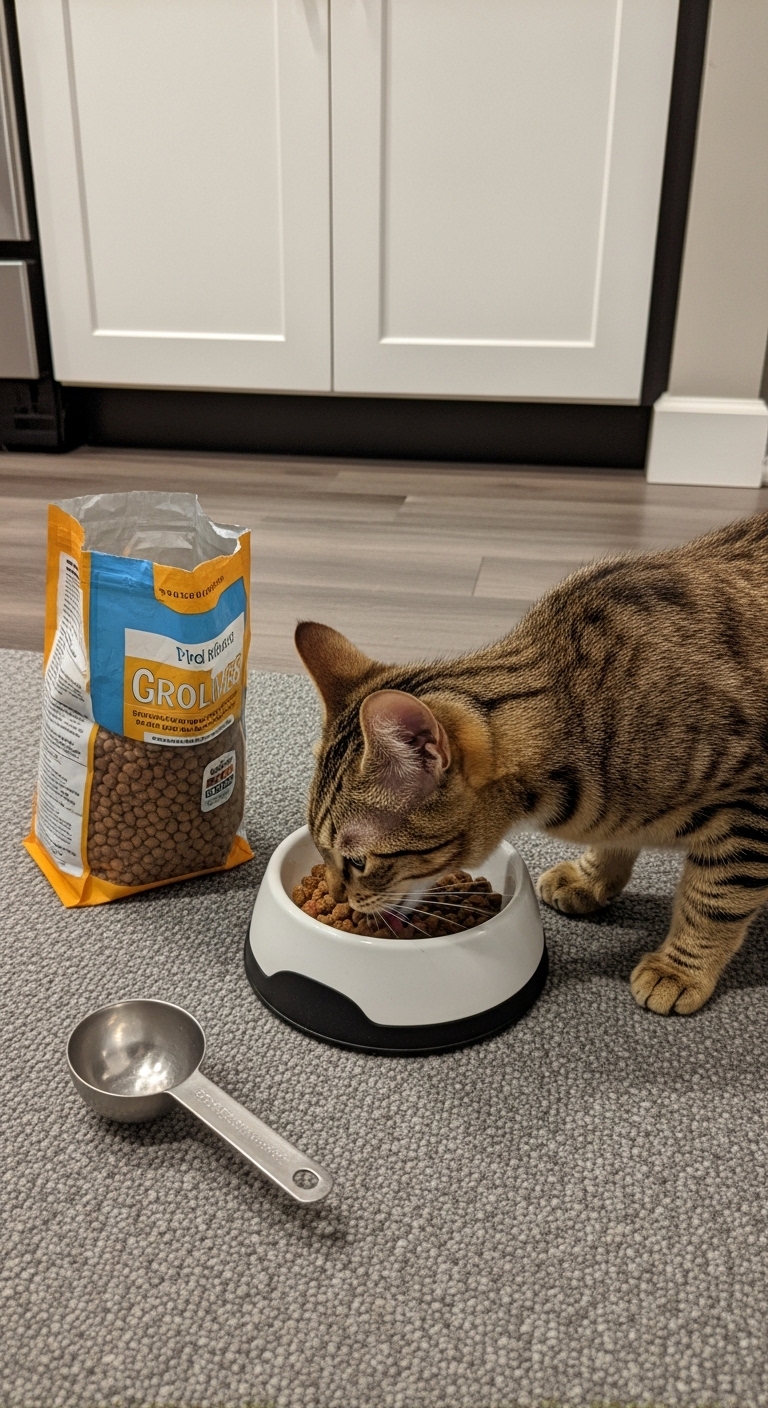
When you see your cat licking their bowl clean with enthusiasm, you’ll know you’ve made the right choice. It’s those small moments that make the effort worth it.
Frequently Asked Questions
- → What makes cat food healthy?
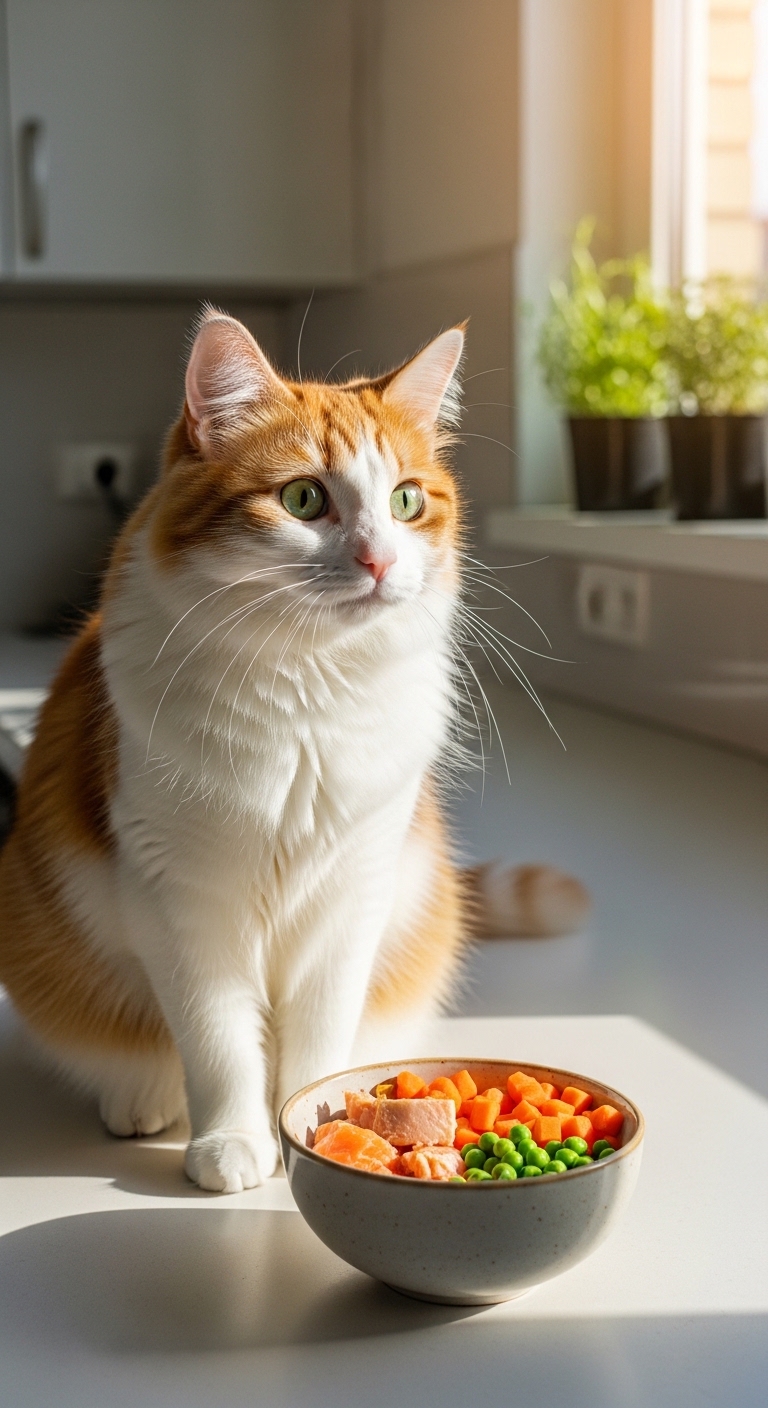
Healthy cat food prioritizes high-quality animal proteins as the first ingredient, avoids artificial preservatives, colors, and flavors, and includes essential nutrients like taurine, omega fatty acids, and vitamins. Look for options with real meat (chicken, turkey, fish) and minimal fillers like corn or wheat.
- → How do I choose the best food for my cat?
Consider your cat's age, activity level, and health needs. Kittens need protein-rich food for growth, while adult cats benefit from balanced nutrition. Senior cats may require joint support or weight management formulas. Always consult your vet for personalized recommendations.
- → Is wet or dry food better for cats?
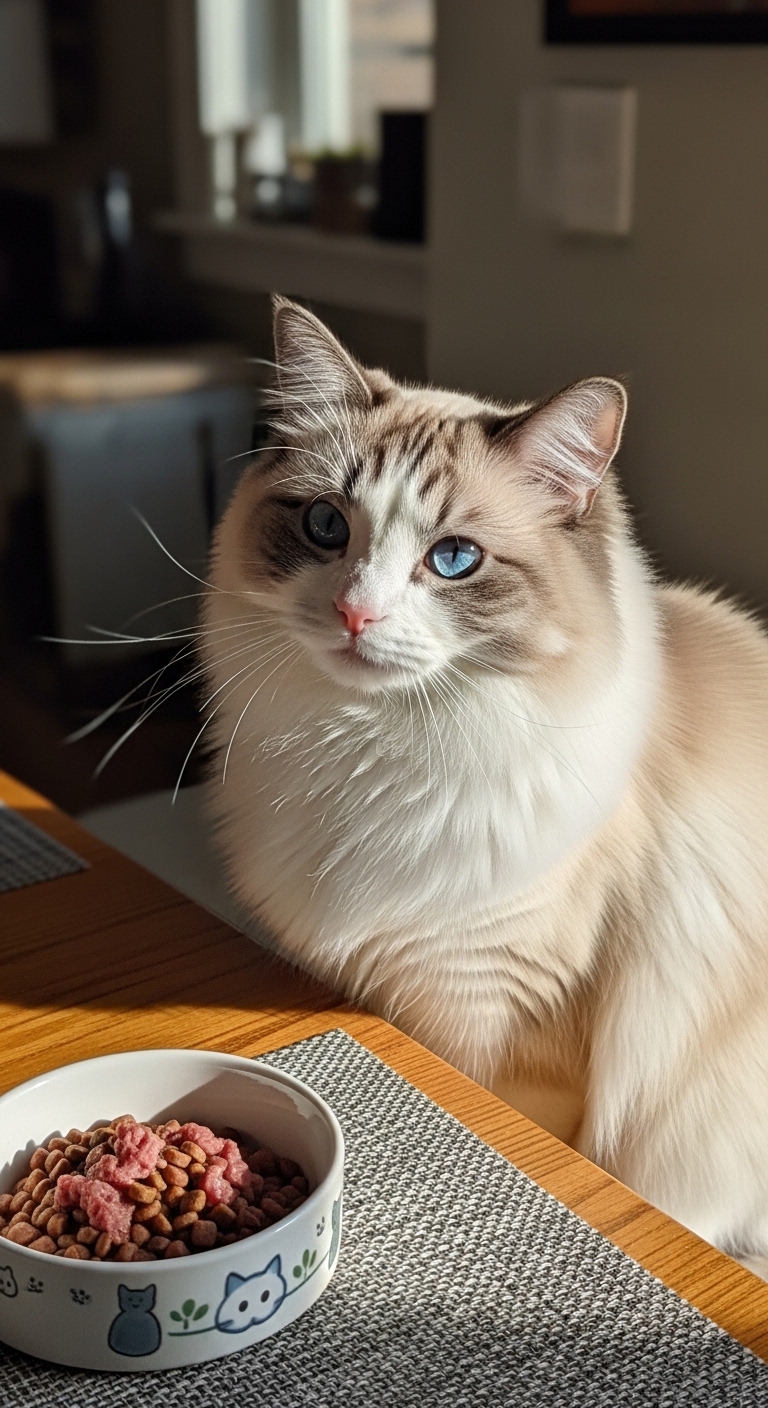
Wet food provides hydration and is ideal for cats that don't drink enough water, while dry kibble offers convenience and dental benefits. Many owners opt for a combination of both to balance nutrition and hydration needs.
- → Can healthy cat food help with weight management?
Yes! Look for weight-control formulas with reduced calories, increased protein, and added fiber to help your cat feel full. Avoid foods with excessive fillers or high carbohydrate content, which can contribute to weight gain.
- → How should I transition my cat to new food?
Gradually mix the new food with the old over 7-10 days, increasing the proportion of the new food each day. This helps prevent digestive upset and allows your cat to adjust to the new taste and texture without stress.
- → What ingredients should I avoid in cat food?
Avoid artificial preservatives (BHA, BHT, ethoxyquin), colors (Red 40, Yellow 5), and flavors. Also steer clear of excessive fillers like corn, wheat, or soy, which offer little nutritional value and can trigger allergies in some cats.