 Pin
Pin
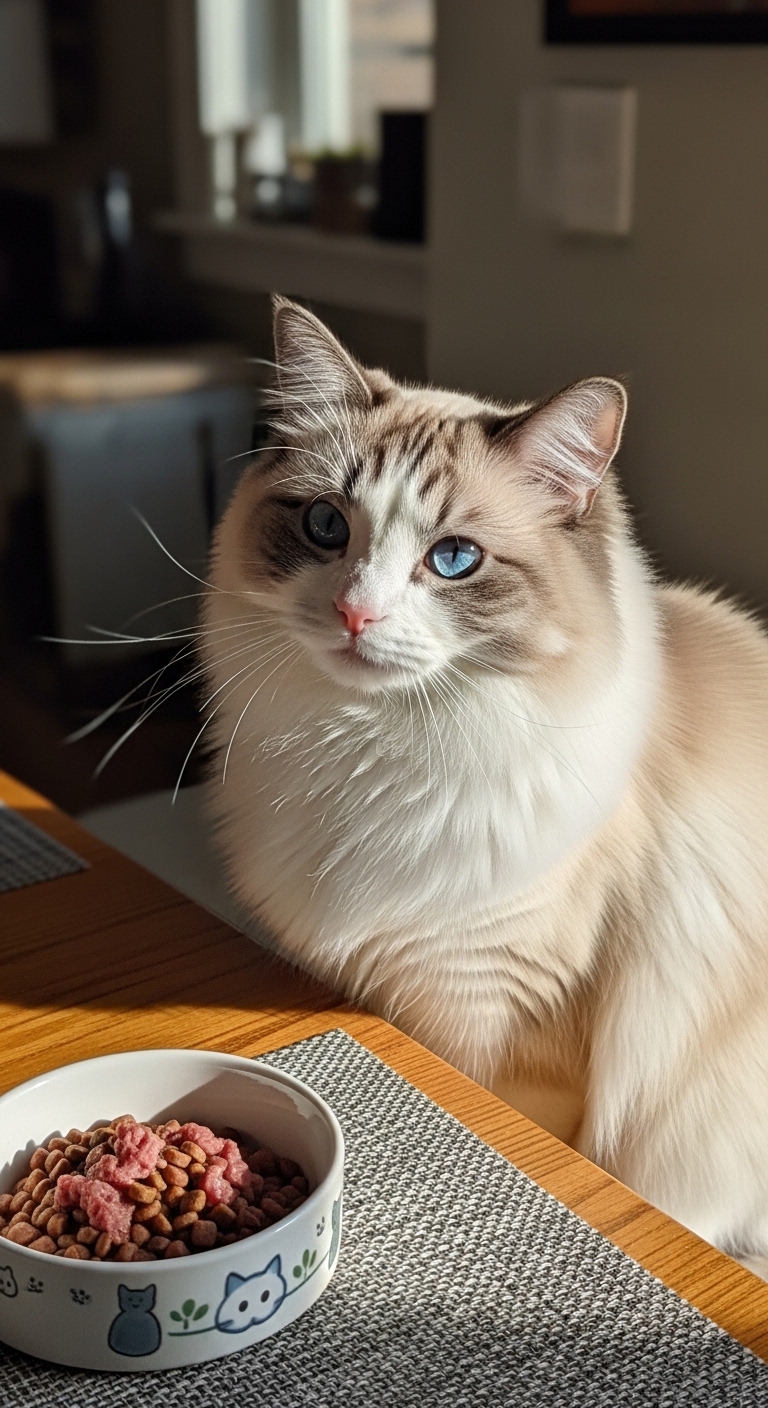
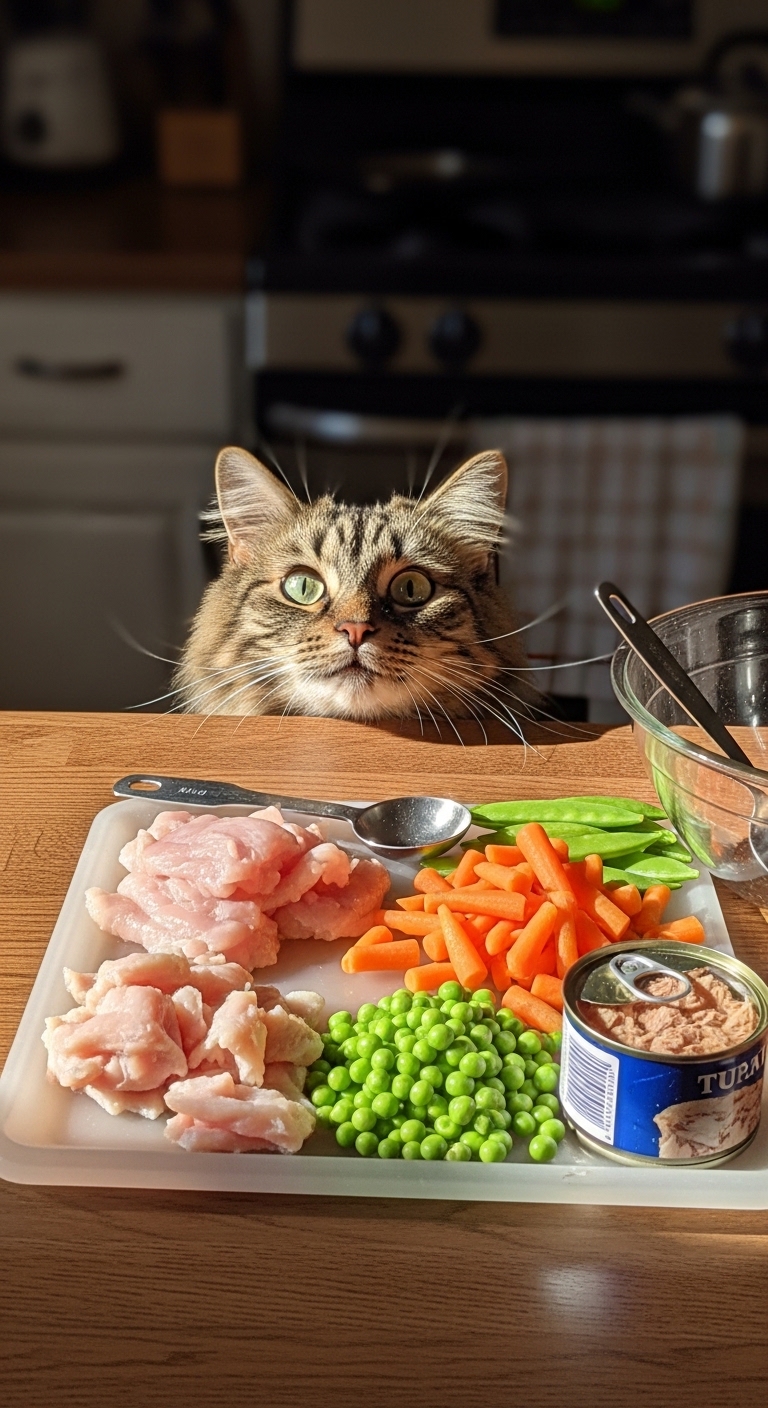
Making homemade cat food can feel overwhelming at first, but it’s one of the best ways to ensure your cat gets fresh, high-quality nutrition without mystery ingredients or preservatives. Many commercial cat foods contain fillers or by-products that don’t align with a cat’s natural diet, and preparing meals at home lets you control exactly what goes into their bowl. Plus, cats with allergies or sensitive stomachs often thrive on carefully crafted homemade recipes that avoid triggering ingredients.
I still remember the first time I switched my senior cat to homemade food: her energy improved within weeks, and her coat looked shinier. It took some trial and error, but seeing her enjoy meals made with real ingredients was worth every effort.
Key Things to Understand
- Obligate carnivores: Cats require animal-based protein as the main ingredient in their diet.
- Taurine requirement: Cats cannot produce taurine on their own, so it must be added to homemade recipes.
- Raw meat risks: Raw diets need careful handling to avoid bacterial contamination like salmonella.
- Cooked safety: Cooked recipes are safer for beginners but still require proper supplementation.
- Supplement necessity: Commercial supplements like taurine powder or calcium carbonate are needed to meet nutritional standards.
- Portion control: Portion sizes depend on your cat’s weight, age, and activity level to avoid overfeeding.
What to Look For
Pay attention to how your cat reacts after meals: signs of digestive upset like vomiting or diarrhea mean the recipe needs adjustment. Watch their energy levels too; a balanced homemade diet should support steady energy rather than lethargy or hyperactivity. Check their coat regularly: dull fur or excessive shedding can signal a lack of essential fatty acids. Also notice their litter box habits: well-formed stools indicate good digestion, while loose stools might mean the recipe has too much fat or not enough fiber.
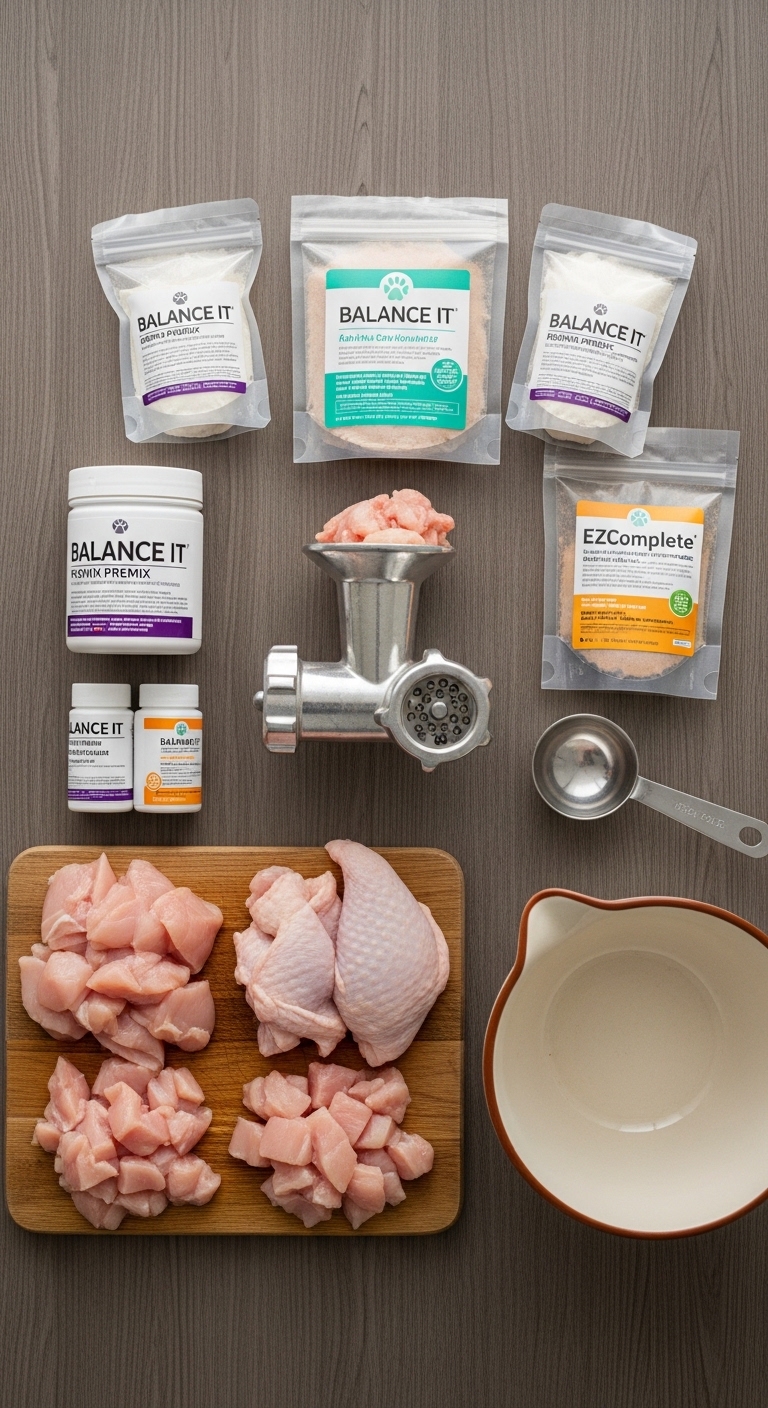
I once met a cat owner who skipped organ meat in their recipe because their cat refused it, only to later discover their pet was developing a taurine deficiency. Small details like this matter more than you’d think. Another common mistake is using human-grade supplements without checking the dosage, which can lead to imbalances over time.
Daily Care Habits
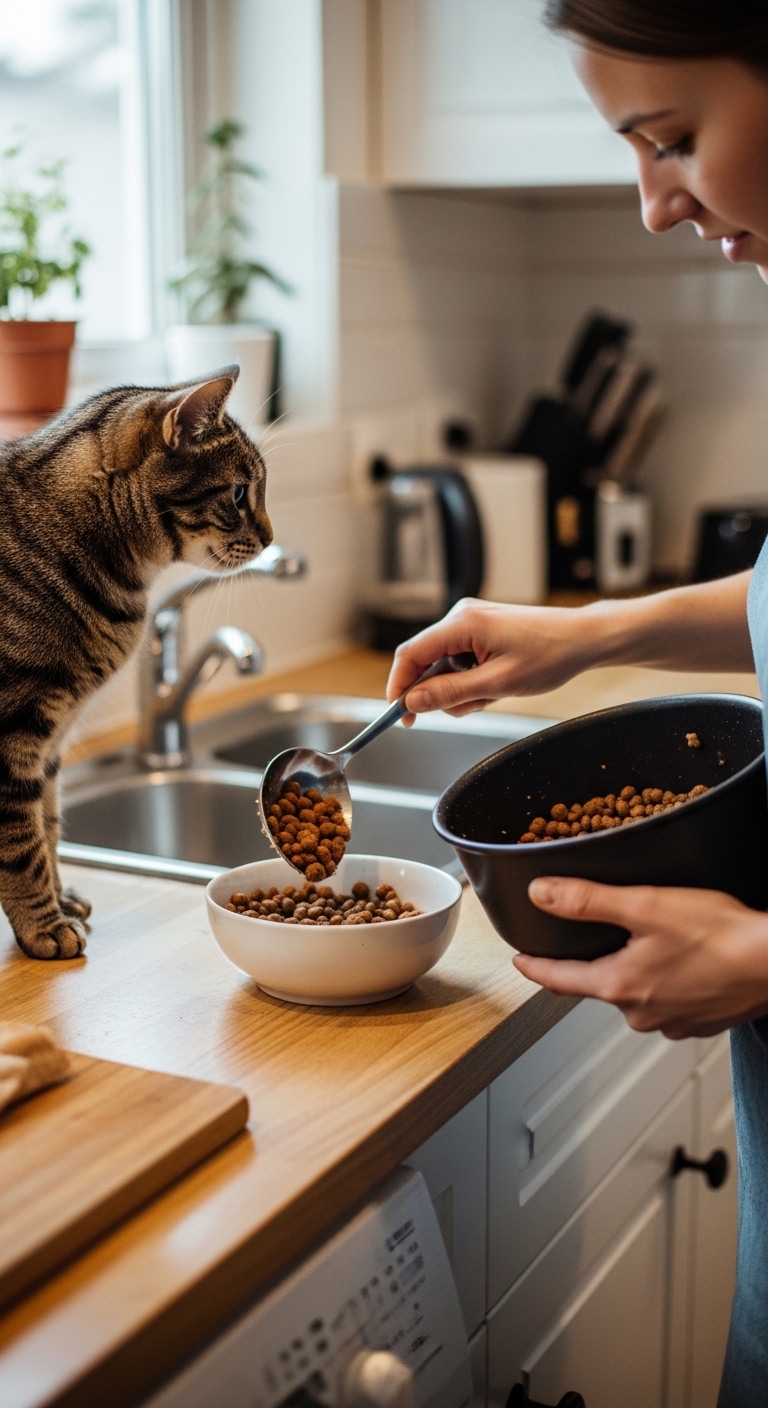
Start by preparing meals in batches and storing them in airtight containers in the fridge for up to three days or the freezer for up to three months. Thaw frozen portions in the fridge overnight to maintain freshness and safety. Use separate cutting boards and utensils for raw meat to prevent cross-contamination with other foods. If your cat is picky, try warming the food slightly before serving to enhance the aroma.
Choosing the Right Product
When buying ingredients, prioritize human-grade meats like chicken thighs, turkey, or beef liver over lower-quality options. Look for fresh, organic produce if possible, but avoid onions, garlic, and grapes, which are toxic to cats. For supplements, choose reputable brands specifically formulated for cats, as human supplements may contain unsafe additives. If you’re unsure about a recipe, use a calculator to balance the ratios of protein, fat, and carbohydrates.
Safety and Comfort
Always wash your hands and surfaces thoroughly after handling raw meat to avoid spreading bacteria. Introduce new foods gradually over a week to monitor for allergies or digestive issues. If your cat has a sensitive stomach, start with cooked recipes before trying raw. Keep meals at room temperature for no more than 30 minutes to prevent spoilage, and discard any uneaten food left out longer than that.
Seasonal Adjustments
In colder months, you might notice your cat needs slightly more calories to stay warm, so adjust portion sizes accordingly. During summer, lighter meals with higher moisture content can help keep them hydrated. If your cat spends time outdoors, consider adding extra taurine to support their immune system during seasonal changes. Always monitor their weight and energy levels to fine-tune their diet as needed.
Homemade cat food can transform your pet’s health with the right knowledge and preparation. Always prioritize balance and safety to keep them thriving.
Frequently Asked Questions
- → What are the benefits of homemade cat food?
Homemade cat food offers fresher ingredients, fewer preservatives, and better control over your pet’s diet. It can help manage allergies, improve digestion, and support overall health when properly balanced.
- → Can I feed my cat only homemade food?
Yes, but it must be nutritionally complete. Consult your vet to ensure the recipes include essential nutrients like taurine, calcium, and vitamins. Commercial cat food is formulated to meet AAFCO standards, so professional guidance is recommended.
- → How do I transition my cat to homemade food?
Start by mixing a small amount of homemade food with their current diet. Gradually increase the homemade portion over 7-10 days to avoid digestive issues. Monitor your cat’s appetite and stool quality during the transition.
- → What ingredients should I avoid in homemade cat food?
Avoid onions, garlic, chives, grapes, raisins, xylitol, excessive salt, and raw fish (due to thiaminase, which destroys vitamin B1). Also, never feed bones, raw eggs, or dairy in large quantities.
- → How long can I store homemade cat food?
Store in airtight containers in the fridge for up to 3 days or freeze for up to 3 months. Thaw frozen food in the fridge overnight and serve at room temperature to enhance palatability.
- → Do I need supplements for homemade cat food?
Yes, most homemade recipes require supplements like taurine, calcium carbonate, and fish oil to meet AAFCO nutritional standards. Your vet can recommend the right balance for your cat’s needs.