If you’ve ever stood in the pet food aisle feeling overwhelmed by the endless options of kibble, cans, and treats, you’re not alone. Many dog owners want to take control of what their pets eat but worry about doing it right. The truth is, a well-balanced homemade diet can be a great way to ensure your dog gets fresh, wholesome ingredients without mystery additives. Plus, it’s a chance to tailor meals to your dog’s specific needs, whether they’re a picky eater, have allergies, or just need a little extra nutrition.
I’ve seen friends switch to homemade food and notice their dogs suddenly have more energy and fewer digestive issues. It’s not magic—just better ingredients and a little planning.
Key Things to Understand
- Balance: A vet-approved homemade diet should include the right balance of protein, fats, and carbohydrates.
- Supplements: Calcium and other essential minerals must be added unless you’re using a balanced recipe.
- Portions: Portion sizes depend on your dog’s weight, age, and activity level.
- Preparation: Raw or cooked meals both work, but each has different preparation and safety considerations.
- Transition: Always introduce new foods gradually to avoid stomach upset.
What to Look For
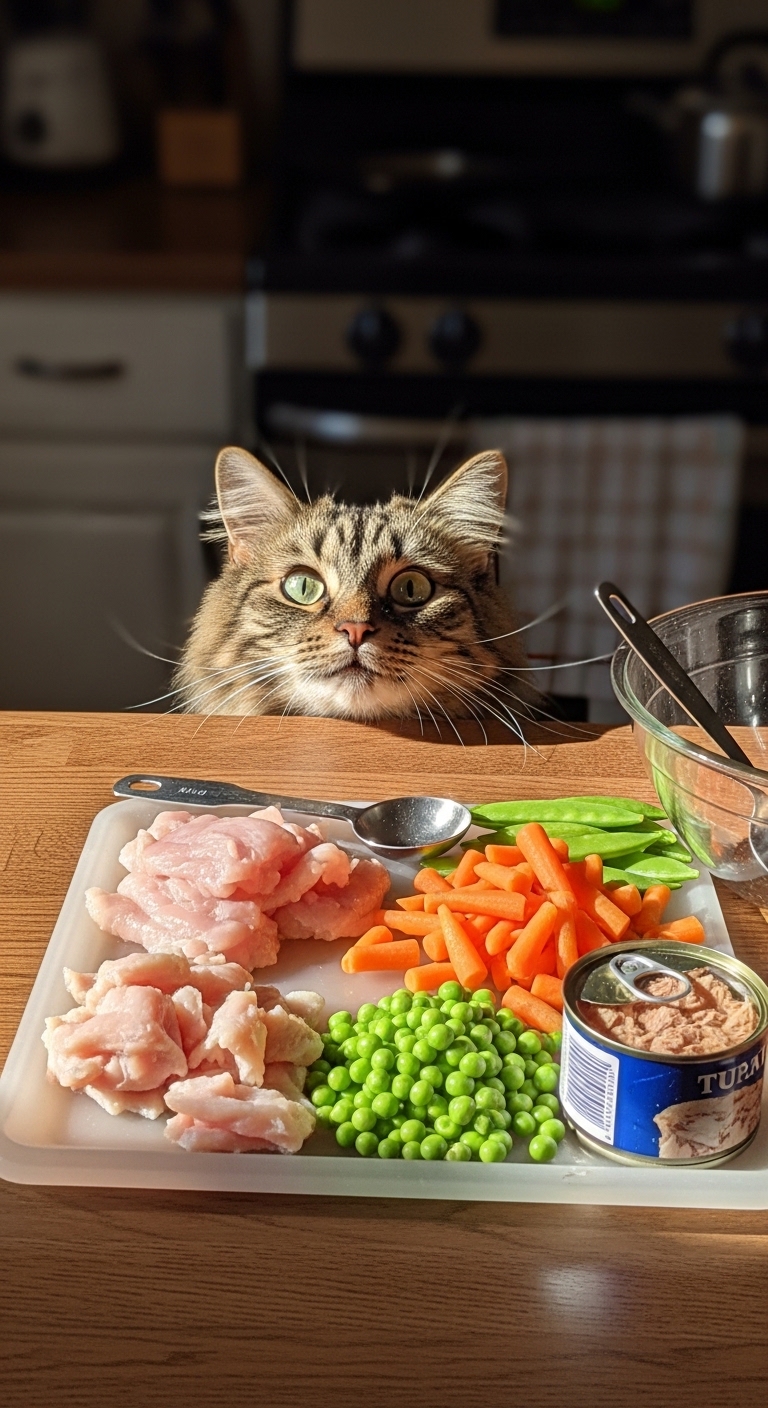
When planning homemade meals, pay attention to your dog’s energy levels and coat condition. A dull coat or low energy might signal a nutritional gap. Look for recipes that include lean proteins like chicken, turkey, or beef, paired with easily digestible carbs such as sweet potatoes or brown rice. Avoid ingredients like onions, garlic, grapes, and chocolate, which are toxic to dogs. If your dog has allergies, keep an eye on common triggers like wheat, soy, or certain proteins. Freshness matters: use ingredients that are human-grade and free from preservatives.
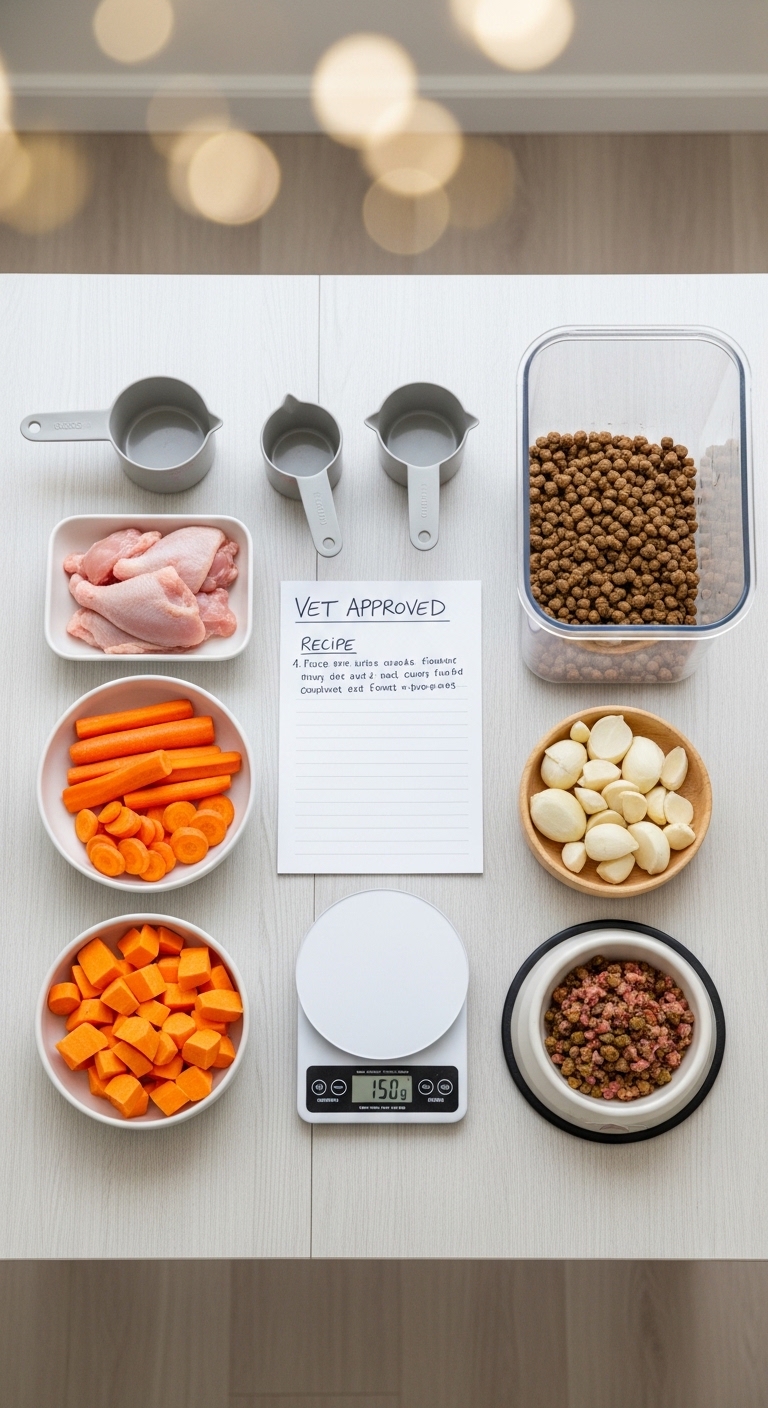
I once met a dog owner who skipped calcium in her homemade meals, thinking meat alone was enough. Her dog developed weak bones over time, which could have been prevented with a simple supplement. Always double-check your recipe against vet guidelines to avoid gaps.
Daily Care Habits
Preparing meals in batches saves time and ensures consistency. Store portions in airtight containers in the fridge for up to three days or freeze them for longer shelf life. Thaw meals overnight in the fridge to maintain freshness. If your dog is new to homemade food, mix a small amount into their regular meals to ease the transition. Watch for signs of digestive upset like diarrhea or vomiting, which could mean an ingredient doesn’t agree with them.
Choosing the Right Product
If you’re not ready to make meals from scratch, look for commercial dog foods labeled 'complete and balanced.' These are formulated to meet AAFCO standards but still vary in quality. Check the ingredient list for real meat as the first item and avoid fillers like corn or by-products. For homemade recipes, invest in a kitchen scale to measure portions accurately. A slow cooker can simplify meal prep, especially for recipes with tougher cuts of meat.
Safety and Comfort
Always cook meats thoroughly to kill bacteria like salmonella. Avoid seasoning with salt, onions, or garlic, which are harmful to dogs. If using bones, opt for ground or finely crushed ones to prevent choking hazards. Store homemade food separately from human meals to avoid cross-contamination. For dogs with sensitive stomachs, bland recipes with boiled chicken and rice can be a soothing option during recovery.
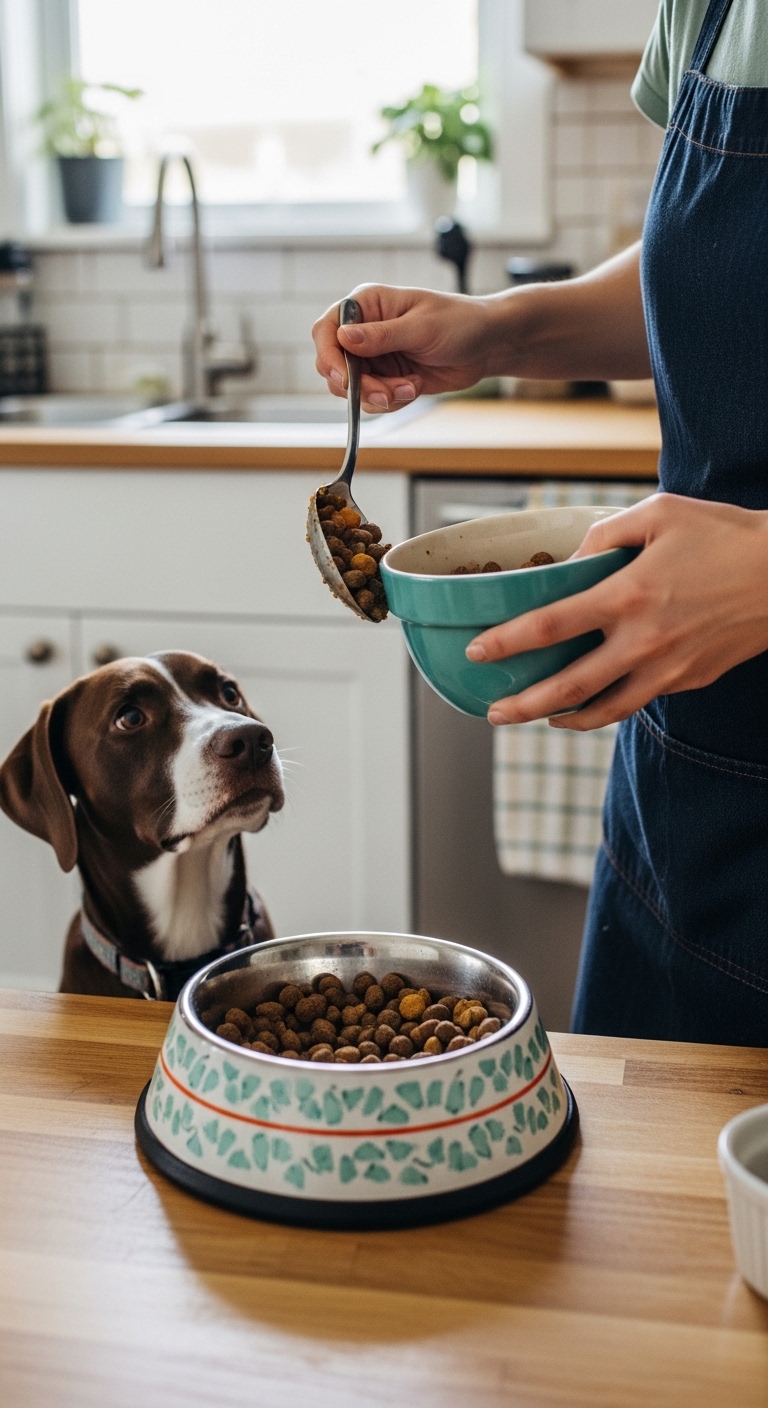
Switching to homemade dog food can be rewarding with the right approach. Focus on balance, safety, and your dog’s individual needs for the best results.
Frequently Asked Questions
- → What are the benefits of homemade dog food?
Homemade dog food allows you to control ingredients, avoid fillers, and cater to your dog’s specific dietary needs. It can improve digestion, boost energy levels, and enhance coat health with fresh, whole foods.
- → How do I ensure homemade dog food is vet-approved?
Consult your veterinarian to review recipes and ensure they meet your dog’s nutritional requirements. They can help adjust portions and ingredients based on your dog’s age, breed, and health status.
- → What proteins work best for homemade dog food?
Lean proteins like chicken, turkey, beef, and fish are excellent choices. Ensure they are cooked thoroughly and free from seasoning or bones. Always introduce new proteins gradually to monitor for allergies.
- → Can I use vegetables in homemade dog food?
Yes! Vegetables like carrots, spinach, and sweet potatoes are safe and nutritious for dogs. Avoid toxic options like onions, garlic, and mushrooms. Steam or boil them for easier digestion.
- → How should I store homemade dog food?
Store homemade dog food in airtight containers in the refrigerator for up to 3 days or freeze for up to 3 months. Thaw frozen meals in the fridge before serving to preserve freshness.
- → Is homemade dog food better than commercial food?
Homemade dog food can be superior if properly balanced with essential nutrients. However, commercial foods are formulated to meet AAFCO standards. Always consult your vet to ensure your homemade meals provide complete nutrition.