Puppy popsicles aren’t just a fun summer treat: they’re a simple way to keep your pup cool, hydrated and entertained while supporting their joint health and digestion. Whether you’re dealing with teething discomfort, post-play recovery or just want to spoil your furry friend, these frozen treats are a game-changer. Plus, making them at home means you control the ingredients, avoiding the sugar and additives found in many store-bought options.
I still remember the first time I gave my golden retriever pup a banana-blueberry popsicle: her tail went into overdrive, and she spent the next ten minutes licking the stick like it was the last popsicle on earth. It was messy, joyful and a reminder that sometimes the simplest treats create the biggest memories.
Key Things to Understand
- Sensitive stomachs: Puppies have different nutritional needs than adult dogs, so avoid ingredients like xylitol, chocolate, grapes or excessive salt.
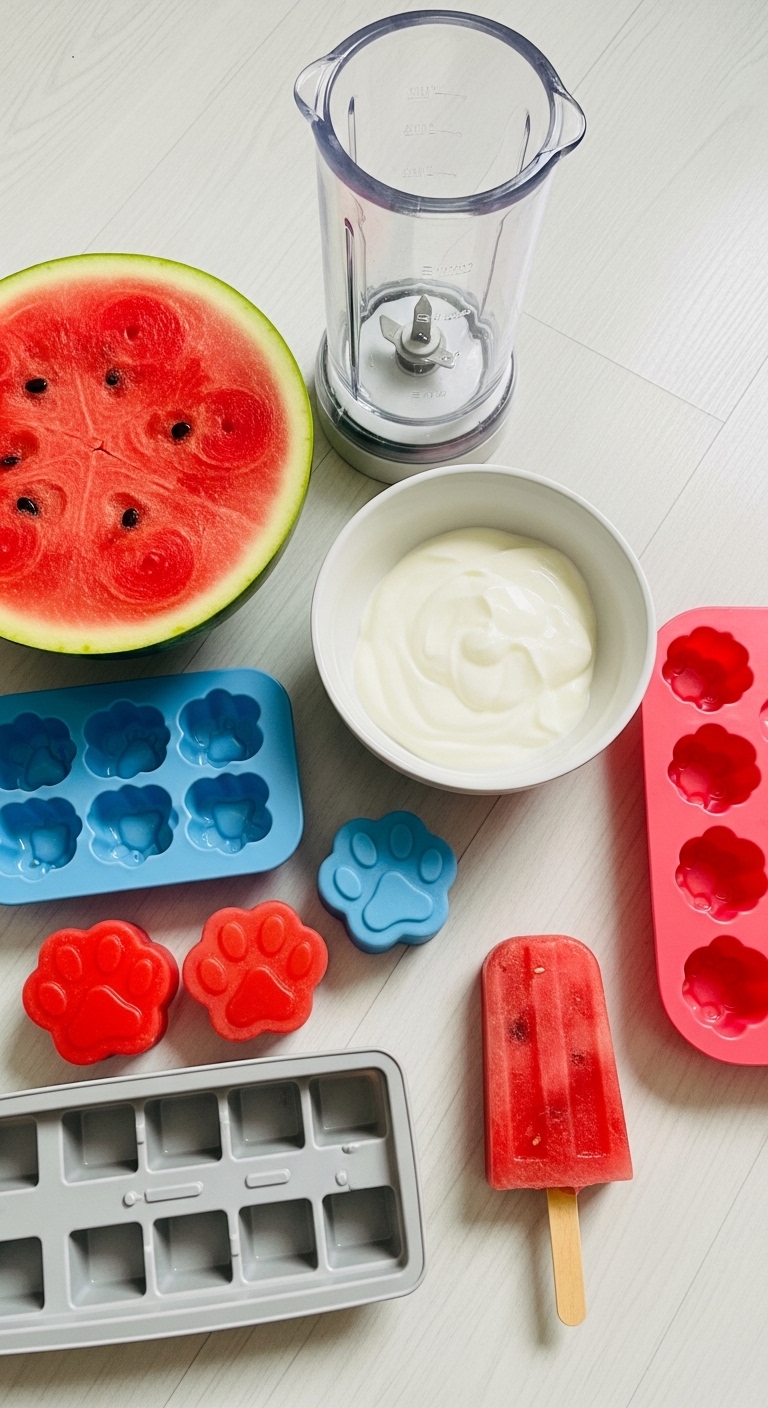
- Safe ingredients: Choose soft fruits like bananas, blueberries or watermelon that are easy to digest and hydrating.
- Base options: Use plain, unsweetened yogurt or coconut milk as a base to add creaminess without dairy issues.
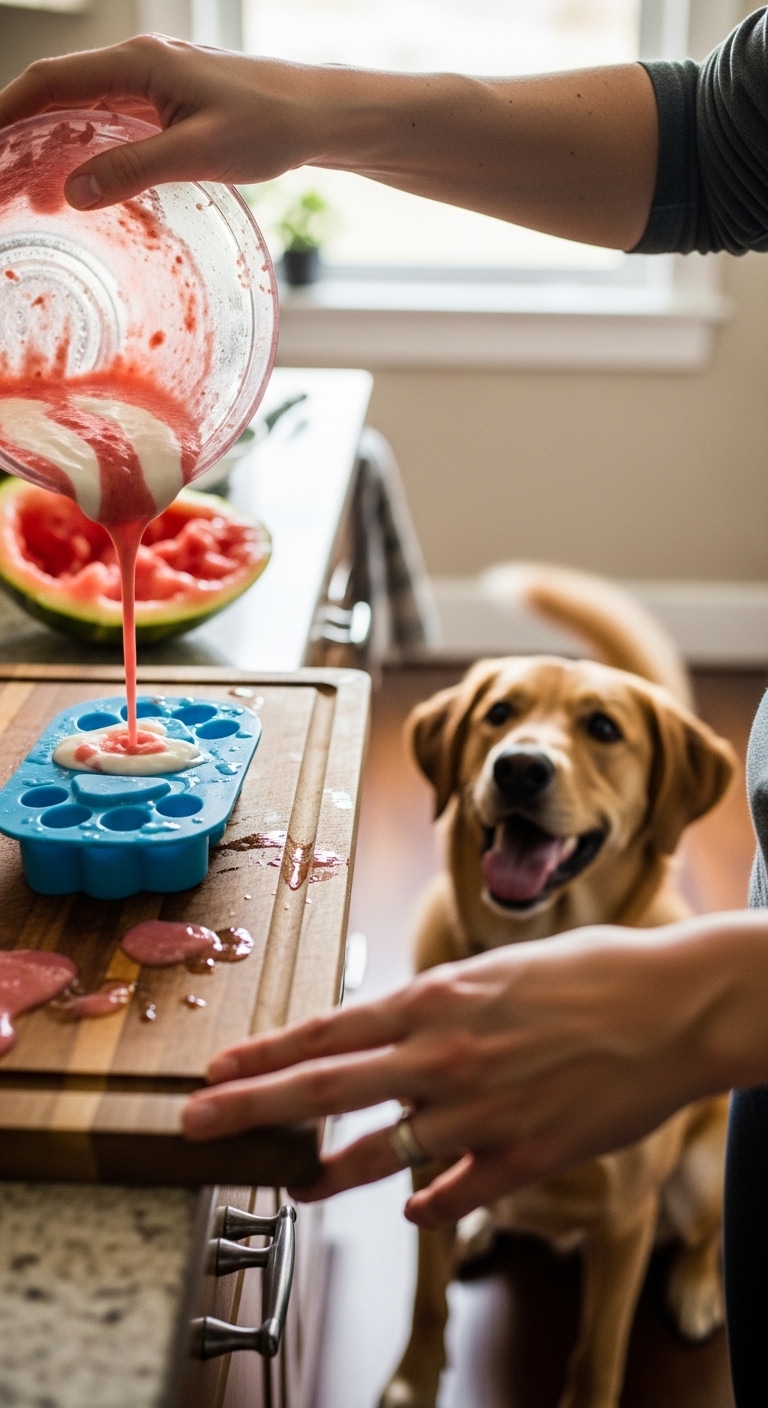
- Portion control: Freeze the treats in silicone molds or ice cube trays for easy portion control and cleanup.
- Supervision: Always supervise your puppy while they enjoy a popsicle to prevent choking on large chunks.
What to Look For
Watch for signs your puppy is overheating, like excessive panting, drooling or lethargy, before offering a popsicle. Notice which flavors they gravitate toward: some pups love the tang of yogurt while others prefer the sweetness of pureed pumpkin. Check the texture after freezing; it should be firm enough to hold but soft enough to lick without frustration. Pay attention to how your puppy chews the popsicle: if they try to swallow large pieces whole, switch to smaller molds or break the treat into bite-sized portions. Also observe their energy levels after eating; some pups get a natural boost from fruit sugars while others may feel a bit sluggish.
I once gave my neighbor’s husky puppy a store-bought popsicle that contained artificial dyes, and within hours, he developed a mild rash around his mouth. It was a quick lesson in reading labels and sticking to simple, whole-food ingredients. Another time, I forgot to break a large popsicle into smaller pieces, and my pup tried to swallow it whole, leading to a frantic cleanup and a reminder to always match the treat size to the puppy.
Daily Care Habits
Incorporate popsicles into your puppy’s routine after playtime or during crate training to create positive associations. Use them as a reward during training sessions to reinforce good behavior without overfeeding. Rotate flavors weekly to keep your pup interested and to expose them to different nutrients. Always offer water after a popsicle to help with digestion and hydration.
Choosing the Right Product
If you’re short on time, look for frozen dog treats made with single-ingredient bases like coconut water or bone broth. Avoid products with added sugars, artificial colors or fillers like corn syrup. Check the ingredient list for common allergens if your puppy has sensitive skin or stomach issues. Smaller pups do best with mini molds or bite-sized treats while larger breeds can handle bigger portions.
Safety and Comfort
Never leave your puppy unattended with a popsicle to prevent choking or messes. Store homemade popsicles in airtight containers in the freezer for up to two weeks. If your puppy has dental issues or missing teeth, opt for softer textures like yogurt-based popsicles instead of hard fruit chunks. Always thaw slightly before giving to very young or small puppies to make it easier for them to lick.
Cleaning and Hygiene
Wash molds and utensils thoroughly after each use to prevent bacteria buildup. Use separate containers for dog treats to avoid cross-contamination with human food. Wipe down your puppy’s face and paws after they finish a popsicle to prevent residue from attracting dirt or pests. Store popsicles away from human food in the freezer to keep them fresh and safe.
Puppy popsicles are more than a treat: they’re a simple way to bond with your pup while keeping them happy and healthy.
Frequently Asked Questions
- → What ingredients are safe for puppy popsicles?
Use dog-safe ingredients like plain yogurt, peanut butter (xylitol-free), mashed banana, pumpkin puree, or bone broth. Avoid chocolate, grapes, raisins, onions, and artificial sweeteners.
- → How long should puppy popsicles freeze?
Freeze for at least 4-6 hours or until solid. For larger molds, extend freezing time to 8 hours for best results.
- → Can I give puppy popsicles daily?
No, these should be occasional treats due to sugar content in fruits. Limit to 1-2 small popsicles per week depending on your puppy's size and diet.
- → What molds work best for puppy popsicles?
Silicone molds designed for popsicles or ice cubes work perfectly. You can also use small paper cups with wooden sticks as makeshift molds.
- → How do I store leftover popsicles?
Keep in an airtight container in the freezer for up to two weeks. Thaw slightly before serving to prevent brain freeze in your pup.
- → Are puppy popsicles good for teething pups?
Yes! The cold temperature helps soothe sore gums while providing a tasty distraction. Supervise your puppy while they enjoy the treat to prevent choking hazards.