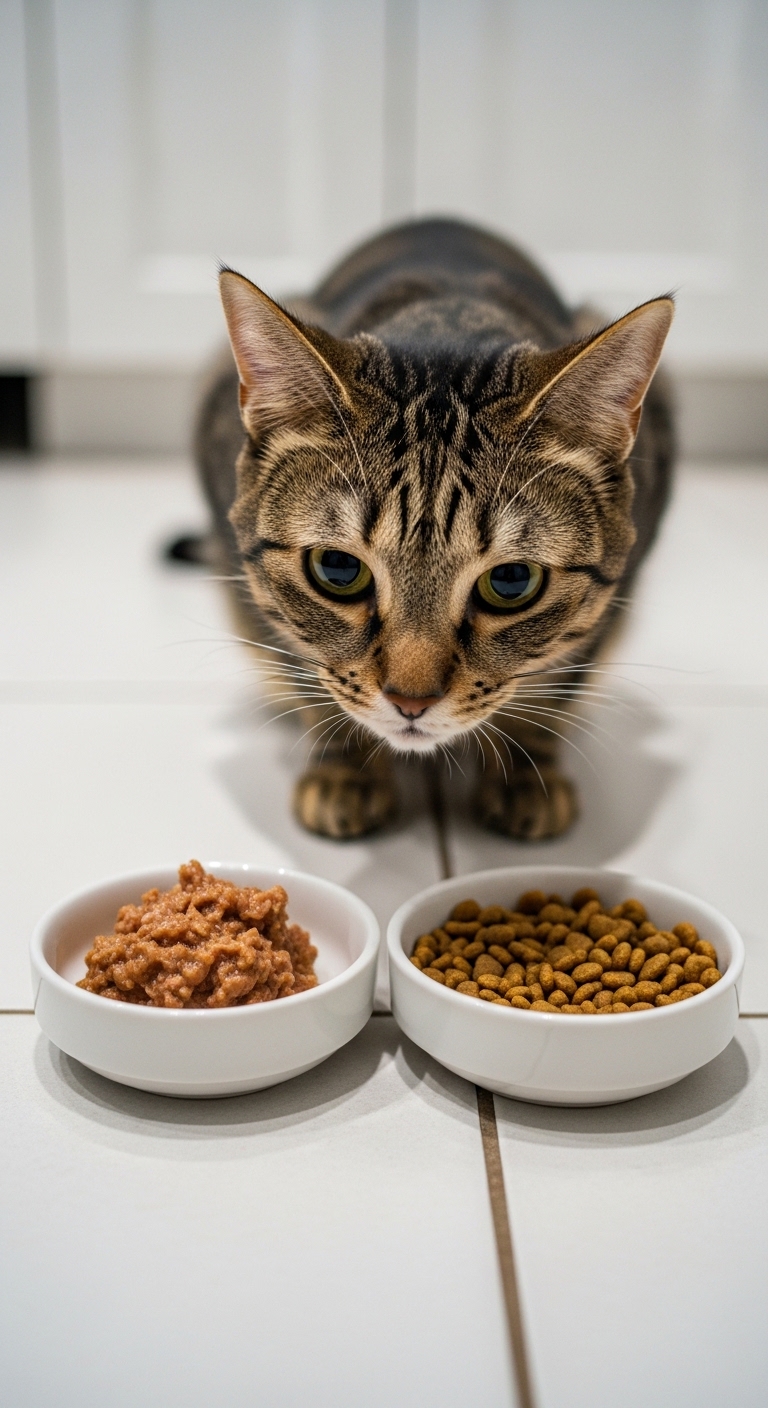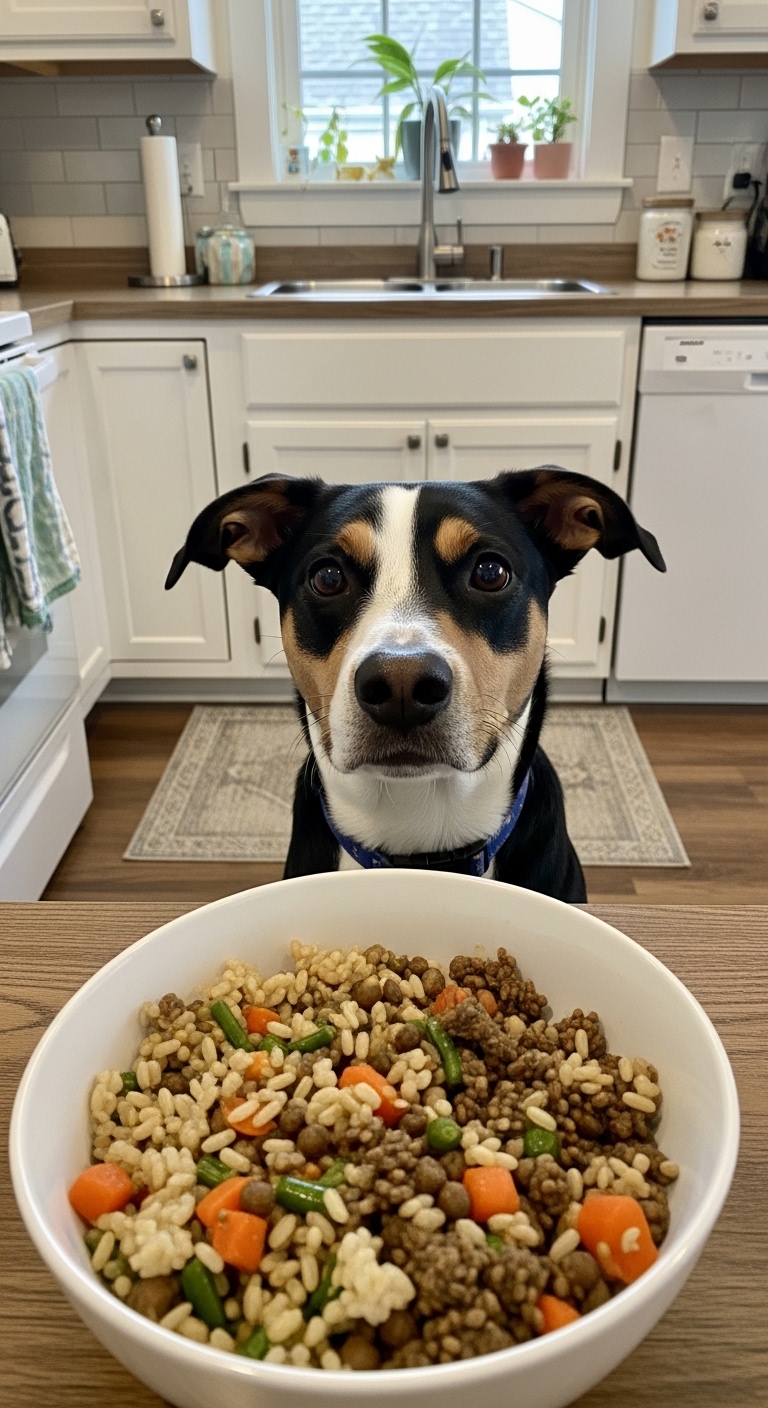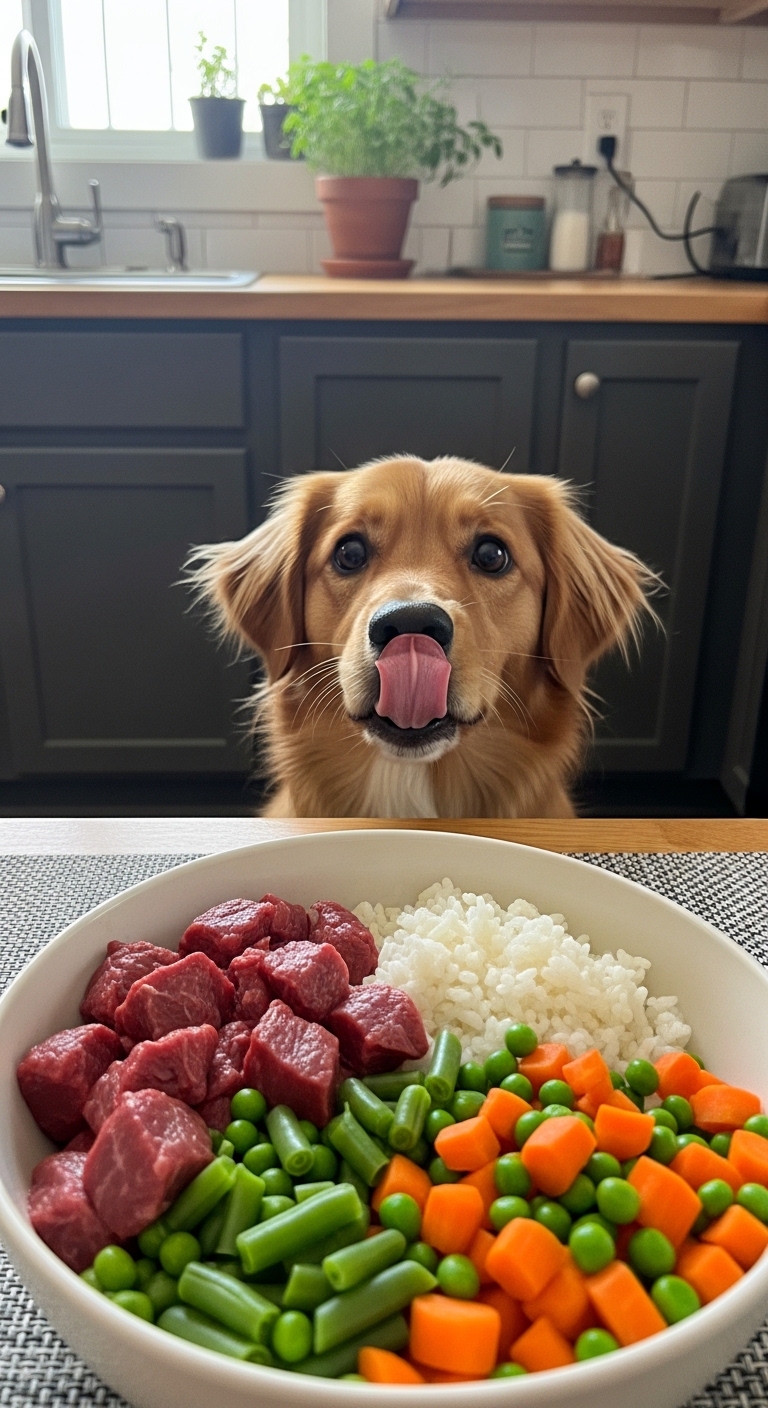
Homemade cat food might seem like a luxury reserved for pet owners with extra time or special diets in mind, but the truth is it’s becoming a practical choice for many. With rising concerns about commercial pet food ingredients and the desire to give cats fresher, more natural meals, making food at home is gaining real traction. It’s not just about spoiling your cat: it’s about control over what goes into their bowl and peace of mind about their long-term health.
I remember when I first switched my cat to homemade food: it felt overwhelming at first, but once I got the hang of it, I noticed her coat looked shinier and she had more energy. The key was starting simple and learning what worked best for her.
Key Things to Understand
- Nutritional balance: Homemade cat food isn’t just about cooking meat: it requires careful attention to nutrients like taurine, calcium, and essential fatty acids to keep your cat healthy.
- Raw vs. cooked: Raw diets are popular but come with risks like bacterial contamination or nutrient imbalances if not properly balanced. Cooked diets are safer for beginners but still need the right mix of proteins, organs, and supplements to meet all of a cat’s dietary needs.
- Portion control: Portion sizes matter just as much as ingredients: overfeeding homemade food can lead to weight gain just like commercial food.
- Transition period: Transitioning your cat to homemade meals should be gradual to avoid digestive upset or refusal to eat.
What to Look For
When evaluating homemade cat food, the first thing to notice is whether the recipe includes a balance of muscle meat, organ meat, and supplements. Cats need taurine, which is naturally found in organ meats like liver, but it’s often missing in meat-only diets. Look for recipes that include at least 10% organ meat to cover this essential nutrient. Also, check if the recipe accounts for calcium: cats can’t absorb calcium from bones alone, so ground eggshells or a calcium supplement is usually necessary.
Another thing to watch for is the texture and moisture level of the food. Cats are used to getting moisture from their prey, so homemade food should be moist enough to encourage hydration. If the food is too dry, your cat might not drink enough water, which can lead to urinary issues over time. Pay attention to how your cat responds after eating: if they seem lethargic or have loose stools, the recipe might need adjustments.
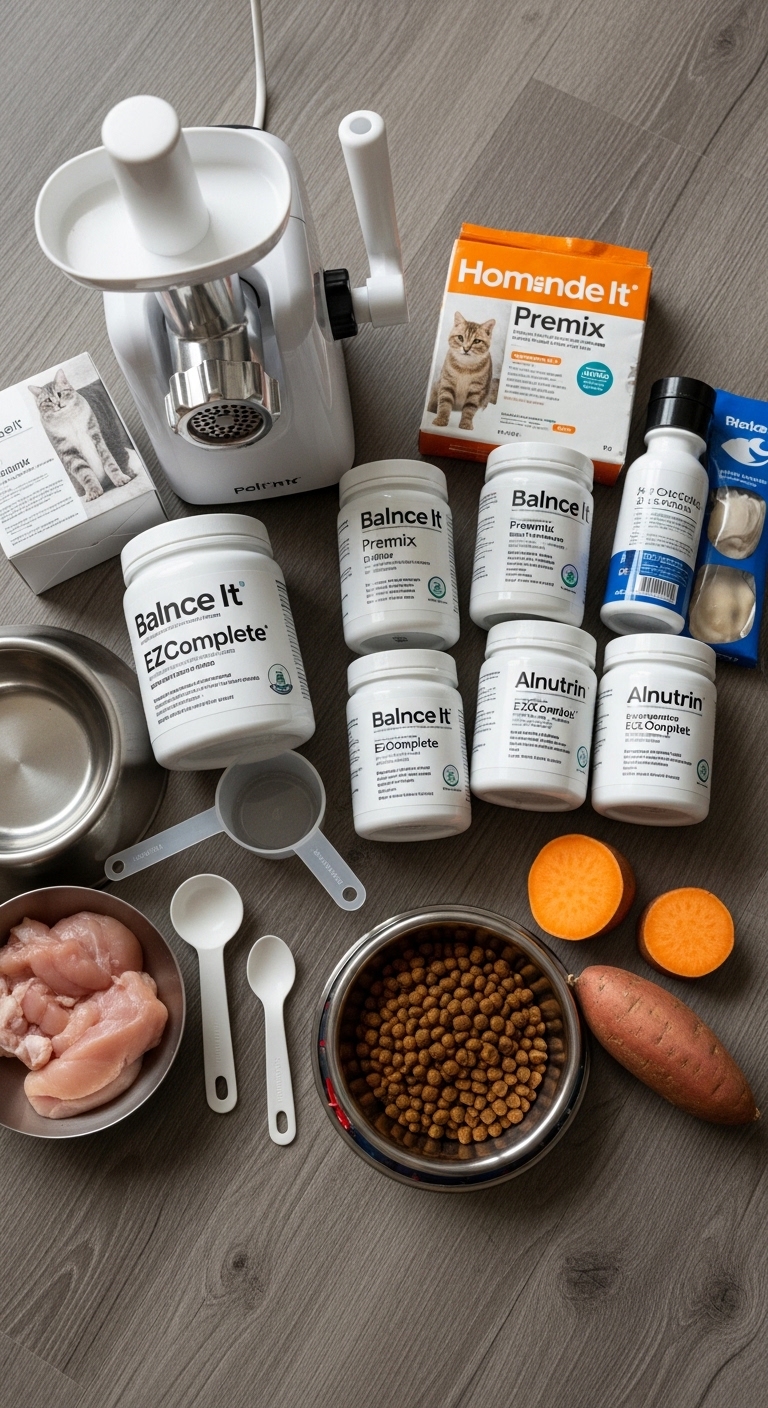
A common mistake I see is owners assuming that chicken breast alone is enough for their cat. While it’s a great protein source, it lacks the taurine and fat cats need for energy and coat health. Another oversight is skipping the transition period: cats can be stubborn, and a sudden switch might leave them refusing food entirely. I learned this the hard way when my cat turned her nose up at her first homemade meal after eating the same kibble for years.
Balancing Nutrition
Balancing homemade cat food doesn’t have to be complicated. Many owners find success with an 80/10/10 ratio: 80% muscle meat, 10% organ meat, and 10% supplements like calcium or omega-3s. The key is consistency and observation. If your cat thrives on a recipe for a few weeks, you’re on the right track. But if you notice changes in their energy, coat, or litter box habits, it’s time to reassess.
Practical Preparation
Homemade food is a commitment, but for many cats, it’s worth every minute spent in the kitchen. The process can be streamlined by preparing batches in advance and storing them properly. Using a kitchen scale ensures accuracy, and freezing portions in ice cube trays makes serving sizes convenient. Over time, you’ll develop a routine that fits seamlessly into your schedule while providing your cat with meals tailored to their needs.
Monitoring Your Cat’s Health
Regular check-ins with your vet are essential when feeding homemade cat food. Bloodwork can help identify any nutritional deficiencies before they become serious. Keep an eye on your cat’s weight, energy levels, and coat condition, as these are good indicators of how well their diet is working. Adjustments may be needed as your cat ages or if their health status changes.
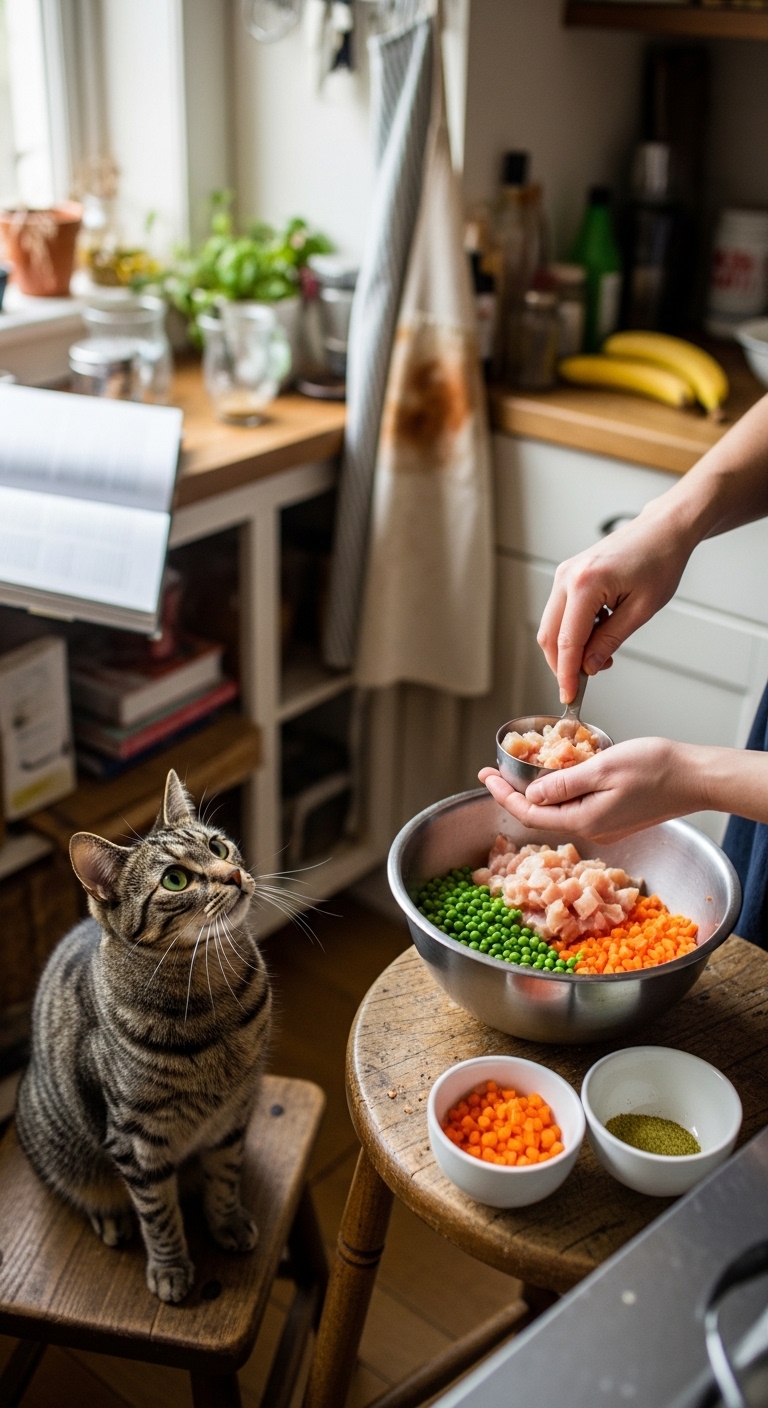
Homemade cat food can transform your cat’s health and happiness when done right. It’s about more than just feeding: it’s about nurturing their well-being with every meal.
Frequently Asked Questions
- → Is homemade cat food healthier than store-bought?
Homemade cat food can be healthier if prepared with balanced, high-quality ingredients tailored to your cat’s needs. It allows you to control additives, preservatives, and fillers often found in commercial foods. However, it requires careful planning to meet all nutritional requirements.
- → What are the essential ingredients for homemade cat food?
Key ingredients include lean proteins (chicken, turkey, beef), cooked vegetables (carrots, peas), and a calcium source (eggshell powder or bone meal). Taurine, an essential amino acid, must also be included to prevent heart disease.
- → How do I transition my cat to homemade food?
Start by mixing small amounts of homemade food with your cat’s current diet, gradually increasing the ratio over 7-10 days. This slow transition helps prevent digestive issues and allows your cat to adjust to the new flavors and textures.
- → Can I use raw meat in homemade cat food?
Raw meat can be used, but it carries risks like bacterial contamination (Salmonella, E. coli). If feeding raw, ensure the meat is fresh, from a trusted source, and handle it safely. Alternatively, lightly cook the meat to reduce risks while preserving nutrients.
- → How long can I store homemade cat food?
Store homemade cat food in airtight containers in the fridge for up to 3 days or freeze for up to 3 months. Thaw frozen portions in the fridge overnight before serving. Always discard any uneaten food left out for more than 2 hours to prevent spoilage.
- → Do I need to add supplements to homemade cat food?
Yes, supplements like taurine, omega-3 fatty acids, and calcium are often necessary to meet your cat’s nutritional needs. Consult your vet to determine the right supplements and dosages for your cat’s specific diet.