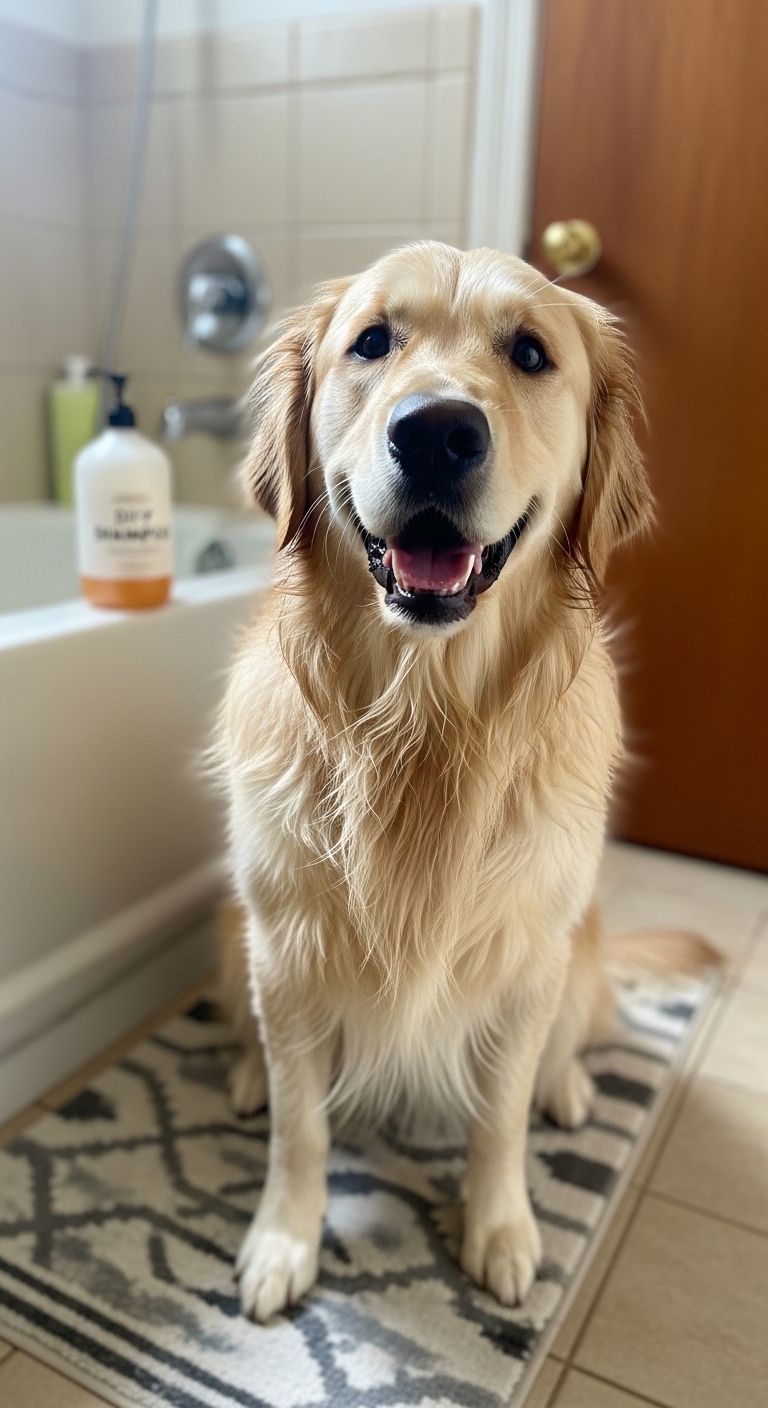
Choosing the right dog shampoo isn’t just about keeping your pup smelling fresh: it’s about protecting their skin, coat, and overall health. Many pet owners don’t realize how much a good (or bad) shampoo can impact their dog’s comfort, especially if their furry friend has sensitive skin or allergies. A gentle, well-formulated shampoo can prevent irritation, reduce shedding, and even strengthen the coat over time. On the flip side, using the wrong product might strip natural oils, cause dryness, or trigger reactions. Whether you’re bathing your dog weekly or just when they roll in something stinky, picking the right shampoo makes the whole process smoother for both of you.
I still remember the first time I bought a heavily scented shampoo for my golden retriever, only to find him scratching for hours afterward. Turns out, his skin couldn’t handle the artificial fragrances. Now I always check the ingredient list first.
Key Things to Understand
- Avoid sulfates: Shampoos with sodium lauryl sulfate (SLS) or sodium laureth sulfate (SLES) can strip natural oils and irritate skin.
- pH-balanced formulas: Human shampoos are too acidic for dogs, so always choose products designed specifically for them.
- Oatmeal-based shampoos: These are great for soothing itchy or sensitive skin.
- Medicated shampoos: Ingredients like chlorhexidine or ketoconazole help with skin infections or allergies.
- Patch test: Always test a small area of skin before the first full bath to check for reactions.
What to Look For
When browsing dog shampoos, pay attention to the first few ingredients listed: they make up the bulk of the formula. If you see water or aqua at the top, that’s normal, but if artificial fragrances, dyes, or harsh detergents appear early in the list, it’s a red flag. Texture matters too: a shampoo that’s too thin might not lather well, while one that’s overly thick can be difficult to rinse out completely. For dogs with thick coats, a shampoo with added conditioners like aloe vera or coconut oil can help detangle and moisturize during bath time. If your dog has a specific issue like dandruff, fleas, or excessive shedding, look for shampoos that target those concerns directly. The label should also mention whether the product is safe for frequent use or if it’s meant for occasional baths only.
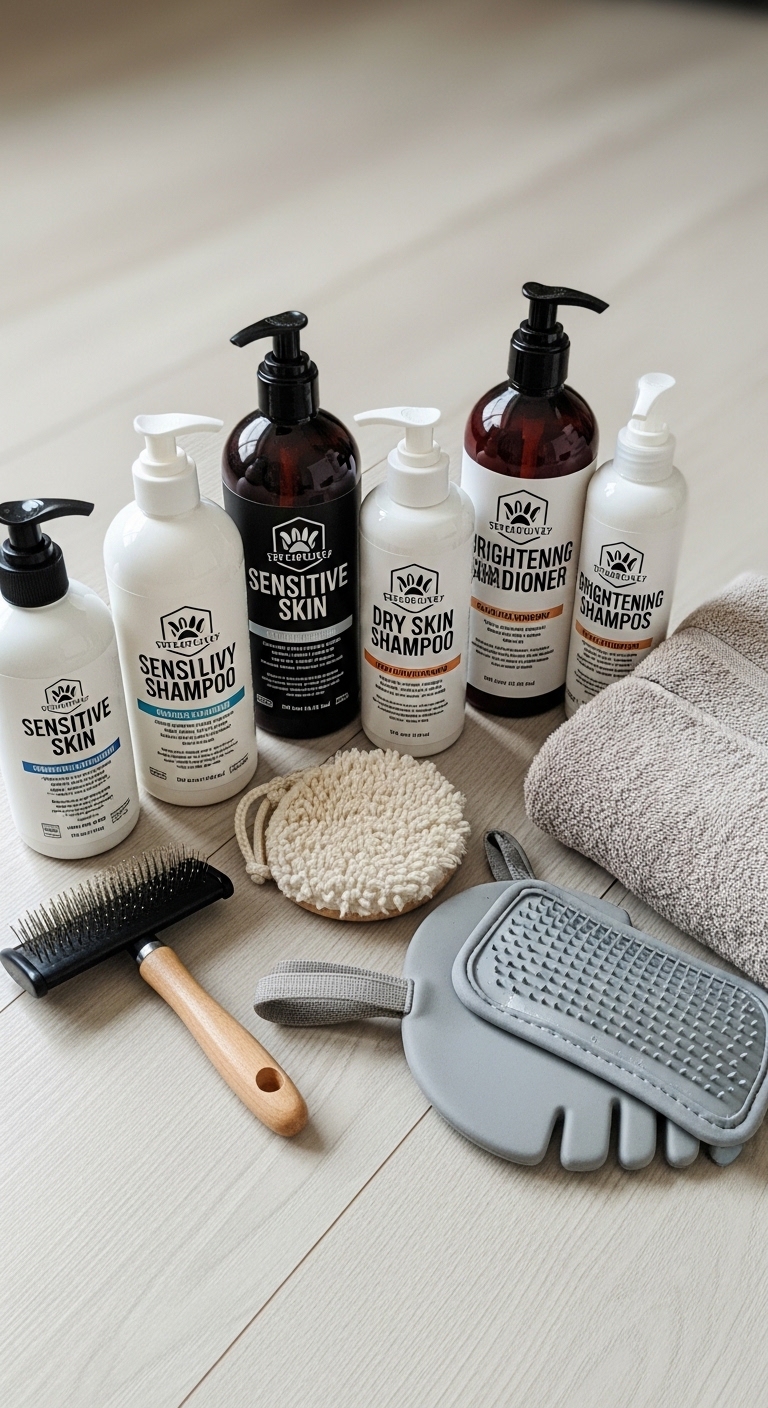
I once skipped rinsing my dog’s belly completely, and by the next morning, he was chewing at his skin nonstop. A quick lesson in proper rinsing saved us both a lot of discomfort. Also, keep an eye on expiration dates: old shampoo loses its potency and can even harbor bacteria.
Daily Care Habits
Bathing frequency depends on your dog’s breed, coat type, and lifestyle. Dogs with oily coats or those who love mud puddles might need baths every few weeks, while others with dry skin or sensitive coats do best with baths only once a month. Over-bathing strips natural oils, leading to flaky skin and irritation. Between baths, use a damp cloth to wipe down paws and belly after walks to keep dirt from building up. For dogs with long ears, like cocker spaniels, check and clean their ears weekly to prevent moisture buildup that can lead to infections.
Choosing the Right Product
Start by identifying your dog’s skin and coat needs. Is their skin dry and flaky? A moisturizing shampoo with ingredients like shea butter or vitamin E can help. Do they have allergies? Look for hypoallergenic formulas with limited ingredients. For dogs with thick double coats, a de-shedding shampoo with omega fatty acids can reduce shedding during shedding season. If your dog has a strong odor, an antibacterial shampoo can neutralize smells without harsh chemicals. Always check the label for any warnings about age or breed restrictions: puppies and senior dogs often need gentler options.
Safety and Comfort
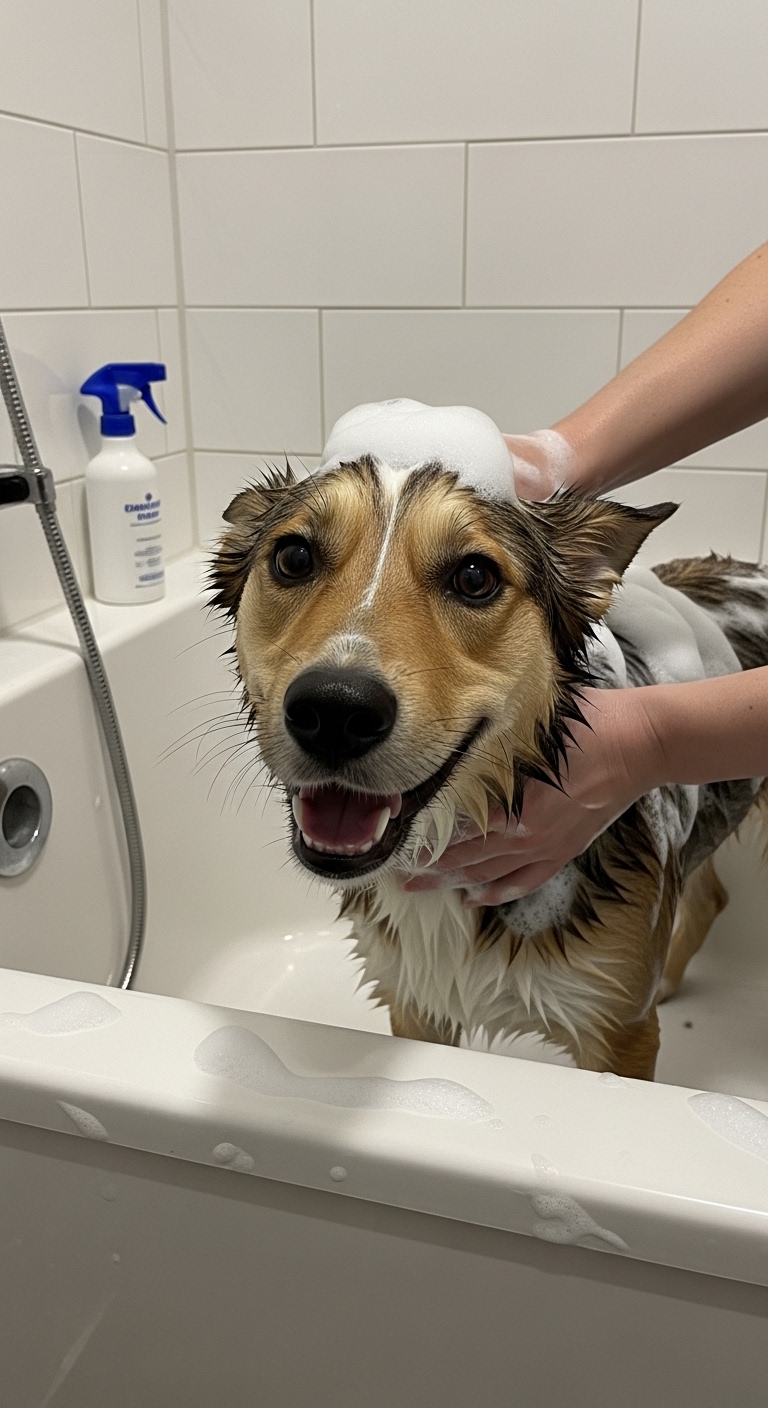
Never use human shampoo on your dog, even if it’s labeled as “mild.” Human skin has a different pH balance, and our shampoos can disrupt their natural protective barrier. Test the water temperature before bathing: it should feel warm but not hot to the touch, similar to a baby’s bath. If your dog has open wounds or severe skin conditions, consult your vet before using any medicated shampoo. Some dogs get anxious during baths, so keep treats handy and use a non-slip mat in the tub to help them feel secure. If your dog has a history of skin reactions, introduce new shampoos slowly and monitor for any changes in behavior or skin condition.
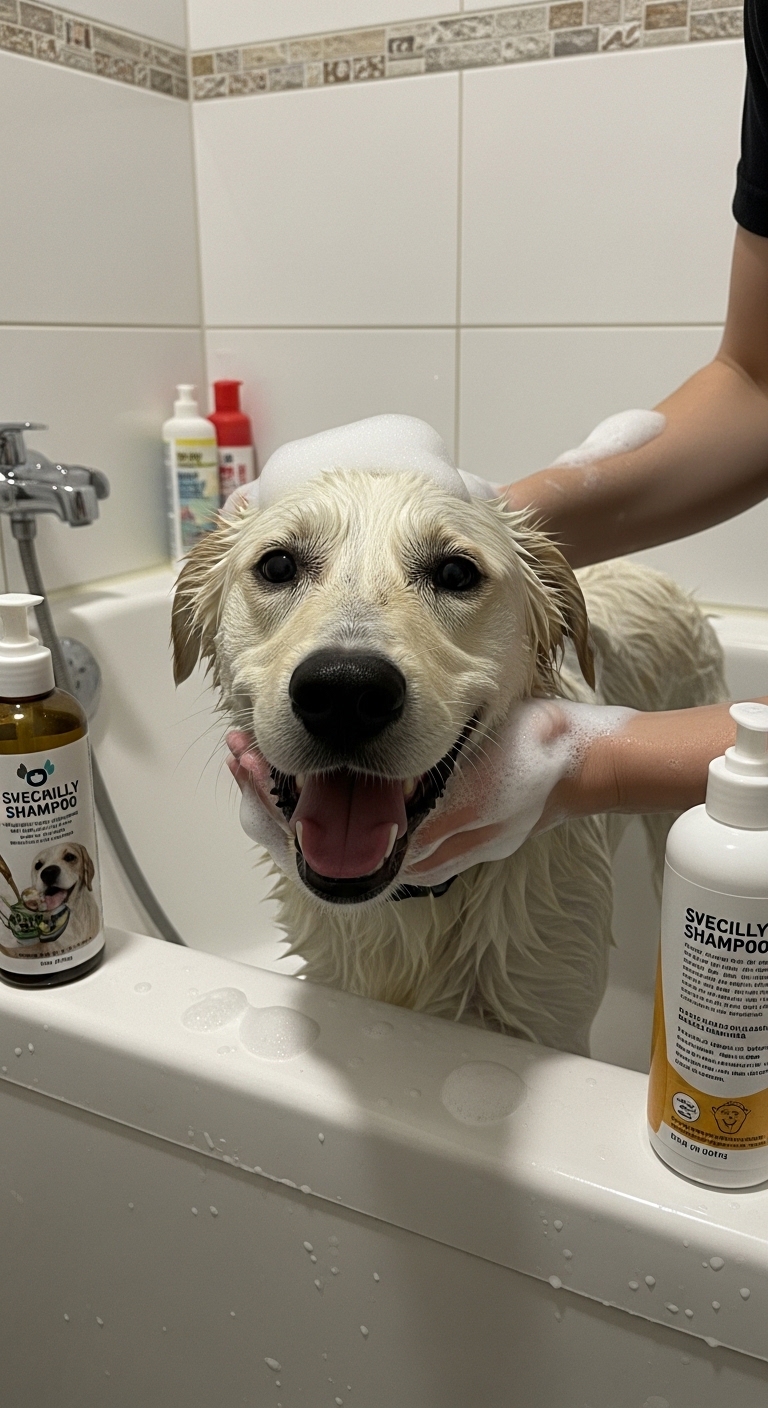
Selecting the right shampoo ensures your dog stays clean, comfortable, and healthy. A little research goes a long way in making bath time a positive experience.
Frequently Asked Questions
- → How often should I bathe my dog with shampoo?
Most dogs benefit from a bath every 4-6 weeks, but this depends on their breed, activity level, and skin condition. Over-bathing can strip natural oils, leading to dry skin. Short-haired breeds may need less frequent baths, while breeds with oily coats or skin conditions may require more regular cleaning.
- → What ingredients should I avoid in dog shampoo?
Avoid shampoos with sulfates (SLS/SLES), parabens, artificial fragrances, and phthalates. These can irritate your dog’s skin, cause allergies, or disrupt their endocrine system. Opt for natural, hypoallergenic formulas with gentle cleansers like coconut-derived surfactants.
- → Can I use human shampoo on my dog?
No, human shampoo is not suitable for dogs. Human skin has a different pH (around 5.5), while dog skin is closer to 6.2-7.4. Human shampoos can disrupt your dog’s skin barrier, leading to irritation, dryness, or infections. Always use a shampoo specifically formulated for dogs.
- → How do I choose the best shampoo for my dog’s skin type?
Identify your dog’s skin type: normal, dry, oily, or sensitive. For dry skin, look for moisturizing ingredients like oatmeal or shea butter. For oily coats, choose degreasing formulas with tea tree oil or salicylic acid. Sensitive skin benefits from hypoallergenic, fragrance-free shampoos with soothing agents like aloe vera.
- → Are natural dog shampoos better than chemical-based ones?
Natural shampoos are often gentler and safer for dogs with sensitive skin or allergies. They avoid harsh chemicals that can cause reactions. However, effectiveness varies—some natural shampoos may not lather as well or clean as thoroughly. Always check reviews and ingredients to ensure the product meets your dog’s needs.
- → Do flea shampoos work better than topical treatments?
Flea shampoos provide immediate relief by killing fleas on contact but offer no residual protection. Topical treatments (like spot-on solutions) and oral medications are more effective for long-term prevention. For severe infestations, combine shampoo with other treatments and consult your vet for the best approach.