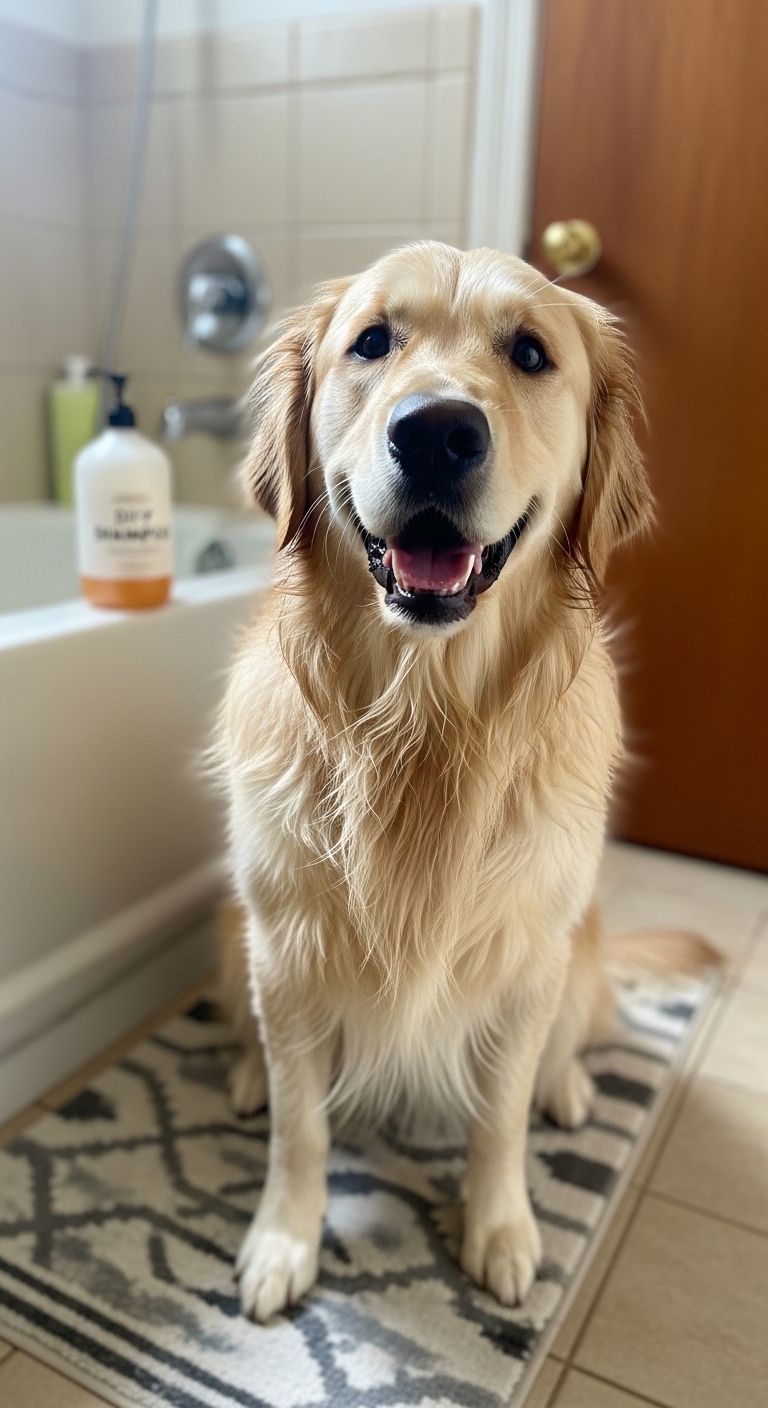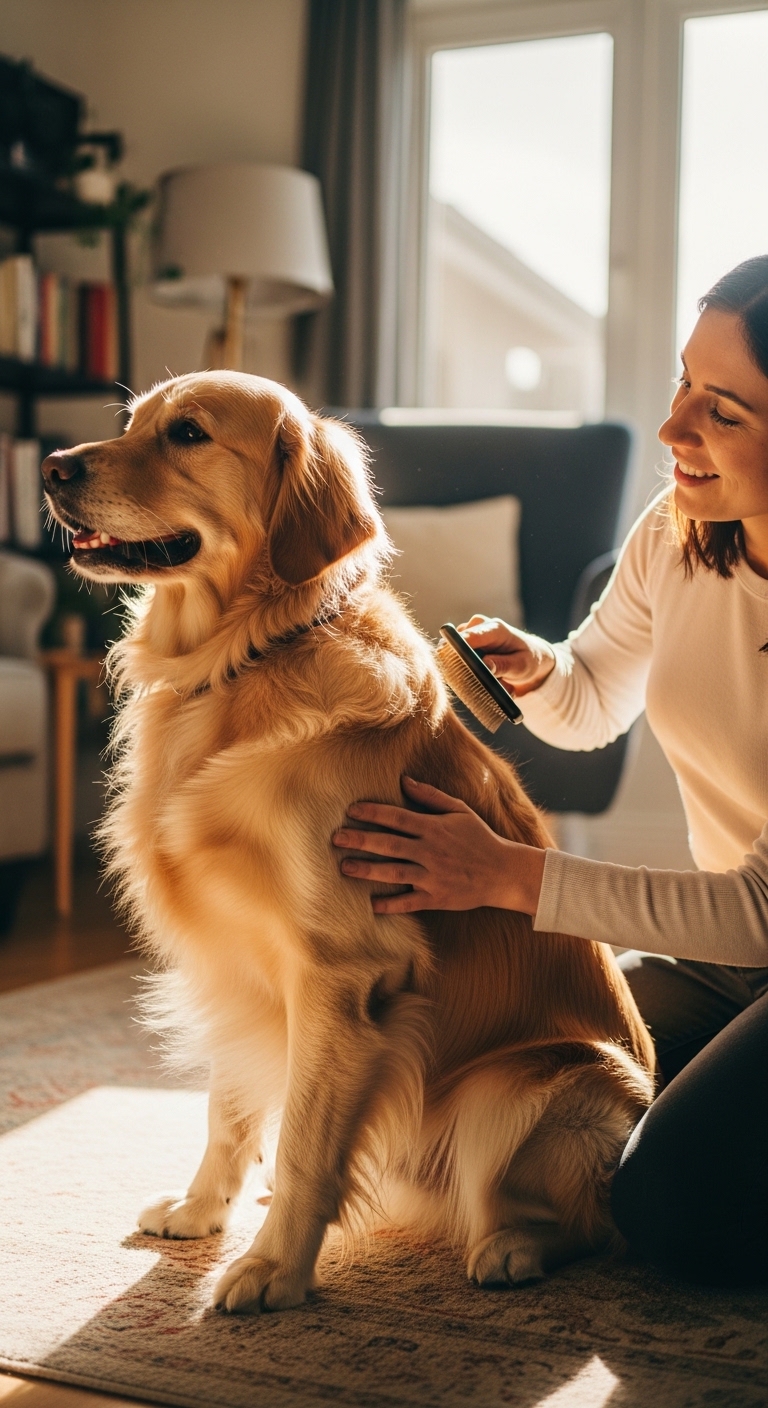
Pet hair on furniture, mysterious stains on carpets, and that lingering "wet dog" smell can make even the most patient pet owner feel like they're constantly playing catch-up. Keeping your home clean with pets around isn't just about appearances: it's about creating a healthier space for both you and your furry friend. Pet dander and dirt can trigger allergies, while lingering odors might signal deeper cleaning issues. A few smart strategies can save you time, money, and frustration while keeping your pet happy and your home fresh.
I remember when I first got a golden retriever, I thought vacuuming every other day would be enough. Turns out, I needed to adjust my approach entirely, especially during shedding season when fur seemed to multiply overnight.
Key Things to Understand
- Static electricity: Pet hair clings to fabrics because of static electricity, making it harder to remove than regular dust
- Harsh chemicals: Many commercial pet cleaners contain harsh chemicals that can irritate your pet's sensitive nose and paws
- Brushing benefits: Regular brushing reduces shedding by up to 90%, cutting down on cleaning time significantly
- Better tools: Microfiber cloths and rubber brooms work better than traditional tools for trapping pet hair
- Sensitive reactions: Some "pet-safe" products still contain ingredients that can cause reactions in sensitive animals
What to Look For
Watch for areas where your pet spends the most time: these spots usually show the most wear and tear. Check furniture seams and carpet edges where hair and dirt accumulate unnoticed. Notice how your pet reacts during cleaning; some may get stressed by certain tools or strong scents. Pay attention to the texture of your pet's coat; longer fur requires different handling than short hair. Observe whether your cleaning products leave behind a residue that might bother your pet's skin or paws.
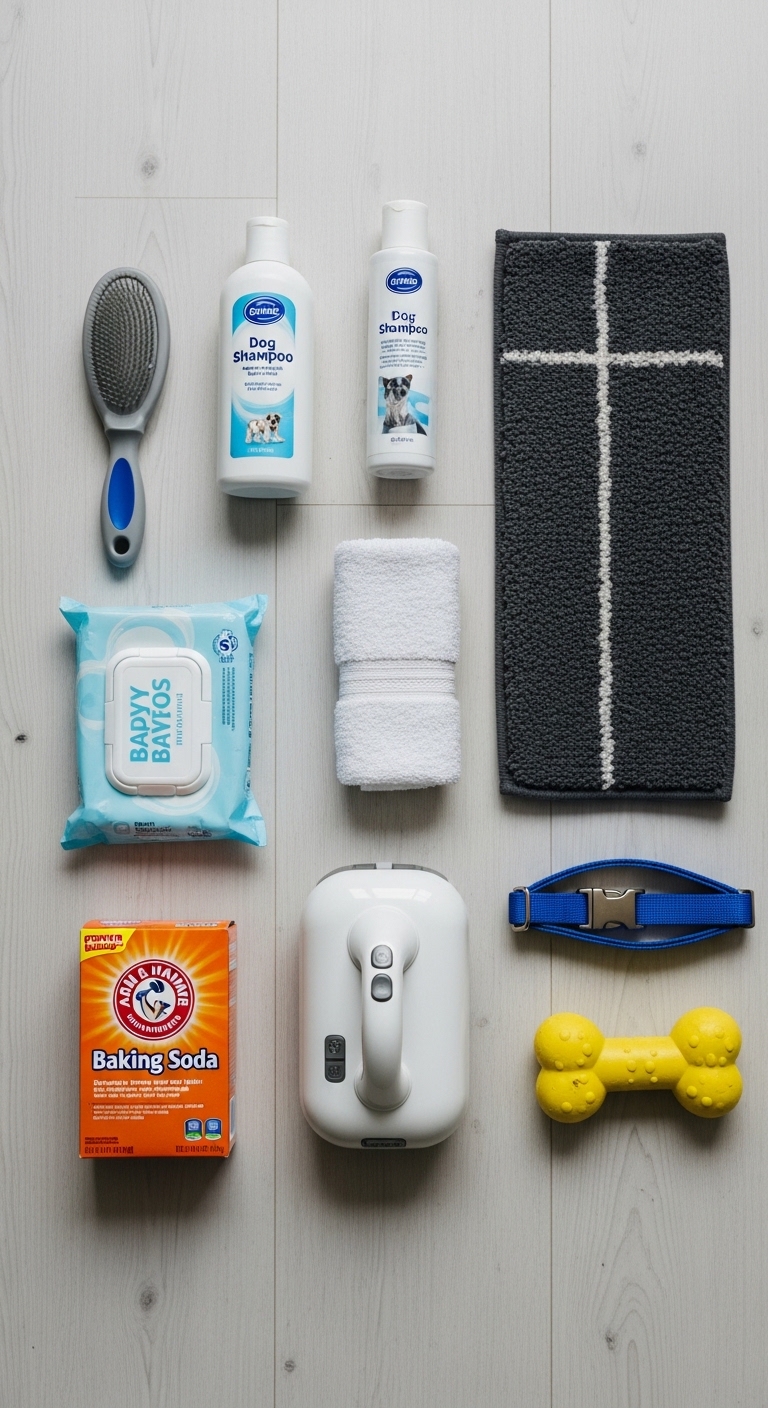
I once used a heavily scented cleaner thinking it would help with odors, only to find my cat completely avoided her favorite spot for days. Now I stick to unscented, pet-safe options and stick to a consistent routine that my pets actually tolerate.
Daily Care Habits
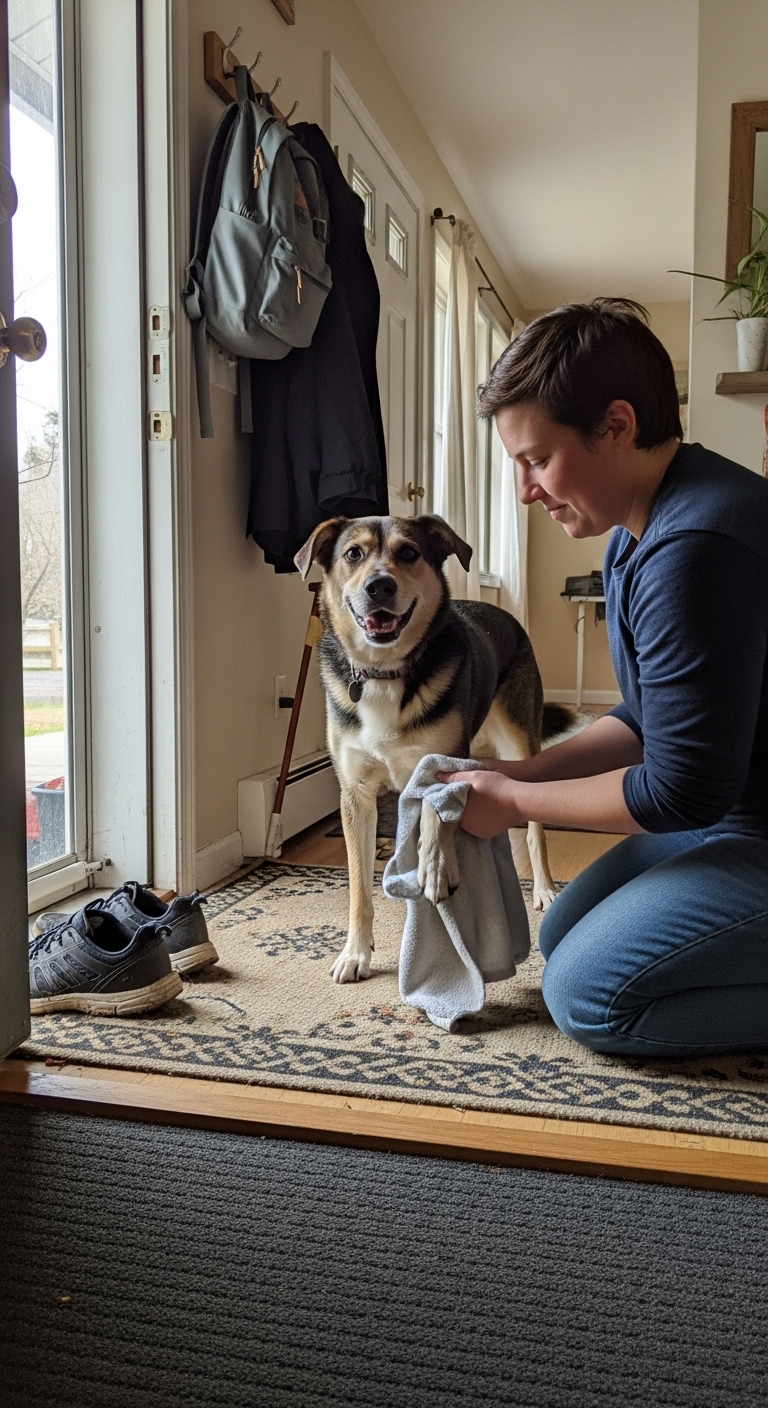
Set aside 10 minutes each morning for quick surface cleaning where your pet sleeps or eats. Keep a lint roller in your car and purse for instant fur removal from clothes. Wipe your pet's paws after walks to prevent dirt from spreading through your home. Rotate toys weekly to keep them clean and interesting for your pet.
Choosing the Right Product
Look for cleaners labeled specifically for pet messes rather than general household products. Avoid anything with ammonia, bleach, or artificial fragrances that can irritate your pet's respiratory system. Consider enzymatic cleaners for organic stains: they break down the source rather than just masking odors. Check the pH balance; products too acidic or alkaline can damage surfaces and irritate your pet's skin.
Safety and Comfort
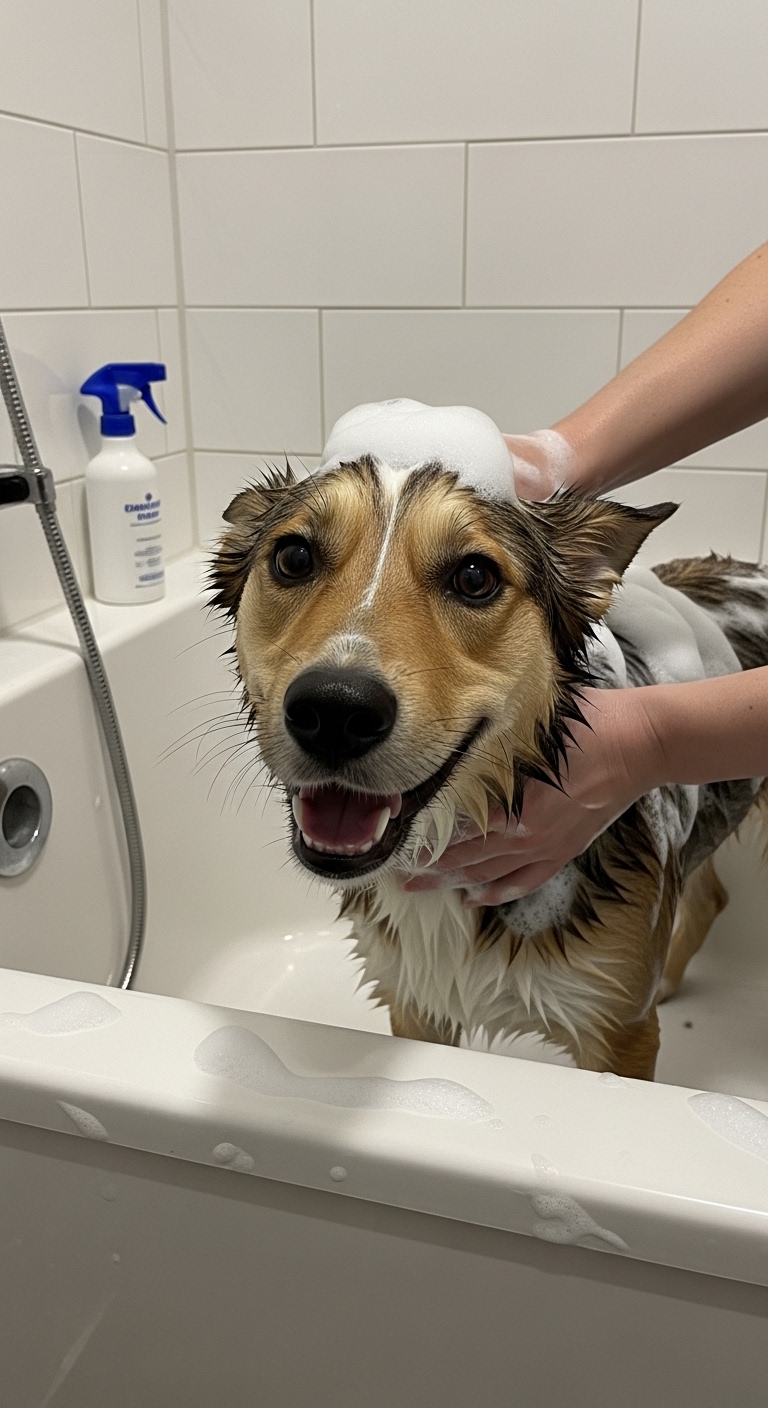
Keep cleaning supplies locked away where curious paws can't reach them. Watch for signs of stress during cleaning sessions: panting, hiding, or excessive licking can indicate discomfort. Use non-slip mats in areas where you clean to prevent accidents for both you and your pet. Consider your pet's age and mobility when choosing cleaning tools; older pets may need gentler approaches.
Small adjustments to your routine can make a big difference in keeping your home fresh without compromising your pet's comfort.
Frequently Asked Questions
- → How do I remove pet hair from furniture quickly?
Use a rubber glove or damp sponge to gather fur in one swipe. For deeper cleaning, vacuum with an upholstery attachment or use a lint roller for tight spaces.
- → What’s the best DIY pet shampoo for sensitive skin?
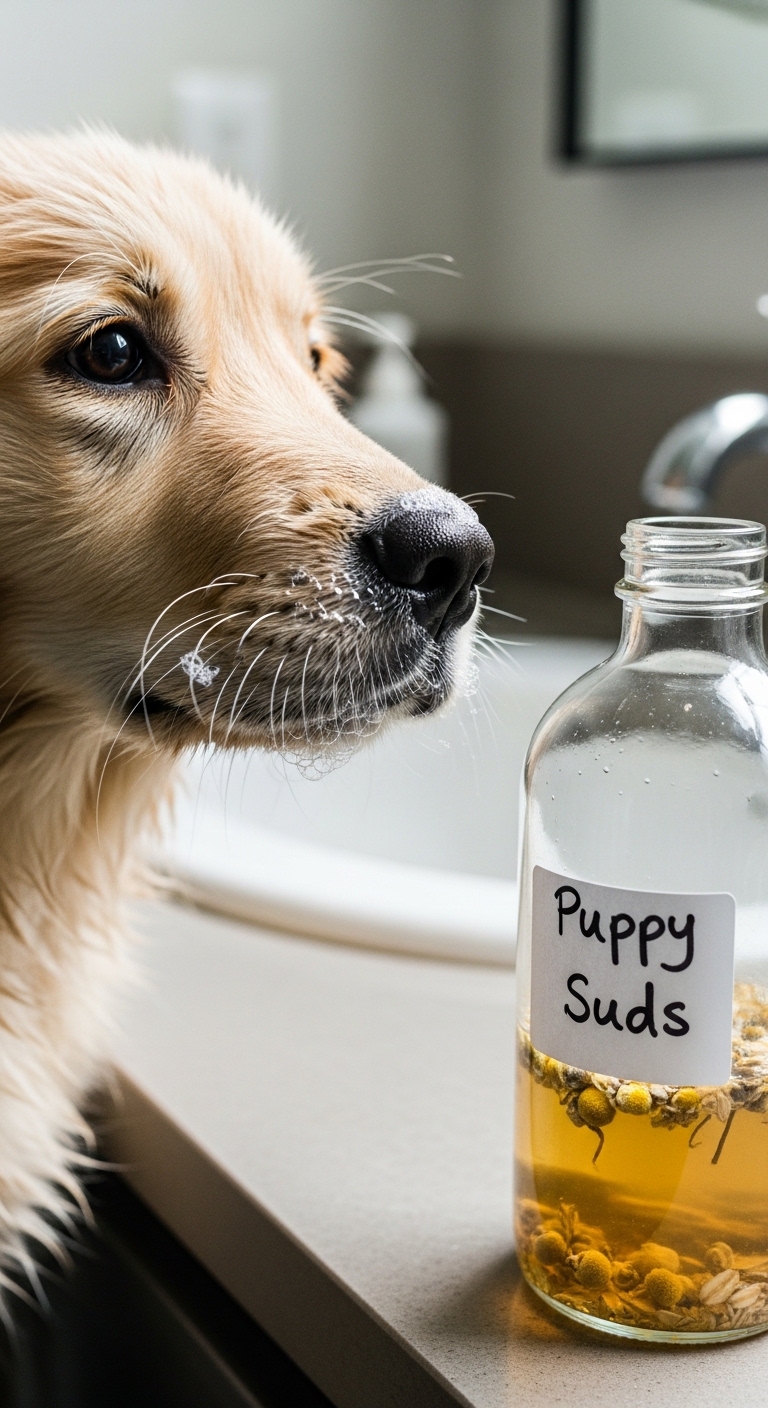
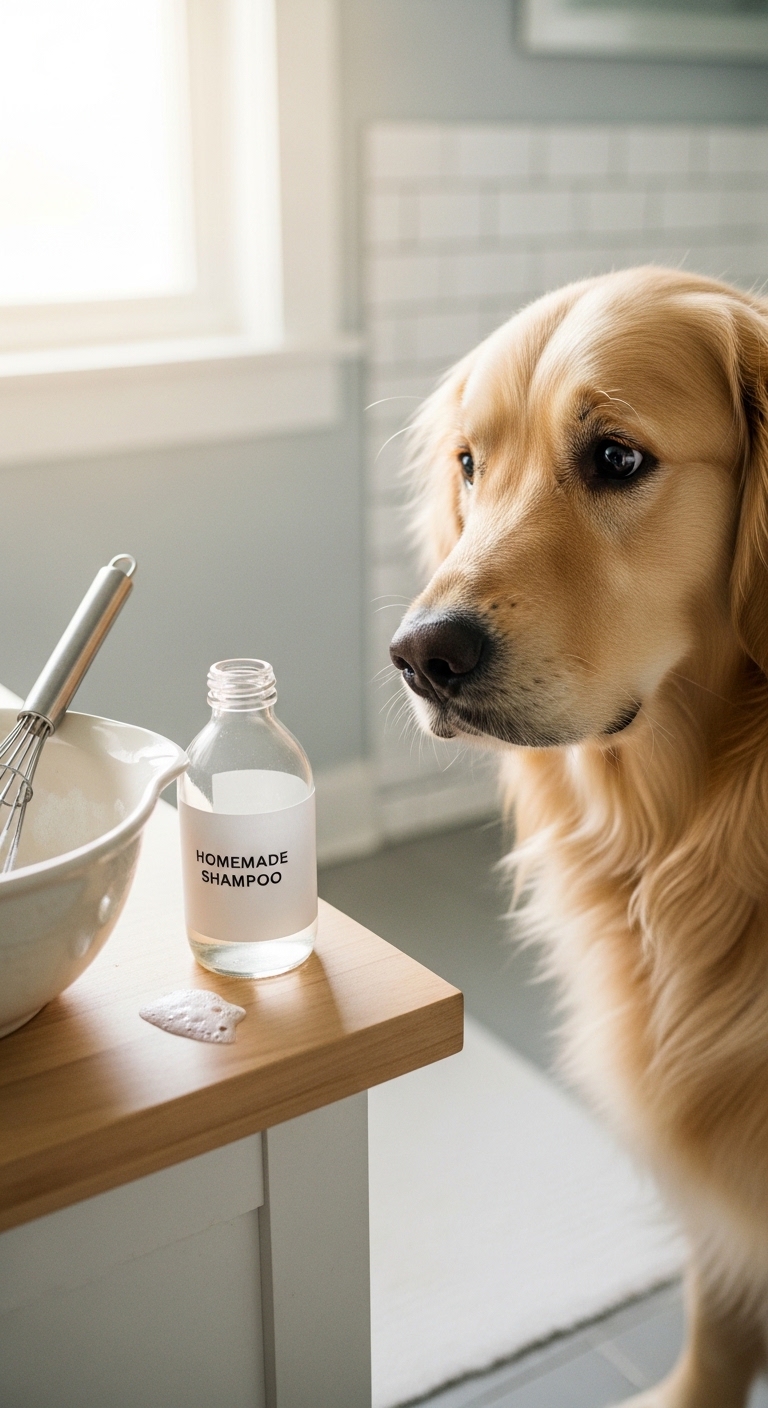
Mix 1 cup of warm water, ¼ cup of apple cider vinegar, and ½ cup of baking soda. Add a few drops of mild dish soap for extra cleaning power. Test on a small area first.
- → How can I eliminate pet odors from carpets naturally?
Sprinkle baking soda liberally on the carpet, let it sit for 15 minutes, then vacuum thoroughly. For tough odors, mix equal parts water and white vinegar in a spray bottle and lightly mist before sprinkling baking soda.
- → What’s the easiest way to clean pet paws after a walk?
Use pet-safe wipes or a damp microfiber cloth with a bit of coconut oil to wipe away dirt and debris. Keep a towel by the door for quick cleanups.
- → How do I prevent fur buildup on clothes and furniture?
Regular brushing reduces shedding. Use washable furniture covers and lint rollers for quick fixes. A rubber glove works wonders for gathering fur from fabric surfaces.
- → Can I use vinegar to clean my pet’s ears safely?
Dilute white vinegar with equal parts water and use a cotton ball to gently clean the outer ear. Avoid inserting anything into the ear canal. Consult your vet for persistent issues.