Are eggs good for dogs? It’s a question many pet owners ask when looking for healthy, natural treats or meal boosters for their furry friends. Eggs are packed with protein, vitamins, and healthy fats that can support your dog’s energy, coat, and overall health. But before you start scrambling up a batch for your pup, it’s important to understand how to safely incorporate them into their diet.
I’ve seen dogs go from dull coats to shiny and energetic after adding cooked eggs to their meals, but it’s all about balance and preparation.
Key Things to Understand
- Nutritional benefits: Eggs are high in protein and healthy fats which can benefit dogs in moderation
- Raw egg risks: Raw eggs carry a small risk of salmonella or biotin deficiency, so cooking them is usually safer
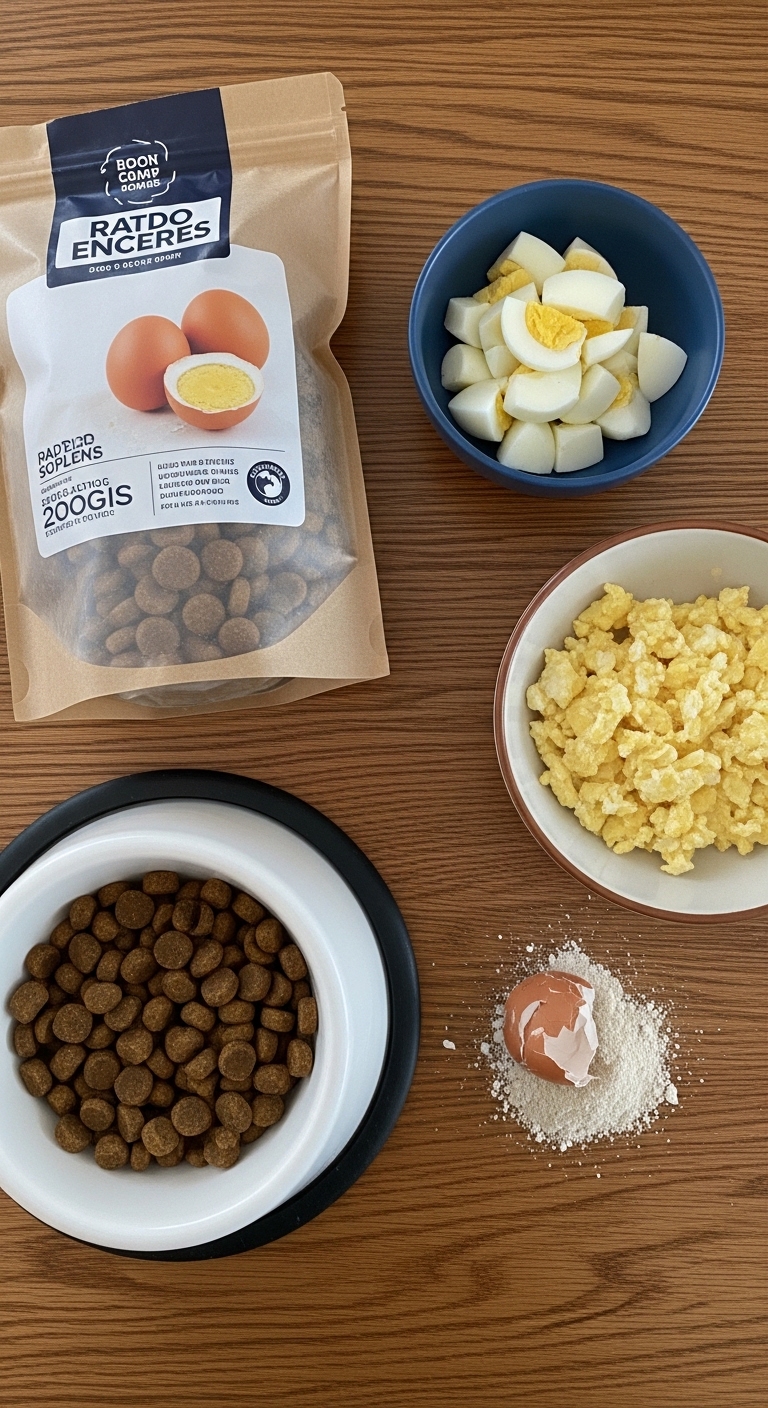
- Shell benefits: The shell can be a great source of calcium if crushed finely, but it should be introduced slowly
- Portion control: Too much egg can lead to weight gain or digestive upset, so portion control matters
- Gradual introduction: Always introduce new foods like eggs gradually to monitor for any adverse reactions
What to Look For
When adding eggs to your dog’s diet, pay attention to how they react after eating them. Some dogs may show signs of an upset stomach like vomiting or diarrhea if they’re not used to rich foods. Watch for changes in their energy levels or coat condition over a few weeks. If their fur becomes shinier and they seem more lively, eggs are likely agreeing with them. On the flip side, if you notice itching, excessive scratching, or loose stools, it might be a sign your dog is sensitive to eggs. Always start with small amounts, like a teaspoon for a small dog or a tablespoon for a larger one, and see how they handle it before increasing the portion.
I once had a client whose dog loved eggs but started sneezing and scratching after eating them. Turns out, it was an allergy, and we had to switch to a different protein source. Always keep an eye out for those subtle signs.
Daily Care Habits
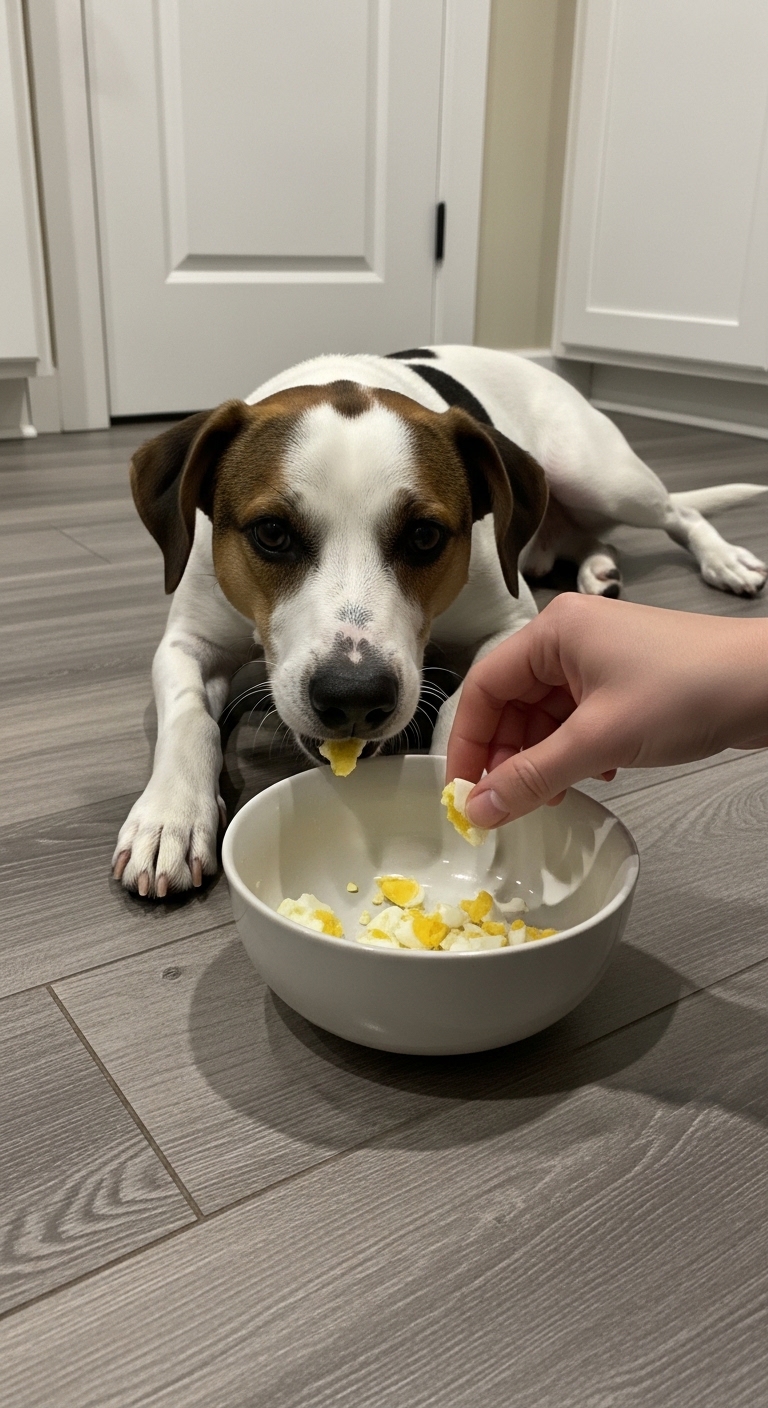
Feeding eggs occasionally as a treat or mixing them into meals can be a simple way to boost nutrition. For dogs with sensitive stomachs, cooked eggs are gentler than raw ones. If your dog isn’t used to eggs, start with a tiny amount and see how they handle it. You can serve them scrambled, boiled, or even baked into dog-friendly treats. Just skip the salt and spices: plain is best.
Choosing the Right Product
If you’re buying eggs for your dog, opt for organic or free-range when possible. These eggs tend to have better nutrient profiles and fewer additives. Avoid eggs from unknown sources, as they might carry contaminants. For dogs with allergies, consider introducing eggs slowly or consulting your vet before making them a regular part of their diet.
Safety and Comfort
Always cook eggs thoroughly to kill any bacteria like salmonella. Avoid feeding eggs with runny yolks if your dog is prone to pancreatitis, as the fat content can be too rich. If your dog has a history of food sensitivities, introduce eggs one at a time and monitor their reaction closely. When in doubt, ask your vet before making dietary changes.
Cleaning and Hygiene
If you’re feeding eggs with shells, make sure to clean them thoroughly to remove any dirt or bacteria. Crush the shells finely to prevent choking hazards and mix them into food gradually. Store eggs properly in the fridge to keep them fresh, and discard any that smell off or have a strange texture.
Eggs can be a simple, healthy addition to your dog’s diet when prepared and served correctly. Always prioritize balance and observation to ensure they benefit your pup’s health.
Frequently Asked Questions
- → Can dogs eat eggs raw?
No, raw eggs are not recommended for dogs. They may contain harmful bacteria like salmonella or E. coli, which can cause food poisoning. Cooking eggs thoroughly kills these risks and makes them safer for your pet.
- → How often can I give my dog eggs?
Eggs should be an occasional treat, not a daily food. Limit to 1-2 times per week to avoid excess fat and calories. Adjust portions based on your dog’s size and dietary needs.
- → Are eggs good for a dog’s coat?
Yes! Eggs are high in protein and healthy fats, which promote a shiny coat and healthy skin. The biotin in eggs also supports fur strength and reduces shedding.
- → What’s the best way to serve eggs to dogs?
Boiled or scrambled eggs (without oil, butter, or seasoning) are safest. Avoid adding salt, pepper, or spices. Serve plain and in moderation to prevent digestive upset.
- → Can puppies eat eggs?
Yes, but introduce them gradually and in small amounts. Puppies need balanced diets for growth, so eggs should complement their regular puppy food, not replace it. Consult your vet first.
- → Do eggs cause allergies in dogs?
Some dogs may be allergic to eggs, though it’s less common than allergies to beef or dairy. Watch for symptoms like itching, vomiting, or diarrhea after feeding. If suspected, discontinue and consult a vet.
- → Can diabetic dogs eat eggs?
Eggs are low in carbs and high in protein, making them a safer option for diabetic dogs than high-carb treats. However, always check with your vet to ensure they fit into your dog’s meal plan.