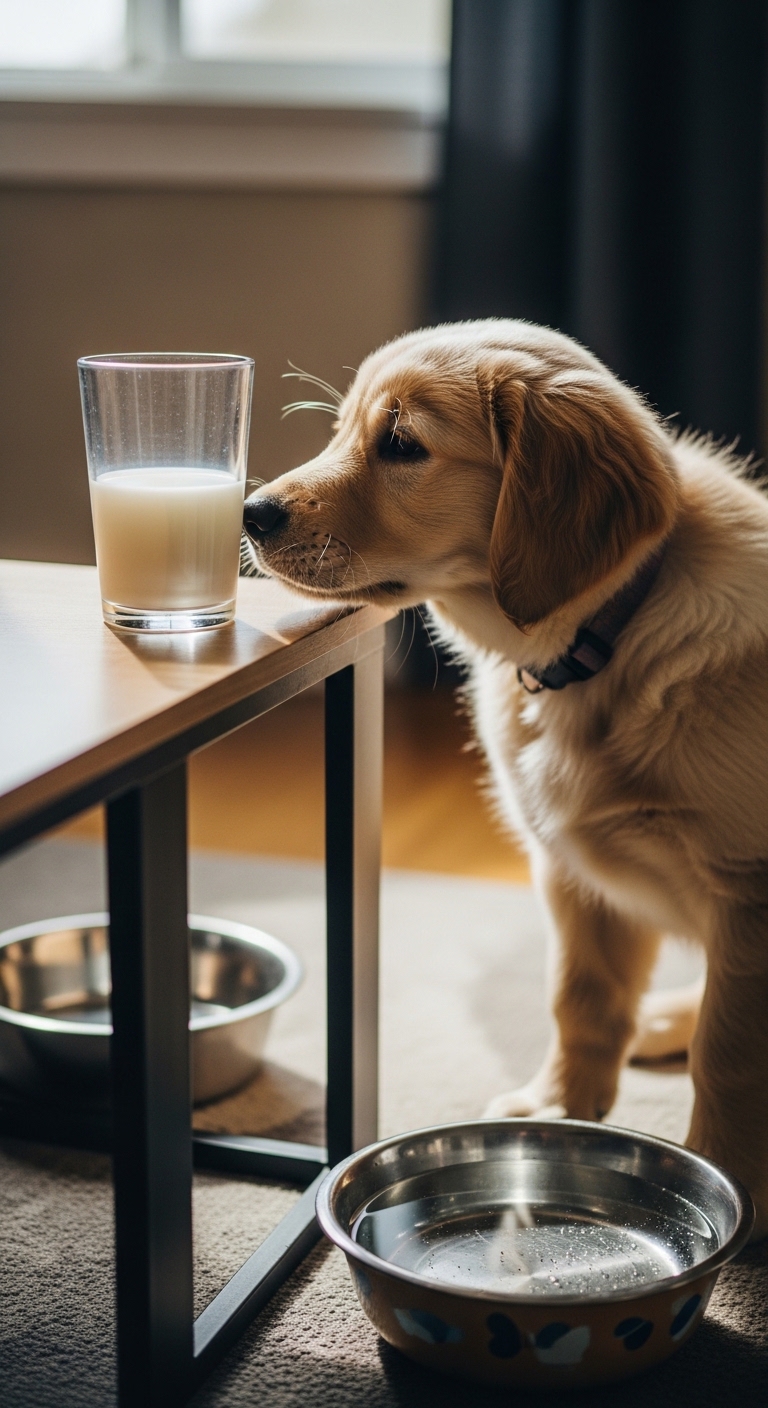
Can dogs have peas? This is a question many pet owners ask when looking for healthy, affordable, and easy-to-find ingredients to add to their dog’s diet. Peas are a common ingredient in many commercial dog foods, but not all dogs tolerate them well. Understanding whether peas are safe and in what form can help you make better choices for your pet’s nutrition without risking digestive upset or other health issues.
Peas might seem like a simple ingredient, but they can make a big difference in your dog’s meals if you know what to watch for.
Key Things to Understand
- Safety in moderation: Peas are generally safe for dogs in moderation but can cause issues if overfed.
- Allergies and sensitivities: Some dogs have allergies or sensitivities to peas, which may lead to itching, digestive upset, or even ear infections.
- Best forms: Fresh, plain peas are the safest option, while canned peas often contain added salt or preservatives that aren’t ideal for pets. Frozen peas can be a convenient alternative, but they should be thawed and served plain without any seasoning.
- Gradual introduction: Always introduce new foods slowly to monitor your dog’s reaction.
What to Look For
Watch for signs that peas agree with your dog, like normal bowel movements and no excessive gas or bloating. If your dog shows itching, redness, or ear infections after eating peas, they may have an allergy. Check the ingredient list on commercial dog foods: if peas are listed among the first few ingredients, the food likely contains a high amount, which isn’t always necessary for a balanced diet. For homemade meals, use plain peas without butter, salt, or other additives. If your dog has kidney issues, avoid feeding them too many peas, as they contain purines that can contribute to urinary problems.
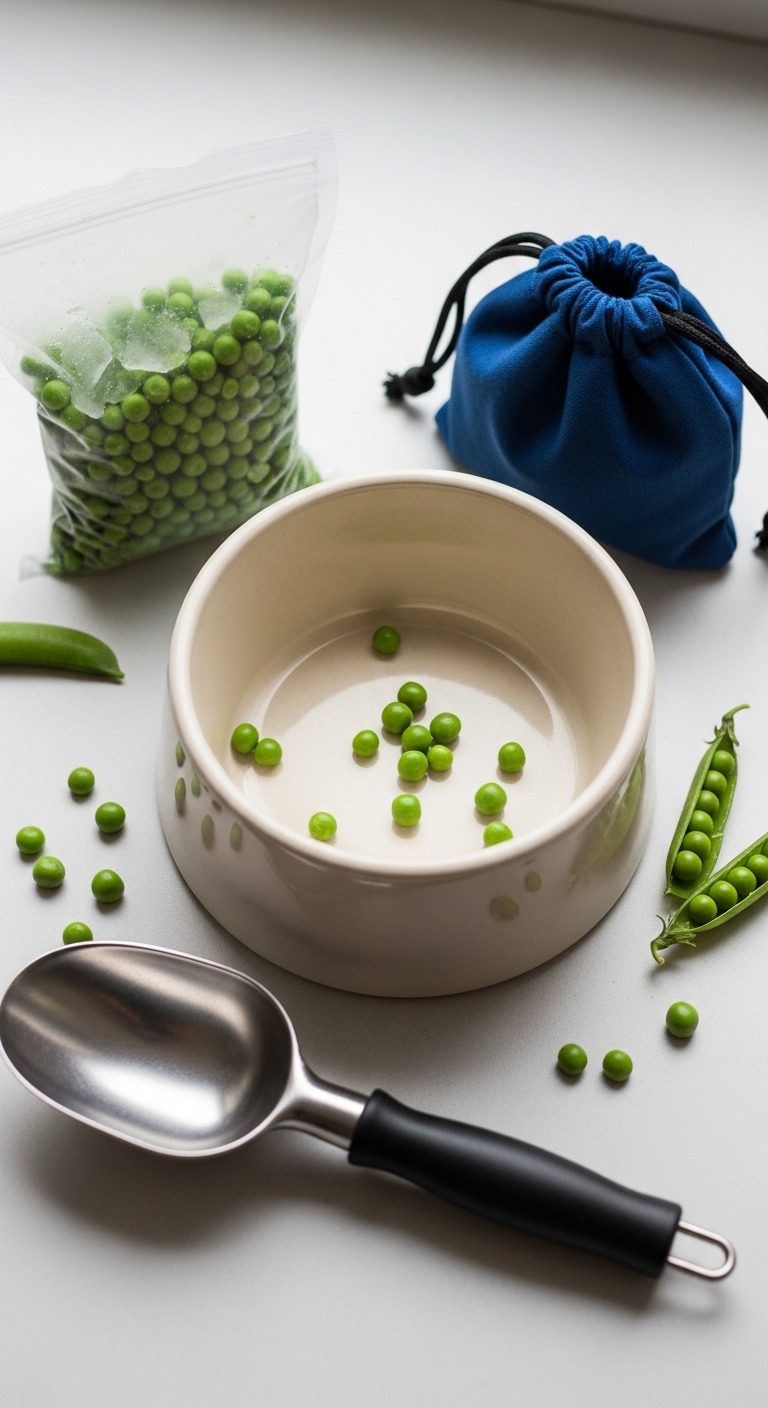
Peas in moderation can be a healthy addition to your dog’s diet, but they’re not essential. If your dog already eats a balanced commercial diet, adding peas might not provide any extra benefits. Always consult your vet before making significant changes to your dog’s diet, especially if they have pre-existing health conditions.
Daily Care Habits
Incorporating peas into your dog’s meals can be as simple as mixing a few plain, cooked peas into their regular food once or twice a week. This can be a great way to add fiber and nutrients without overhauling their diet. If your dog enjoys peas, you can also use them as a low-calorie training treat during walks or playtime. Just remember to keep portions small: about one teaspoon per 10 pounds of body weight is a good rule of thumb.
Choosing the Right Product
When selecting dog food that includes peas, look for high-quality brands that list peas further down the ingredient list rather than at the top. This indicates they’re used more as a supplement than a primary ingredient. Avoid foods with added salt, garlic, or onion, as these can be toxic to dogs. If you’re buying frozen peas for homemade meals, choose plain varieties without sauces or seasonings. Always check the label for any additives that could harm your pet.
Safety and Comfort
Peas are generally safe, but some dogs may experience bloating or gas if they eat too many at once. If your dog has a sensitive stomach, start with a small amount and monitor their reaction. Never feed your dog peas that have been cooked with butter, oil, or seasonings, as these can cause pancreatitis or other digestive issues. If your dog shows signs of discomfort after eating peas, such as vomiting or diarrhea, discontinue feeding them and consult your vet.
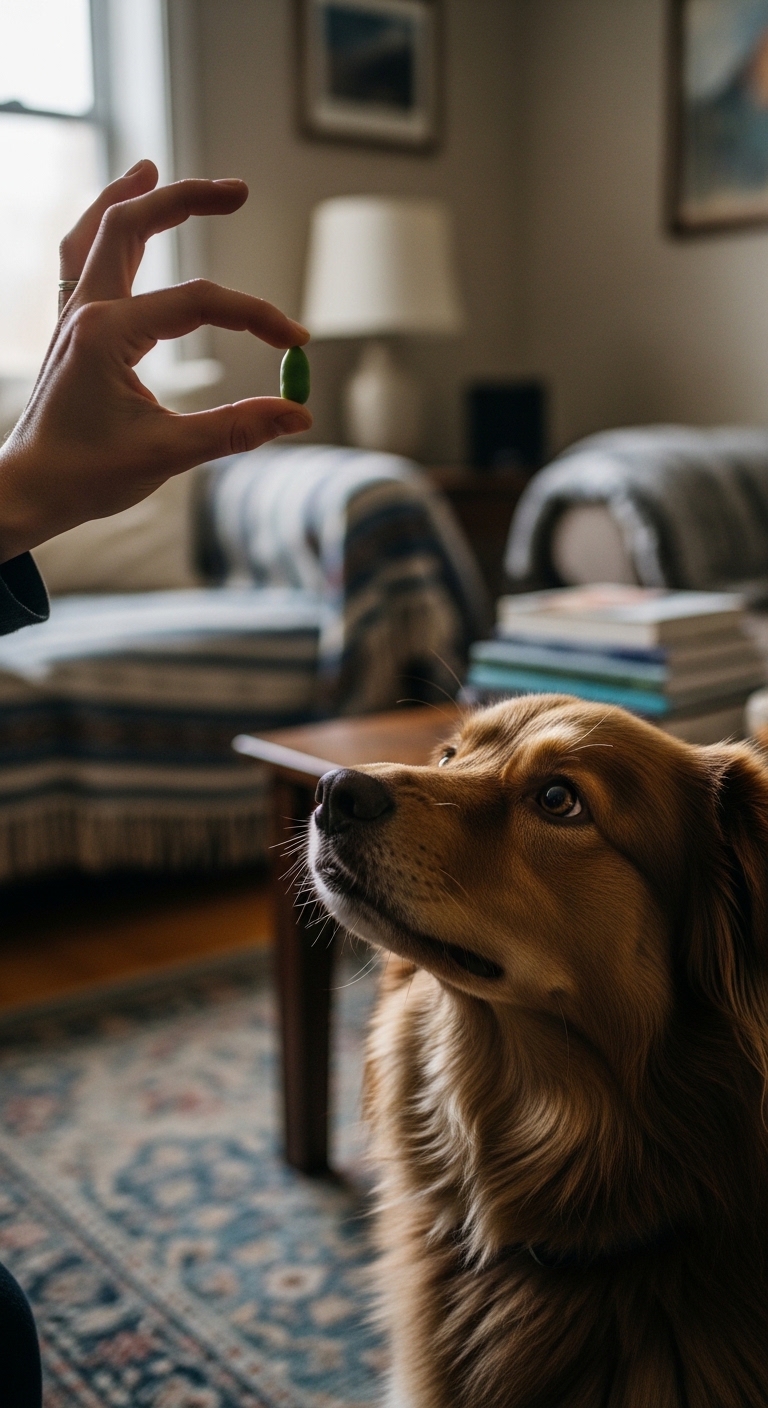
Adding peas to your dog’s diet can be a simple way to boost nutrition, but always prioritize balance and moderation.
Frequently Asked Questions
- → Are peas safe for all dogs to eat?
Most dogs can safely eat peas, but those with kidney problems or prone to bladder stones should avoid them due to purine content. Always introduce new foods gradually and in small amounts.
- → How should I prepare peas for my dog?
Serve peas plain, either fresh, steamed, or frozen. Avoid canned peas with added salt or seasonings. Chop them into smaller pieces for smaller dogs to prevent choking.
- → Can puppies eat peas?
Yes, puppies can eat peas in moderation. Ensure they are soft and easy to digest. Introduce peas slowly to their diet to avoid stomach upset.
- → What are the benefits of feeding peas to dogs?
Peas provide fiber, protein, and essential vitamins like A, K, and B. They support digestion, muscle health, and overall well-being when included as part of a balanced diet.
- → How many peas can I give my dog?
The serving size depends on your dog's size. Small dogs can have a few peas, while larger breeds can enjoy a tablespoon or two. Always start with a small amount to monitor tolerance.
- → Can dogs eat pea pods?
No, dogs should not eat pea pods as they are difficult to digest and can cause intestinal blockages. Only serve the peas themselves, not the pods or shells.
- → Are there any risks associated with feeding peas to dogs?
While peas are generally safe, overfeeding can lead to digestive issues like gas or bloating. Dogs with certain health conditions, such as kidney disease, should avoid peas due to purine content.