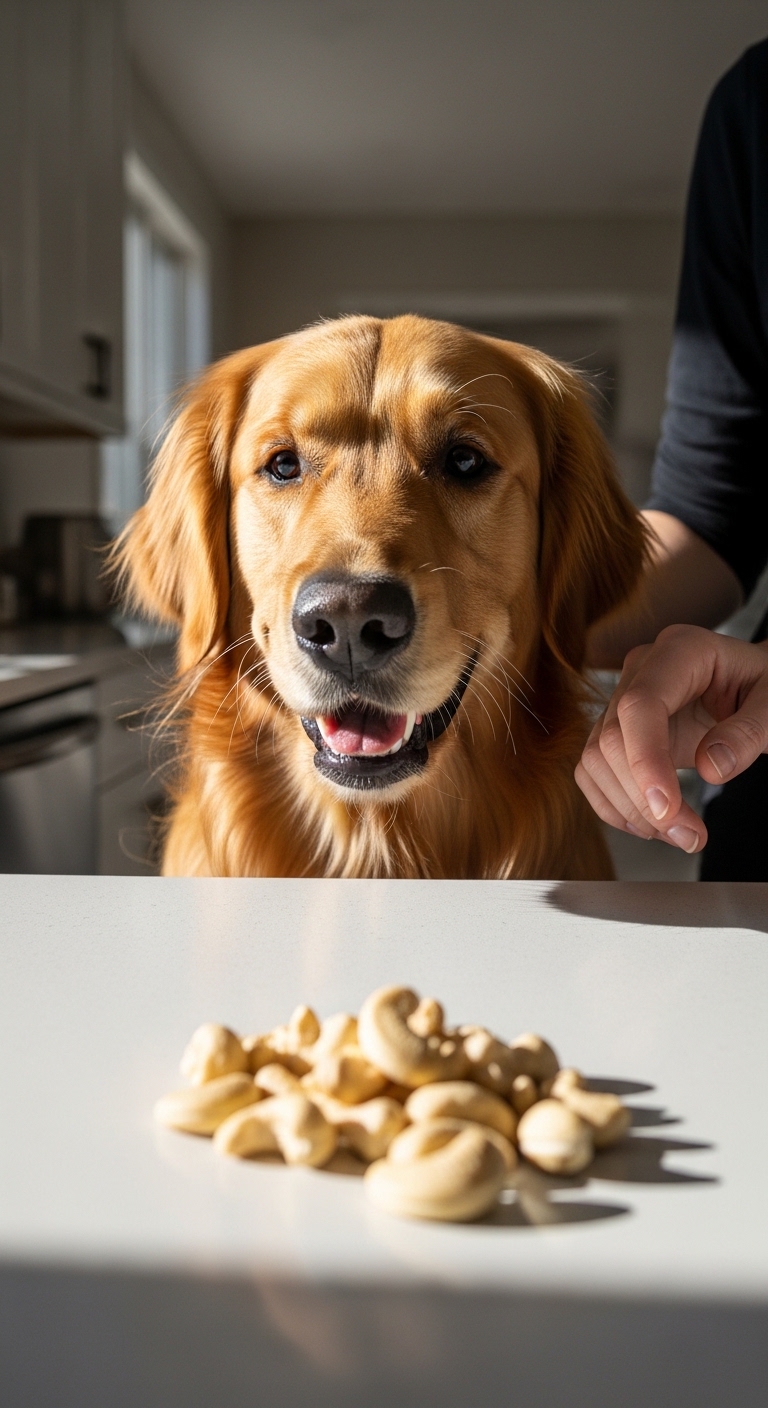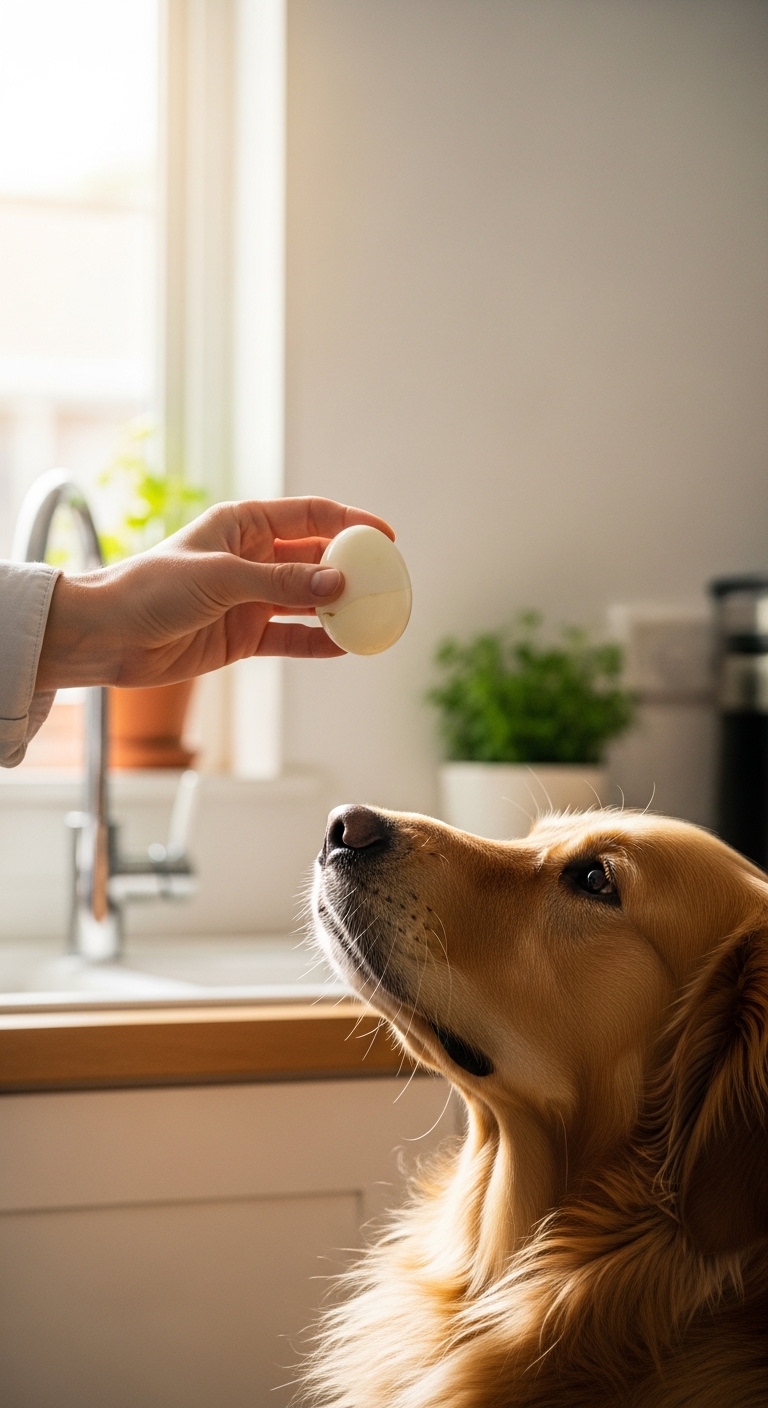
Can dogs have eggs? It’s a question many pet owners ask, especially when looking for healthy, protein-packed treats to add to their dog’s diet. Eggs are a common human food, but are they safe for dogs? The answer isn’t as simple as yes or no: it depends on how you prepare them and your dog’s health. Some dogs thrive on eggs, while others might experience digestive upset or allergies. Understanding the right way to serve eggs can make a big difference in your dog’s nutrition and well-being.
If you’ve ever wondered whether scrambled eggs are okay for your pup or if you can share your breakfast plate, this is the place to find clear answers.
Key Things to Understand
- Safety: Eggs are safe for most dogs when cooked properly, as they provide high-quality protein and fatty acids that support skin, coat, and muscle health.
- Raw eggs: Raw eggs should be avoided because they can contain harmful bacteria like salmonella, which poses health risks to both dogs and humans.
- Allergies: Some dogs may be allergic to eggs, so it’s important to introduce them slowly and watch for signs like itching, vomiting, or diarrhea.
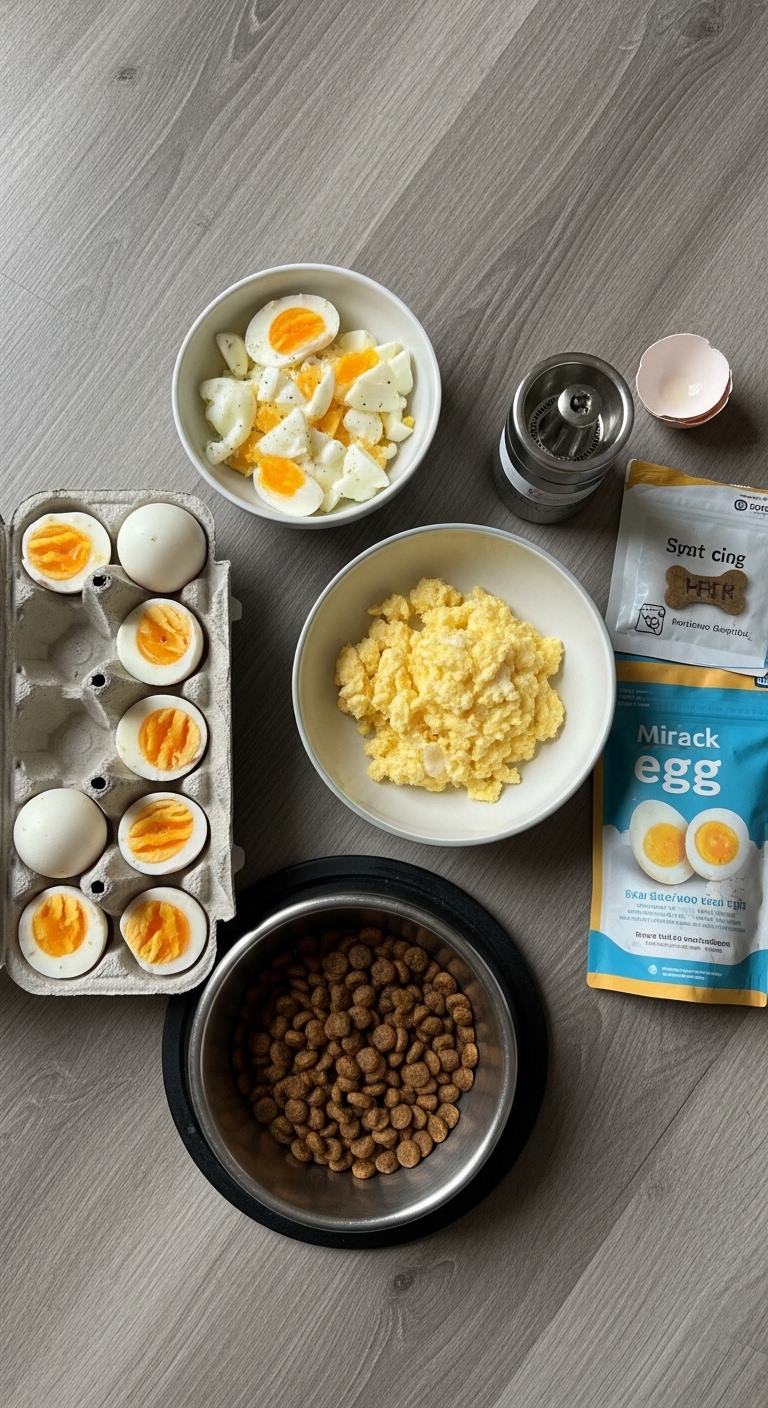
- Cooking methods: The way you cook eggs matters: boiled, scrambled without oil or seasoning, or poached are the safest options.
- Portion control: Portion size is key; eggs should only make up a small part of your dog’s diet to avoid nutritional imbalances.
What to Look For
When considering eggs for your dog, pay attention to how they react after eating them. A healthy dog should tolerate eggs well, showing no signs of digestive upset or allergic reactions. Watch for changes in their energy levels, coat condition, and overall behavior in the hours and days after feeding. If your dog seems lethargic, develops a rash, or experiences vomiting or diarrhea, it’s a sign they may not tolerate eggs well. Also, observe their stool: firm, well-formed stools are a good sign, while loose or frequent stools could indicate a problem.
Another thing to consider is the quality of the eggs you’re using. Organic, free-range eggs are often a better choice because they’re less likely to contain antibiotics or hormones. If your dog has a sensitive stomach, starting with a small amount of cooked egg can help you gauge their tolerance before making it a regular treat.
While eggs are nutritious, they shouldn’t replace a balanced diet formulated for dogs. Moderation and proper preparation are key to safely incorporating eggs into your dog’s meals.
Feeding Eggs Safely
Before introducing eggs to your dog’s diet, consult your vet, especially if your dog has health issues or dietary restrictions. Start with a small amount (about a teaspoon for small dogs and a tablespoon for larger breeds) and monitor their reaction over the next 24 hours. If they tolerate it well, you can gradually increase the portion, but remember that eggs should never make up more than 10% of their daily caloric intake.
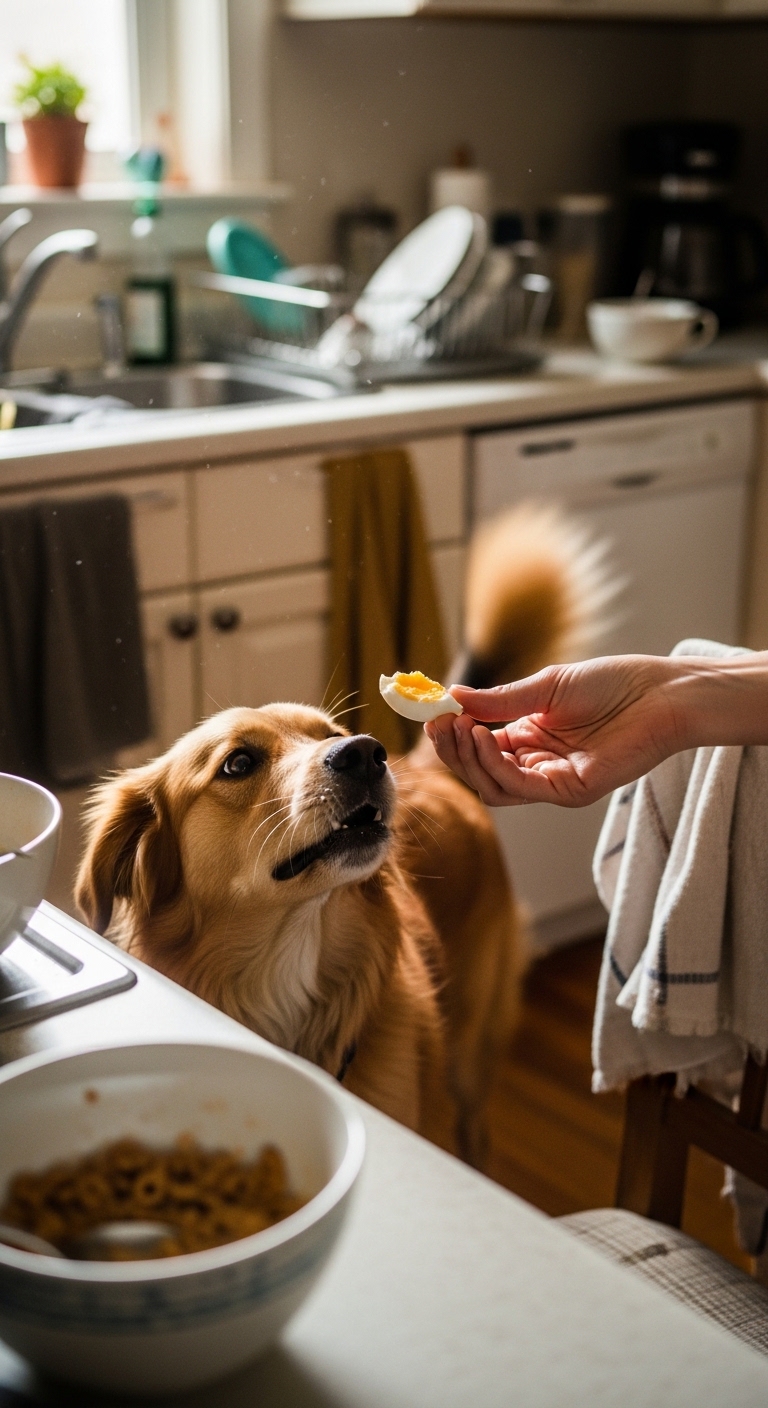
For dogs with sensitive stomachs, boiled eggs are often the easiest to digest. Scrambled eggs are fine too, but avoid using butter or oil in the cooking process. If your dog enjoys eggs, you can mix a small piece into their regular food as a topper to make mealtime more exciting. Just be mindful of portion sizes to prevent weight gain or digestive upset.
Choosing the Right Eggs
Opt for high-quality eggs, such as organic or free-range, to minimize exposure to antibiotics or hormones. These are generally safer and more nutritious for your dog. Avoid eggs from unknown sources or those that have been treated with chemicals, as these could harm your pet’s health.
Monitoring Your Dog’s Health
Keep an eye on your dog’s reaction to eggs over time. Even if they initially tolerate eggs well, allergies or sensitivities can develop later. Regular check-ins with your vet can help ensure eggs remain a safe and beneficial part of their diet.
Eggs can be a healthy addition to your dog’s diet when given correctly. Always prioritize safety and moderation to keep your pet happy and well-nourished.
Frequently Asked Questions
- → Are eggs safe for all dogs to eat?
Most dogs can safely eat eggs, but always introduce them gradually. Some dogs may have allergies or sensitivities, so watch for signs like itching, vomiting, or diarrhea. Consult your vet if your dog has a history of food allergies.
- → How should I prepare eggs for my dog?
Cook eggs thoroughly without any seasoning, salt, or oil. Scrambled or boiled eggs are the best options. Avoid raw eggs due to the risk of salmonella and never feed eggshells, as they can cause choking or internal injuries.
- → How often can I give eggs to my dog?
Eggs should be given as an occasional treat, not a daily staple. A good rule is to limit eggs to 1-2 times per week, depending on your dog's size and dietary needs. Always adjust portion sizes based on your dog's weight and activity level.
- → Can eggs help with my dog's coat health?
Yes! Eggs are rich in omega-3 fatty acids and biotin, which promote a shiny coat and healthy skin. Regular, moderate egg consumption can improve your dog's fur texture and reduce shedding.
- → What are the risks of feeding eggs to dogs?
The main risks include salmonella poisoning from raw eggs, choking hazards from eggshells, and digestive upset if introduced too quickly. Always cook eggs thoroughly and monitor your dog for any adverse reactions after their first few servings.
- → Can puppies eat eggs?
Yes, puppies can eat eggs in moderation as part of a balanced diet. Eggs provide essential nutrients for growth, but always consult your vet to ensure the eggs fit into your puppy's specific dietary needs and portion sizes.