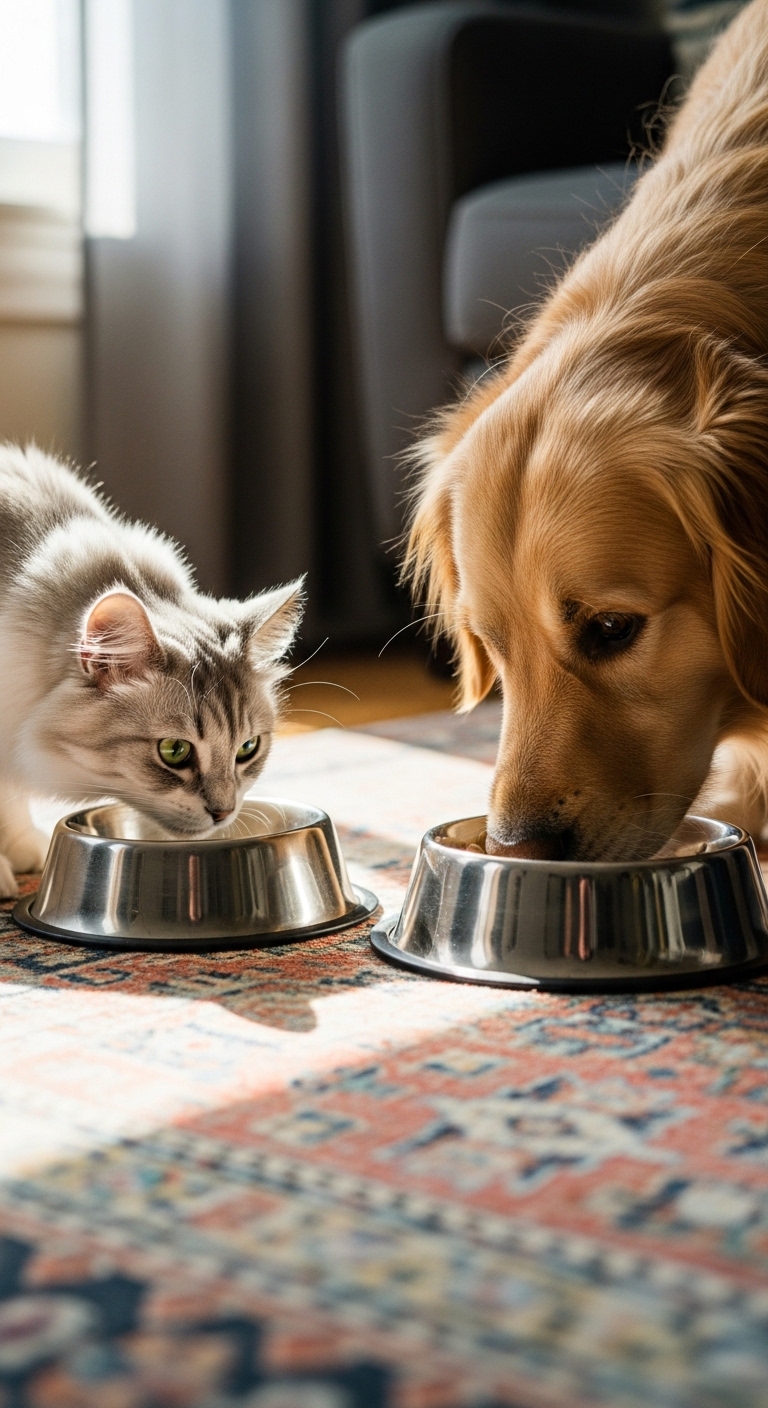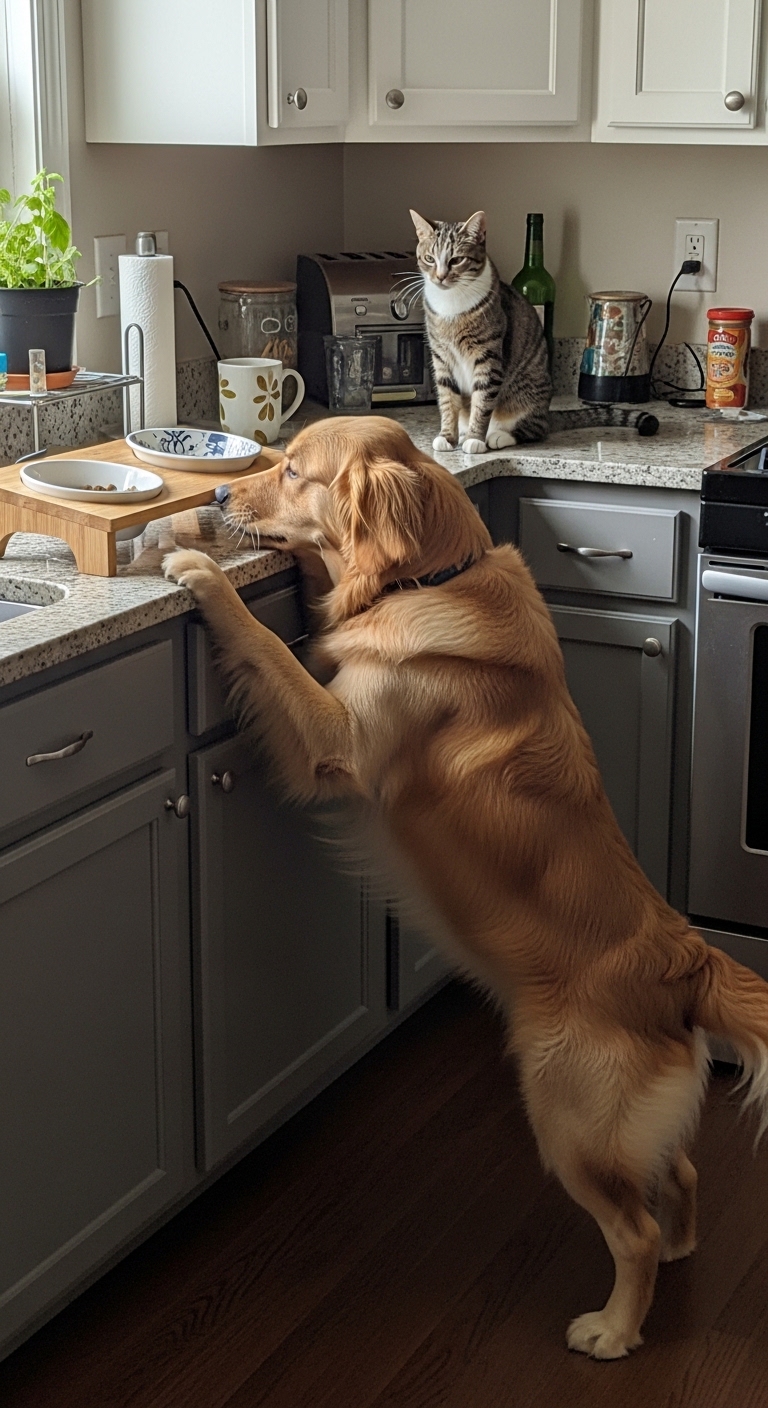
Can dogs drink milk? It’s a question many pet owners ask, especially when their pup gives them those big, hopeful eyes during breakfast. While milk might seem like a harmless treat, the truth is more complicated than a simple yes or no. Some dogs can tolerate small amounts, but others might end up with an upset stomach or worse. Understanding the risks and alternatives can help you make the best choice for your furry friend’s health and happiness.
I’ve seen too many dogs end up at the vet because their owners assumed milk was a safe snack. One friend’s golden retriever, who’d always loved cheese, got violently ill after drinking a whole bowl of milk. It turned out he was lactose intolerant, and that one bowl caused days of misery. Stories like this remind me why it’s so important to know the facts before sharing human food with pets.
Key Things to Understand
- Lactose intolerance is common in dogs: Many adult dogs lose the ability to digest lactose properly, which can lead to gas, diarrhea, or vomiting if they consume milk.
- Cow’s milk contains fat and sugars: These can be hard for dogs to process, even if they’re not technically lactose intolerant, potentially causing weight gain or digestive upset over time.
- Some dairy products may be safer: Plain yogurt or cheese contain less lactose and may be safer in small amounts, but they’re not risk-free.
- Puppies and cow’s milk: Puppies can usually digest their mother’s milk without issues, but cow’s milk isn’t a suitable replacement if they’re orphaned. Puppy formula is a much better option.
- Signs of a bad reaction: Loose stools, excessive gas, bloating, or lethargy within 12 hours of drinking milk indicate a problem.
What to Look For
Pay attention to how your dog reacts after consuming dairy. Some breeds, like bulldogs or boxers, are more prone to digestive issues, but any dog can struggle. Watch for changes in their stool consistency: soft or watery poop is a clear sign something isn’t sitting right. Also, notice if your dog seems unusually gassy or uncomfortable after drinking milk. These subtle cues can tell you whether dairy agrees with them or not.
Another thing to observe is their energy levels. If your usually playful pup becomes sluggish or reluctant to move after a milk treat, it could be a sign of discomfort. Some dogs might also lick their lips excessively or show signs of nausea, like drooling or pacing. These behaviors are their way of telling you they’re not feeling well, even if they can’t speak the words.
I once met a dachshund owner who gave her dog milk every night as a bedtime ritual. Within a week, the poor pup was so bloated and uncomfortable that she had to rush him to the emergency vet. The vet explained that while the dog wasn’t technically lactose intolerant, the fat content in the milk was causing pancreatitis. It was a harsh lesson in how even “harmless” treats can turn dangerous.
Safer Alternatives to Milk
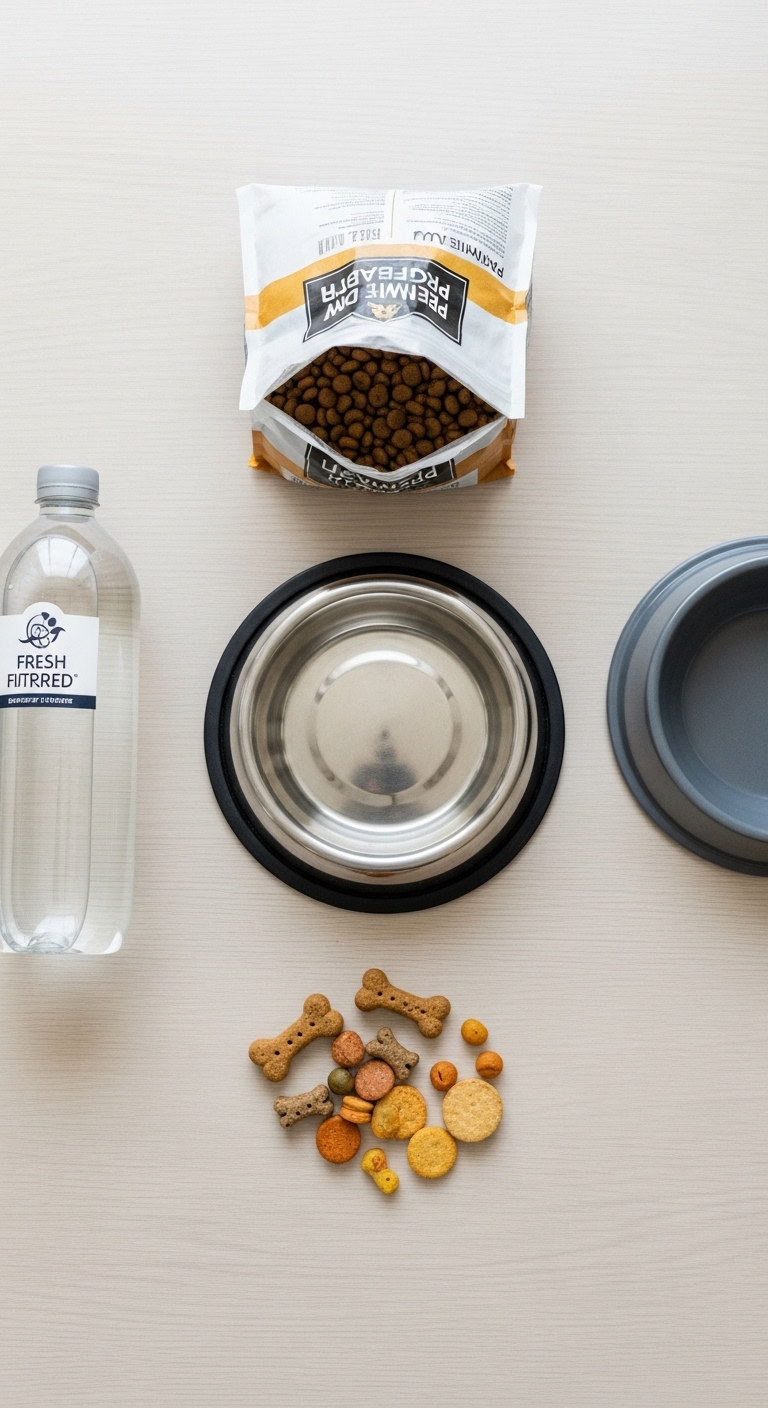
If you’re looking for a way to treat your dog without the risks of cow’s milk, there are several safer options. Lactose-free dog milk is specially formulated to be gentle on their digestive system. Plain water is always the best choice if your pup is simply thirsty. For something more exciting, consider dog-safe broths or diluted, unsweetened fruit juices (in very small amounts).
When to Avoid Dairy Completely
Some dogs should never consume dairy, even in small amounts. If your dog has a history of pancreatitis, obesity, or chronic digestive issues, it’s best to steer clear of milk and dairy products entirely. Dogs with known lactose intolerance or allergies should also avoid dairy to prevent painful reactions. When in doubt, consult your vet before introducing any new food, including dairy, into your dog’s diet.
Long-Term Effects of Dairy Consumption
Regularly feeding your dog milk or dairy products can lead to long-term health issues. Over time, the high fat content in dairy can contribute to obesity, which puts extra strain on your dog’s joints and organs. Chronic digestive upset from lactose intolerance can also weaken their immune system and lead to nutrient absorption problems. For these reasons, it’s best to limit dairy as an occasional treat, if at all, and prioritize a balanced, species-appropriate diet.
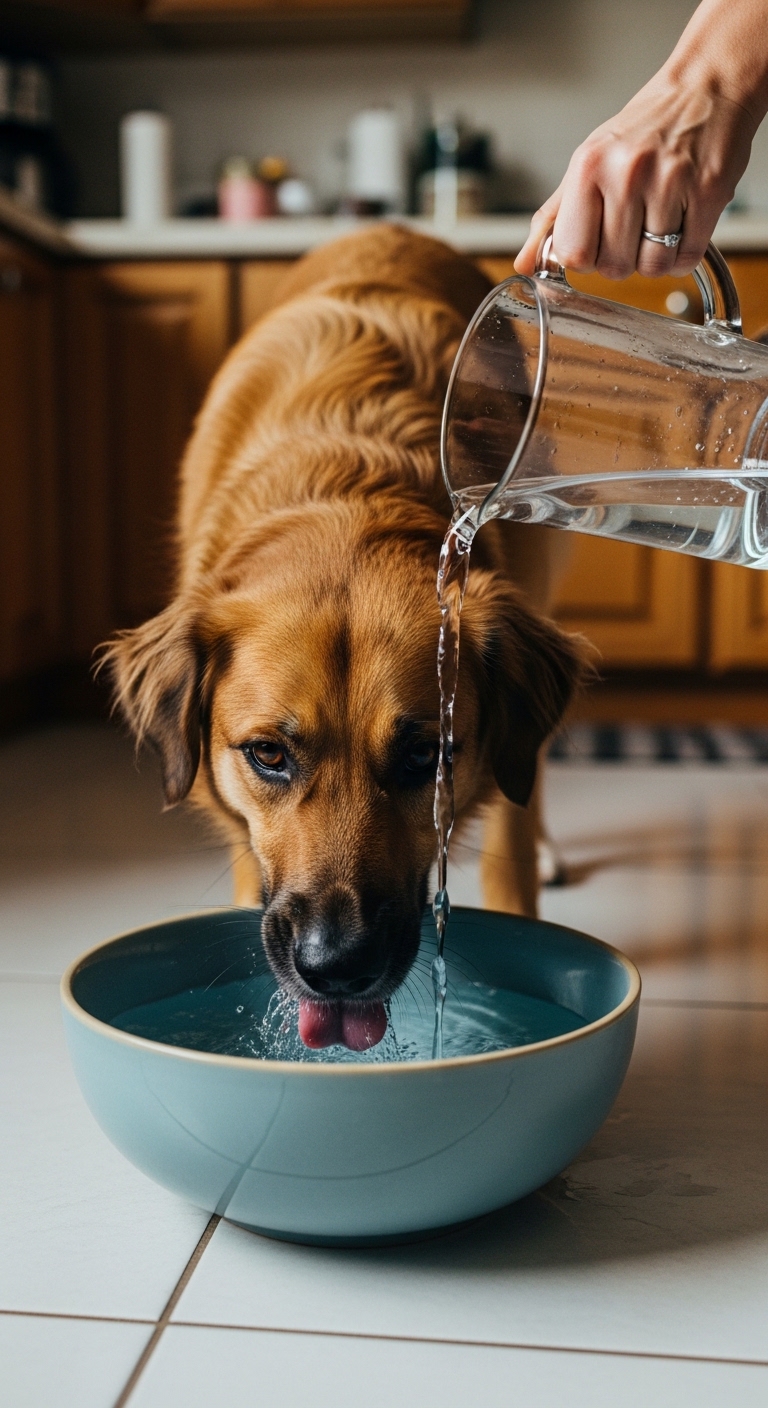
When in doubt, skip the milk altogether. Your dog’s health and happiness are worth more than a fleeting moment of sharing your snack.
Frequently Asked Questions
- → Is milk safe for all dogs?
No, not all dogs can safely drink milk. Many adult dogs are lactose intolerant, meaning they lack sufficient lactase enzymes to digest lactose properly. Puppies can digest their mother’s milk, but cow’s milk often causes digestive issues in adult dogs.
- → What happens if a dog drinks too much milk?
Consuming too much milk can lead to digestive upset, including diarrhea, gas, bloating, or vomiting. Lactose intolerance symptoms typically appear within 12 hours of ingestion. Severe cases may require veterinary attention if dehydration occurs.
- → Are there safe milk alternatives for dogs?
Yes, lactose-free milk or goat’s milk are safer options for lactose-sensitive dogs. Always choose unsweetened varieties and introduce them in small quantities to avoid digestive issues. Avoid flavored or sweetened milks entirely.
- → Can puppies drink cow’s milk?
Puppies can digest their mother’s milk, but cow’s milk is not recommended. It lacks the proper nutrient balance for puppies and may cause digestive problems. Puppy formula is the best alternative if they are not nursing.
- → How much milk can a dog safely drink?
If your dog tolerates milk well, limit servings to 1-2 tablespoons for small breeds or up to ¼ cup for larger dogs. Always start with a tiny amount to test for tolerance before offering more.
- → What are signs my dog is lactose intolerant?
Common signs include diarrhea, loose stools, excessive gas, vomiting, or abdominal discomfort after consuming milk or dairy. If these symptoms appear, discontinue milk and consult your vet for dietary advice.