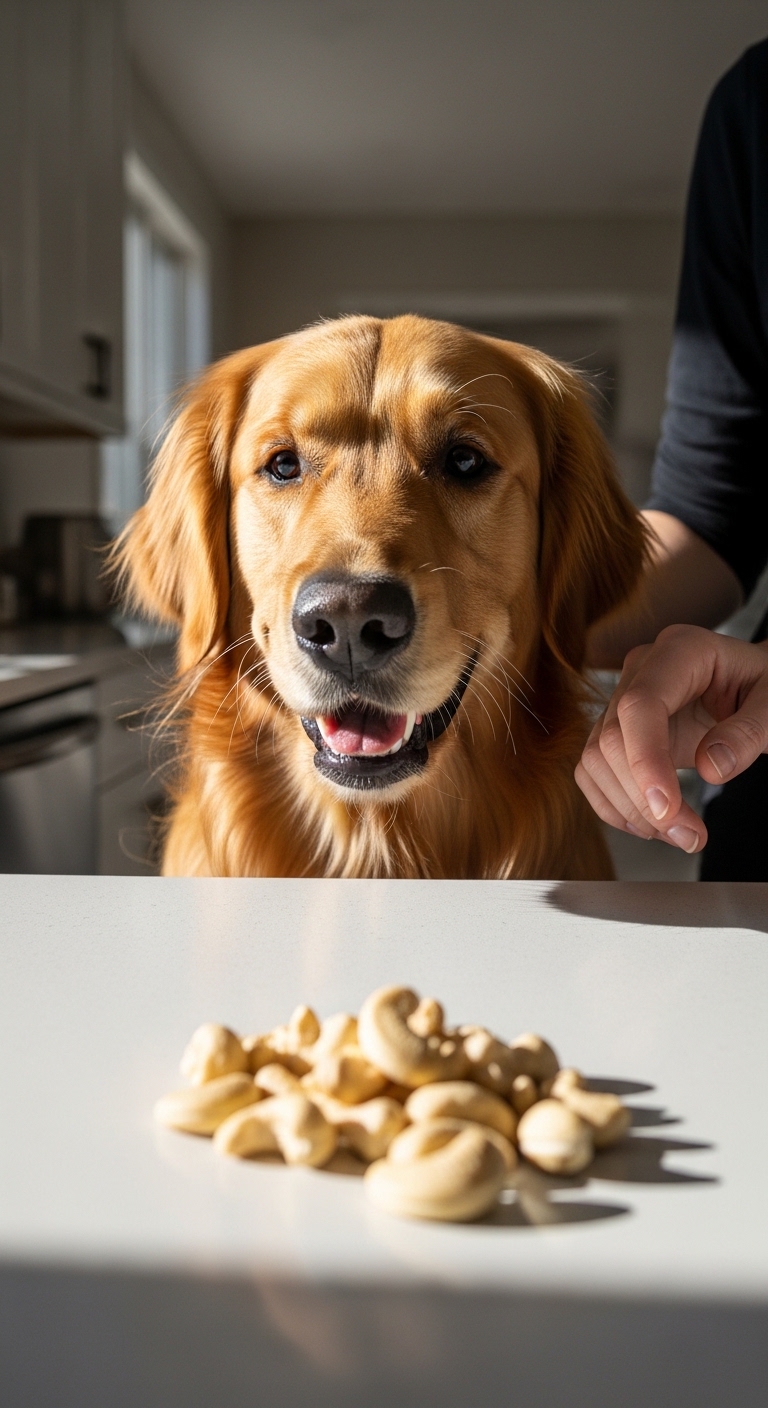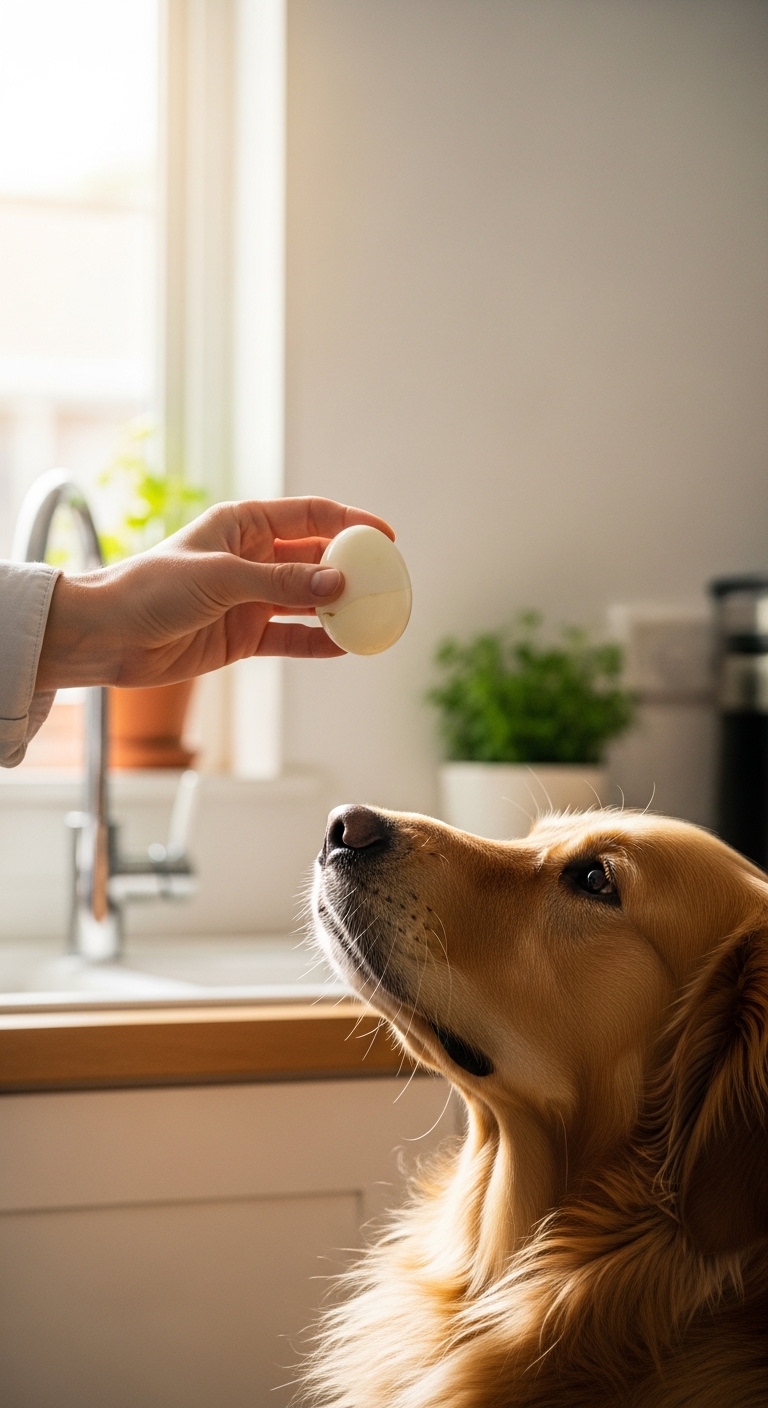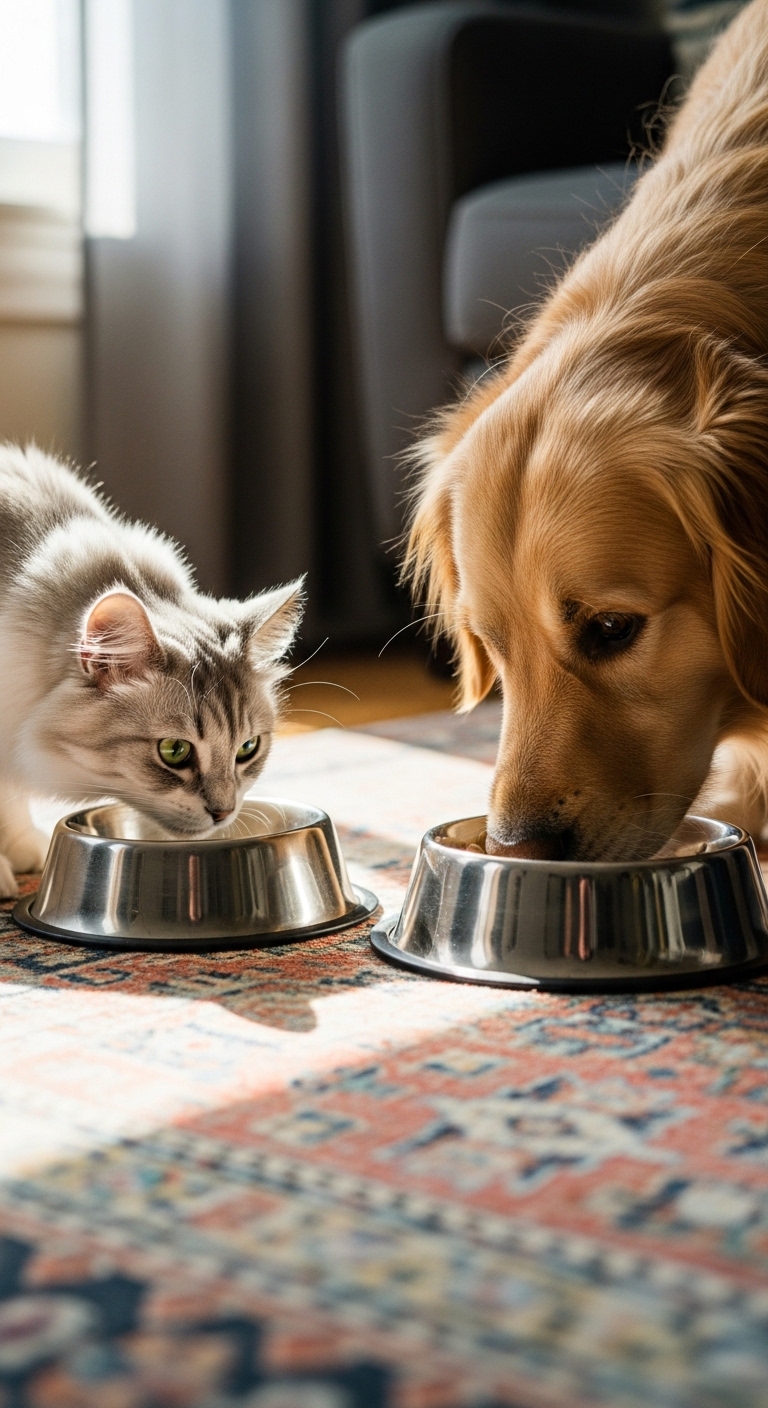
Can dogs have pears? It’s a question many pet owners ask when looking for healthy, low-calorie treats to share with their furry friends. Pears are packed with fiber, vitamins, and hydration, making them a tempting option for dogs who love fruit. But before you slice one up for your pup, there are a few things to consider to keep them safe and happy.
I remember when my golden retriever first sniffed a pear: he looked at me like I’d just offered him a steak. His excitement made me realize how important it is to know the right way to share human foods safely with pets.
Key Things to Understand
- Pears are safe for dogs in moderation: but should never replace their regular diet
- The seeds, stems, and cores contain cyanide: and must be removed before serving
- Too much pear can cause stomach upset: due to the natural sugars and fiber
- Always introduce new foods slowly: to watch for any allergic reactions or sensitivities
- Small dogs should get smaller pieces: to prevent choking
What to Look For
Watch how your dog reacts after eating a small piece of pear for the first time. Some dogs tolerate it well, while others might show signs of discomfort like bloating or loose stools. If your dog has never had fruit before, start with just a tiny bite and wait a few hours to see how they handle it. Also, pay attention to the texture: ripe pears are softer and easier to chew, while unripe ones can be tough and harder for dogs to digest. If your dog tends to gulp food without chewing, cut the pear into very small, manageable pieces to reduce the risk of choking.
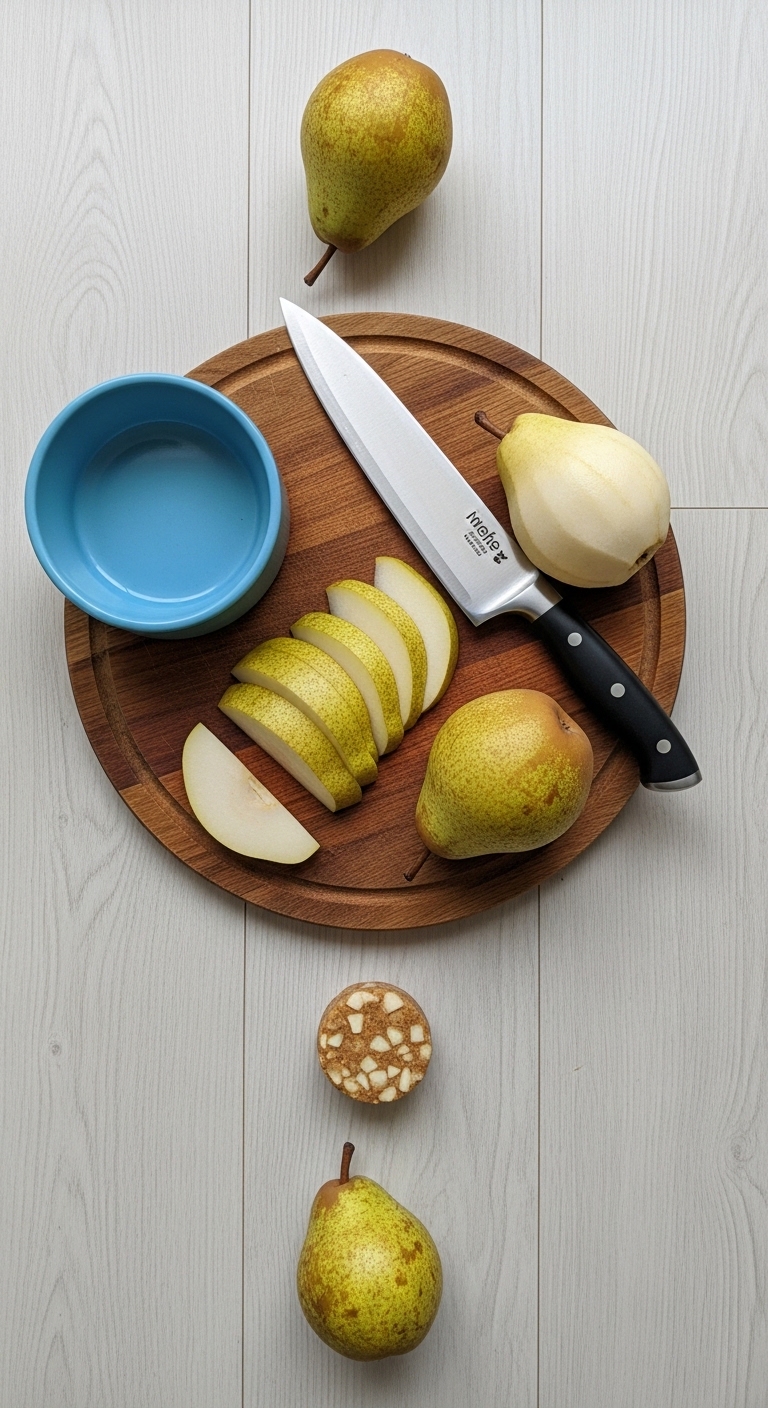
A common mistake is assuming all fruits are safe for dogs just because they’re healthy for humans. I once gave my neighbor’s dog a whole pear slice without realizing the core was still attached: thankfully, they caught it in time, but it was a good reminder to always double-check before sharing. Also, keep in mind that some dogs are more sensitive to new foods than others, so what works for one pup might not work for yours.
Serving pears the right way
When you’re ready to share a pear with your dog, start by washing it thoroughly to remove any pesticides or dirt. Cut the pear into bite-sized pieces, removing all seeds, stems, and the tough core. The skin is safe to eat and contains extra fiber, but if your dog has a sensitive stomach, you might peel it first. For smaller breeds, chop the pieces even smaller to prevent choking. A few small pieces a couple of times a week is plenty: too much can lead to an upset stomach or diarrhea.
Pears as a training treat
Because pears are soft and easy to chew, they make great training treats for dogs who aren’t big fans of crunchy kibble. Their sweet smell can be enticing, but since they’re low in calories, you won’t have to worry about overfeeding during a training session. Just remember to account for the extra calories in their daily food intake to avoid weight gain.
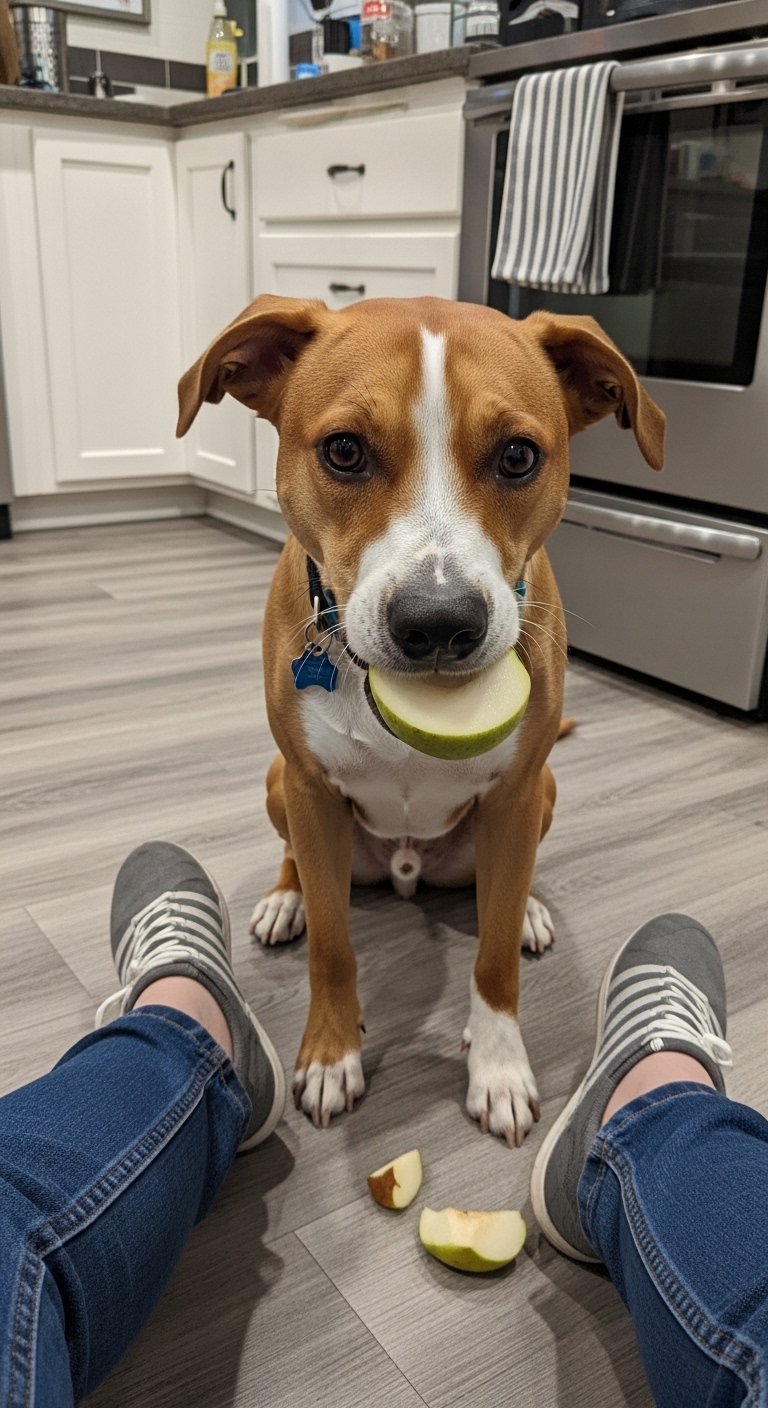
Sharing pears with your dog can be a fun and healthy way to bond, as long as you follow these simple guidelines. Always prioritize safety and moderation.
Frequently Asked Questions
- → Can dogs eat pear seeds?
No, dogs should never eat pear seeds. Pear seeds contain amygdalin, which can release cyanide—a toxic substance for dogs. Always remove the core and seeds before feeding pears to your pet.
- → How much pear can I give my dog?
Pears should be given in moderation. A few small pieces (about 1-2 tablespoons) per serving is sufficient for most dogs. Adjust based on your dog’s size—smaller dogs need smaller portions.
- → Are pears good for dogs with diabetes?
Pears contain natural sugars, so they may not be ideal for dogs with diabetes. Consult your vet before offering pears to diabetic pets, as portion control and sugar content must be carefully managed.
- → Can puppies eat pears?
Yes, puppies can eat pears in tiny, soft pieces. Ensure the pear is ripe, seedless, and cut into small, manageable chunks to avoid choking hazards. Introduce new foods slowly to monitor for allergies.
- → What are the benefits of pears for dogs?
Pears provide fiber for digestion, vitamin C for immunity, and copper for healthy skin and coat. They’re also hydrating due to their high water content. Always serve pears plain, without additives like sugar or spices.
- → How should I prepare pears for my dog?
Wash the pear thoroughly, remove the core and seeds, and cut into small, bite-sized pieces. You can serve them fresh, frozen, or dehydrated. Avoid canned pears with added sugars or preservatives.