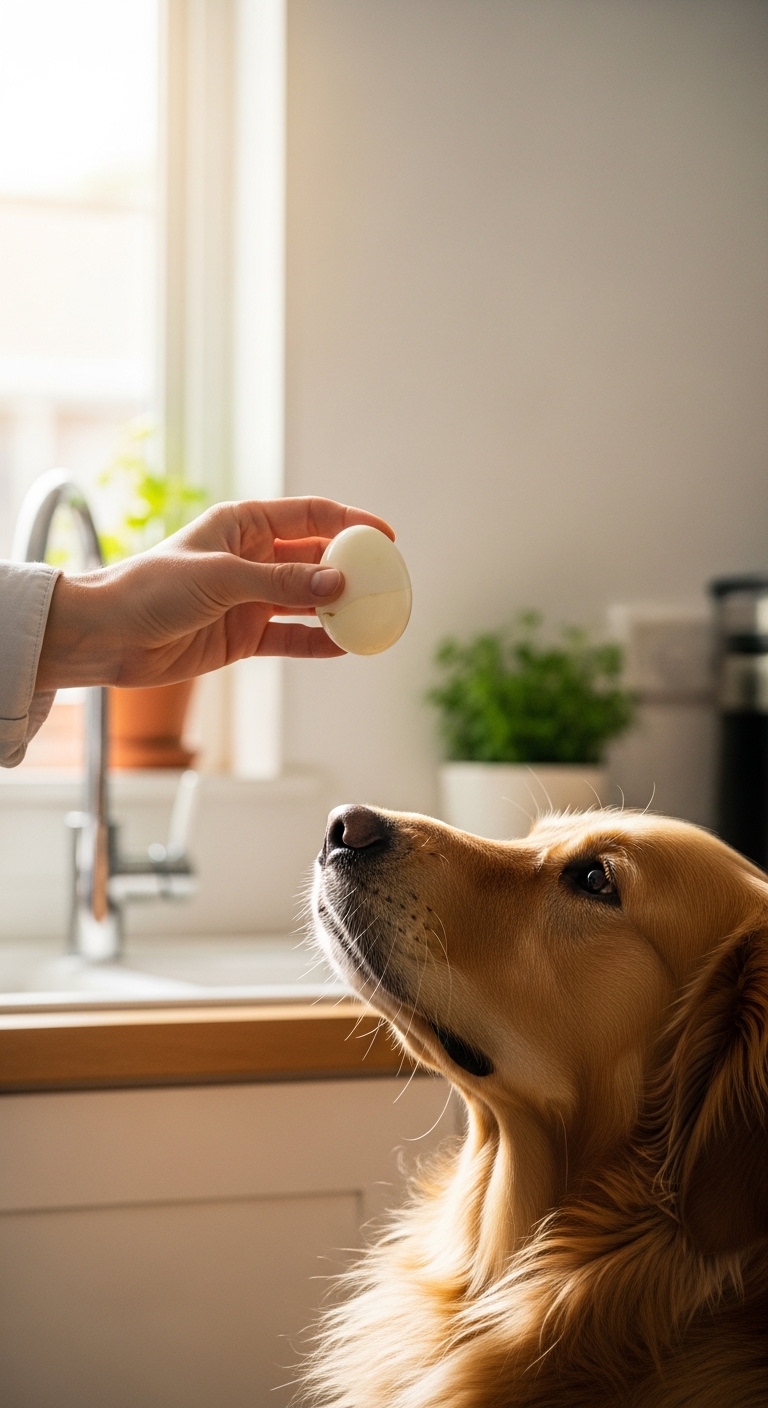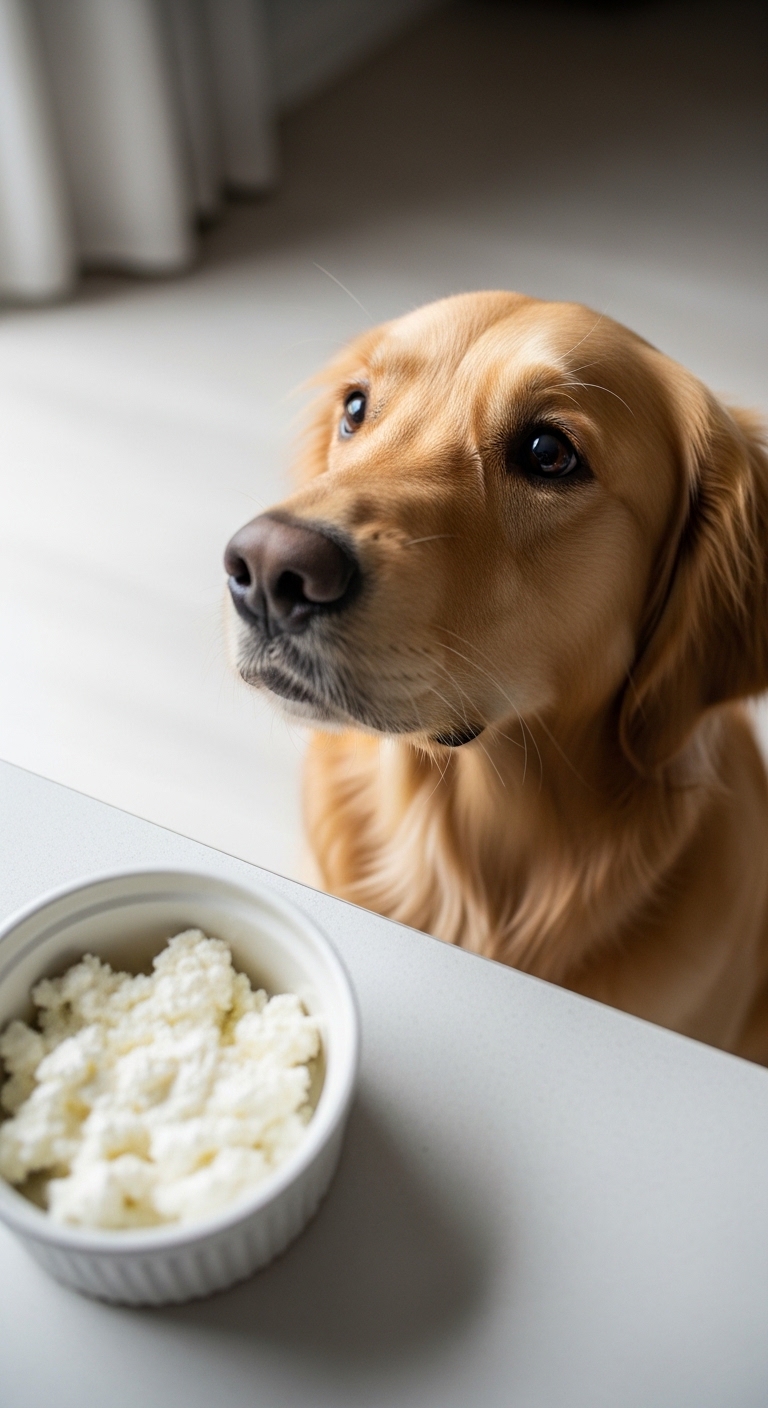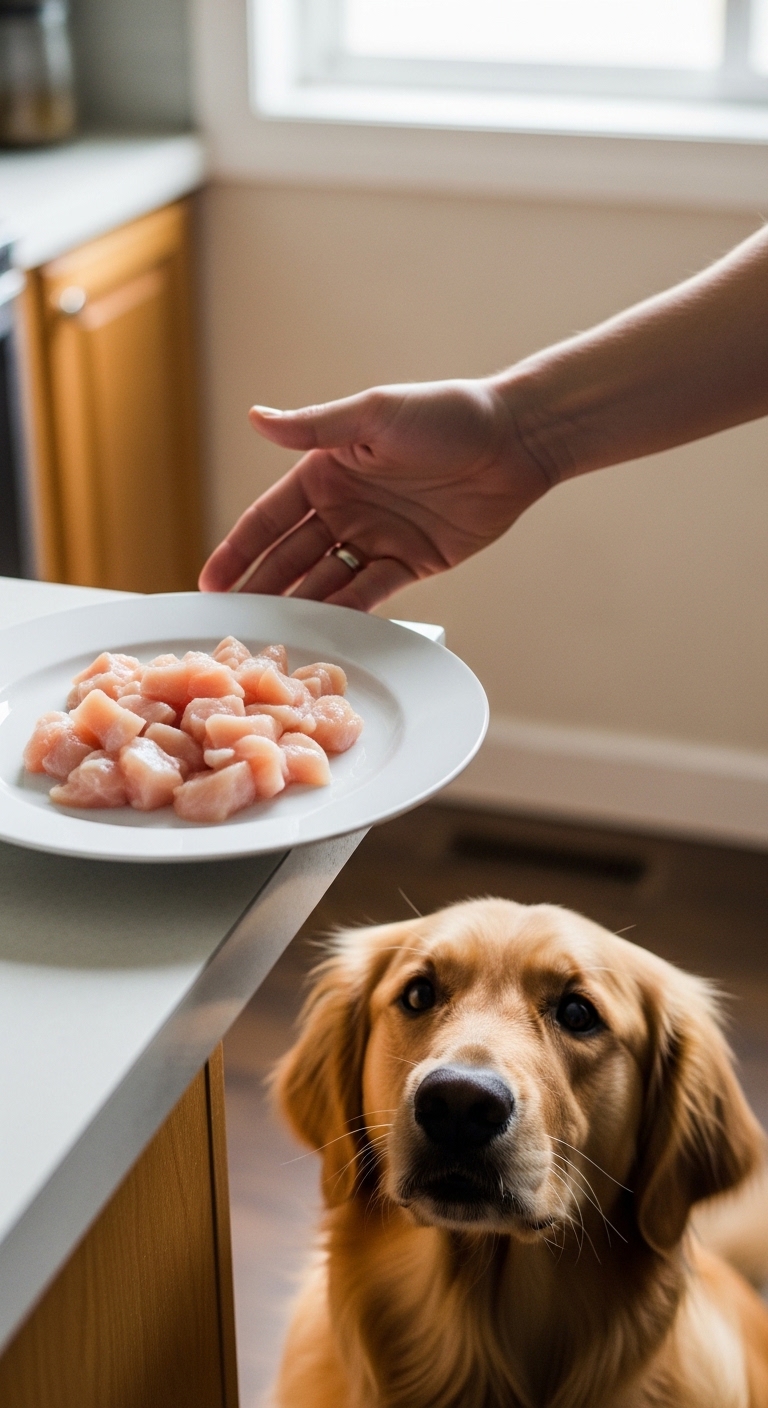
Can dogs eat beans? It’s a question many pet owners ask when looking for healthy, budget-friendly ways to supplement their dog’s diet. Beans are packed with protein, fiber, and essential vitamins, making them a tempting option for homemade dog food or treats. But not all beans are safe, and even the safe ones require proper preparation. Knowing which types to avoid and how to serve them can make a big difference in your dog’s health and happiness.
This is the kind of question that comes up when you’re trying to balance convenience with nutrition. A few years ago, I swapped out some of my dog’s kibble for homemade meals and quickly realized how much easier it was when I knew exactly what was safe to include.
Key Things to Understand
- Beans can be a healthy addition: when chosen and prepared correctly, beans offer protein, fiber, and vitamins.
- Not all beans are safe: some can be toxic or cause serious health issues if not prepared properly.
- Cooking is essential: it breaks down lectins and other compounds that can harm dogs.
- Portion control matters: too many beans can lead to gas, bloating, or even pancreatitis.
- Introduce slowly: monitor for allergies or digestive upset when adding beans to your dog’s diet.
- Avoid canned beans: they contain high sodium and preservatives that are unhealthy for dogs.
What to Look For
Pay attention to how your dog reacts after eating beans for the first time. Signs of a good fit include normal energy levels, no vomiting, and regular bowel movements. If you notice excessive gas, diarrhea, or lethargy, it’s best to stop feeding beans and consult your vet. Watch for any changes in appetite or behavior that could indicate an allergy. When choosing beans, opt for fresh or dried varieties over canned to avoid added sodium and preservatives. Always rinse dried beans thoroughly before cooking to remove any dirt or debris.
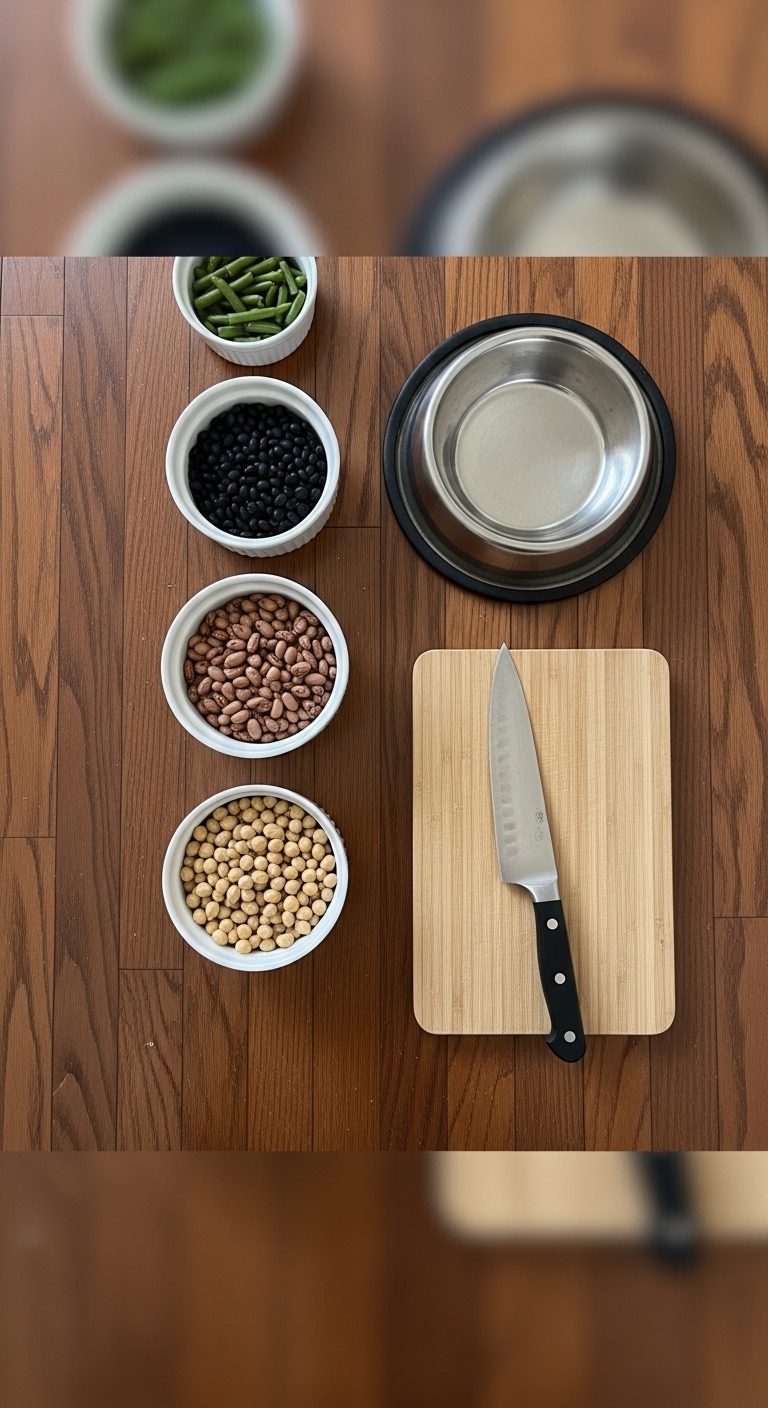
I once made the mistake of giving my dog a small handful of undercooked pinto beans, thinking they’d be fine since they were “natural.” Within hours, he had an upset stomach and refused his next meal. That’s when I learned the hard way how important proper preparation is—even with foods that seem harmless.
Safe Bean Options for Dogs
Green beans are a popular choice because they’re low in calories and high in fiber, making them great for weight management. Black beans are rich in protein and antioxidants, but they should be served in moderation due to their higher fat content. Kidney beans are another protein-packed option, but they must be cooked thoroughly to avoid lectin toxicity. Pinto beans are mild in flavor and easy to digest, making them a good starting point for dogs new to beans. Lima beans are safe when cooked, but they should be given sparingly due to their higher starch content.
How to Prepare Beans for Your Dog
Start by soaking dried beans overnight to reduce cooking time and improve digestibility. Rinse them well before cooking to remove any dirt or debris. Boil the beans in plain water until they’re soft, which usually takes about 30 to 60 minutes depending on the type. Avoid adding salt, garlic, onions, or spices, as these can be harmful to dogs. Once cooked, you can mash the beans and mix them into your dog’s regular food or serve them as a standalone treat.
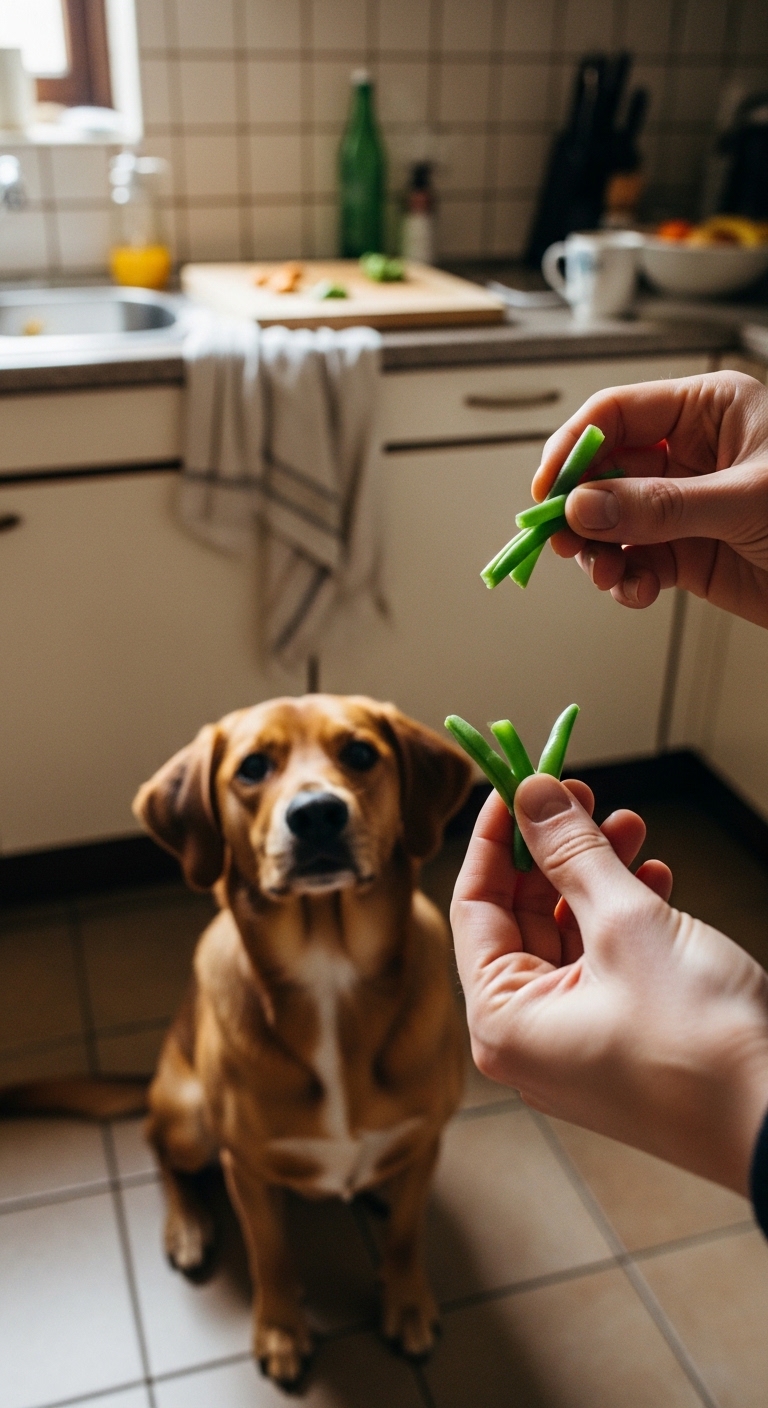
Beans can be a simple, nutritious addition to your dog’s diet when done right. Always prioritize safety and moderation to keep your pet healthy and happy.
Frequently Asked Questions
- → Which types of beans are safe for dogs?
Safe options include green beans, black beans, kidney beans, lima beans, and chickpeas. Always serve plain, cooked, and unseasoned. Avoid baked beans, refried beans, and beans with added spices or sauces.
- → How much beans can I give my dog?
Beans should be a small portion of your dog’s diet—no more than 10% of their daily calories. For a medium-sized dog, 1-2 tablespoons of cooked beans is typically sufficient as an occasional treat.
- → Can dogs eat raw beans?
No, raw beans are hard to digest and may contain lectins, which can be toxic. Always cook beans thoroughly by boiling or steaming until soft before serving to your dog.
- → Are canned beans safe for dogs?
Canned beans can be safe if rinsed thoroughly to remove excess sodium. Choose low-sodium or no-salt-added varieties and avoid those with added preservatives or flavorings.
- → What are the risks of feeding beans to dogs?
Risks include digestive upset, gas, bloating, or allergic reactions. Some beans, like fava beans, may cause hemolytic anemia in sensitive dogs. Always introduce beans slowly and watch for adverse reactions.
- → Can diabetic dogs eat beans?
Beans have a low glycemic index, making them a better choice than high-carb treats for diabetic dogs. However, portion sizes must be carefully monitored, and your vet should approve their inclusion in the diet.