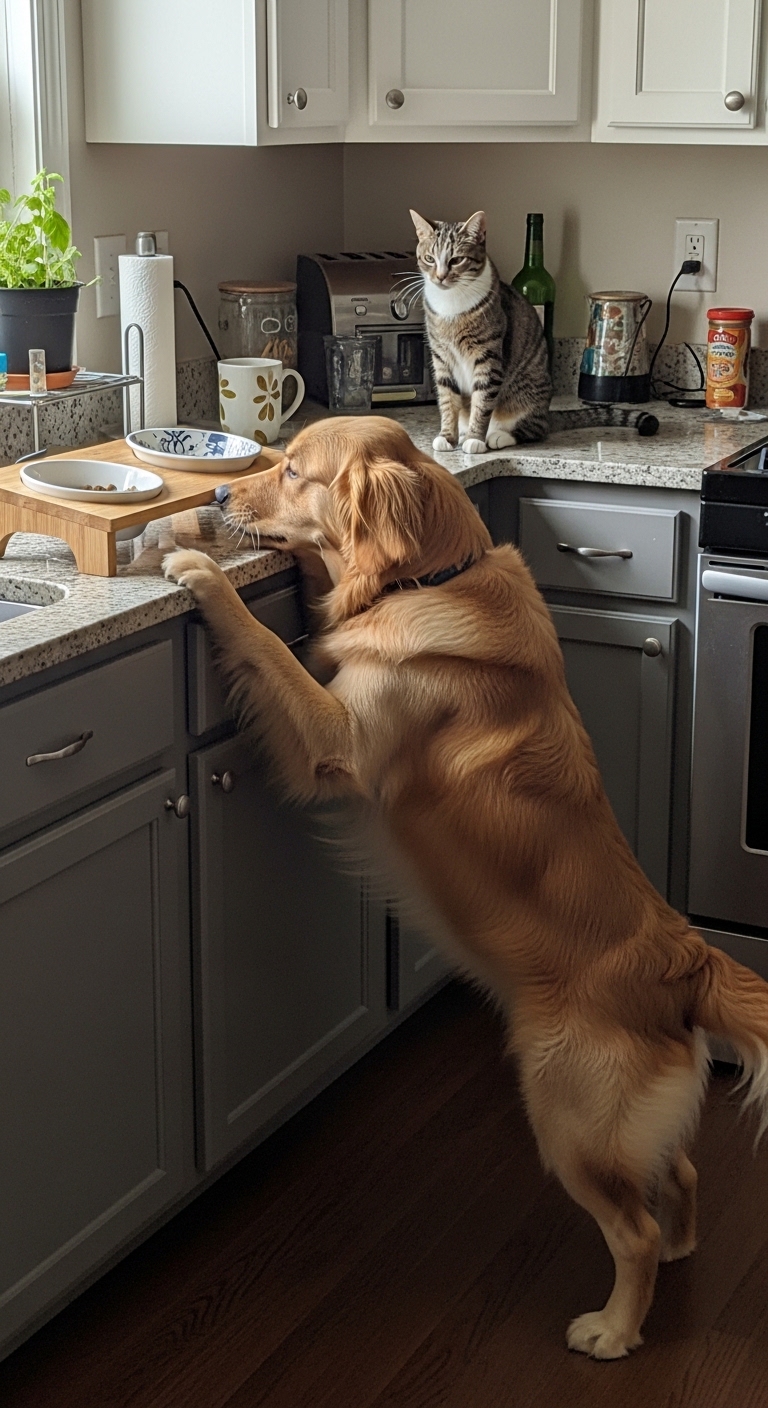
Cats and dog food might seem like an easy swap when you're in a pinch, but it's not as simple as it looks. Many pet owners wonder if their feline friend can sneak a bite of the dog's kibble without consequences. The truth is, while an occasional taste might not hurt, making it a habit could lead to serious health issues for your cat. Nutritional needs differ drastically between species, and what works for dogs can leave cats deficient in key nutrients over time.
I’ve seen too many cats develop urinary issues because their owners assumed dog food was a fine substitute. Always double-check what’s in your pet’s bowl: it’s a small step that makes a big difference.
Key Things to Understand
- Cats are obligate carnivores: meaning they require animal protein to survive
- Dog food lacks sufficient taurine: which is essential for feline heart and eye health
- Short-term consumption: might not cause immediate harm but long-term use leads to deficiencies
- Dogs can digest plant-based ingredients: better than cats can
- Some dog foods contain toxic ingredients: like garlic or onions that are harmful to cats
What to Look For
Watch how your cat reacts after eating dog food. If they seem lethargic, refuse their regular food, or develop digestive issues like vomiting or diarrhea, it’s a clear sign their system isn’t handling it well. Pay attention to their energy levels too: cats need high-protein diets to stay active, and dog food just doesn’t provide enough fuel for their lifestyle. Over time, you might notice changes in their fur quality or weight, which often point to nutritional gaps.
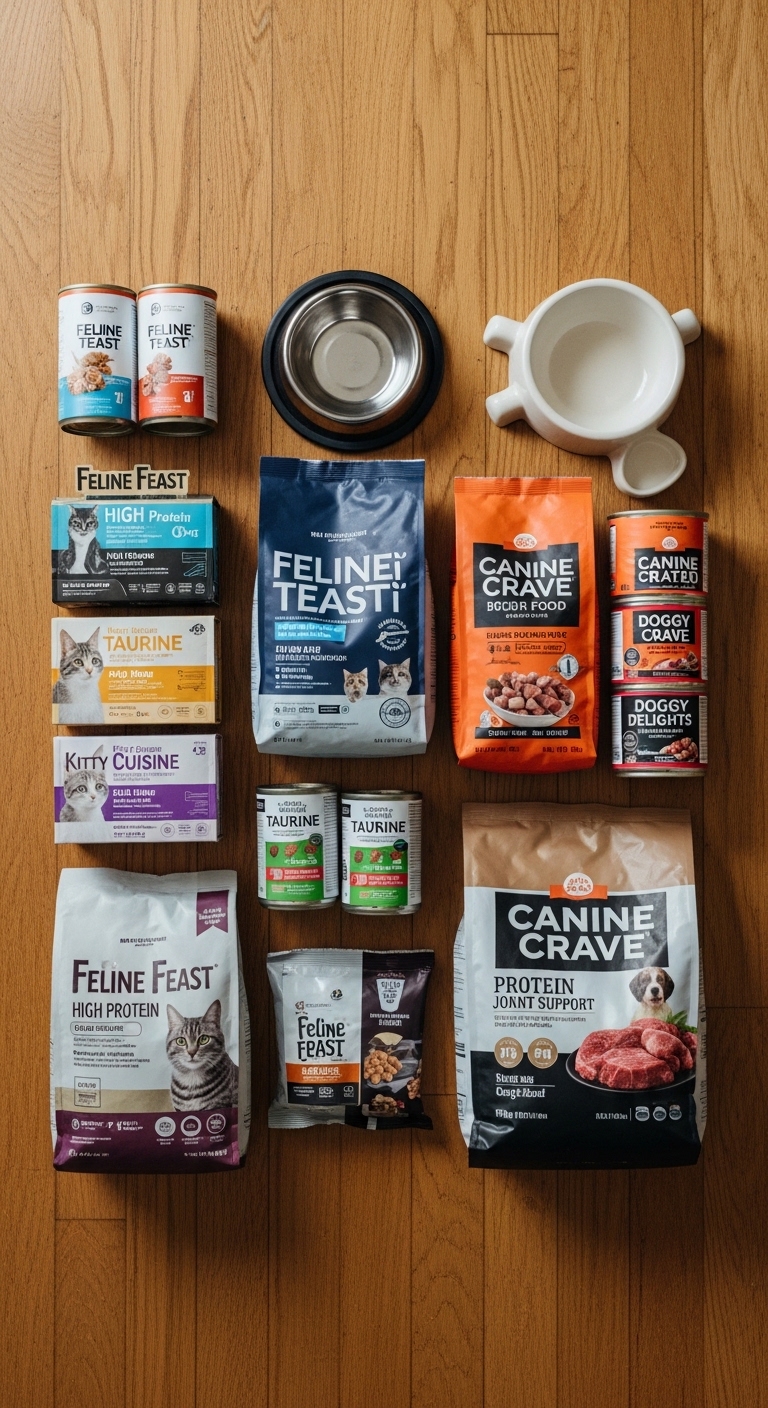
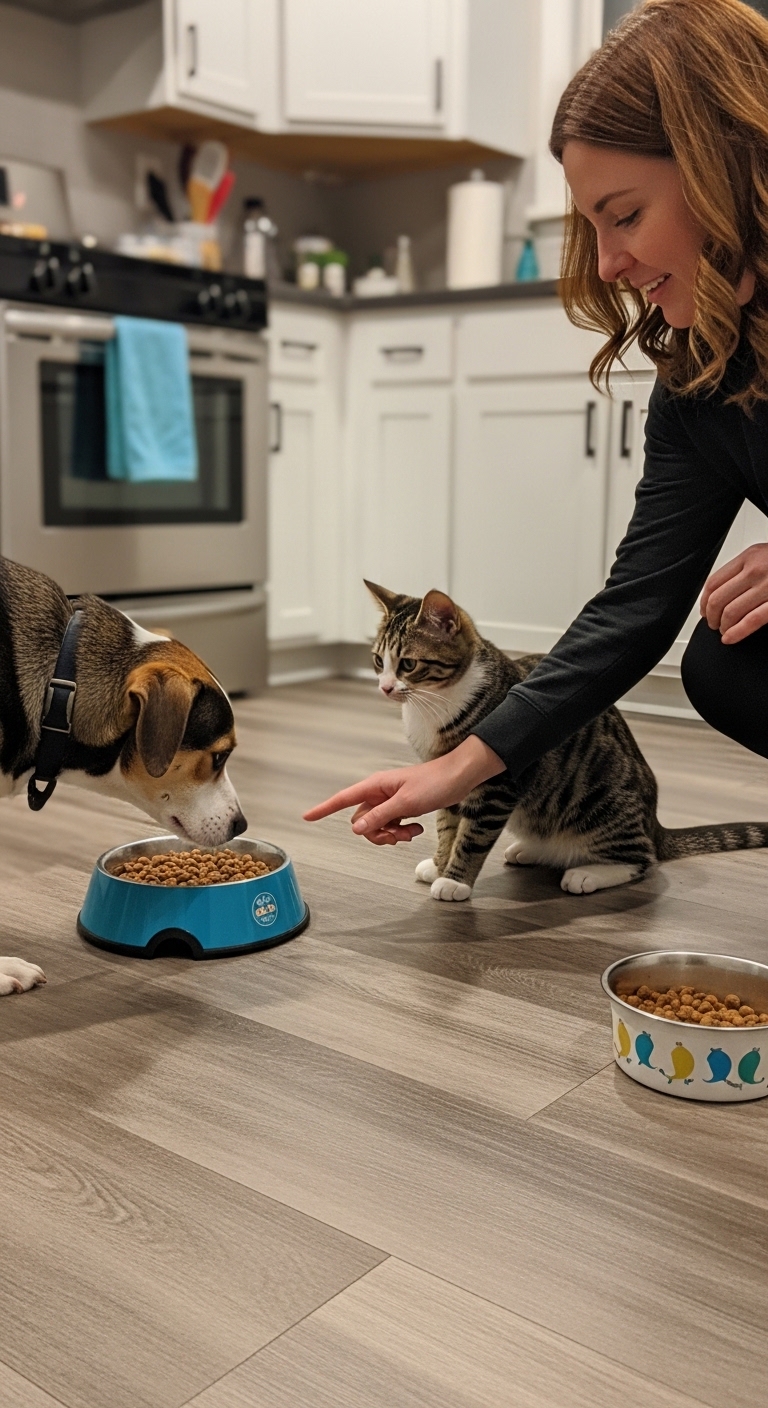
I once had a client whose cat kept sneaking dog food, and within months, the poor thing developed a severe urinary blockage from the imbalance. It’s a harsh lesson, but one that shows how quickly things can go wrong. If you have both pets, feed them in separate areas to avoid temptation.
Feeding Habits and Safety
Cats have different eating patterns than dogs. They prefer small, frequent meals throughout the day rather than large portions. Dog food is formulated for dogs’ slower metabolism and different digestive needs, so feeding it to cats can lead to overeating or undereating. Additionally, some dog foods contain additives like artificial sweeteners or preservatives that cats can’t process efficiently. If your cat has ever stolen a bite and seemed fine, don’t assume it’s safe long-term. Their bodies handle nutrients differently, and what’s harmless for a dog could be quietly damaging for a cat.
Nutritional Differences Explained
The biggest issue with dog food for cats is the lack of taurine, an amino acid critical for heart function, vision, and reproduction. Dogs can synthesize taurine from other amino acids, but cats can’t, making it an essential part of their diet. Dog food also tends to have lower protein levels and higher carbohydrates, which cats don’t need in large amounts. Over time, this imbalance can lead to obesity, diabetes, or even liver disease. Always check the label: if the first ingredient isn’t a high-quality animal protein, it’s not suitable for your cat.
Feeding your cat the right diet is one of the simplest yet most impactful ways to ensure their long-term health and happiness.
Frequently Asked Questions
- → Can cats eat dog food occasionally?
Yes, cats can eat small amounts of dog food without immediate harm, but it shouldn’t be a regular part of their diet. Dog food lacks critical nutrients like taurine, which cats need to thrive.
- → What happens if a cat eats dog food long-term?
Long-term consumption of dog food can lead to malnutrition, vision problems, heart disease, and other severe health issues due to nutrient deficiencies.
- → Is dog food toxic to cats?
Dog food isn’t toxic, but it’s nutritionally incomplete for cats. It lacks essential amino acids and vitamins that cats require, making it unsuitable as a primary diet.
- → What should I feed my cat instead of dog food?
Feed your cat a balanced diet of high-quality cat food, which contains the right proportions of protein, fats, and taurine. Consult your vet for dietary recommendations tailored to your cat’s needs.
- → Can kittens eat dog food?
No, kittens should never eat dog food. Their rapid growth requires specific nutrients found only in cat food. Dog food can stunt their development and cause health complications.
- → How much dog food can a cat safely eat?
If your cat accidentally eats dog food, a small amount (less than a tablespoon) is unlikely to cause harm. However, monitor for signs of digestive upset or lethargy and switch back to cat food immediately.