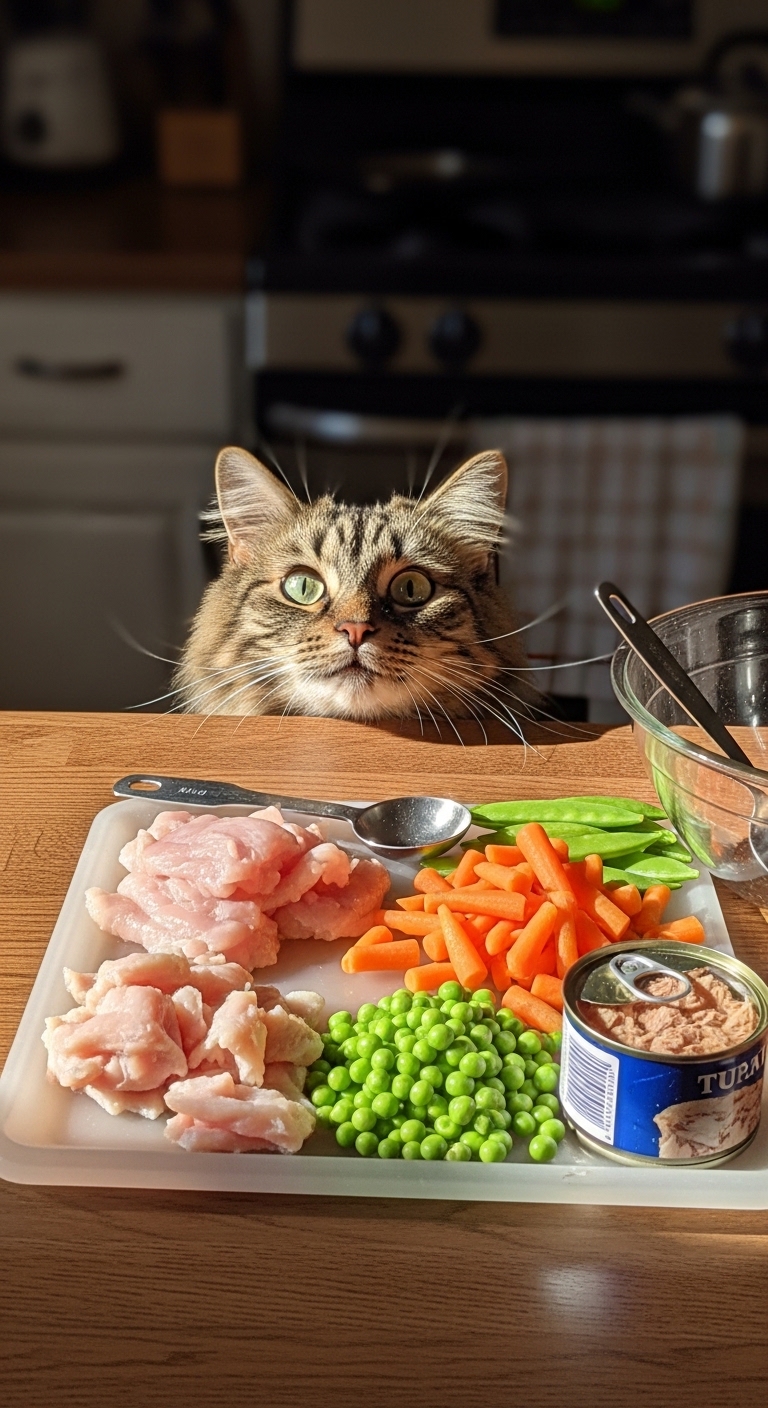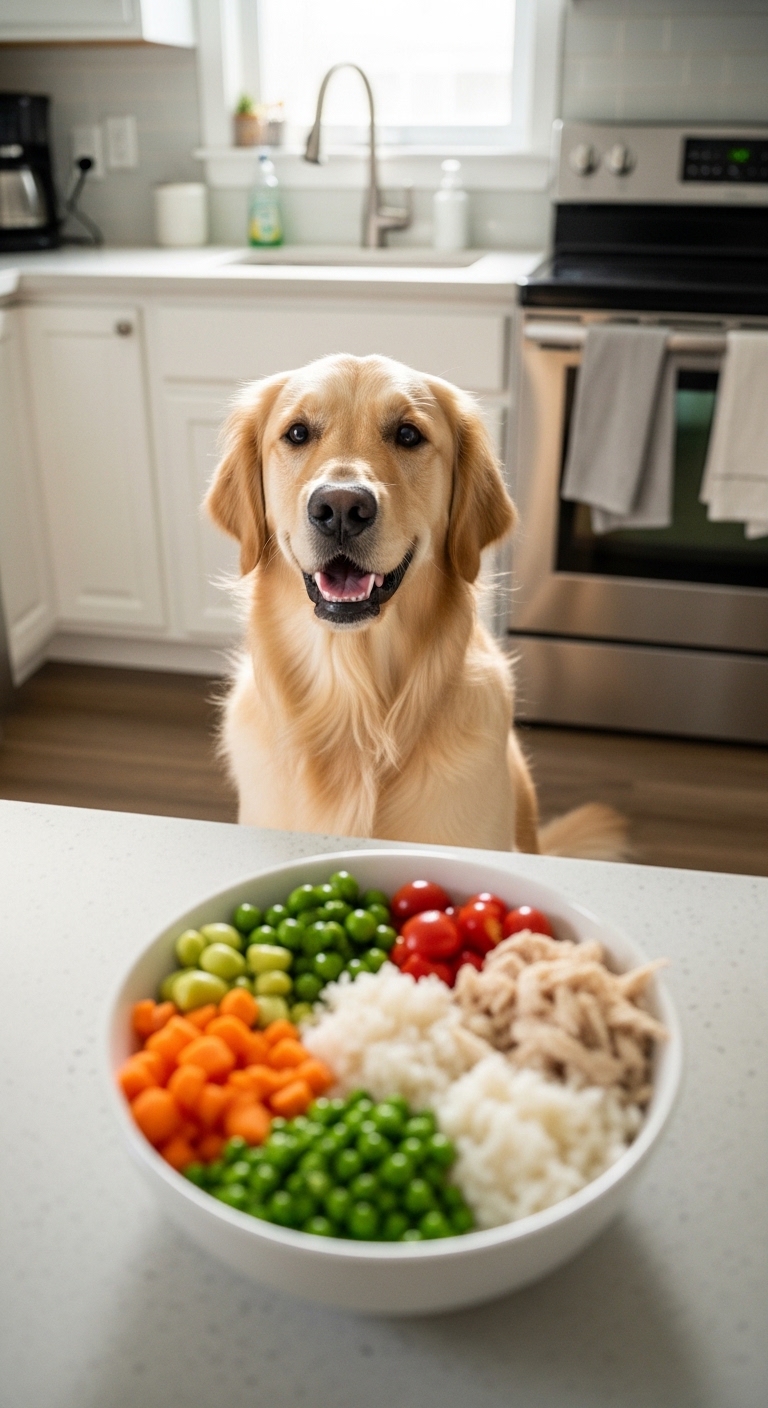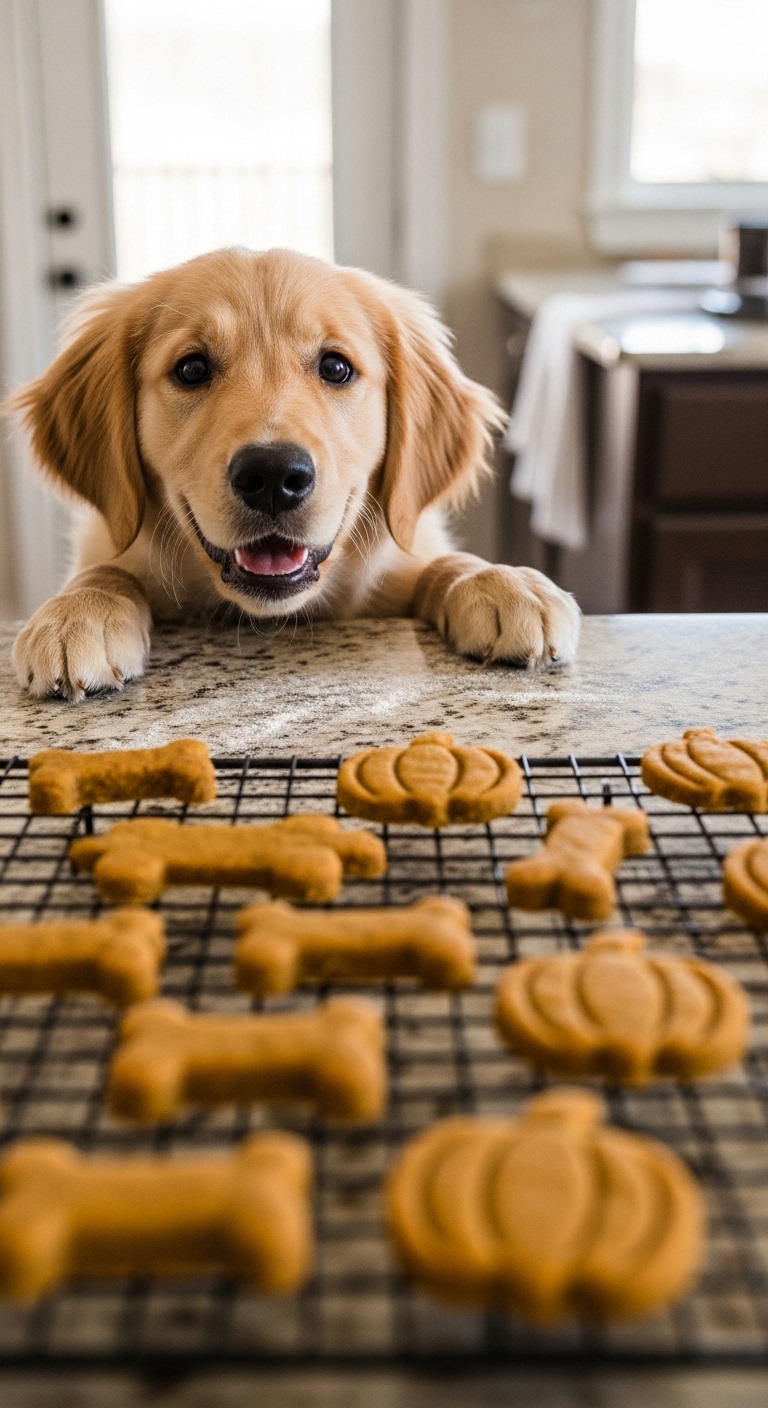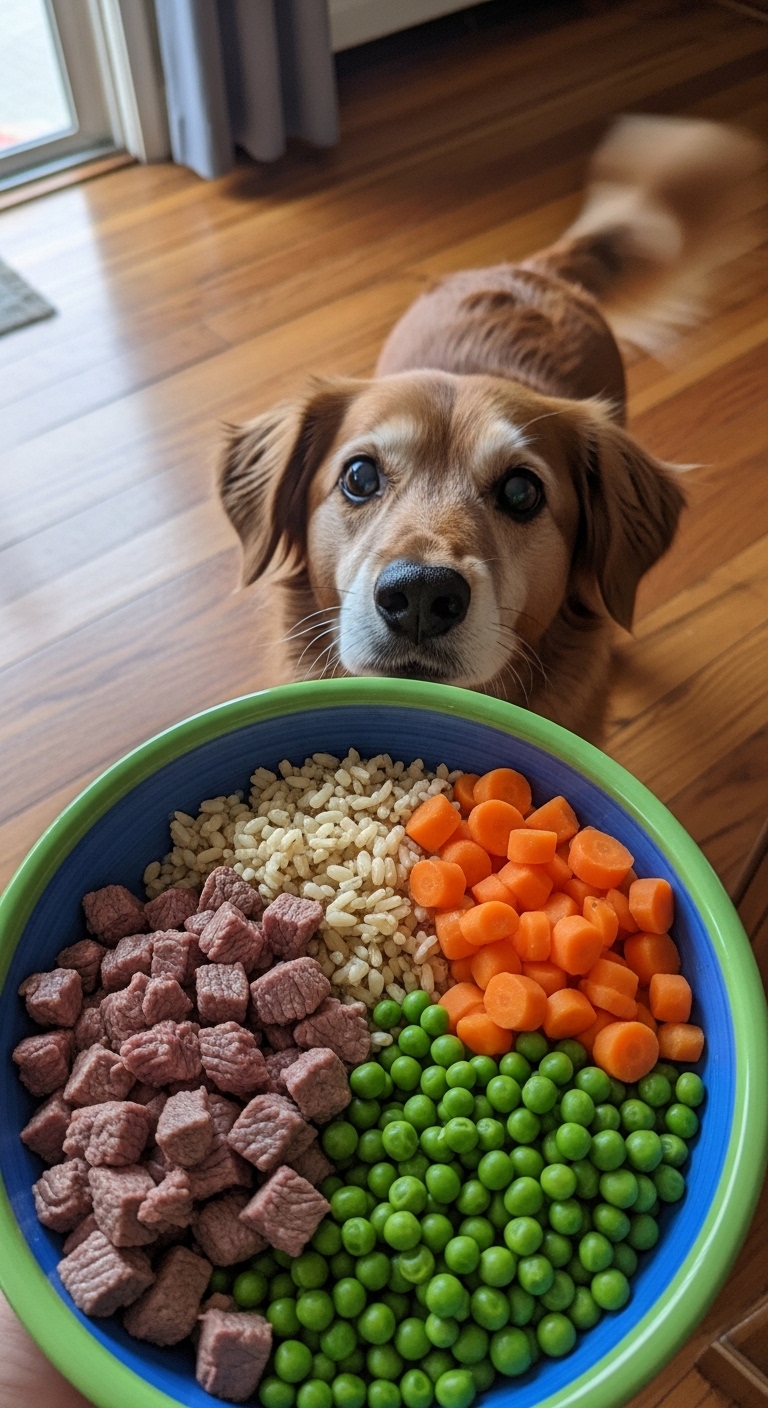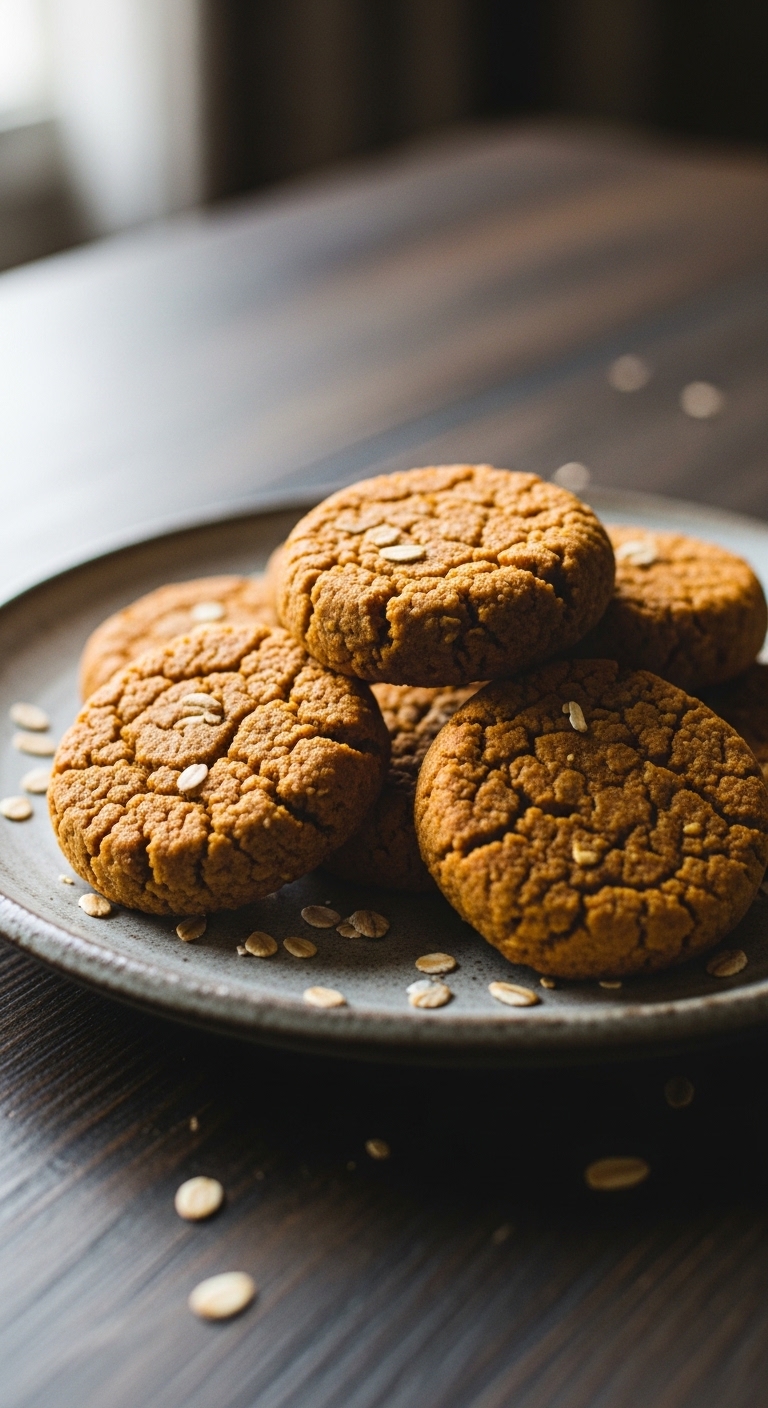
Peanut butter pumpkins might sound like a seasonal treat, but they’re also a game-changer for pets, especially dogs and cats who love that rich, nutty flavor. Whether you want to spoil your furry friend with a homemade snack or find a healthier alternative to store-bought treats, understanding how to use peanut butter pumpkins safely can improve your pet’s diet and happiness.
I’ve seen how a spoonful of pumpkin puree mixed into a dog’s kibble can turn a reluctant eater into an eager one. It’s a simple trick that makes feeding time smoother for both pet and owner.
Key Things to Understand
- Pumpkin puree: Must be plain and unsweetened with no added spices or sugars
- Peanut butter: Must be xylitol-free, as this ingredient is toxic to pets
- Digestive benefits: Pumpkin helps with both diarrhea and constipation depending on the need
- Moderation: Peanut butter adds protein and healthy fats but should be used sparingly
- Introduction: Always introduce new foods slowly to check for allergies or sensitivities
What to Look For
When choosing pumpkin for your pet, select 100% pure pumpkin puree without additives. Canned pumpkin is fine if it contains only pumpkin. For peanut butter, ensure the label states it’s xylitol-free, as even small amounts of this sweetener can cause serious health issues. If making homemade treats, verify all ingredients are pet-safe and avoid artificial sweeteners, chocolate, or excessive salt.
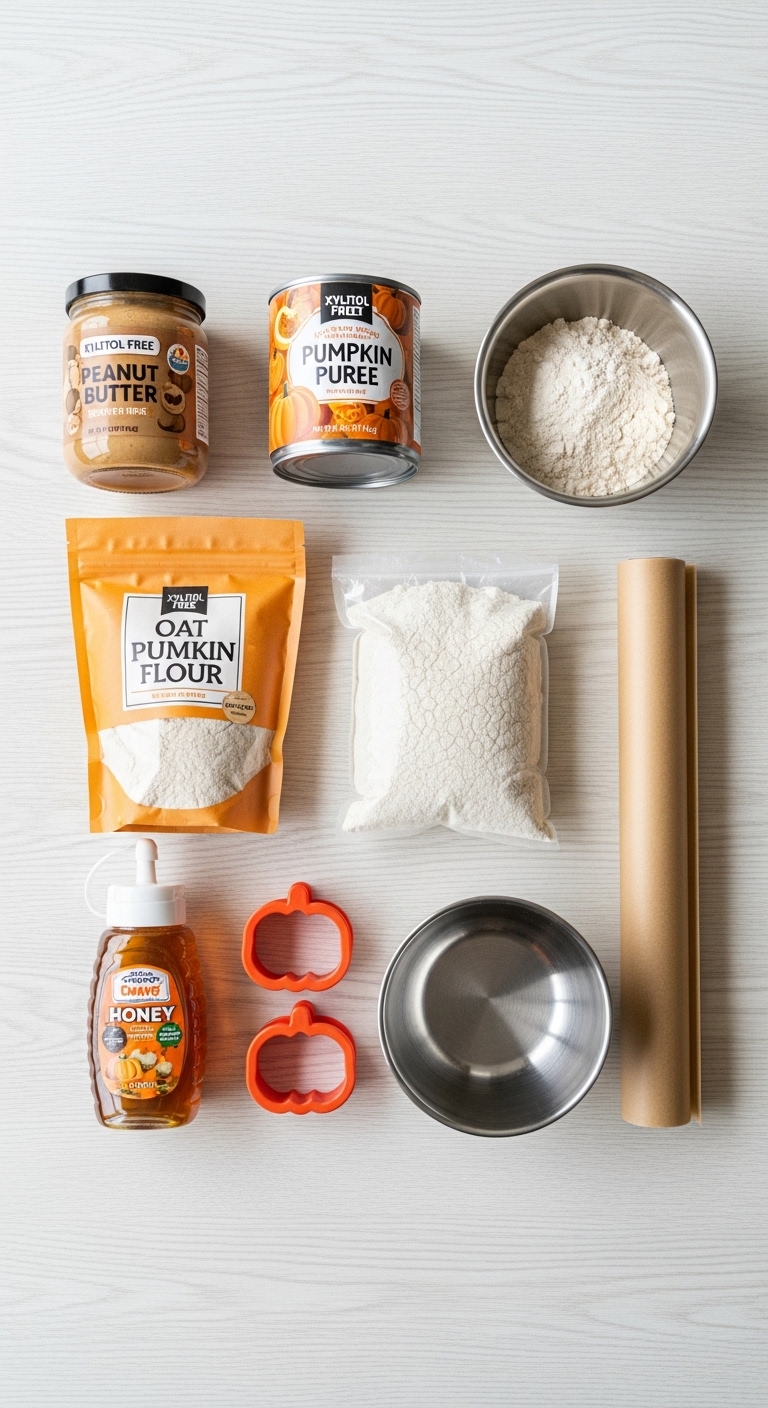
A common mistake is assuming all peanut butters are safe. Always double-check the label, even for trusted brands. While pumpkin aids digestion, too much can cause issues, so start with small amounts and adjust based on your pet’s response.
Using Pumpkin as a Food Topper
If baking isn’t your preference, pumpkin works well as a simple food topper. Add a teaspoon or two to your pet’s regular kibble or wet food to enhance flavor and fiber. This is especially useful for older pets or those with digestive issues who need extra encouragement to eat.
Seasonal Variations for Year-Round Use
Pumpkin isn’t just for fall; it’s versatile for all seasons. In summer, freeze pumpkin puree into ice cube trays for a cool treat. In winter, mix it into warm meals for added moisture and comfort. For pets with nut allergies, swap peanut butter for sunflower seed butter to keep treats safe and tasty.
Storing and Shelf Life
Store leftover pumpkin puree in an airtight container in the fridge for up to a week, or freeze in portions for longer storage. Homemade treats should be refrigerated and used within a few days or frozen for up to a month. Always thaw treats in the fridge and avoid leaving them out to prevent spoilage.
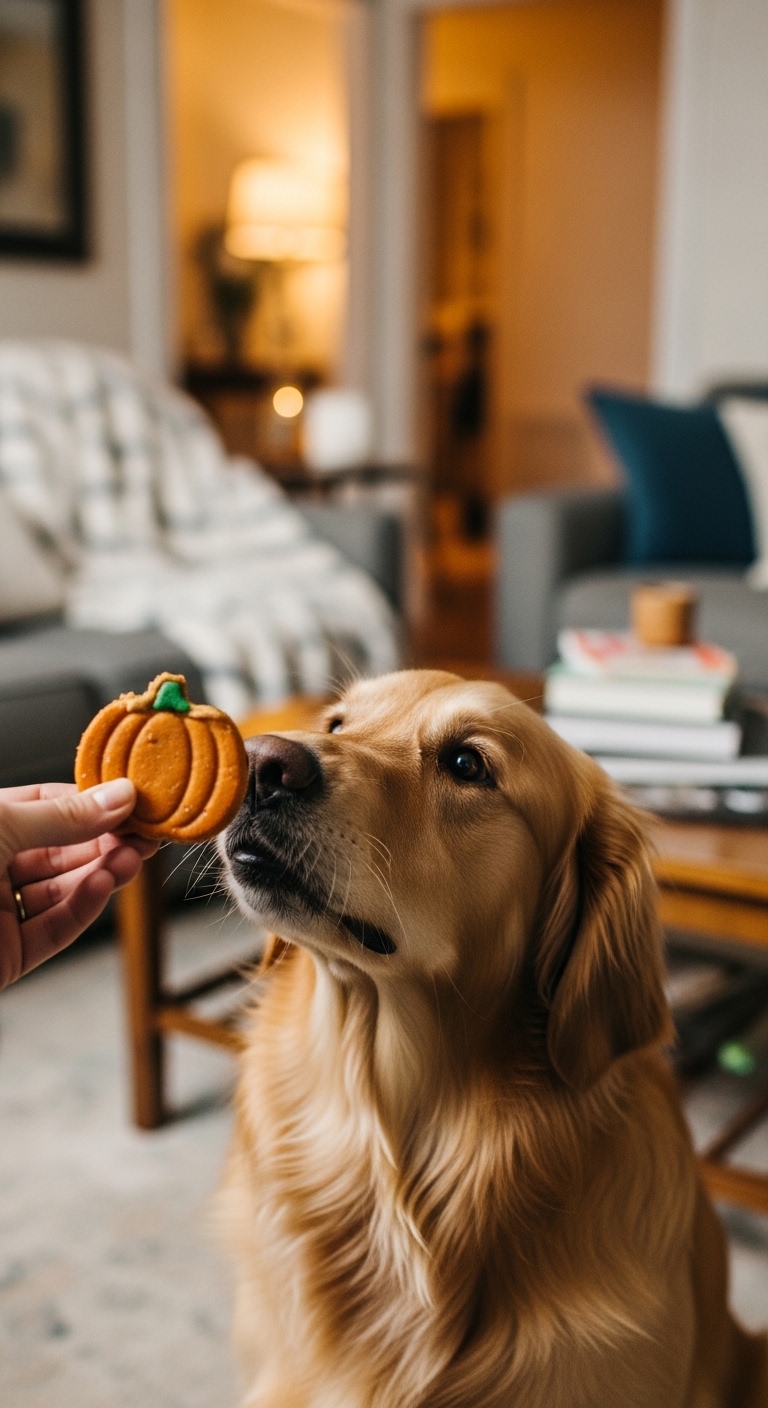
When introducing peanut butter pumpkins, keep portions small to avoid digestive issues. This simple addition can make a big difference in your pet’s diet and happiness.
Frequently Asked Questions
- → Are peanut butter pumpkin treats safe for all pets?
Yes, these treats are generally safe for dogs and cats when made with pet-safe ingredients. Always check for allergies and avoid xylitol in peanut butter, which is toxic to pets.
- → Can I use fresh pumpkin instead of canned?
Fresh pumpkin can be used if cooked and pureed without spices or sugar. Ensure it's cooled before mixing with other ingredients.
- → How long do these treats last?
Stored in an airtight container, these treats stay fresh for up to two weeks. For longer storage, freeze them for up to three months.
- → Can I substitute flour for grain-free options?
Yes, substitute with coconut flour or almond flour for grain-free alternatives. Adjust liquid ratios as needed since these flours absorb moisture differently.
- → Are these treats suitable for diabetic pets?
Peanut butter and pumpkin have natural sugars, so moderation is key. Consult your vet before offering these treats to diabetic pets.
- → How do I adjust the recipe for smaller pets?
Reduce ingredient quantities proportionally. For tiny pets, cut treats into smaller pieces to prevent choking hazards and control portion sizes.