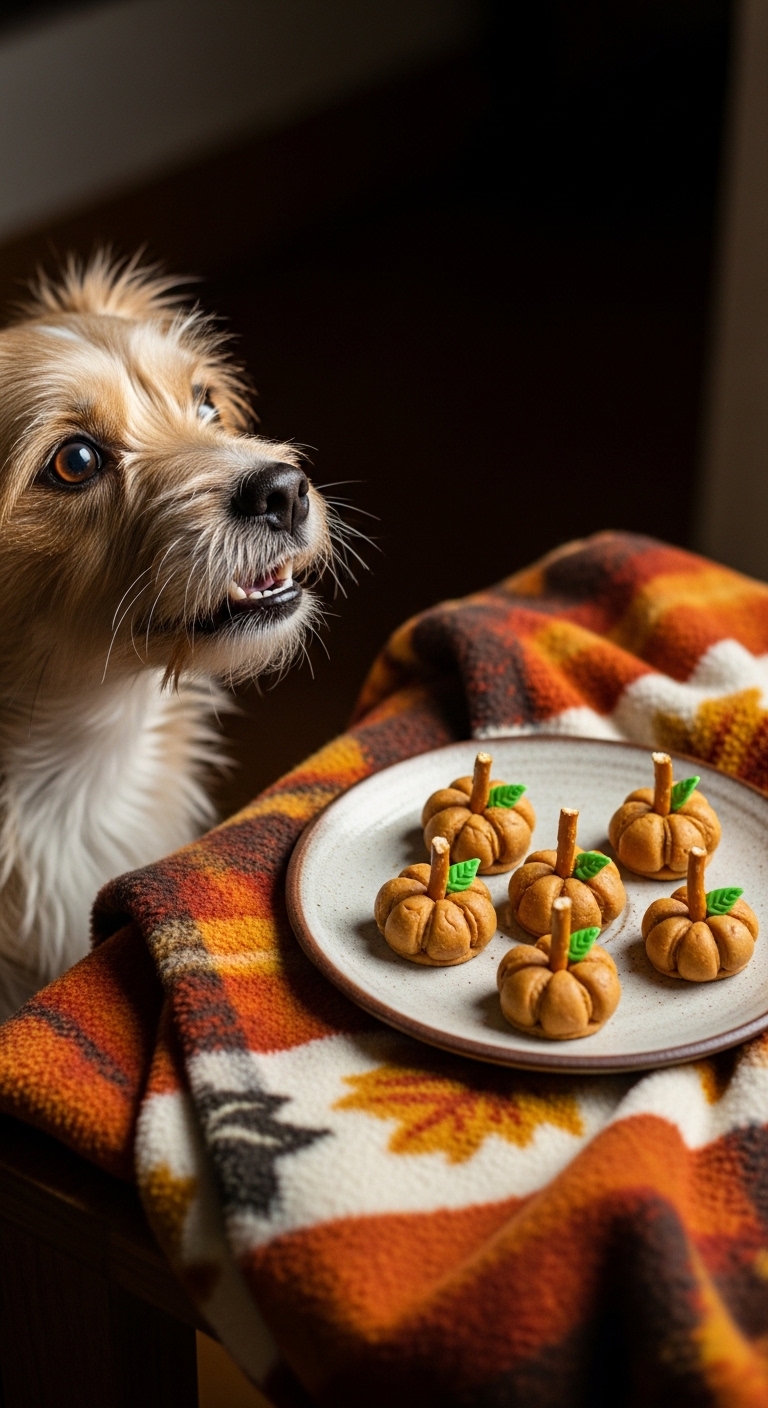
Giving your dog homemade treats is a great way to provide wholesome snacks without unknown additives. Pumpkin-based options are especially beneficial for digestion and can be tailored to your dog's specific dietary needs, whether they require grain-free, low-fat, or soft-textured rewards. These treats also serve as excellent training aids and create opportunities for bonding with your pet.
I still recall the first time I made treats for my rescue dog. She devoured them so quickly that I had to stash the next batch out of reach. The moment she realized they were made just for her was unforgettable.
Key Things to Understand
- Digestive benefits: Pumpkin naturally supports digestion and can help regulate stool consistency for sensitive stomachs
- Simple ingredients: Basic recipes require only pumpkin puree, flour, and eggs, making them easy to prepare
- Quick preparation: Baking typically takes about 20 minutes, making this a fast project
- Texture advantages: The soft, chewy result is ideal for dogs who struggle with hard commercial biscuits
- Size adaptability: Portions can be adjusted for different breed sizes, with smaller pieces for tiny dogs
What to Look For
When selecting ingredients, choose 100% pure pumpkin puree without added sugars or spices. Avoid pumpkin pie filling, which often contains cinnamon and other seasonings that may upset your dog's stomach. The dough should have a workable consistency: thick enough to roll but not sticky. Adjust with small amounts of flour or water as needed. Observe your dog's reaction to new treats, as some may need time to adjust to homemade options. Increased thirst after eating could indicate the treats are too salty or rich, suggesting a need for recipe modification.
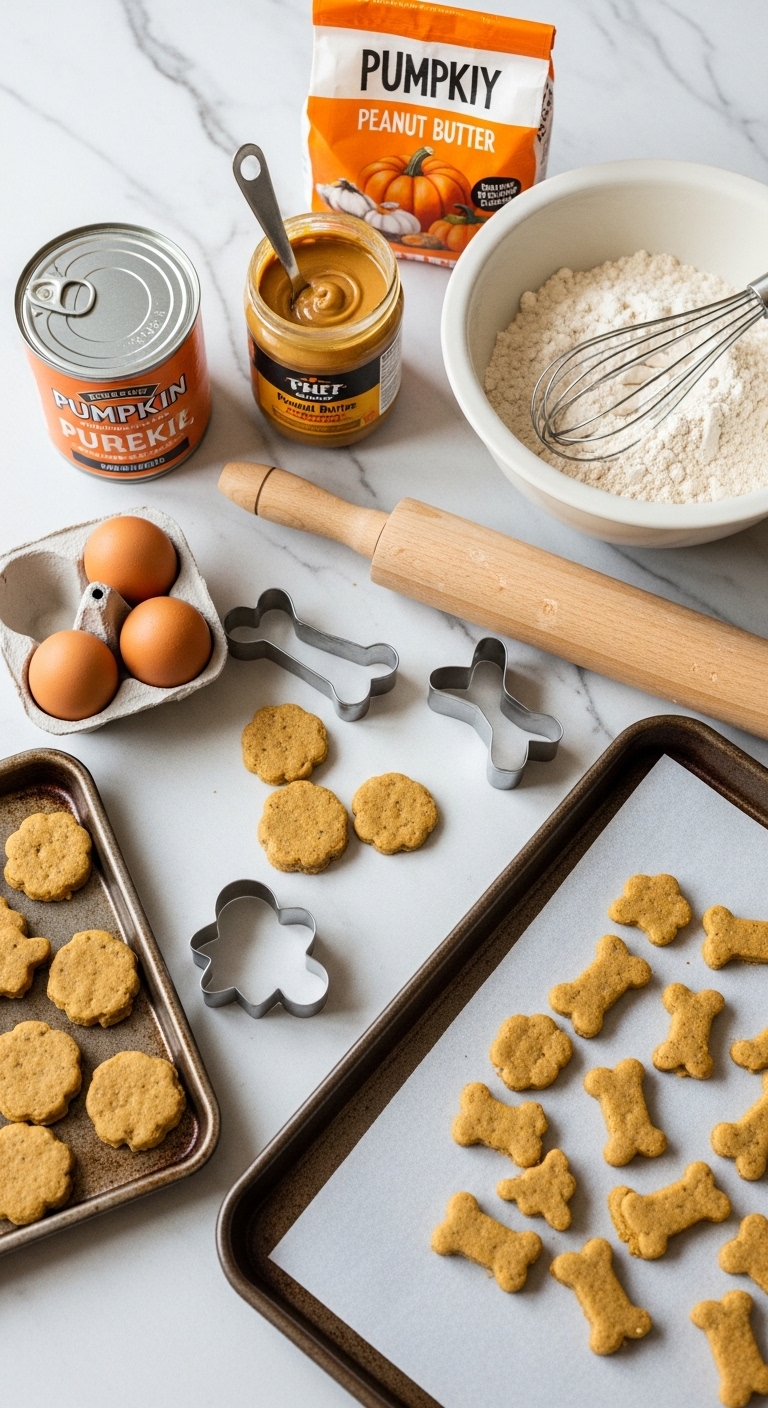
Avoid making treats too thick, as dogs generally prefer softer textures. I once created a batch that was too hard because I didn't roll the dough thinly enough, and my dog completely ignored it. The ideal thickness should yield treats that are easy to chew while maintaining their shape.
Customizing Your Treats
Enhance treat appeal by using cookie cutters to create fun shapes your dog will recognize. For added nutrition, consider mixing in plain Greek yogurt, which provides extra protein and creates a creamier texture. Adjust baking times and temperatures to achieve your preferred consistency, with lower temperatures and longer times producing crunchier results.
Flavor Variations
If your dog isn't enthusiastic about pumpkin, experiment with safe flavor additions like peanut butter or unsweetened applesauce. The key is maintaining small, soft pieces that are easy to chew and digest. Once you find a successful recipe, prepare large batches and freeze portions for convenient access during training sessions or as occasional rewards.
Storage Solutions
Proper storage maintains treat freshness and quality. Use airtight containers for refrigerator storage and freezer-safe bags for long-term freezing. Label containers with preparation dates to track freshness. Thaw frozen treats in the refrigerator before serving to preserve texture and prevent digestive issues from sudden temperature changes.
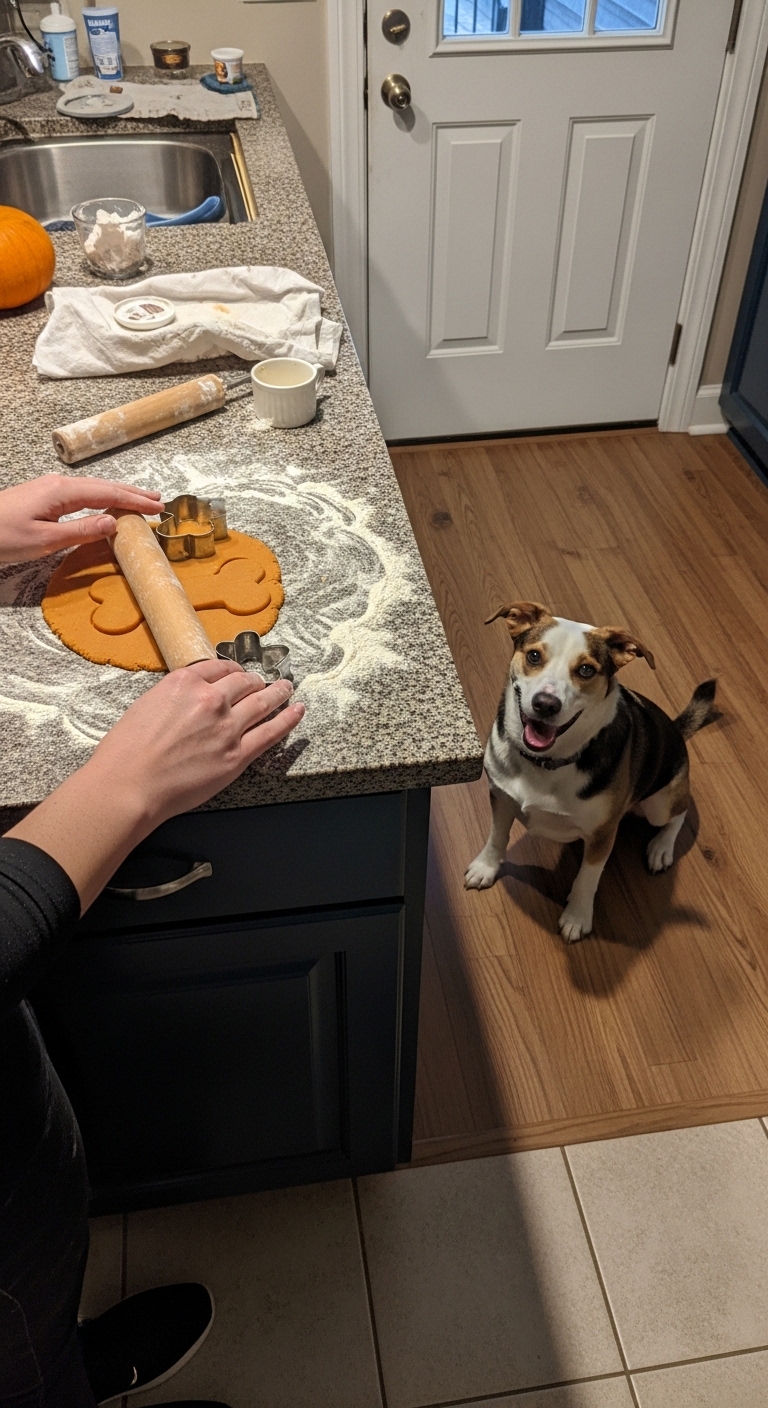
Homemade treats offer complete control over ingredients while providing tailored nutrition for your dog. The process creates opportunities for bonding and ensures your pet receives wholesome rewards.
Frequently Asked Questions
- → Are pumpkin dog treats good for all dogs?
Pumpkin is generally safe for most dogs and can aid digestion. However, always introduce new treats gradually and consult your vet if your dog has dietary restrictions or health conditions.
- → How long do homemade pumpkin dog treats last?
These treats can be stored in an airtight container in the fridge for up to two weeks or frozen for up to three months. For longer shelf life, consider dehydrating them.
- → Can I use canned pumpkin for dog treats?
Yes, plain canned pumpkin (not pumpkin pie filling) works well. Ensure it contains no added sugars, spices, or preservatives that could harm your dog.
- → What ingredients should I avoid in dog treats?
Avoid xylitol, chocolate, grapes, raisins, onions, garlic, and excessive salt or sugar. Always check ingredient labels for potential allergens like wheat or dairy if your dog has sensitivities.
- → How do I make pumpkin dog treats softer or crunchier?
For softer treats, reduce baking time or skip it entirely. For crunchier treats, bake longer at a lower temperature to dry them out completely.
- → Can pumpkin treats help with my dog’s digestion?
Yes! Pumpkin is rich in fiber, which can help regulate digestion and relieve both constipation and diarrhea in dogs when given in moderation.