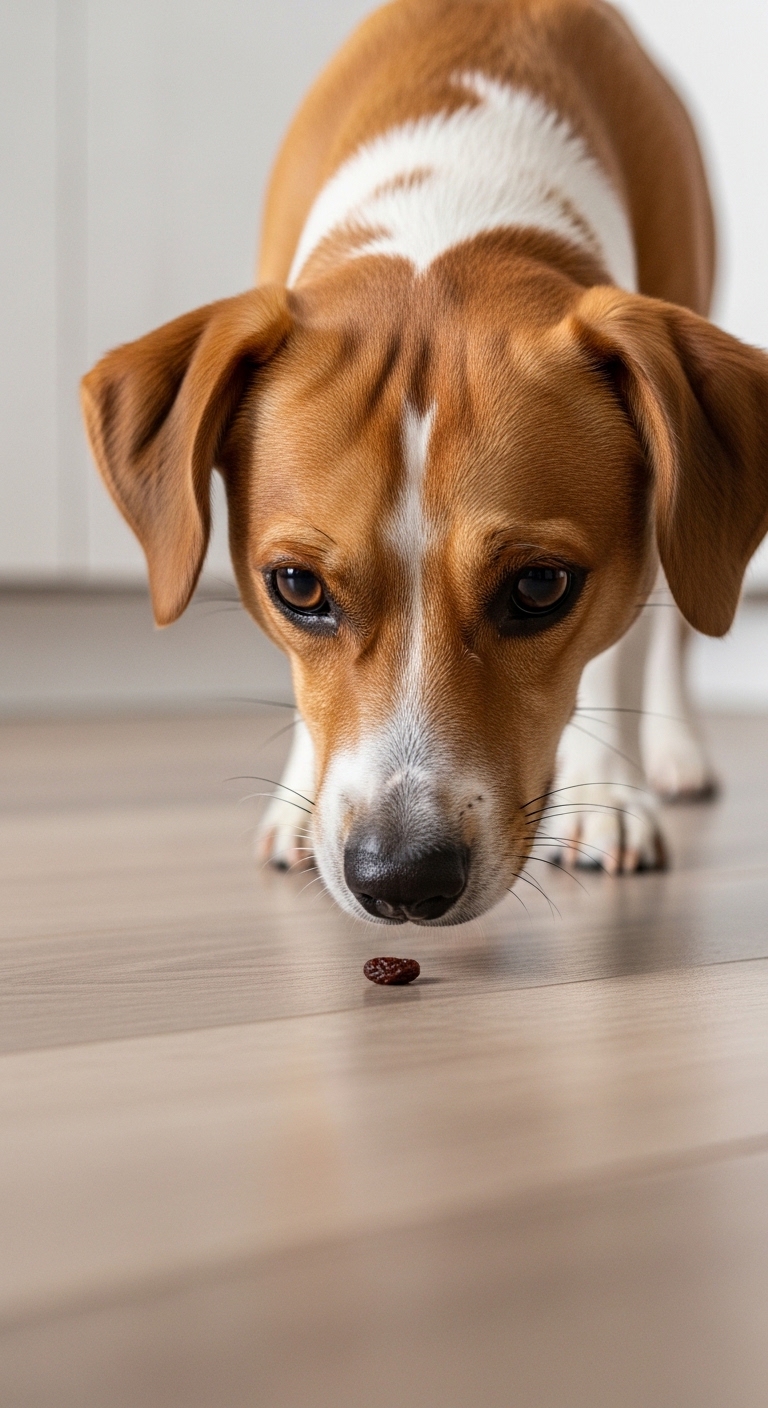
Many pet owners wonder about adding human foods to their dog’s diet, and broccoli often comes up as a healthy option. Before you toss a floret into your pup’s bowl, it’s worth knowing how this green veggie affects dogs and what precautions to take. Feeding the right foods can boost your dog’s nutrition, but the wrong choices can lead to digestive upset or worse. Understanding the balance is key to keeping your dog happy and healthy.
I’ve seen dogs love the crunch of raw broccoli, but not all pups react the same way. Some dogs gobble it up without issues, while others get an upset stomach. That’s why knowing the right way to serve it matters.
Key Things to Understand
- Safe in moderation: Broccoli is safe for dogs in small amounts but should never make up more than 10% of their diet
- Best parts to feed: The stems and florets are the safest parts to feed raw or cooked
- Digestive risks: Large quantities of broccoli can cause digestive issues like gas or bloating
- Raw vs cooked: Raw broccoli is harder for dogs to digest than cooked, steamed broccoli
- Thyroid concerns: Too much broccoli can lead to thyroid issues due to goitrogens in the vegetable
- Gradual introduction: Always introduce new foods gradually to monitor your dog’s reaction
What to Look For
Watch how your dog reacts after eating broccoli for the first time. Some dogs may love the taste and crunch, while others might turn their nose up at it. If your dog seems interested, start with a small piece to see how they tolerate it. Look for signs of excitement or hesitation: dogs often show clear preferences. If your dog gobbles it up without any issues, you can consider it a safe treat in moderation.
Pay attention to your dog’s digestion after feeding broccoli. Some dogs may experience gas or loose stools, especially if they eat too much. If you notice these signs, it’s best to reduce the portion size or avoid it altogether. Also, observe your dog’s energy levels and behavior. A sudden change in energy or discomfort could signal that broccoli isn’t agreeing with them.
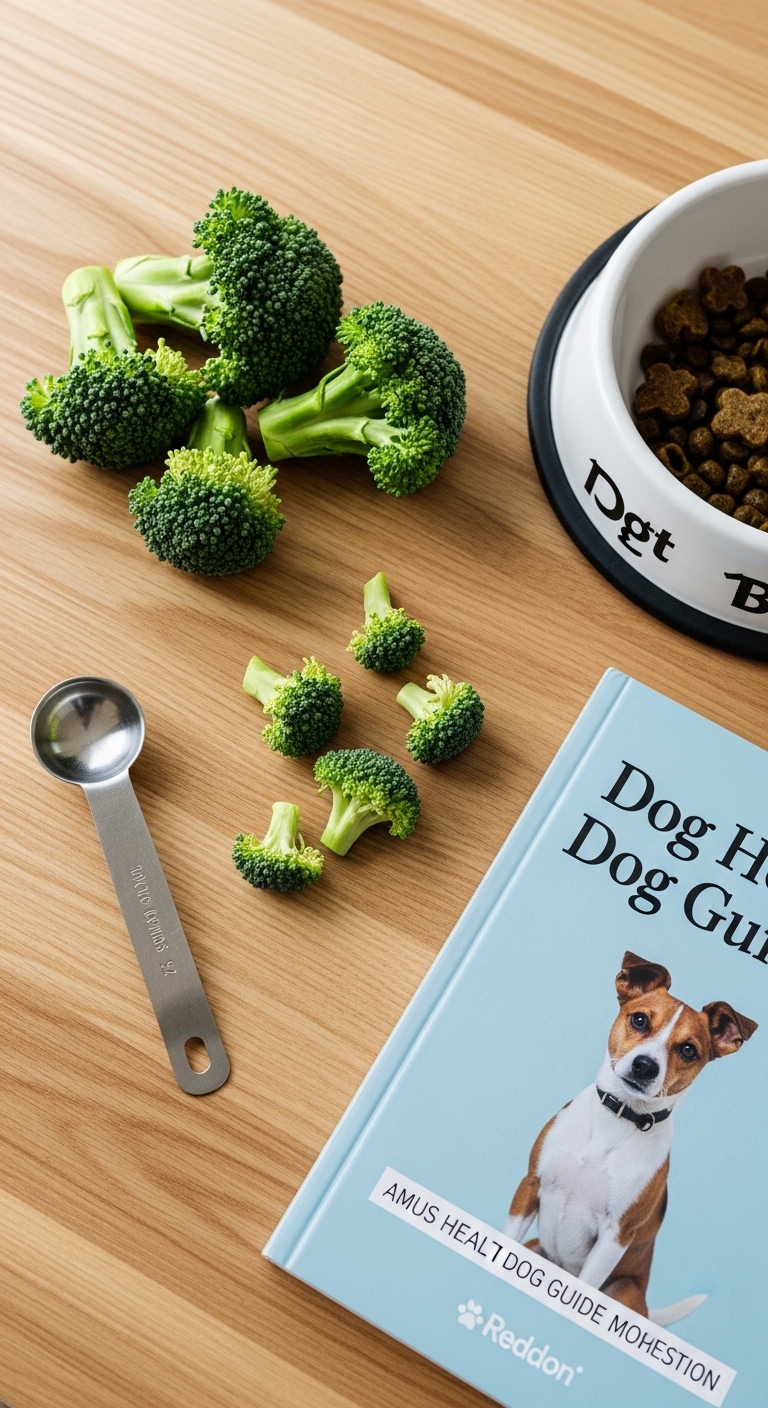
I’ve noticed that dogs with sensitive stomachs often struggle with raw broccoli more than cooked. If your dog has a history of digestive issues, it’s best to introduce broccoli slowly and in tiny amounts. Always cut broccoli into small, bite-sized pieces to prevent choking, especially for smaller breeds. One common mistake is assuming that because a food is healthy for humans, it’s automatically safe for dogs: broccoli is a perfect example of why that’s not always true.
Daily Care Habits
Incorporating broccoli into your dog’s diet can be a great way to add fiber and vitamins, but it should complement their regular meals, not replace them. If you’re using broccoli as a treat, keep portions small: about a teaspoon for small dogs and a tablespoon for larger breeds. Too much fiber can cause digestive upset, so it’s best to offer it occasionally rather than daily.
Choosing the Right Product
If you’re buying broccoli for your dog, opt for organic when possible to avoid pesticide residues. Fresh broccoli is always the best choice, but frozen broccoli (without added salt or seasonings) can also work. Avoid canned broccoli, as it often contains high levels of sodium, which isn’t healthy for dogs. When in doubt, stick to plain, unseasoned broccoli to keep it safe.
Safety and Comfort
Always supervise your dog when they’re eating broccoli to ensure they’re chewing it properly and not trying to swallow large pieces whole. Large chunks can pose a choking hazard, especially for smaller dogs. If your dog has a habit of gulping food without chewing, steaming the broccoli can soften it and make it safer. Also, avoid feeding broccoli to dogs with thyroid issues, as the goitrogens in broccoli can interfere with thyroid function.
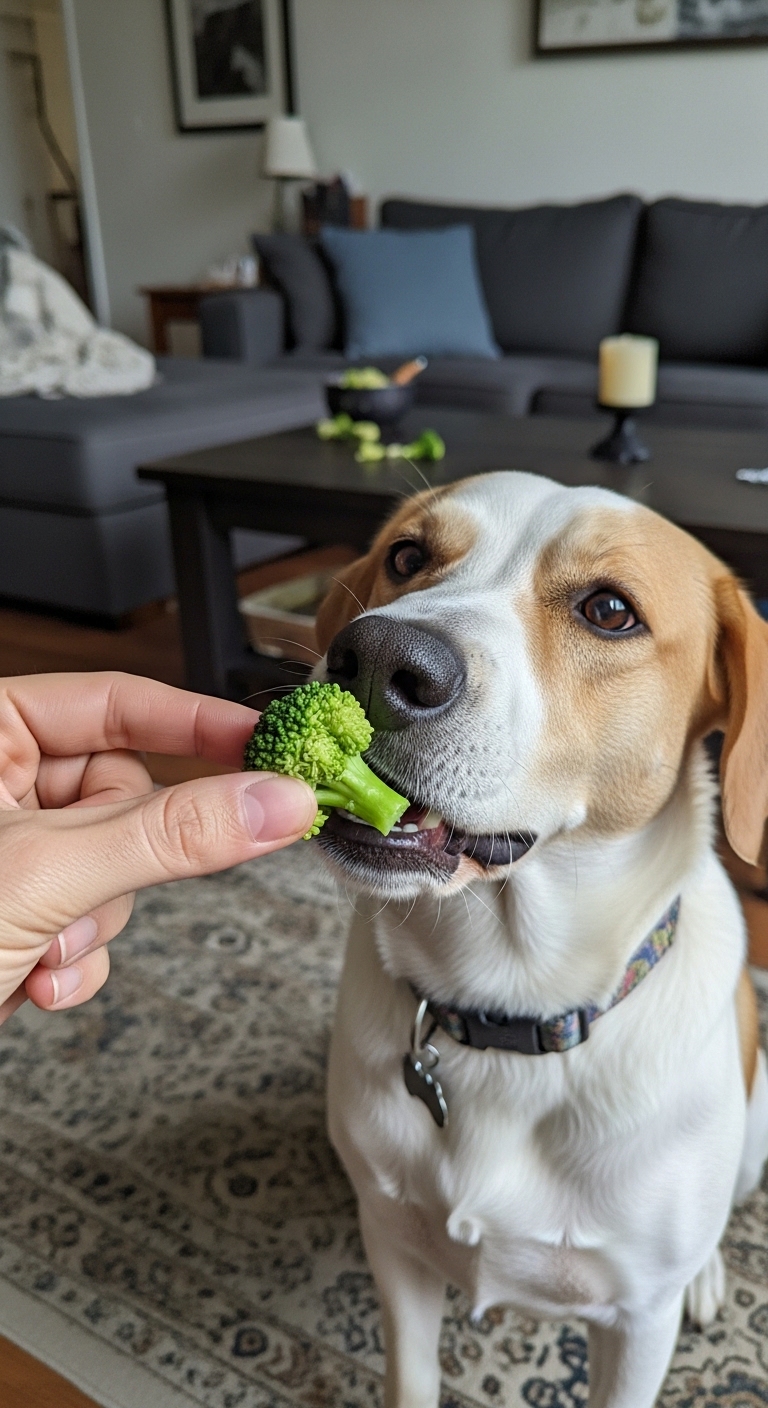
Broccoli can be a healthy addition to your dog’s diet when given in moderation and prepared properly. Always prioritize your dog’s individual needs and consult your vet if unsure.
Frequently Asked Questions
- → Can dogs eat broccoli safely?
Yes, dogs can eat broccoli in moderation. It’s a nutritious, low-calorie vegetable packed with vitamins and fiber. However, it should be served in small, manageable pieces to avoid choking hazards.
- → How much broccoli can I give my dog?
Broccoli should make up no more than 10% of your dog’s daily food intake. For small dogs, a few small florets or a teaspoon of chopped broccoli is sufficient. Larger dogs can have slightly more, but always introduce it gradually.
- → Is raw broccoli better than cooked for dogs?
Cooked broccoli is easier for dogs to digest and reduces the risk of choking. Steaming or boiling without seasoning is the safest method. Avoid adding salt, butter, or oils.
- → What parts of broccoli should dogs avoid?
Dogs should avoid broccoli stems and large florets, as they can cause choking. Always chop broccoli into tiny, bite-sized pieces before serving.
- → Can broccoli cause digestive issues in dogs?
Yes, overfeeding broccoli can lead to gas, bloating, or stomach upset due to its high fiber content. Start with small amounts and monitor your dog’s reaction.
- → Is broccoli toxic to dogs in any form?
Broccoli itself is not toxic, but seasonings like garlic, onions, or excessive salt can be harmful. Always serve plain, unseasoned broccoli in moderation.