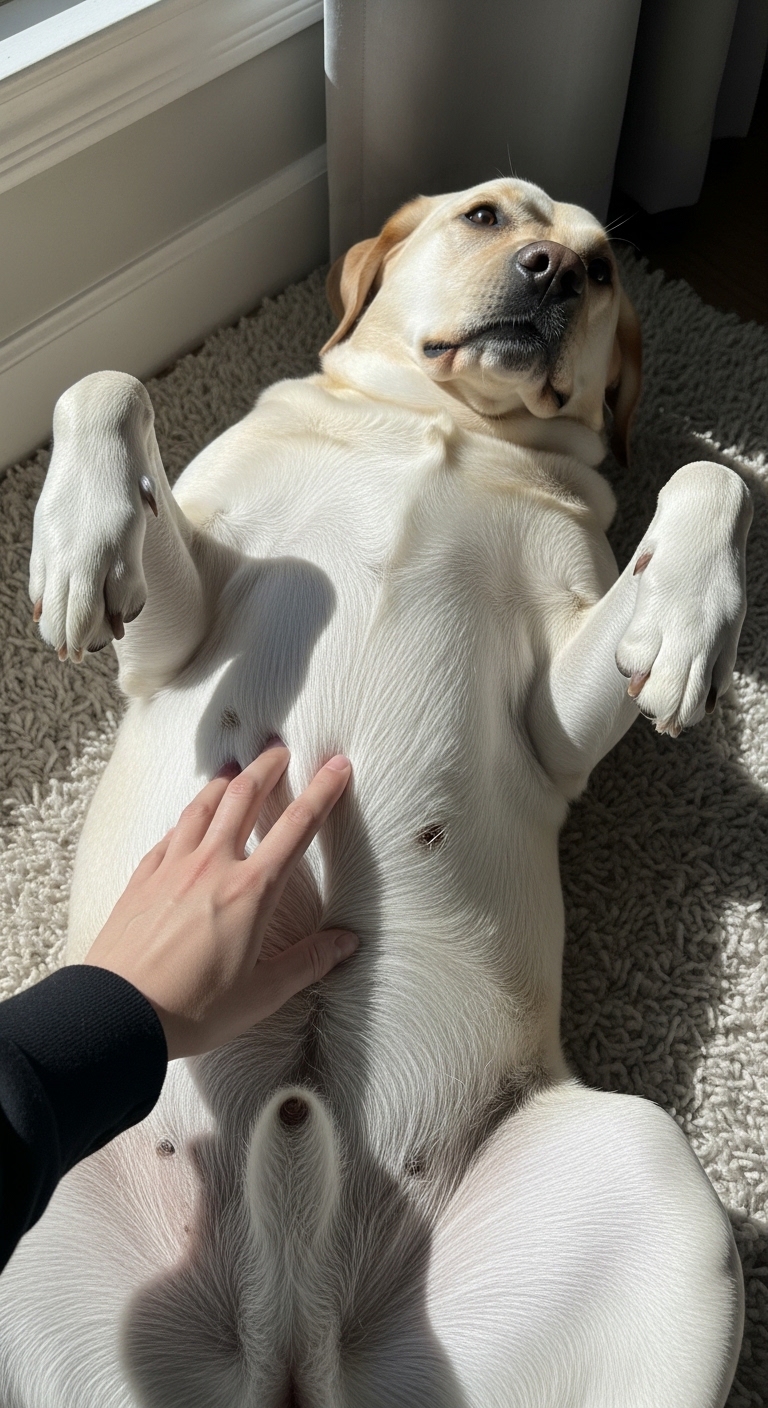
It’s a question many pet owners wonder about, especially when watching their furry friends react to toys, sunsets, or even the color of their food bowls. While we’ve long assumed dogs see the world in black and white, science tells a different story. Understanding how your dog perceives colors can change the way you choose toys, decorate your home, and even train them. It’s not just about curiosity: it’s about making their daily life richer and more comfortable.
I’ve seen dogs ignore a bright red ball in the grass because it blended in, while a neon green one got chased across the yard. Small adjustments based on color perception can make a big difference in their playtime and training.
Key Things to Understand
- Dogs see a limited color spectrum compared to humans, mostly blues and yellows: They struggle to distinguish between red and green, which appear as shades of gray or brown.
- Bright colors like blue and yellow stand out more clearly to them: Their vision is also less sharp than ours, so details aren’t as clear.
- Low light vision is better than ours: This is why they navigate well at night.
What to Look For
Pay attention to which colors your dog reacts to during play. If they ignore a toy in one color but love it in another, it might be because the first one blends into the background or looks dull to them. Watch how they navigate spaces with different lighting: bright rooms might feel overwhelming if the colors are too intense, while dimmer areas could feel safer. Notice if they hesitate near objects that are red or green, as these shades may not stand out to them. Their comfort in certain environments can often be tied to how well they can see their surroundings.

I once bought a bright red toy for my dog, thinking it would be easy to spot. He walked right past it in the grass, only noticing it when I moved it. It was a great lesson in choosing toys based on what dogs actually see, not what we do.
Daily care habits
If your dog seems disinterested in certain toys, try swapping out red or green ones for blue or yellow. This small change can make playtime more engaging for them. Pay attention to how they react to different colored bowls: some dogs prefer lighter or darker shades because they’re easier to see. When walking at dusk or dawn, remember that their vision is sharper in low light, so they may navigate better than you expect.
Choosing the right product
When buying toys or accessories, opt for blues, yellows, and whites over reds and greens. These colors are more likely to catch their attention and keep them interested. If you’re training with colored markers or flags, use blue or yellow to ensure your dog can see them clearly. Avoid relying on red or green for anything critical, as they may not stand out.
Safety and comfort
Avoid decorating your home with too many bright red or green items if your dog seems easily startled or confused. These colors can blend into the background or appear as murky shades, making it harder for them to navigate. If you notice your dog squinting or avoiding certain areas, check the lighting and color scheme: it might be too harsh or unclear for their vision.
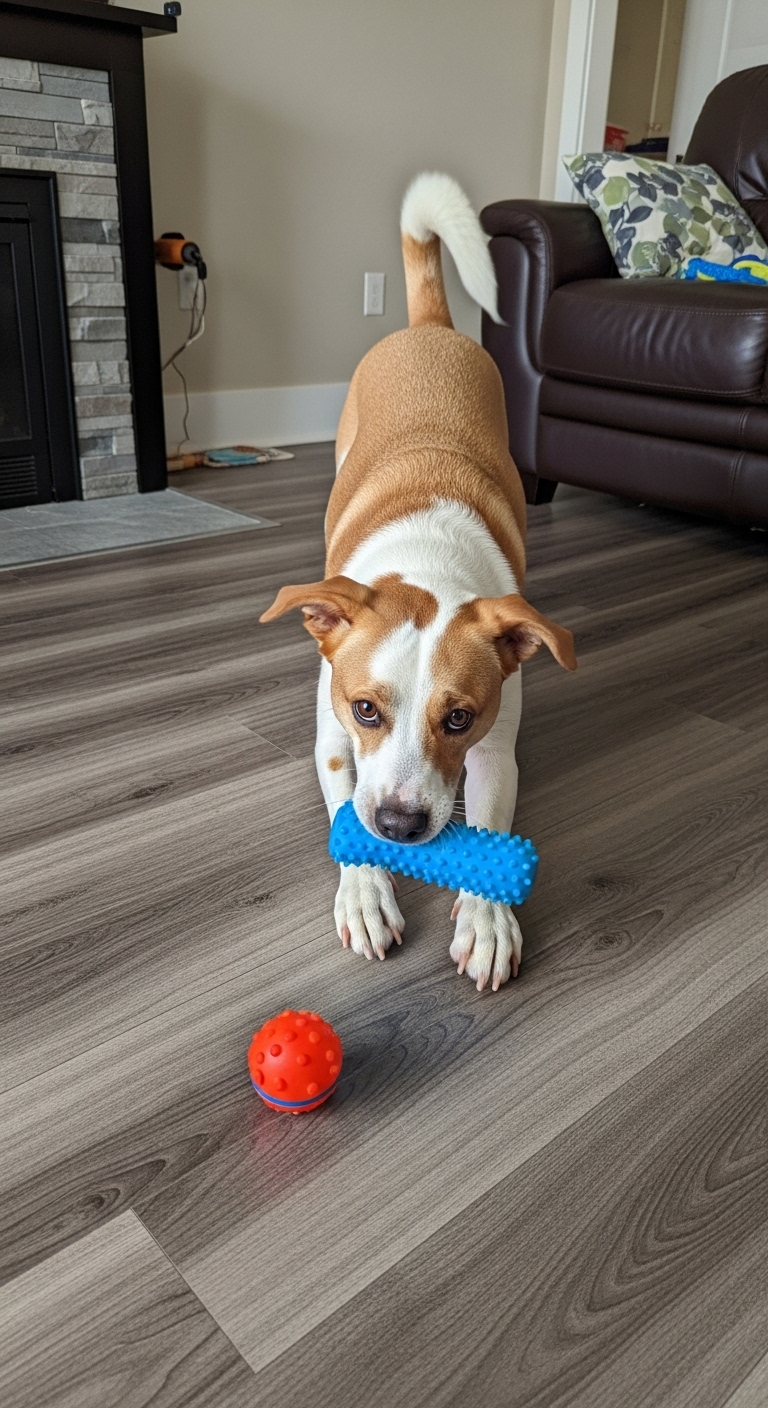
Understanding your dog’s color vision helps you create a world that’s more engaging and comfortable for them. Small changes can make a big difference in their happiness.
Frequently Asked Questions
- → What colors can dogs see?
Dogs see primarily in blues, yellows, and various shades of gray. They cannot distinguish between red and green, similar to a human with red-green color blindness.
- → Is dog vision similar to human color blindness?
Yes, dogs experience color vision similar to red-green color blindness in humans. They have dichromatic vision with two types of cone cells instead of three.
- → Does dog color vision affect their behavior?
While dogs rely more on scent and movement than color, their vision does influence how they interact with their environment. They're more likely to notice blue and yellow objects than red ones.
- → Can dogs see better in the dark than humans?
Yes, dogs have better night vision than humans due to a higher number of rod cells in their retinas, which detect light and motion. Their pupils also dilate more, allowing more light in.
- → What toys should I choose for my dog based on their color vision?
Opt for toys in bright blues and yellows, as these colors stand out most to dogs. Avoid red and orange toys as they may appear gray or blend into the background for your pup.
- → How does dog vision compare to cat vision?
Both dogs and cats have dichromatic vision, but cats have slightly better night vision and a narrower field of view. Dogs have a wider field of view (about 240-250 degrees compared to cats' 200 degrees).