Do dogs have belly buttons? It’s one of those small details about pets that often goes unnoticed until someone points it out. Most people know humans have belly buttons, but the idea of a dog having one might seem surprising. Yet, just like us, dogs are born with umbilical cords that leave a trace behind. Understanding this little mark isn’t just a fun fact: it can help you spot potential health issues early or simply satisfy your curiosity about your pet’s body. For pet owners who like to stay informed, this small detail can make a big difference in how you care for your dog.
You might not think about it often, but noticing small details like this can make you a more observant and confident pet owner.
Key Things to Understand
- Dogs do have belly buttons, but they’re not as noticeable as human ones: The umbilical cord leaves a small scar that fades over time.
- The location is usually near the center of the belly: This is where the hair is often thinner, making it easier to spot if you look closely.
- A healthy dog belly button shouldn’t have swelling, redness, or discharge: If you see any of these, it could signal an infection or other issue.
- Some dogs may have a slightly raised or indented belly button: This is normal unless it changes suddenly.
What to Look For
When you examine your dog’s belly, focus on the area around the center where the umbilical cord once connected. You’re looking for a small, flat, or slightly raised mark that might look like a tiny scar. In puppies, this area can be easier to spot because their fur is shorter. As they grow, the fur may cover it, but you can usually still feel it with your fingertips. If the area feels warm, swollen, or seems painful when touched, it’s worth a closer look. Healthy belly buttons don’t cause discomfort, so any reaction from your dog is a sign to check with your vet.
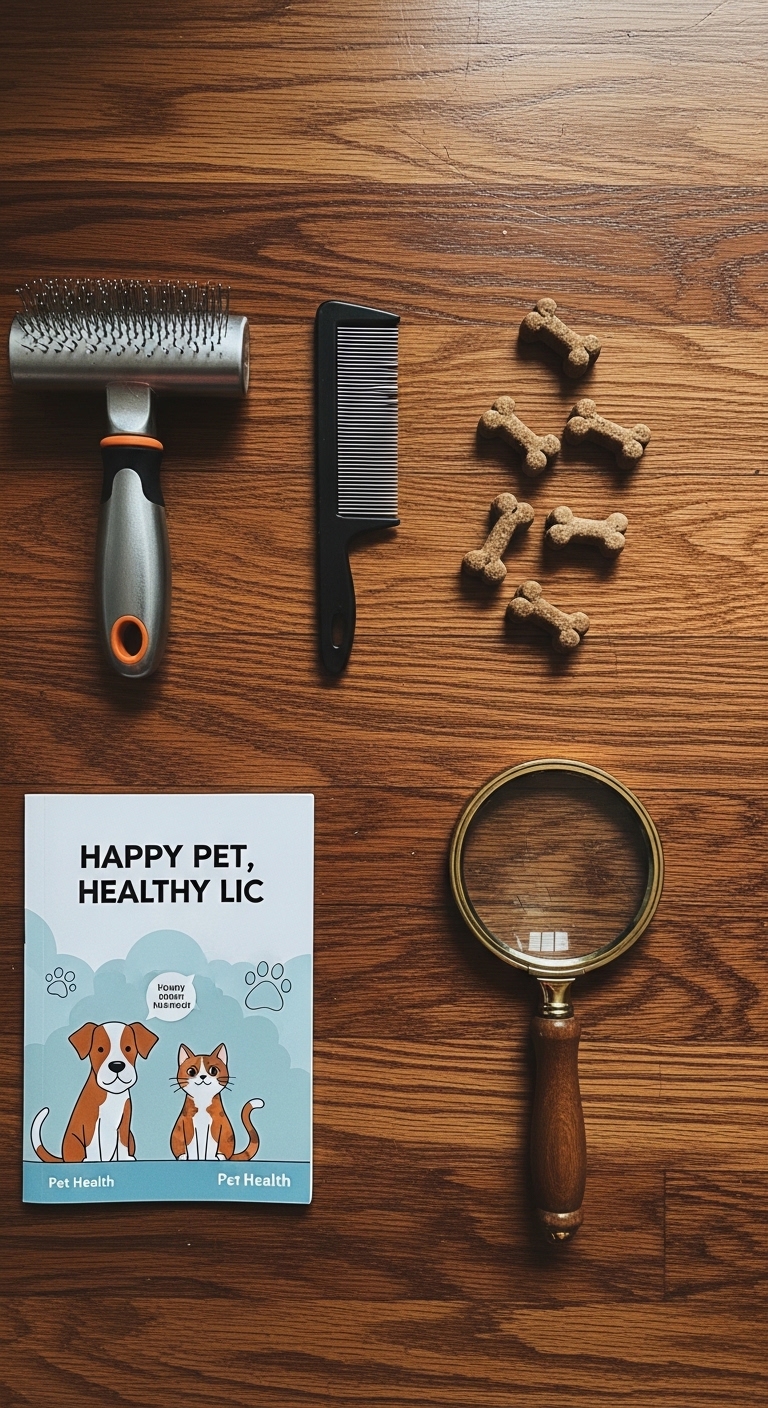
Many pet owners never notice their dog’s belly button until they’re specifically looking for it. It’s one of those quiet details that remind you how similar dogs are to humans in ways we often overlook. A quick check during grooming or playtime can give you peace of mind and help you spot anything unusual early.
Daily care habits
Incorporating a quick belly check into your regular grooming routine can help you stay on top of your dog’s health. Use this time to look for any changes in the belly button area, such as new lumps, redness, or signs of irritation. If your dog has a thick coat, parting the fur gently with your fingers can make it easier to see. This habit doesn’t take much time but can catch issues before they become serious.
Common mistakes to avoid
Assuming a belly button issue will heal on its own without treatment is risky. Some infections or irritations need medication to clear up properly. Ignoring changes in your dog’s behavior around the belly button area, such as excessive licking or scratching, can also lead to bigger problems. Using harsh soaps or grooming products near the belly button can cause irritation, so stick to gentle, pet-safe products when cleaning the area.
Safety and comfort
The belly button area is sensitive, so always handle it gently. If your dog seems uncomfortable when you touch it, avoid pressing too hard. Keep an eye on their reaction during baths or grooming sessions: if they flinch or pull away, it could indicate tenderness or pain. A calm and patient approach ensures your dog stays relaxed while you check their belly.
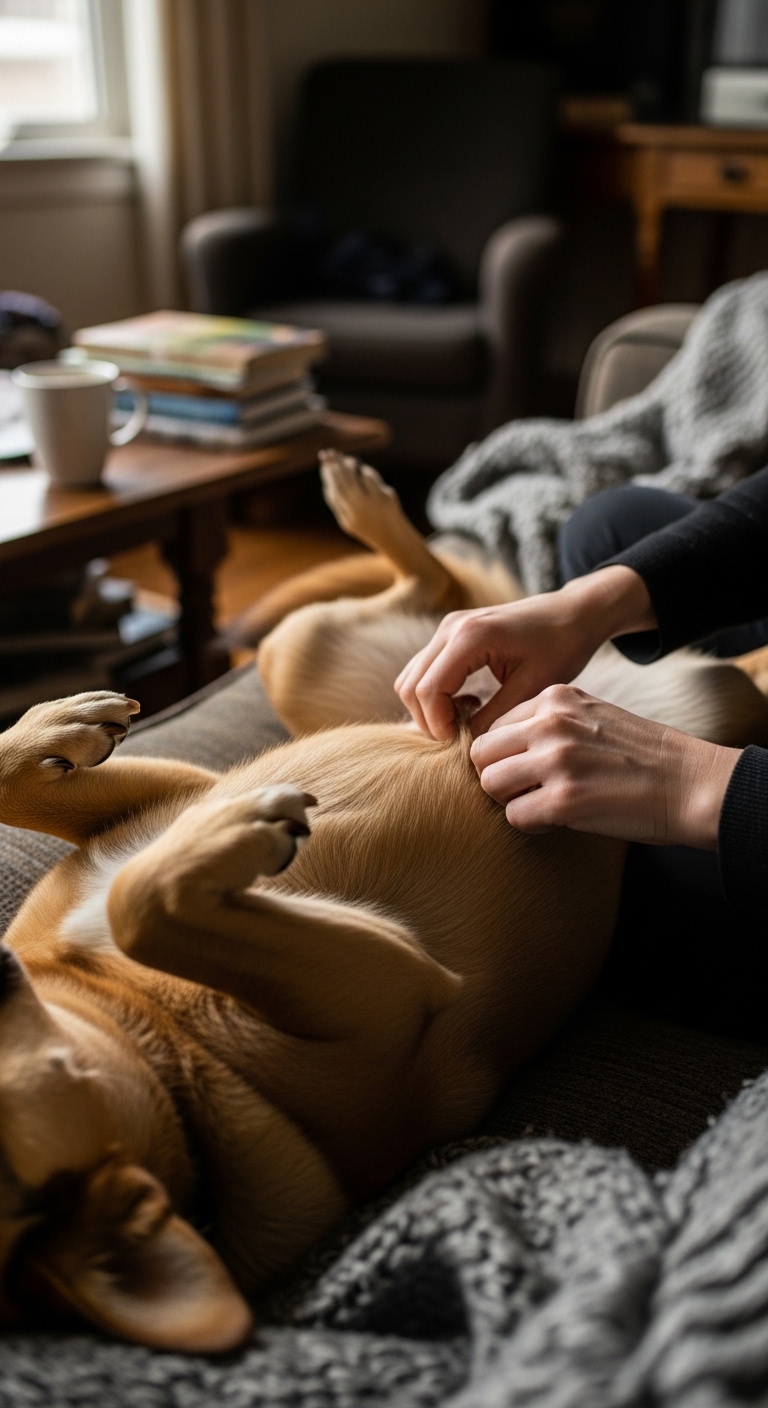
Noticing your dog’s belly button is a small but meaningful part of being a proactive pet owner. It connects you more deeply to their well-being and health.
Frequently Asked Questions
- → Do all dogs have belly buttons?
Yes, all dogs have belly buttons, but they are often very subtle and may not be as noticeable as those in humans. The belly button is a small scar left behind after the umbilical cord detaches following birth.
- → Where is a dog’s belly button located?
A dog’s belly button is typically found on the abdomen, near the center of the belly. It may appear as a small, flat scar or a slight indentation.
- → Do dogs’ belly buttons need special care?
No, dogs’ belly buttons generally do not require any special care. They heal naturally after birth and do not need cleaning or attention unless there are signs of irritation or infection.
- → Can a dog’s belly button become infected?
While rare, a dog’s belly button can become infected if bacteria enter the area. Signs of infection include redness, swelling, discharge, or a foul odor. If you notice these symptoms, consult a veterinarian.
- → Why don’t dogs’ belly buttons look like humans’?
Dogs’ belly buttons are much less prominent because the umbilical cord in puppies is typically smaller and heals flatter compared to humans. The scar is usually a small, flat mark rather than an indented or protruding belly button.
- → Is it normal for a dog’s belly button to stick out?
In most cases, a dog’s belly button is flat or slightly indented. If it appears to stick out or is swollen, it could indicate a condition called an umbilical hernia, which may require veterinary attention.