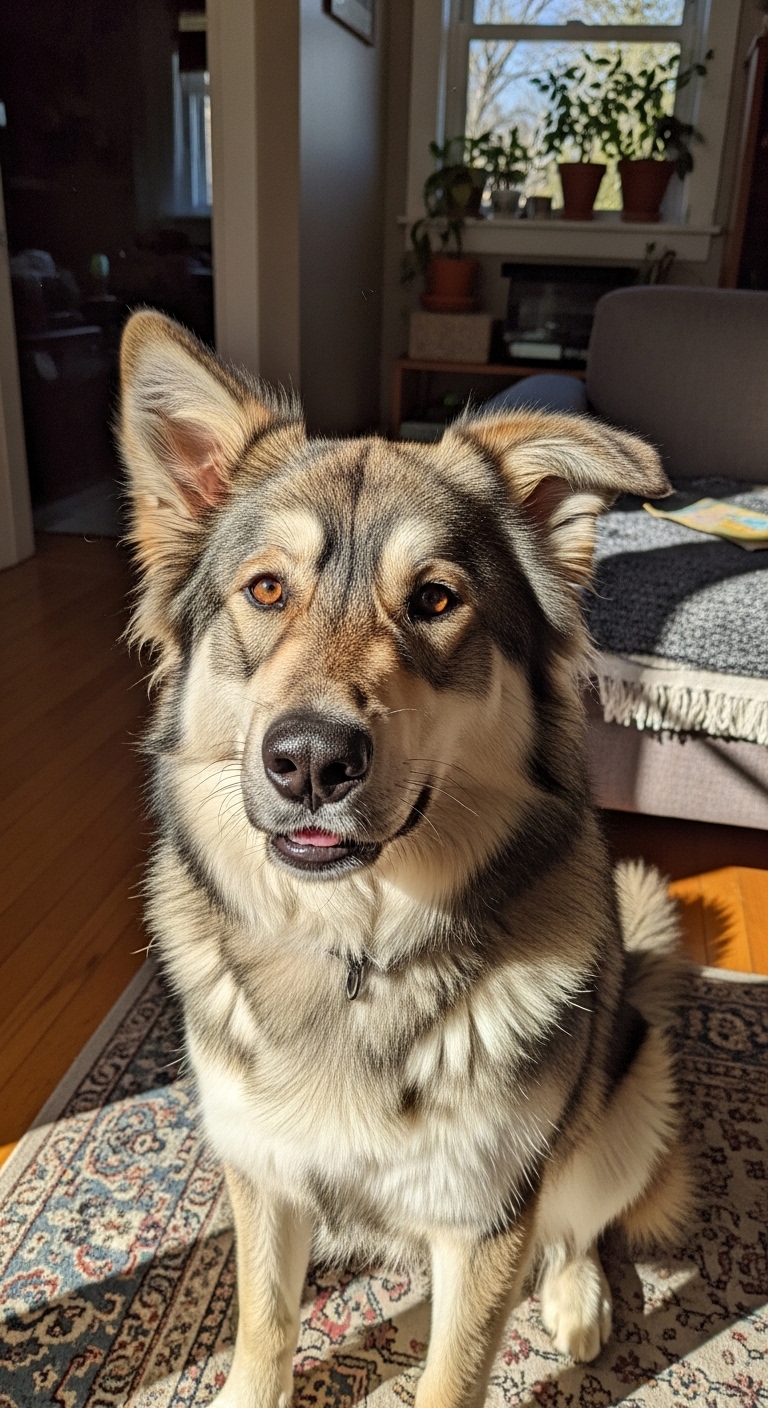
Do dogs cry? It’s a question many pet owners wonder about when their furry friend whines, sheds tears, or seems sad. While dogs don’t cry in the same way humans do with emotional tears, they do produce tears for practical reasons. Understanding this difference can help you care for your dog better and know when their tears might signal something more serious.
Sometimes, seeing your dog’s eyes water can feel worrying, but it’s often just part of their natural routine. Paying attention to these small details makes a big difference in their well-being.
Key Things to Understand
- Natural tear production: Dogs produce tears to keep their eyes lubricated, just like humans do. These tears drain through tiny ducts, so occasional wetness is normal.
- Excessive tearing: If you notice excessive tearing or crusty buildup, it could mean an eye infection, irritation, or blocked tear ducts. This isn’t just uncomfortable—it can lead to bigger problems if ignored.
- Breed tendencies: Some breeds, like Pugs or Shih Tzus, are more prone to tear staining because of their facial structure. Their flat faces can cause tears to overflow and stain their fur.
- Emotional vs. physical: Dogs don’t cry emotional tears like humans do. If your dog is whining or showing distress, it’s likely due to pain, anxiety, or discomfort, not sadness.
What to Look For
Watch for changes in your dog’s eye appearance. Healthy eyes should be clear, bright, and free of discharge. If you see redness, swelling, or a yellowish-green discharge, it’s a sign something isn’t right. These could point to infections, allergies, or even injuries that need attention.
Tear stains—those reddish-brown marks under the eyes—are common in many breeds. While they’re usually harmless, they can sometimes indicate an underlying issue like excessive tearing or poor drainage. If the stains are accompanied by foul odors or constant wetness, it’s worth checking with your vet.
Behavior matters too. If your dog is pawing at their eyes, squinting, or keeping them closed, they’re likely trying to tell you something’s wrong. These signs often mean irritation, pain, or a foreign object stuck in their eye.
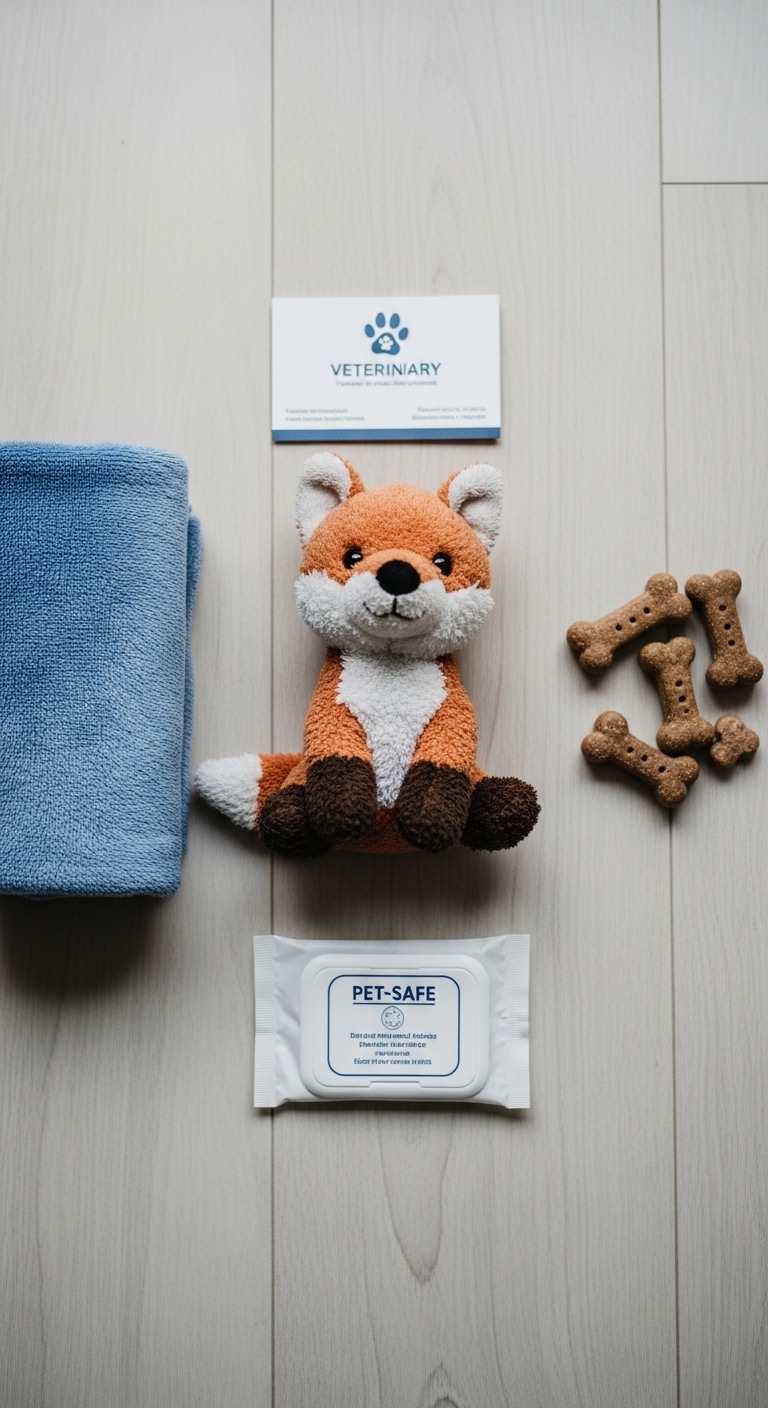
I’ve seen dogs with tear stains so bad they looked like they’d been crying for weeks, but it was just poor drainage. A simple wipe with a damp cloth and a vet check cleared it right up. Don’t assume it’s just a cosmetic issue—sometimes it’s a sign of something deeper.
Common Mistakes to Avoid
Using human eye drops or medications on your dog without consulting a vet first. What works for us can be harmful to them. Ignoring minor eye issues because you think they’ll “just go away.” Small problems can turn into big ones if left untreated. Assuming all tear stains are normal. While some breeds are prone to them, persistent staining could mean an underlying health issue.
Cleaning and Hygiene
Gently wipe your dog’s eyes daily with a clean, damp cloth to remove any discharge or debris. Use a separate cloth for each eye to avoid spreading potential infections. Avoid using harsh soaps or shampoos near their face, as these can irritate their eyes. Stick to pet-safe products. If your dog has long fur around their eyes, trimming it carefully can help reduce tear staining and keep their vision clear.
Breed-Specific Care
Flat-faced breeds like Bulldogs, Pugs, and Pekingese often struggle with tear overflow due to their facial structure. Regular face cleaning and keeping their fur trimmed can help manage staining. Breeds with lighter fur, like Maltese or Bichon Frise, may show tear stains more visibly. Using a tear stain remover made for pets can help, but always check with your vet first.
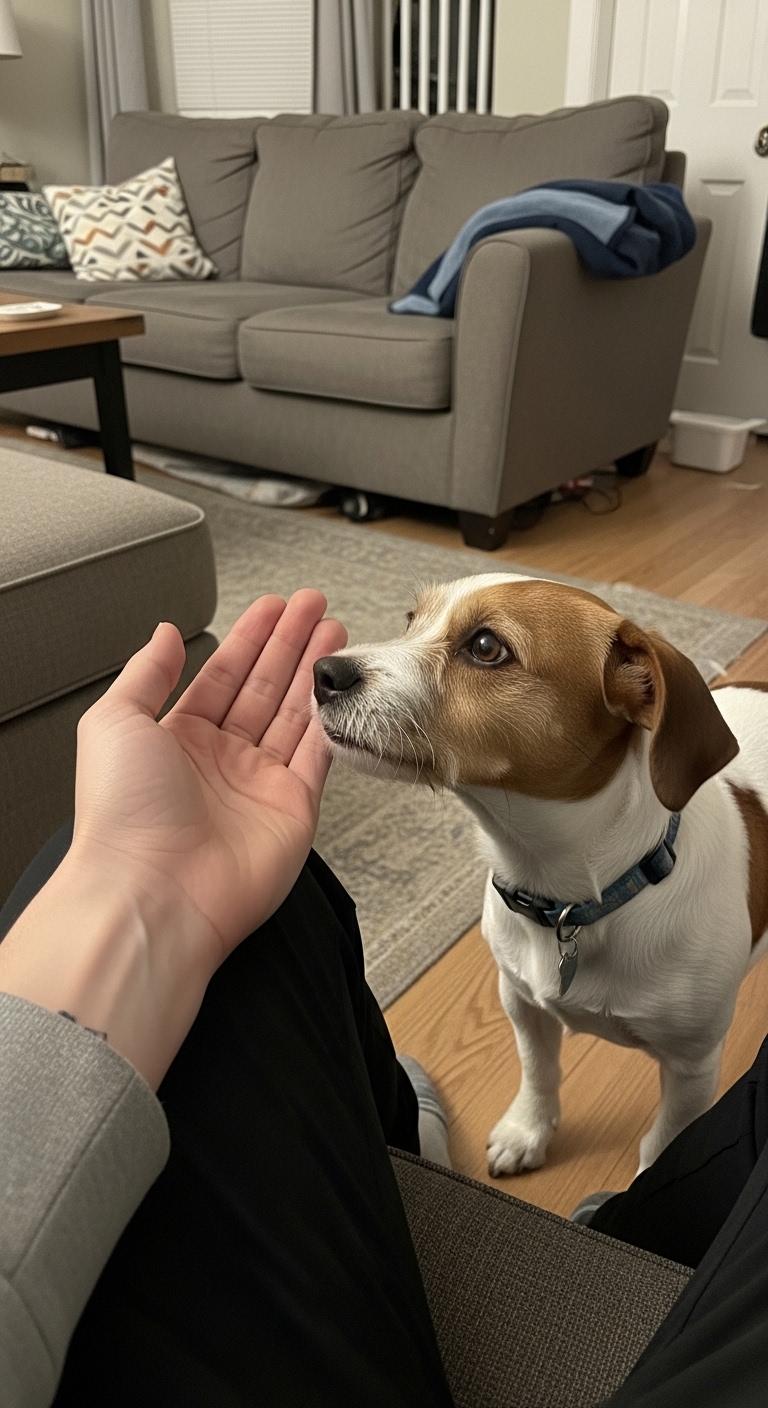
Understanding your dog’s tear production helps you respond better to their needs. Small changes in care can make a big difference in their comfort and health.
Frequently Asked Questions
- → Do dogs produce emotional tears?
No, dogs lack the emotional tear production humans have. Their tears are functional, not emotional. Excessive tearing usually points to medical issues like blocked tear ducts or irritants.
- → How can I tell if my dog is sad?
Watch for behavioral changes: lethargy, loss of appetite, or withdrawal. Dogs may whine, lick lips excessively, or avoid interaction when upset. Physical cues like tucked tails or flattened ears also indicate distress.
- → What causes watery eyes in dogs?
Common causes include allergies, dust, or foreign objects irritating the eye. Breeds with flat faces (e.g., Pugs) are prone to tear staining. If tearing persists, consult a vet to rule out infections or structural issues.
- → Can dogs cry when in pain?
Dogs don’t cry tears of pain, but they may whimper, howl, or show discomfort through body language. Limping, hiding, or reluctance to move are clearer pain indicators than vocalizations alone.
- → How do I comfort a crying dog?
First, identify the cause—pain, fear, or loneliness. Offer a quiet space, gentle petting, or familiar toys. Avoid reinforcing attention-seeking behavior; instead, reward calmness with treats or praise. Persistent crying warrants a vet visit.
- → Are certain dog breeds more prone to tearing up?
Yes, brachycephalic breeds (e.g., Bulldogs, Shih Tzus) often have shallow eye sockets, leading to tear overflow. This isn’t emotional but requires regular eye cleaning to prevent staining and infections.