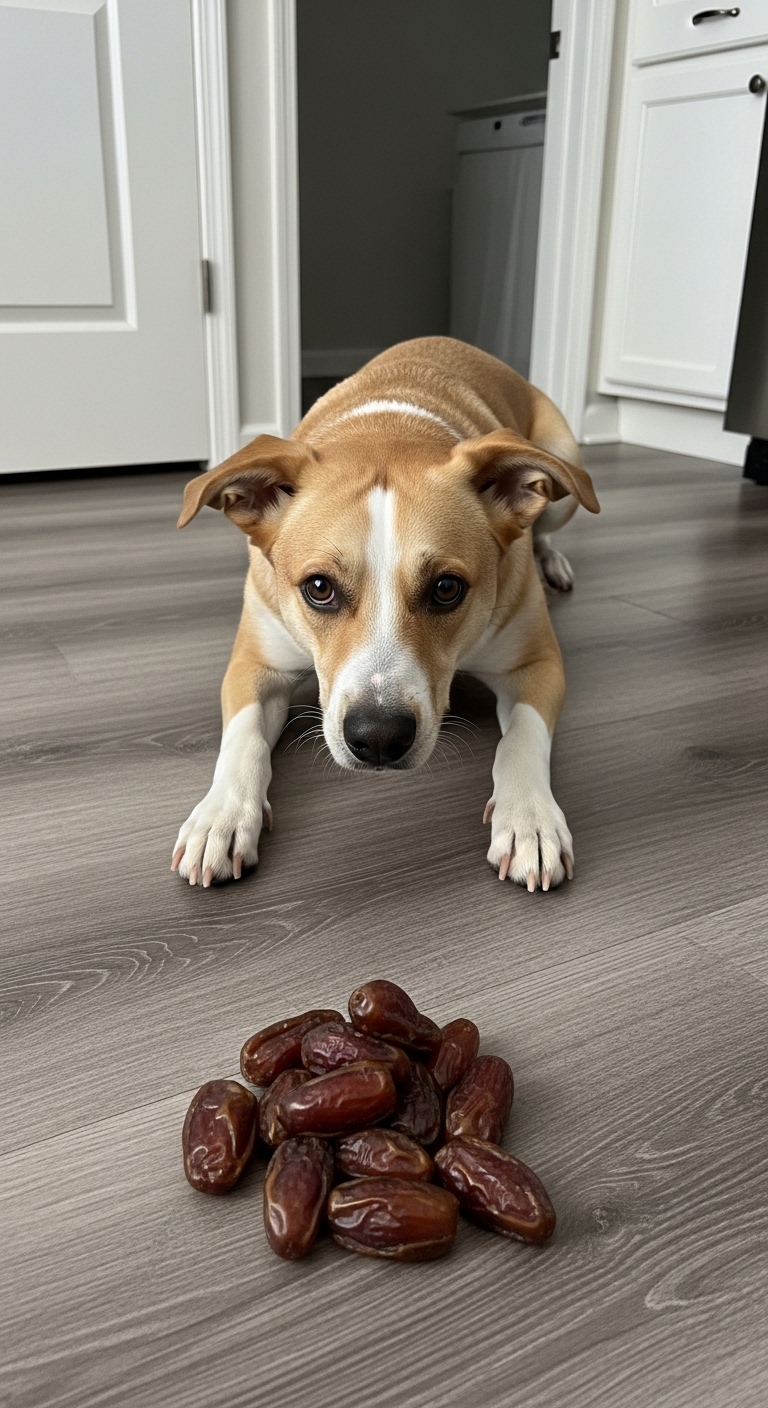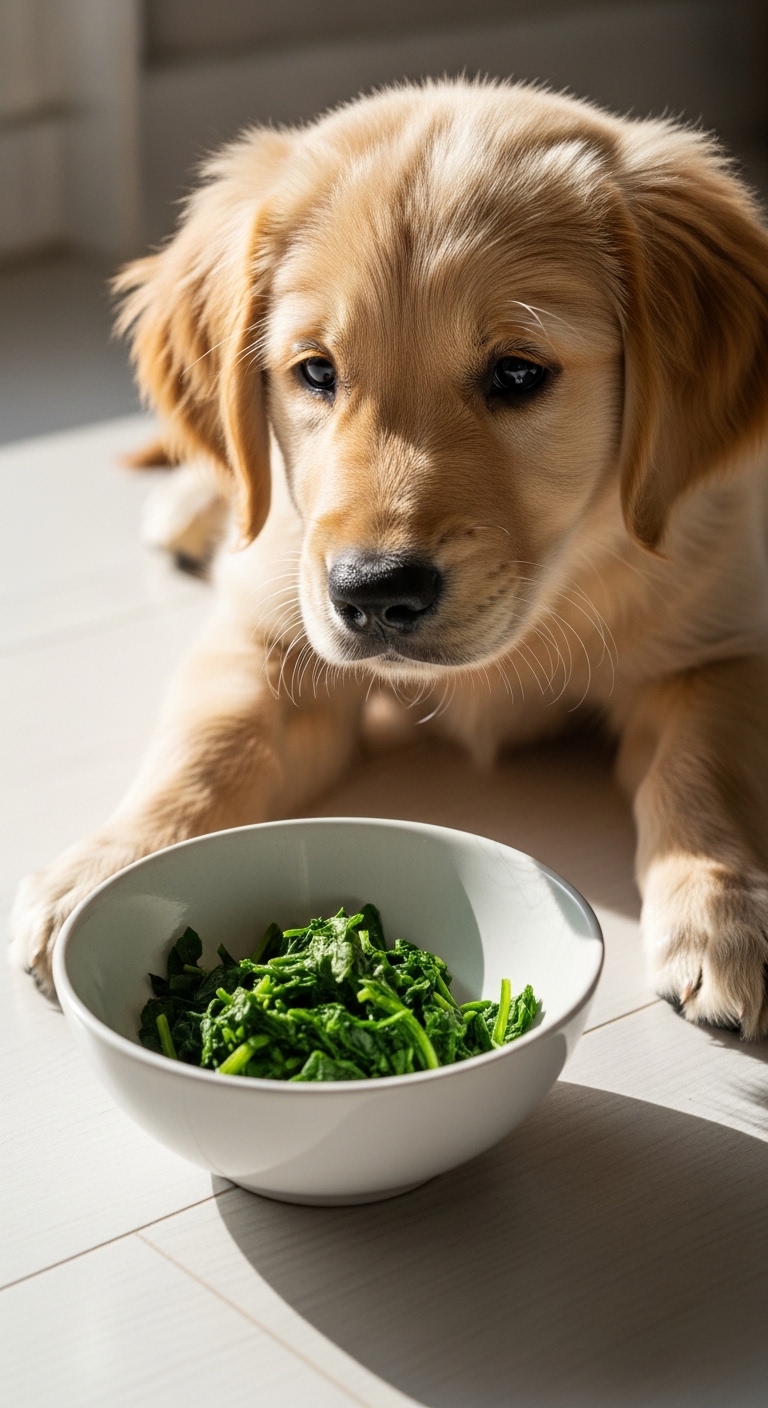
Can dogs eat zucchini? It’s a question many pet owners ask, especially when looking for healthy, low-calorie treats to add to their dog’s diet. Zucchini is a versatile veggie that’s packed with nutrients like vitamins A and C, potassium, and fiber, making it a great option for dogs in moderation. Unlike some human foods that can be toxic to pets, zucchini is generally safe and can even help with weight management or digestion. But before you start slicing it up for your pup, there are a few things to keep in mind to ensure it’s a healthy choice.
I remember when I first gave my dog zucchini, I cut it into tiny pieces and mixed it into his regular food. At first, he sniffed it cautiously, but after a few tries, he gobbled it up like a treat. It was a great way to sneak in some extra nutrients without him even realizing it.
Key Things to Understand
- Moderation is key: Zucchini is safe for dogs in moderation but should never replace their regular diet
- Preparation matters: Raw zucchini is the safest option, while cooked zucchini should be plain with no added oils, seasonings, or spices
- Cut properly: Seeds and skin are safe to eat but should be cut into small, manageable pieces to prevent choking
- Watch for reactions: Too much zucchini can cause digestive upset like gas or diarrhea, so start with small amounts
- Allergies are possible: Some dogs may be allergic, so watch for signs like itching, swelling, or vomiting after eating it
What to Look For
When introducing zucchini to your dog, pay attention to how they react not just to the taste but to the texture. Some dogs love the crunch of raw zucchini, while others prefer it lightly steamed to soften it. If your dog is new to veggies, start with a small piece and observe their reaction over the next 24 hours. Look for any signs of discomfort, like excessive gas, loose stools, or changes in appetite. If your dog has never eaten zucchini before, it’s also a good idea to check with your vet, especially if they have a sensitive stomach or dietary restrictions.
Another thing to watch for is how your dog chews the zucchini. Large chunks can pose a choking hazard, so always cut it into bite-sized pieces that match your dog’s size. For tiny breeds, you might even grate the zucchini to make it easier to eat. If you’re serving cooked zucchini, avoid adding any seasonings, butter, or oils, as these can upset your dog’s stomach or add unnecessary calories.
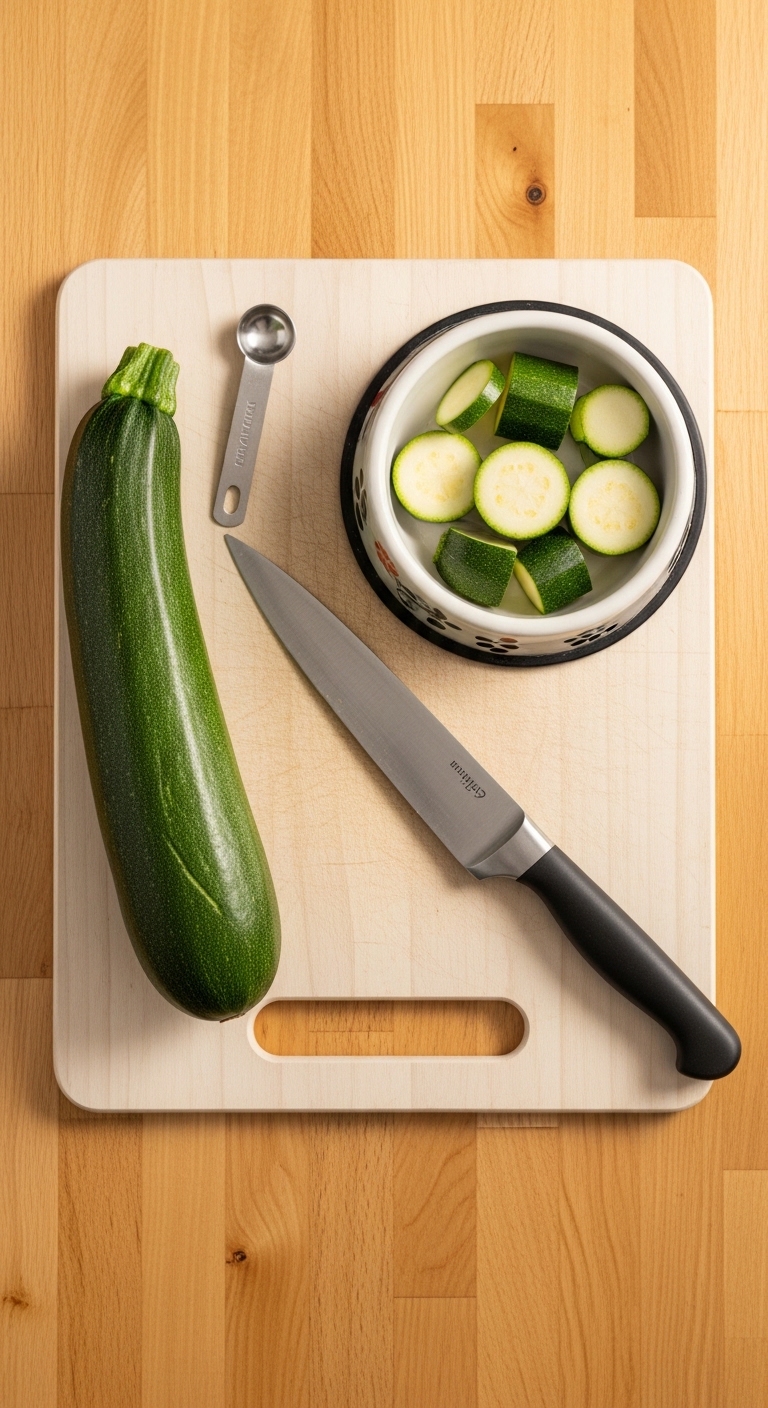
I once had a client whose dog loved zucchini so much that she started giving it daily as a treat. While it wasn’t harmful in small amounts, the excess fiber eventually caused digestive issues. It’s a good reminder that even healthy foods need to be balanced with your dog’s overall diet.
Serving Suggestions for Different Dogs
For small breeds or puppies, finely chopped or grated zucchini works best to prevent choking. Larger dogs can handle slightly bigger pieces, but always supervise their first few bites to ensure they chew properly. If your dog is hesitant, try mixing a small amount into their regular food to help them get used to the new texture and taste.
When to Avoid Zucchini
Avoid feeding zucchini to dogs with known allergies to squash or cucumbers, as they may react similarly. Dogs with sensitive stomachs or a history of digestive issues should only be given zucchini in very small amounts, if at all. Always introduce it gradually and monitor for any adverse reactions, such as vomiting or diarrhea.
Creative Ways to Serve Zucchini
Beyond raw or steamed, zucchini can be dehydrated into chewy treats or blended into homemade dog-friendly smoothies. For a fun twist, stuff a hollowed-out zucchini half with your dog’s favorite filling (like plain yogurt or ground meat) and bake it for a special meal. Just ensure all ingredients are safe and portion sizes remain appropriate for your dog’s size.

Zucchini can be a fantastic addition to your dog’s diet when done right. Just remember, every dog is different—what works for one might not work for another, so always introduce new foods slowly.
Frequently Asked Questions
- → Is zucchini safe for all dogs?
Zucchini is generally safe for most dogs when served in moderation. However, dogs with kidney issues or those prone to digestive sensitivities should consume it cautiously. Always introduce new foods slowly and watch for any adverse reactions.
- → How should I prepare zucchini for my dog?
Wash the zucchini thoroughly, remove the seeds and skin, then slice it into small, bite-sized pieces. You can serve it raw, steamed, or baked without any seasoning. Avoid adding salt, butter, or spices, as these can be harmful to dogs.
- → Can dogs eat zucchini raw or does it need to be cooked?
Dogs can eat zucchini both raw and cooked. Raw zucchini is crunchy and hydrating, while cooked zucchini is easier to digest. If serving raw, ensure it’s cut into small pieces to prevent choking. Cooked zucchini can be mashed or pureed for easier consumption.
- → What is the recommended serving size for dogs?
The serving size depends on your dog’s size. For small dogs, start with one or two teaspoons of zucchini. Larger dogs can have up to a tablespoon. Always introduce it gradually and monitor your dog’s reaction. Overfeeding can lead to digestive issues like diarrhea.
- → Can zucchini help with my dog’s weight management?
Yes, zucchini is a low-calorie, hydrating vegetable that can be a great treat for overweight dogs. It’s high in fiber and water content, which can help your dog feel full without adding many calories. Use it as a healthy alternative to high-fat treats.
- → Are there any risks associated with feeding zucchini to dogs?
While zucchini is generally safe, overfeeding can cause digestive upset, including diarrhea or vomiting. Always remove the seeds and skin, as they can be difficult to digest. Avoid seasoning with harmful ingredients like garlic, onions, or excessive salt. If your dog has a sensitive stomach, introduce zucchini slowly.