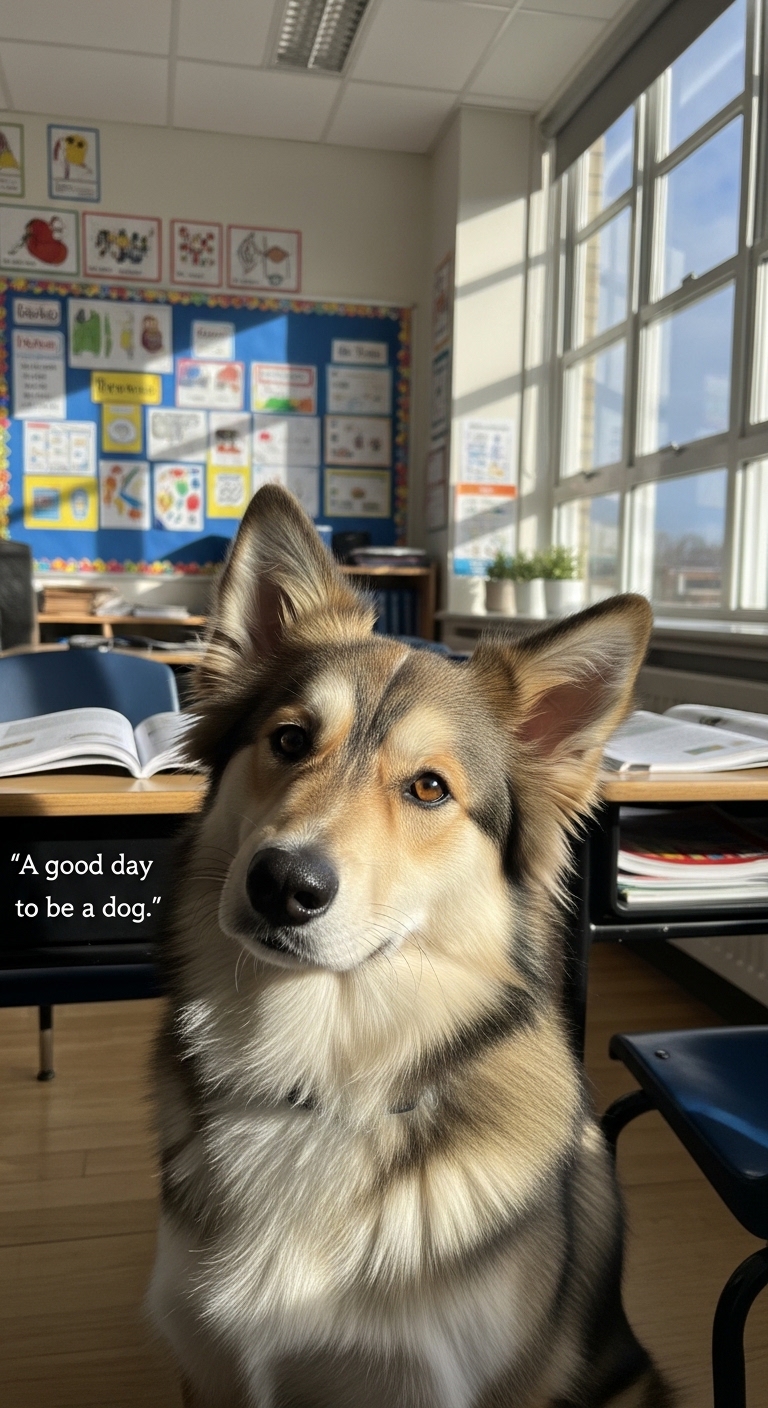
Do dogs dream? If you’ve ever watched your pup twitch, whimper, or paddle their paws while sleeping, you might have wondered if they’re chasing squirrels or reliving their day in their sleep. The idea that dogs dream isn’t just cute: it’s backed by science. Understanding how your dog’s brain works during sleep can help you recognize when they’re simply resting and when they might need a little extra comfort.
Sometimes I catch my own dog mid-dream, and it’s hard not to smile when he lets out a tiny yip like he’s barking at the mailman all over again.
Key Things to Understand
- REM sleep: Dogs experience REM sleep just like humans, which is when most dreaming occurs
- Normal dream signs: During REM sleep, dogs may twitch, move their paws, or even vocalize, which are normal signs of dreaming
- Age and size factors: Smaller dogs and puppies tend to dream more frequently than larger, older dogs
- Health benefits: Dreaming is a healthy part of your dog’s sleep cycle and supports memory and learning
- Warning signs: If your dog seems agitated or distressed during sleep, it could signal pain, anxiety, or an underlying health issue
What to Look For
Watch for gentle twitching or small movements during your dog’s sleep, which usually indicate they’re in a light dream state. These movements are often accompanied by rapid eye movements under their eyelids, a classic sign of REM sleep. You might also notice soft whimpers, barks, or even full-body stretches as they transition between sleep stages. These behaviors are completely normal and show your dog is processing their day.
Pay attention to the intensity and frequency of these movements. Occasional twitches or quiet sounds are nothing to worry about, but if your dog is thrashing, growling aggressively, or seems to wake up startled and disoriented, it could be a sign they’re experiencing a nightmare or discomfort. In those cases, a gentle wake-up with a soft voice or a light touch can help them settle back into a calmer state.
I’ve noticed that my dog’s dreams seem to mirror his daily adventures: whether it’s a frantic chase after a tennis ball or a slow, contented roll in the grass. It’s fascinating to think about how their brains process those experiences while they sleep. One common mistake owners make is waking their dog suddenly during a dream, which can startle them and even lead to a defensive reaction. Instead, wait for them to wake naturally or gently guide them back to calmness if needed.
How Dog Dreams Change with Age
Puppies dream more often and have longer dream sessions because their brains are rapidly developing and processing new experiences. As dogs age, their dream patterns may shift, sometimes becoming less frequent but more vivid. This isn’t usually a cause for concern unless your older dog shows signs of restlessness or discomfort. Adjusting their sleeping environment to be extra cozy can make a big difference in the quality of their rest.
Signs Your Dog Might Be Having a Nightmare
While most dreams are harmless, some dogs might experience nightmares, especially if they’ve had a stressful day or are dealing with anxiety. Signs include loud, sudden barks, frantic paddling, or even waking up with a startled expression. If this happens occasionally, it’s likely nothing to worry about. But if nightmares become frequent, it could point to deeper stress or health issues that might need attention.
The Role of Diet and Exercise in Sleep Quality
What your dog eats and how active they are during the day can directly impact their sleep and dream patterns. A balanced diet supports brain health, while regular exercise helps tire them out in a healthy way, leading to more restful sleep. On the flip side, overstimulation before bedtime or a heavy meal too close to sleep can disrupt their rest. Pay attention to how your dog’s routine affects their nighttime behavior: it might just be the key to quieter, more peaceful sleep for both of you.
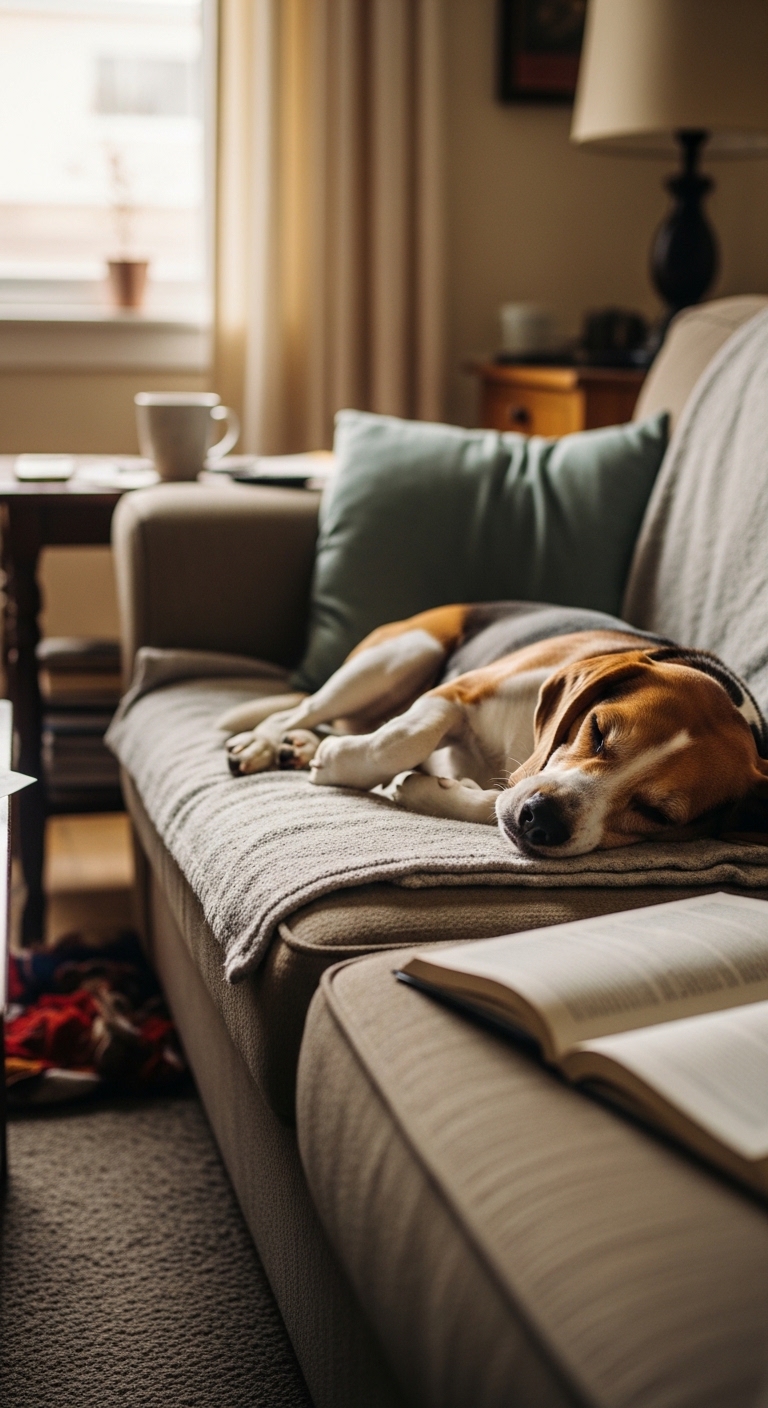
Understanding your dog’s dreams can deepen your bond and help you ensure they’re getting the rest they need. Next time you see them twitching in their sleep, you’ll know they’re probably just enjoying a little adventure in dreamland.
Frequently Asked Questions
- → Do dogs dream like humans?
Yes, dogs experience REM sleep, the phase associated with dreaming in humans. Their brain activity during this stage mirrors ours, suggesting similar dream processes.
- → What do dogs dream about?
Dreams likely reflect daily experiences. A dog that chased squirrels may dream of running, while a pampered pet might dream of cuddling with its owner.
- → How long do dogs dream?
Dream cycles in dogs last about 20 minutes, with smaller breeds dreaming more frequently than larger ones due to shorter sleep cycles.
- → Why does my dog twitch while sleeping?
Twitching, paw movements, or soft barks are normal during REM sleep as dogs act out dream scenarios. Sudden violent thrashing may need veterinary attention.
- → Can puppies dream more than adult dogs?
Yes, puppies and senior dogs often have more vivid or frequent dreams due to brain development in young dogs and cognitive changes in older pets.
- → Should I wake my dog during a dream?
It's best to let them sleep unless the dream seems distressing. Waking abruptly can confuse or startle them, especially if they're in deep REM sleep.