
Can dogs have spinach? It’s a question many pet owners ask when looking for healthy snacks or meal additions for their furry friends. Spinach is packed with nutrients like iron, vitamins A, C, and K, and antioxidants, which can benefit dogs in moderation. But before you toss a handful into your dog’s bowl, it’s important to understand how to serve it safely and what risks to watch for. Getting this right can make a big difference in your dog’s diet and overall health.
I still remember the first time I gave my dog spinach: he sniffed it, took one bite, and then looked at me like I’d betrayed him. Not every dog will love it, but knowing the facts helps you make the best choice for your pup.
Key Things to Understand
- Oxalates: Spinach contains oxalates which can interfere with calcium absorption and may lead to kidney issues in large amounts
- Raw vs. Cooked: Raw spinach is tough for dogs to digest and can cause stomach upset or even choking in small breeds. Cooked spinach is easier on a dog’s stomach and breaks down better, making nutrients more accessible
- Portion Control: Too much spinach at once can cause diarrhea or other digestive problems
- Taste Preference: Not all dogs will enjoy spinach, so introduce it slowly to see if your dog likes it
What to Look For
When considering spinach for your dog, pay attention to how they react after eating it. Some dogs may show no interest at all, while others might gobble it up eagerly. Watch for signs of digestive upset like vomiting or diarrhea, especially if you’re introducing spinach for the first time. If your dog has a history of kidney issues or bladder stones, spinach might not be the best choice due to its oxalate content. Also, consider the texture: raw spinach leaves can be slippery and hard to chew, so finely chopping or steaming them can make them safer and easier to eat. If your dog has never had leafy greens before, start with a small amount and observe their reaction over the next 24 hours.
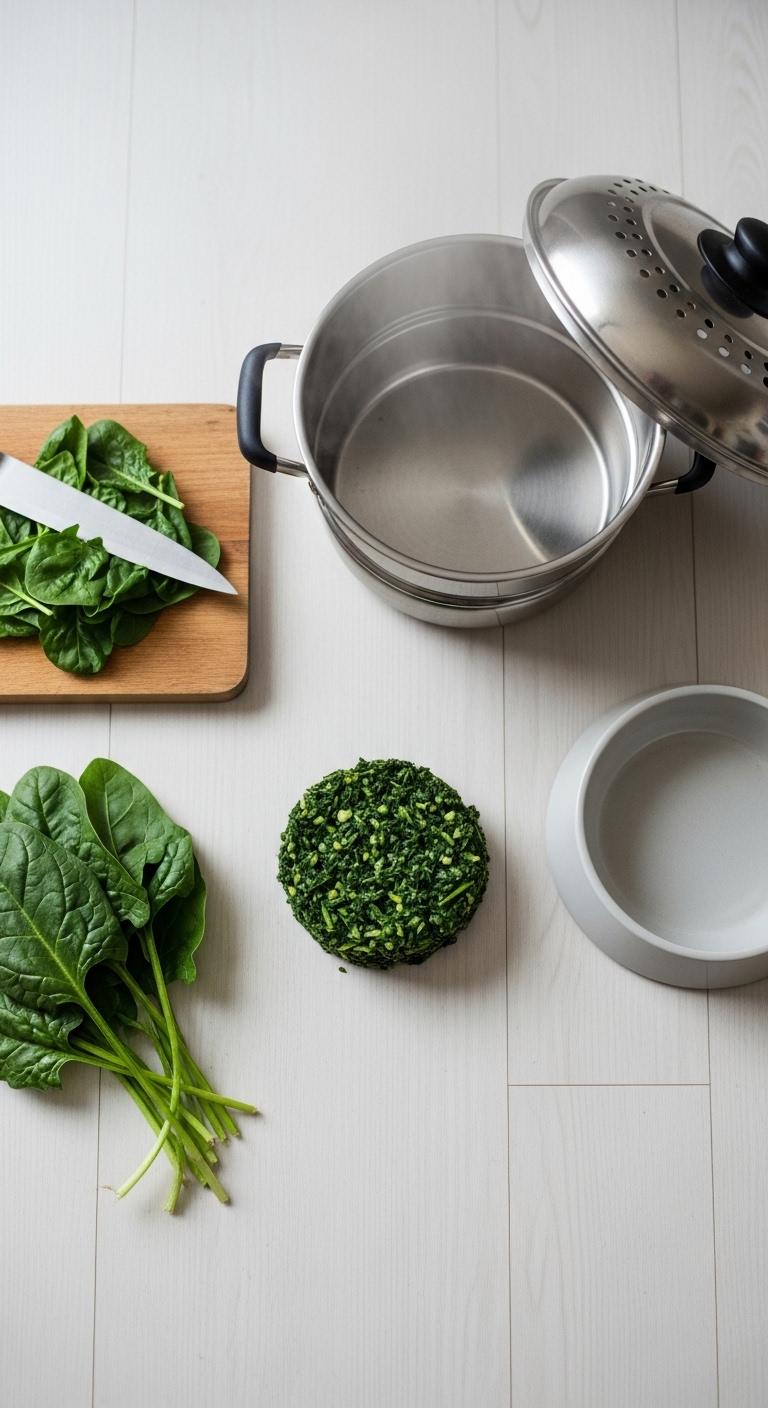
A common mistake is assuming that because spinach is healthy for humans, it must be just as good for dogs in any amount. But dogs have different nutritional needs and digestive systems, so moderation is key. I once saw a dog owner give their pup a whole bowl of spinach thinking it was a great idea, only to deal with a very unhappy stomach later that night. A little goes a long way, and it’s always better to start small.
Serving Spinach Safely
If you decide to give your dog spinach, the safest way is to cook it first. Steaming or boiling spinach softens the leaves and makes them easier to digest. Chopping the spinach into small pieces also helps prevent choking, especially for smaller dogs. Avoid adding any seasonings, oils, or spices, as these can upset your dog’s stomach or even be toxic. A good rule of thumb is to serve spinach as a small part of a balanced meal: think of it as a supplement rather than a main ingredient.
Alternative Greens for Dogs
If your dog isn’t a fan of spinach or you’re looking for variety, there are other dog-safe greens to consider. Kale is another nutrient-rich option, but it should also be served in moderation due to its goitrogen content, which can affect thyroid function. Green beans are a crunchy, low-calorie alternative that many dogs love. Zucchini is another great choice, as it’s easy to digest and packed with vitamins. Always introduce new greens one at a time to monitor your dog’s reaction.
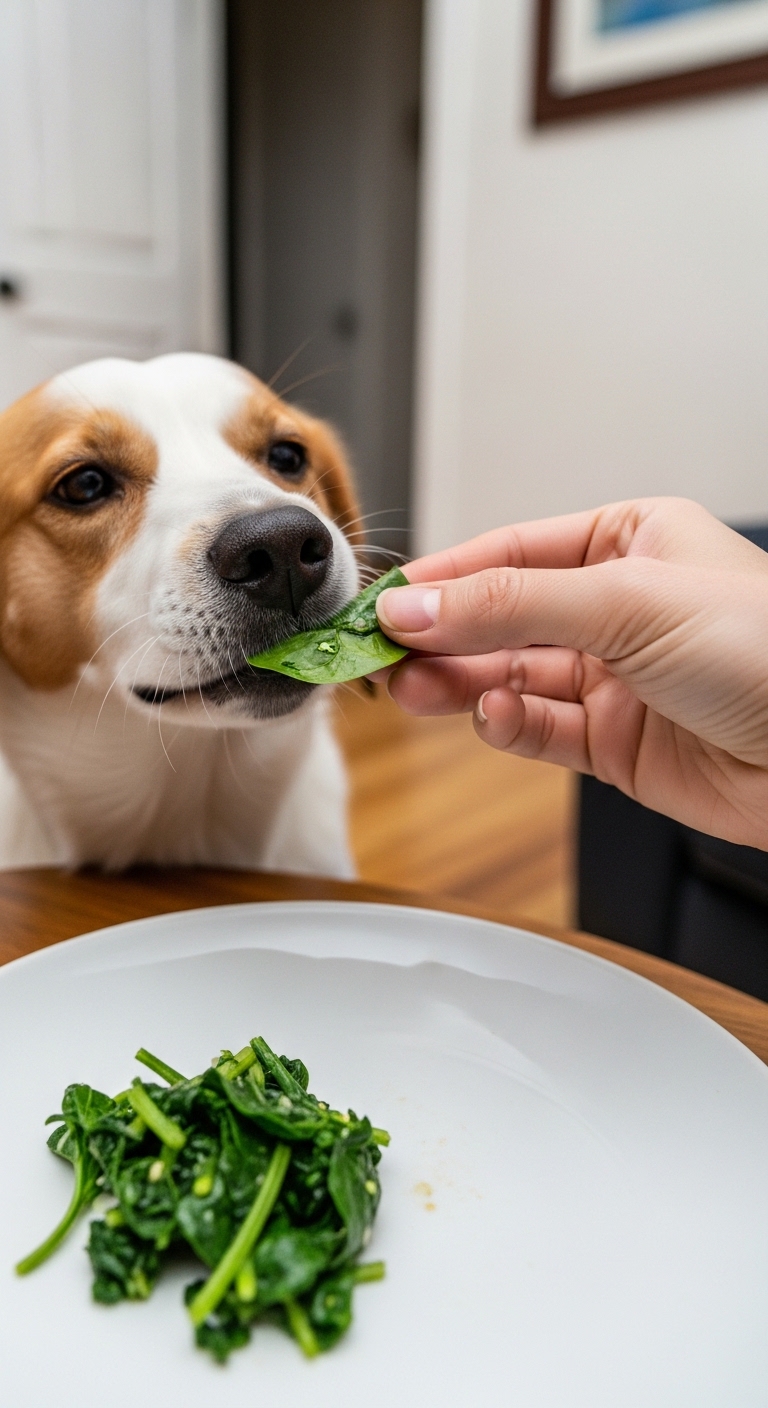
Spinach can be a healthy addition to your dog’s diet when served correctly. Always prioritize moderation and observation to ensure it agrees with your pup.
Frequently Asked Questions
- → Is spinach safe for all dogs?
Spinach is generally safe for most dogs in small amounts, but it’s not suitable for every dog. Dogs with kidney issues, bladder stones, or those prone to oxalate crystals should avoid spinach due to its high oxalate content.
- → How much spinach can I give my dog?
Start with a small amount, such as a teaspoon for small dogs or a tablespoon for larger breeds, mixed into their regular food. Too much spinach can cause digestive upset or contribute to health issues over time.
- → Can puppies eat spinach?
Puppies can eat spinach in very small amounts, but it’s best to consult your vet first. Their digestive systems are still developing, and introducing new foods too early may cause stomach issues.
- → What’s the best way to prepare spinach for dogs?
Cook or steam spinach to break down tough fibers and reduce oxalate levels. Avoid seasoning, oils, or garlic, which are toxic to dogs. Finely chop the spinach before mixing it into their food.
- → Are there alternatives to spinach for dogs?
Yes, other dog-safe greens include kale (in moderation), green beans, carrots, and pumpkin. Always introduce new foods slowly and in small portions to avoid digestive issues.
- → What signs indicate my dog shouldn’t eat spinach?
Watch for vomiting, diarrhea, lethargy, or changes in urination after feeding spinach. If your dog shows these symptoms, discontinue spinach and consult your vet immediately.