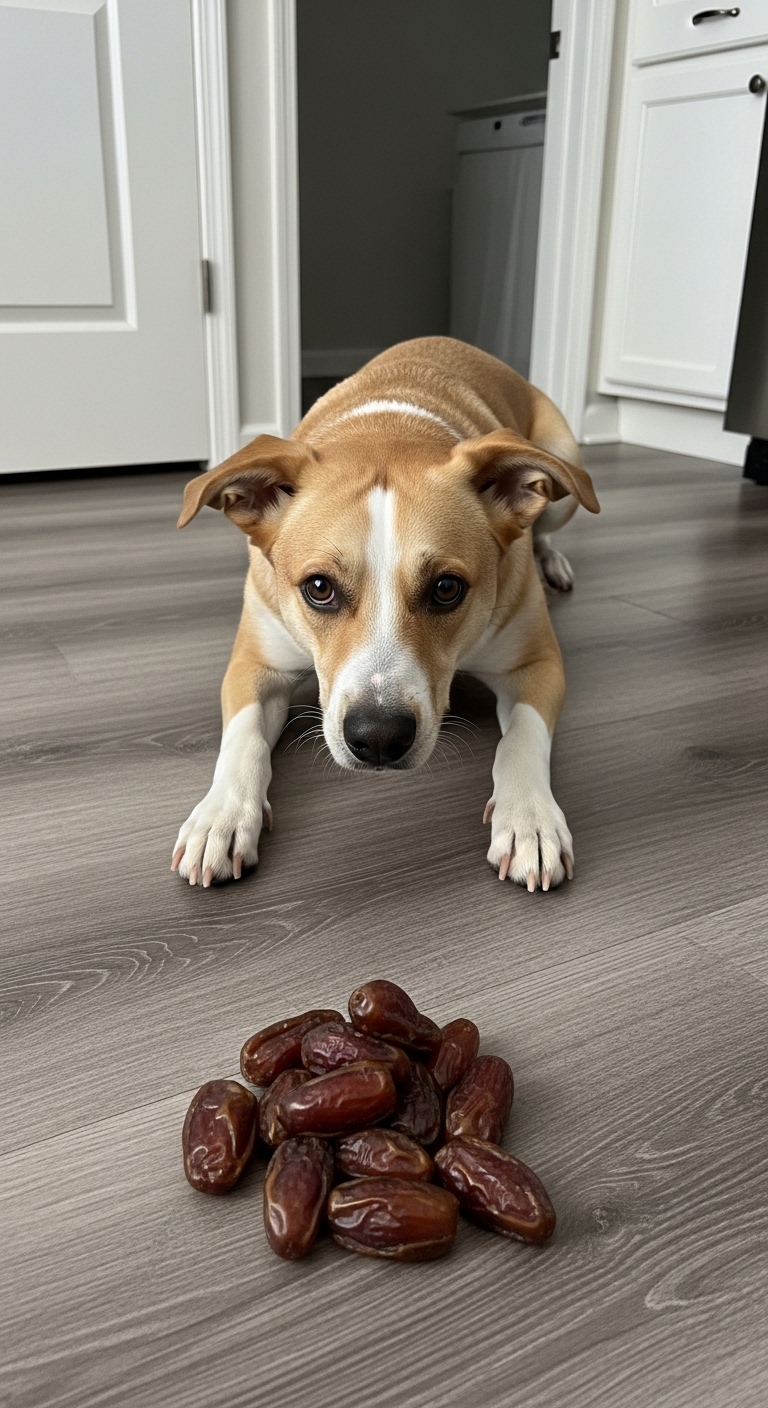
Can dogs eat plums? It’s a question many pet owners ask when their pup gives them that hopeful look while they’re enjoying a juicy plum. Plums are sweet and packed with vitamins, but not all human foods are safe for dogs. Knowing what’s safe and what’s not can help you avoid accidental poisoning and keep your dog healthy.
I once watched my neighbor’s dog gobble up a whole plum pit without her noticing. Thankfully, she caught it in time and called the vet, but it was a good reminder that even small amounts of the wrong part can cause big problems.
Key Things to Understand
- The pit and leaves of a plum contain cyanide, which is toxic to dogs: This compound can be deadly even in small amounts.
- The flesh of a plum is not toxic but can cause stomach upset in large amounts: Too much can lead to vomiting or diarrhea.
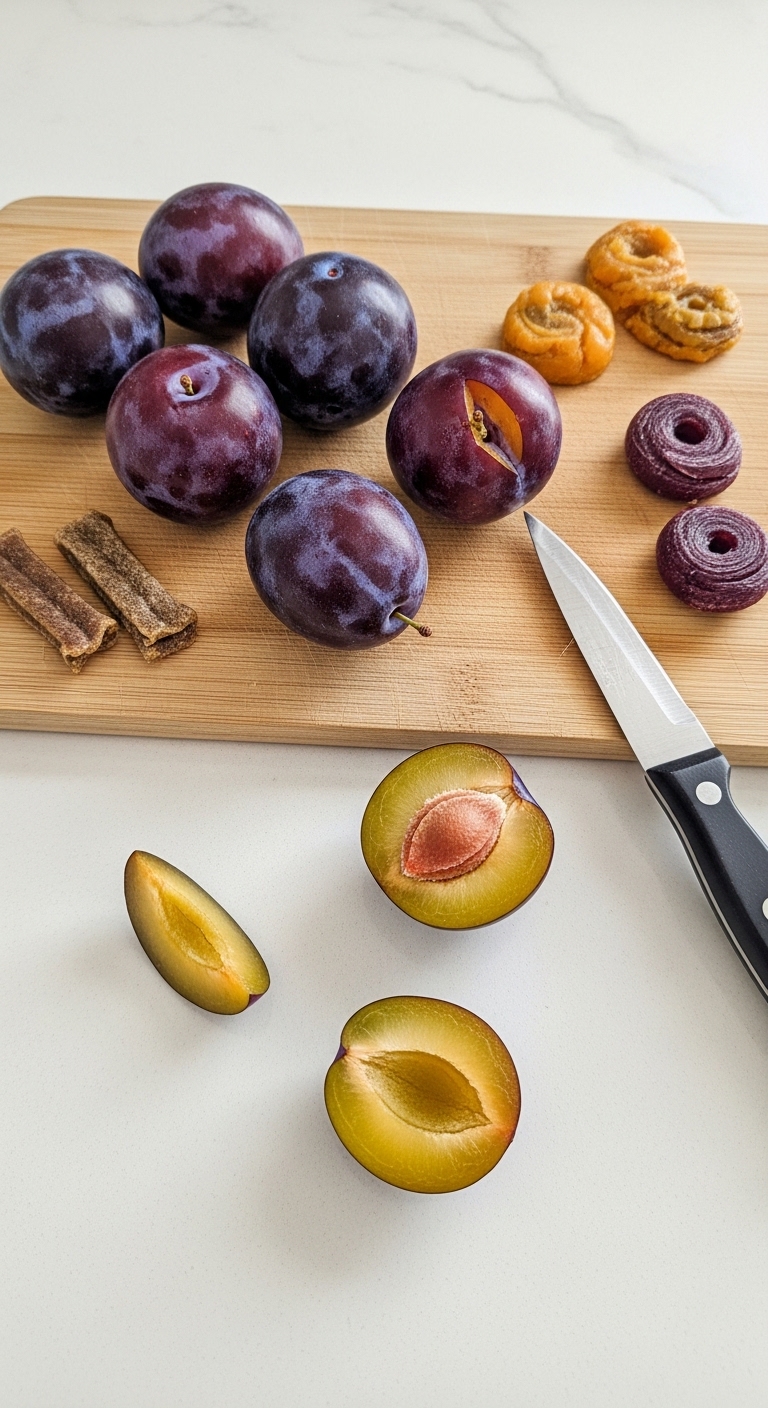
- Dried plums (prunes) are more concentrated and riskier than fresh ones: Their higher sugar and fiber content can cause digestive issues.
- Some dogs may have allergies to plums, even if the fruit itself isn’t toxic: Watch for itching, swelling, or other allergic reactions.
- Always remove the pit and cut the fruit into small pieces before offering it: This reduces choking hazards and limits portion size.
What to Look For
Watch for signs of stomach upset like vomiting or diarrhea if your dog eats plum flesh in large quantities. Some dogs may also develop an upset stomach from the natural sugars in plums, especially if they’re not used to fruit in their diet. If your dog sneaks a bite of the pit or leaves, look for symptoms like drooling, difficulty breathing, or weakness, which could indicate cyanide poisoning. These signs usually appear within 15 to 30 minutes but can take up to a few hours to show up.
A friend once told me about her dog who swallowed a whole plum pit and needed surgery to remove it. It was a scary experience, but catching it early made all the difference. Always keep an eye on what your dog has access to, especially when you’re snacking in the same room.
Can dogs eat plums safely?
While the flesh of a plum isn’t toxic, it’s best to avoid giving it to your dog altogether. The risks of choking, stomach upset, or exposure to cyanide from the pit outweigh any potential benefits. If you want to give your dog fruit, safer options include apples (without seeds), blueberries, or watermelon (without rind or seeds).
What to do if your dog eats a plum
If your dog eats a small amount of plum flesh, monitor them for any signs of discomfort. If they show symptoms like vomiting, diarrhea, or lethargy, call your vet. If they’ve eaten the pit or leaves, treat it as an emergency and seek immediate veterinary care.
Other fruits to avoid
Some fruits are outright dangerous for dogs, including grapes, raisins, and cherries. These can cause kidney failure or other serious health issues. Always double-check before sharing any human food with your pet.

When it comes to plums, prevention is the best approach. Stick to dog-friendly fruits and always supervise your pet around human food.
Frequently Asked Questions
- → Are plums toxic to dogs?
Plums themselves are not inherently toxic, but their pits, leaves, and stems contain cyanide, which is dangerous. The flesh is safe in small amounts, but the pit poses a choking hazard and can cause intestinal blockages.
- → How much plum can a dog eat?
A few small pieces of plum flesh without the pit is enough for a treat. Start with one or two small pieces and watch for any digestive issues. Larger dogs can handle slightly more, but moderation is key.
- → What are the signs of plum poisoning in dogs?
Symptoms of plum pit or cyanide poisoning include vomiting, diarrhea, lethargy, difficulty breathing, or bright red gums. If you notice these signs, contact your vet immediately.
- → Can dogs eat dried plums or prunes?
Dried plums or prunes are more concentrated in sugar and can cause digestive upset or contribute to obesity. They also pose a higher risk of choking due to their sticky texture. It's best to avoid them.
- → What should I do if my dog eats a plum pit?
If your dog swallows a plum pit, monitor for signs of choking, vomiting, or lethargy. If the pit is large or your dog is small, contact your vet. Do not induce vomiting unless instructed by a professional.
- → Are there safer fruits for dogs than plums?
Yes, safer alternatives include seedless watermelon, blueberries, strawberries, or apples (without seeds). These fruits are lower in sugar and do not pose the same risks as plums.