Can dogs eat turkey? It’s a question many pet owners ask, especially around holidays when turkey is a common dish. While turkey can be a healthy treat for dogs, there are important things to consider before sharing it with your furry friend. Knowing the right way to serve turkey can make a big difference in your dog’s diet and overall health.
I remember once giving my dog a large piece of turkey skin, thinking it was harmless. Within hours, he was clearly uncomfortable, and I realized just how important it is to know what’s safe.
Key Things to Understand
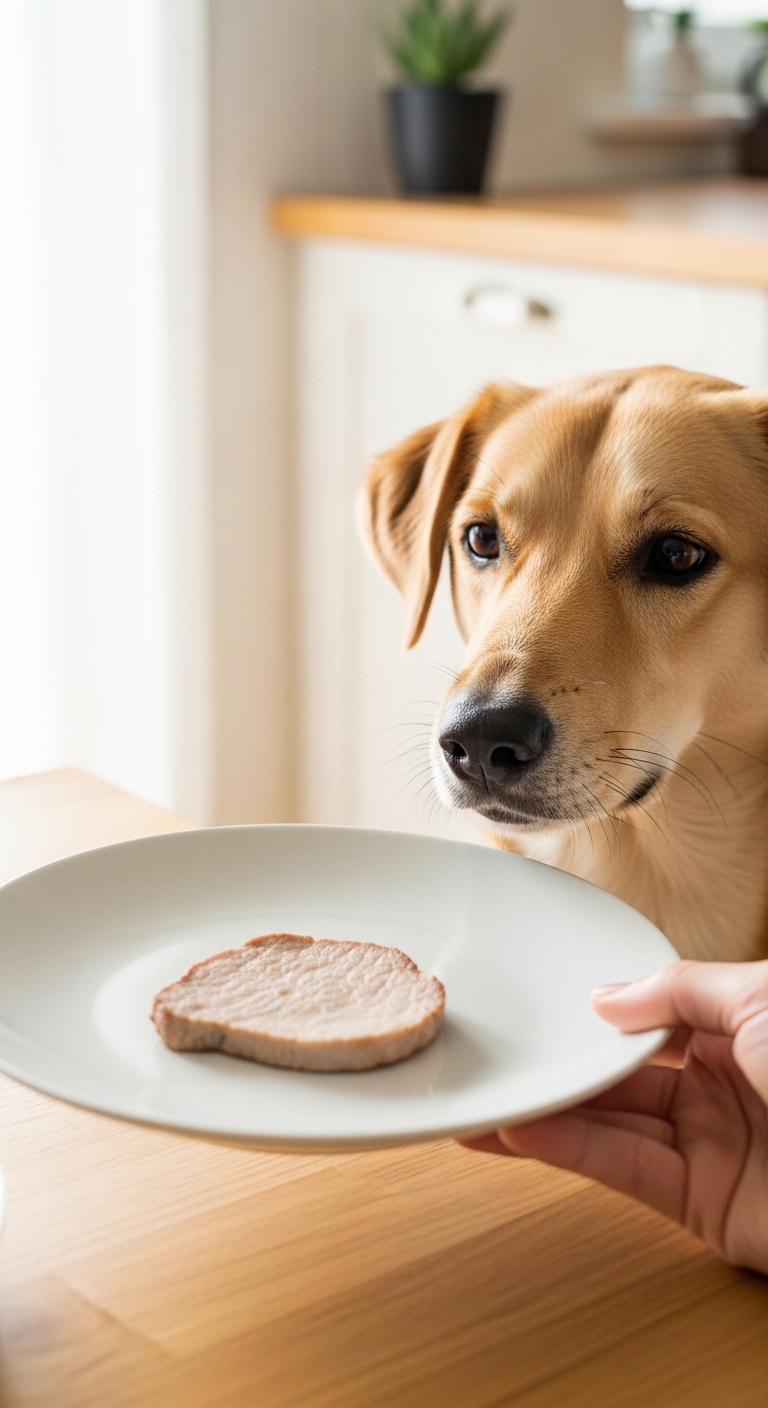
- Turkey meat: generally safe for dogs as long as it’s plain and cooked without seasoning
- Turkey skin, bones, and seasonings: can be dangerous and should never be given to dogs
- Portion control: matters too much turkey can upset your dog’s stomach
- Raw turkey: carries a risk of salmonella, so always cook it thoroughly
What to Look For
When considering turkey for your dog, pay attention to how they react after eating it. Some dogs tolerate it well, while others may develop stomach issues like vomiting or diarrhea. Watch for signs of discomfort such as excessive gas, bloating, or lethargy. If your dog shows any of these symptoms, it’s best to avoid giving them turkey in the future. Also, observe their energy levels and digestion over the next 24 hours to ensure the turkey didn’t cause any issues.
Another important thing to check is the preparation method. Turkey should always be cooked plain, without any added salt, garlic, onions, or spices. These ingredients can be toxic to dogs and cause serious health problems. If you’re unsure about a particular seasoning or ingredient, it’s safer to skip it entirely.
I once saw a friend give their dog a whole turkey leg, thinking it would be a special treat. The dog ended up needing emergency surgery to remove a bone fragment that had lodged in their intestines. It was a scary lesson about the dangers of turkey bones.
Feeding Turkey Safely
Feeding turkey to your dog can be a great way to add variety to their diet, but it’s important to do it the right way. Stick to plain, cooked meat without any seasoning, and always start with small amounts to see how your dog handles it. If your dog has any pre-existing health conditions, it’s a good idea to check with your vet before introducing new foods.
Monitoring Your Dog’s Health
After feeding turkey, monitor your dog for any changes in behavior or digestion. Look for signs like vomiting, diarrhea, or lack of energy, which could indicate an adverse reaction. If any of these occur, discontinue feeding turkey and consult your vet if symptoms persist.
Alternatives to Turkey
If turkey doesn’t agree with your dog, there are other lean proteins you can try, such as plain chicken or boiled fish. Always introduce new foods gradually and in small portions to avoid upsetting your dog’s stomach.
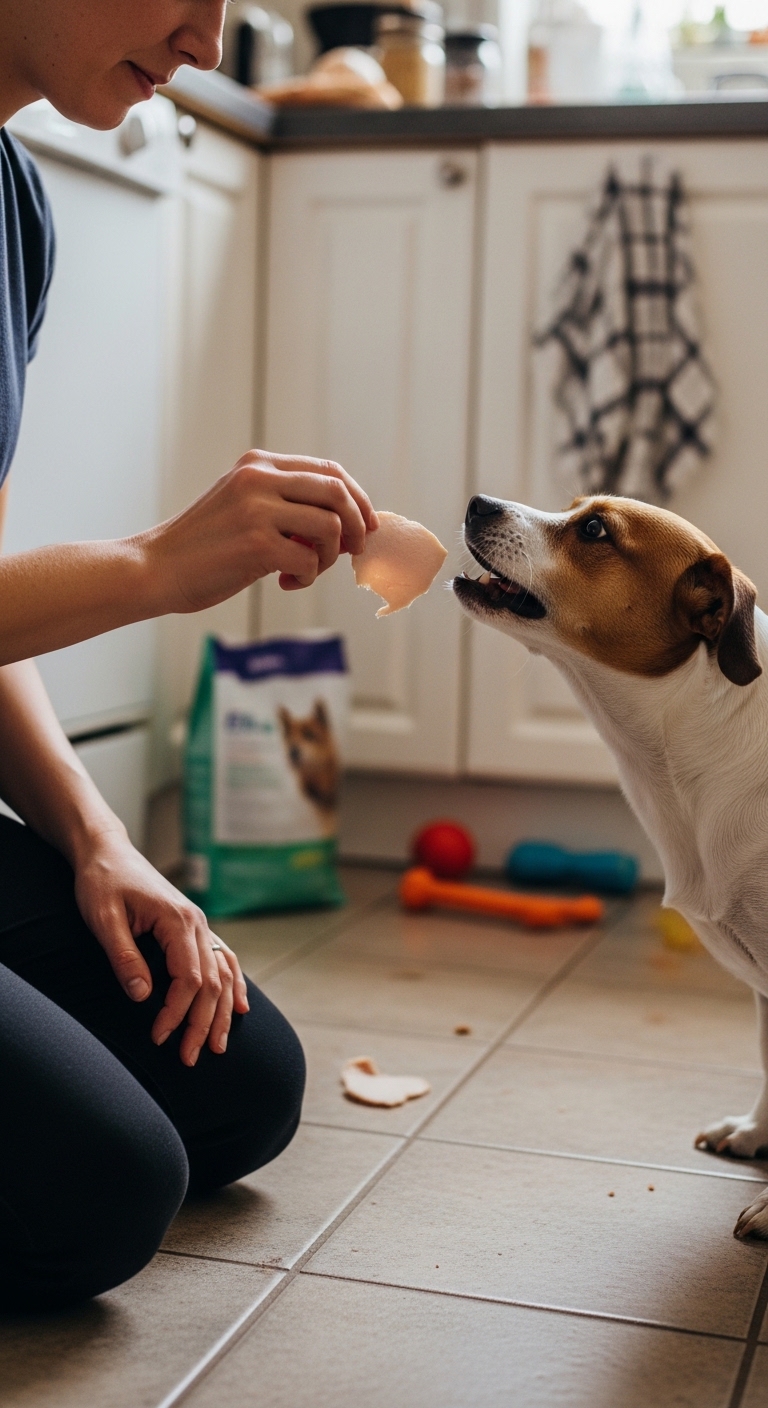
Feeding turkey to your dog can be a rewarding experience if done correctly. Always prioritize safety and moderation to keep your pet healthy and happy.
Frequently Asked Questions
- → Can dogs eat turkey safely?
Yes, dogs can eat turkey safely if it's cooked plain without seasoning, bones, or skin. Avoid raw turkey to prevent bacteria risks like salmonella.
- → How much turkey can I give my dog?
Portion size depends on your dog's weight—typically 10% of their daily caloric intake. Start with small amounts to monitor for allergies.
- → Is turkey skin safe for dogs?
No, turkey skin is high in fat and can cause pancreatitis or digestive issues. Always remove skin before serving turkey to your dog.
- → Can dogs eat raw turkey?
No, raw turkey may contain harmful bacteria like salmonella or E. coli. Cooked turkey is safer for dogs to consume.
- → What are the benefits of turkey for dogs?
Turkey is a lean protein source that supports muscle development and provides essential amino acids. It's also low in fat when prepared plain.
- → How should I prepare turkey for my dog?
Cook turkey thoroughly without seasoning, bones, or skin. Boil, bake, or steam it plain, then shred or chop into small pieces for easy digestion.