Can dogs eat marshmallows? It’s a question many pet owners ask when their pup gets curious about a sweet treat left unattended. While those fluffy white puffs might seem harmless, they can actually pose serious risks to your dog’s health. Even small amounts of marshmallows can lead to digestive upset, choking hazards, or worse if they contain xylitol, a sugar substitute that’s toxic to dogs. Understanding what’s safe and what’s not can save you a trip to the vet and keep your furry friend happy and healthy.
A lot of pet owners don’t realize how quickly a harmless-looking snack can turn into a problem. I once saw a friend’s small dog gobble up a marshmallow whole, only to spend the next few hours looking miserable. It’s a reminder that even foods we think are safe can cause issues, so it’s always better to double-check before sharing.
Key Things to Understand
- Marshmallows are not toxic to dogs in the same way chocolate is, but they can still cause problems: The main risks come from the sugar content, artificial sweeteners like xylitol, and the choking hazard of their sticky texture.
- Even plain marshmallows can lead to stomach upset: Vomiting or diarrhea due to their high sugar load.
- Xylitol is extremely dangerous: This common sugar substitute in some marshmallows can cause a rapid drop in blood sugar and liver failure in dogs.
- Small dogs are at higher risk: They face greater choking hazards because of their size and the way treats expand when chewed.
What to Look For
Pay attention to the ingredient list on any marshmallow packaging. If you see xylitol listed, that’s an immediate red flag: this sweetener is highly toxic to dogs and can cause symptoms like vomiting, lethargy, or seizures within minutes. Even if xylitol isn’t present, the high sugar content in marshmallows can lead to obesity, dental issues, or pancreatitis over time. Watch for signs of digestive distress like excessive drooling, gagging, or unusual stool after your dog eats something new. If your dog has a habit of grabbing food off counters or tables, consider keeping marshmallows and other human snacks out of reach entirely.
A common mistake is assuming that because marshmallows aren’t inherently toxic like chocolate, they’re fine in moderation. The truth is, the sugar and sticky texture can cause just as much trouble, especially for dogs with sensitive stomachs or weight issues. I’ve seen cases where a single marshmallow led to a week of digestive upset for a dog, so it’s better to err on the side of caution.
Why Plain Marshmallows Still Aren’t a Good Idea
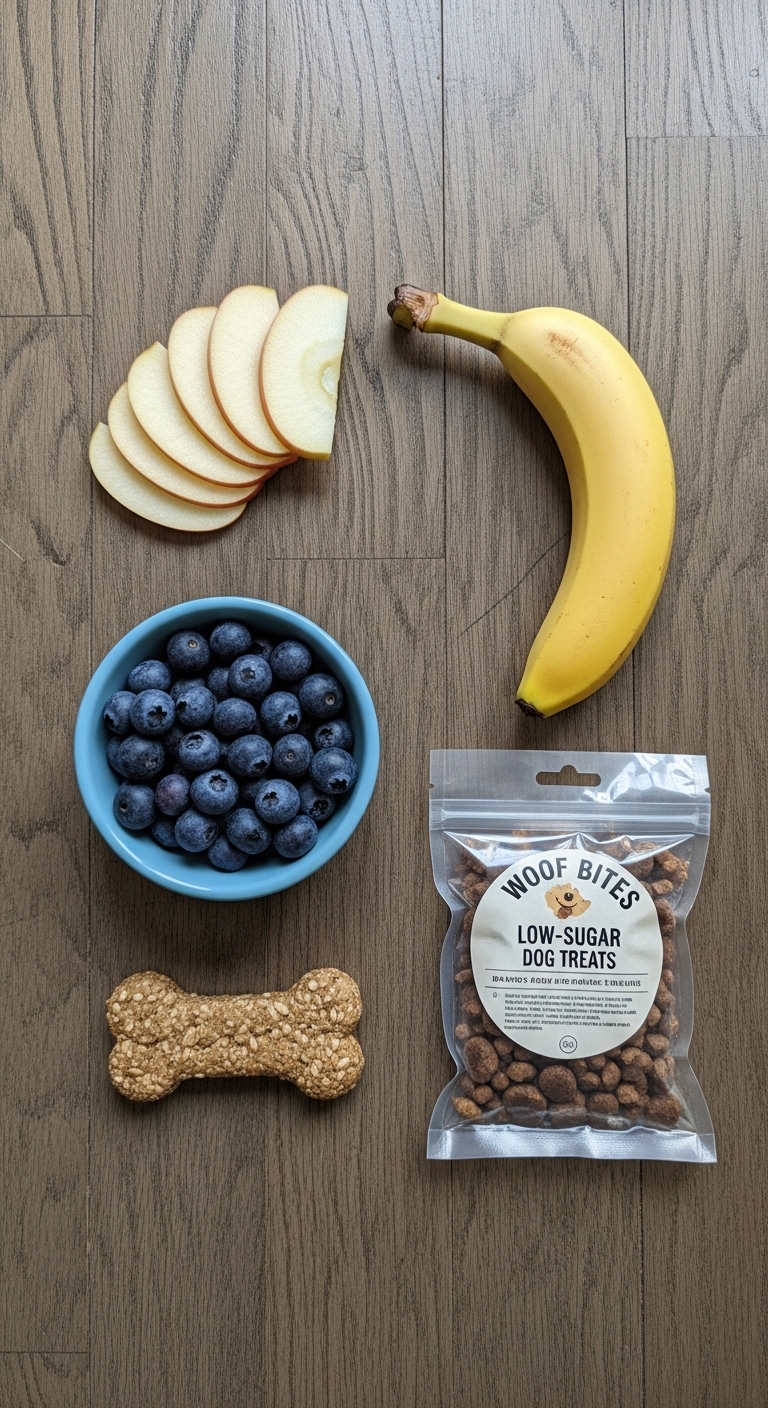
Even if you find a marshmallow without xylitol, the sugar content alone makes it a poor choice for dogs. Their systems aren’t designed to process large amounts of sugar, which can lead to weight gain, tooth decay, and even diabetes over time. The sticky texture also poses a choking hazard, especially for smaller breeds or dogs that tend to gulp their food without chewing. If you’re looking for a safe alternative, consider small pieces of apple, carrot, or commercial dog treats made specifically for canine consumption.
How to Handle a Marshmallow Emergency
If your dog sneaks a marshmallow and you’re unsure about the ingredients, call your vet or a pet poison hotline right away. Even if it’s just a plain marshmallow, keep an eye on your dog for the next few hours for any signs of discomfort. If they start vomiting, have diarrhea, or seem unusually tired, it’s worth a quick check-in with your vet to be safe. Prevention is always easier than treatment, so keeping human snacks out of reach is the best way to avoid these situations altogether.
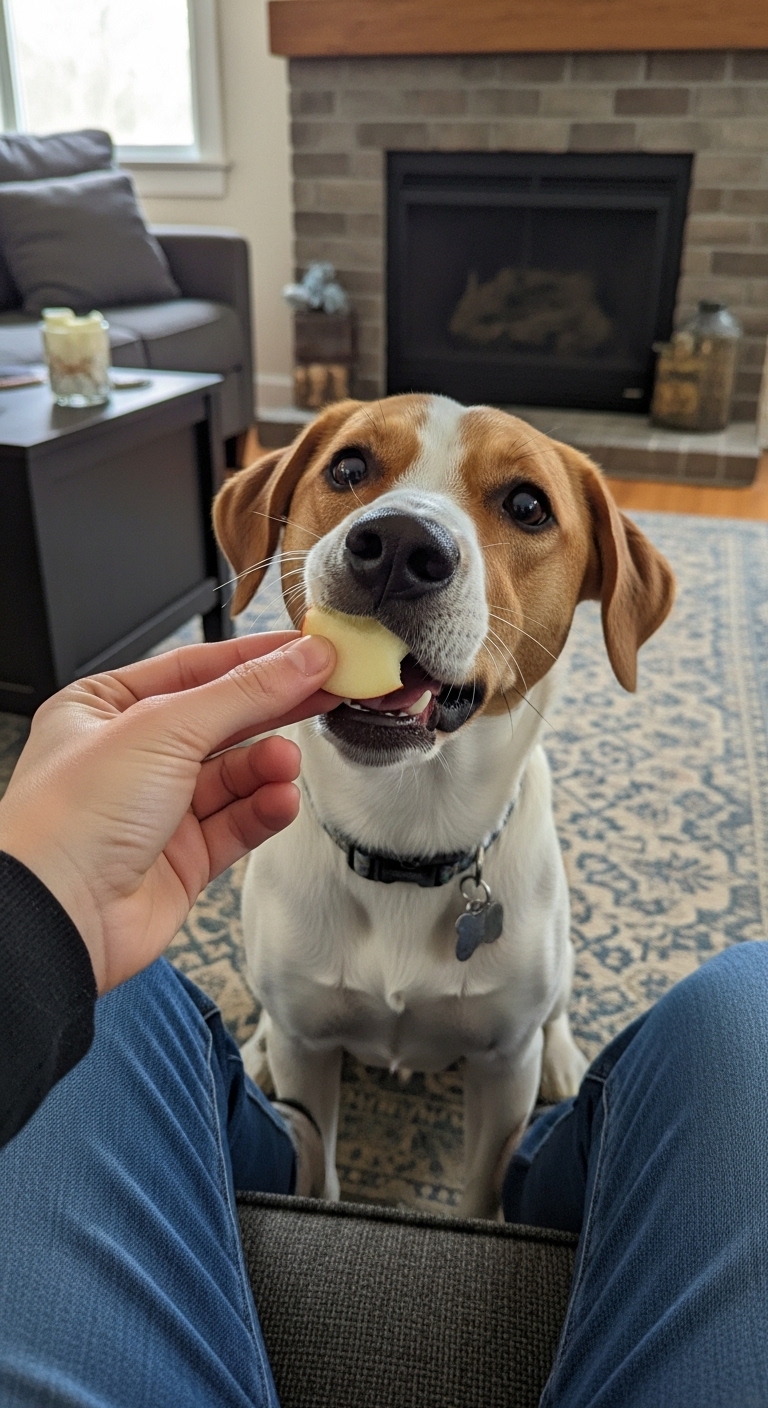
When in doubt, it’s always safer to stick with treats made specifically for dogs. Your pet’s health is worth the extra caution.
Frequently Asked Questions
- → Are marshmallows poisonous to dogs?
Marshmallows are not inherently poisonous, but they contain high sugar levels that can cause digestive issues, obesity, and dental problems. Sugar-free varieties with xylitol are highly toxic and can be fatal.
- → What happens if a dog eats a marshmallow?
Consuming a small amount may cause mild stomach upset, vomiting, or diarrhea. Larger quantities or xylitol-containing marshmallows can lead to severe symptoms like hypoglycemia, seizures, or liver failure.
- → Can dogs eat marshmallows with graham crackers?
Graham crackers are also high in sugar and carbohydrates, making them unsafe for dogs. The combination of marshmallows and graham crackers increases the risk of digestive issues and weight gain.
- → What should I do if my dog ate a marshmallow?
Monitor your dog for symptoms like vomiting, lethargy, or loss of appetite. If xylitol is suspected, contact your vet or an emergency pet poison hotline immediately. Provide plenty of water and avoid feeding more treats until symptoms subside.
- → Are there safe alternatives to marshmallows for dogs?
Yes! Opt for dog-friendly treats like freeze-dried liver, carrots, apple slices (without seeds), or commercial treats made with natural ingredients. Always check with your vet before introducing new foods.
- → How much marshmallow is toxic to dogs?
Even a single marshmallow may cause mild issues, but xylitol toxicity depends on the dog's size and the amount consumed. As little as 0.1g of xylitol per kg of body weight can be dangerous. Always err on the side of caution.