Can dogs have corn? It’s a question many pet owners ask when scanning ingredient lists or sharing a snack with their pup. Corn is a common ingredient in many commercial dog foods, but is it safe for dogs to eat? The answer isn’t as simple as yes or no: it depends on how it’s prepared and served. For pet owners who want to make informed choices about their dog’s diet, understanding the role of corn in a dog’s nutrition matters more than you might think.
I remember when my neighbor’s dog, a golden retriever, started sneezing after eating a new brand of kibble that listed corn as the first ingredient. Turns out, the dog was sensitive to corn, and switching to a grain-free formula made a noticeable difference in his energy and comfort.
Key Things to Understand
- Corn itself isn’t toxic to dogs: many dogs digest it just fine
- Fresh cooked corn without butter, salt, or seasoning: can be a safe occasional treat in small amounts
- Corn kernels can pose a choking hazard: especially for small dogs, so always cut them into bite-sized pieces
- Corn allergies in dogs are rare but possible: watch for itching, ear infections, or digestive issues after feeding
- Cornmeal or corn gluten meal in dog food: is processed and often used as a protein source, not just filler
- Corn syrup and high-fructose corn syrup in treats or human foods: should be avoided entirely due to health risks
What to Look For
When checking if corn is safe for your dog, pay attention to how it’s served. Fresh corn off the cob is the safest option because it’s easy to digest and free from additives. If you’re feeding canned or frozen corn, make sure it’s plain with no added salt, butter, or seasonings. These extras can cause stomach upset or even pancreatitis in sensitive dogs. Watch your dog’s reaction the first few times you offer corn: some dogs may experience gas, bloating, or loose stools if their system isn’t used to it. Look for signs of allergies like excessive scratching, red or inflamed skin, or frequent ear infections. These could indicate a sensitivity to corn proteins. If your dog has never eaten corn before, introduce it slowly and in small quantities to monitor their tolerance. Also, avoid feeding corn on the cob entirely, as the cob can splinter and cause dangerous intestinal blockages that may require surgery.
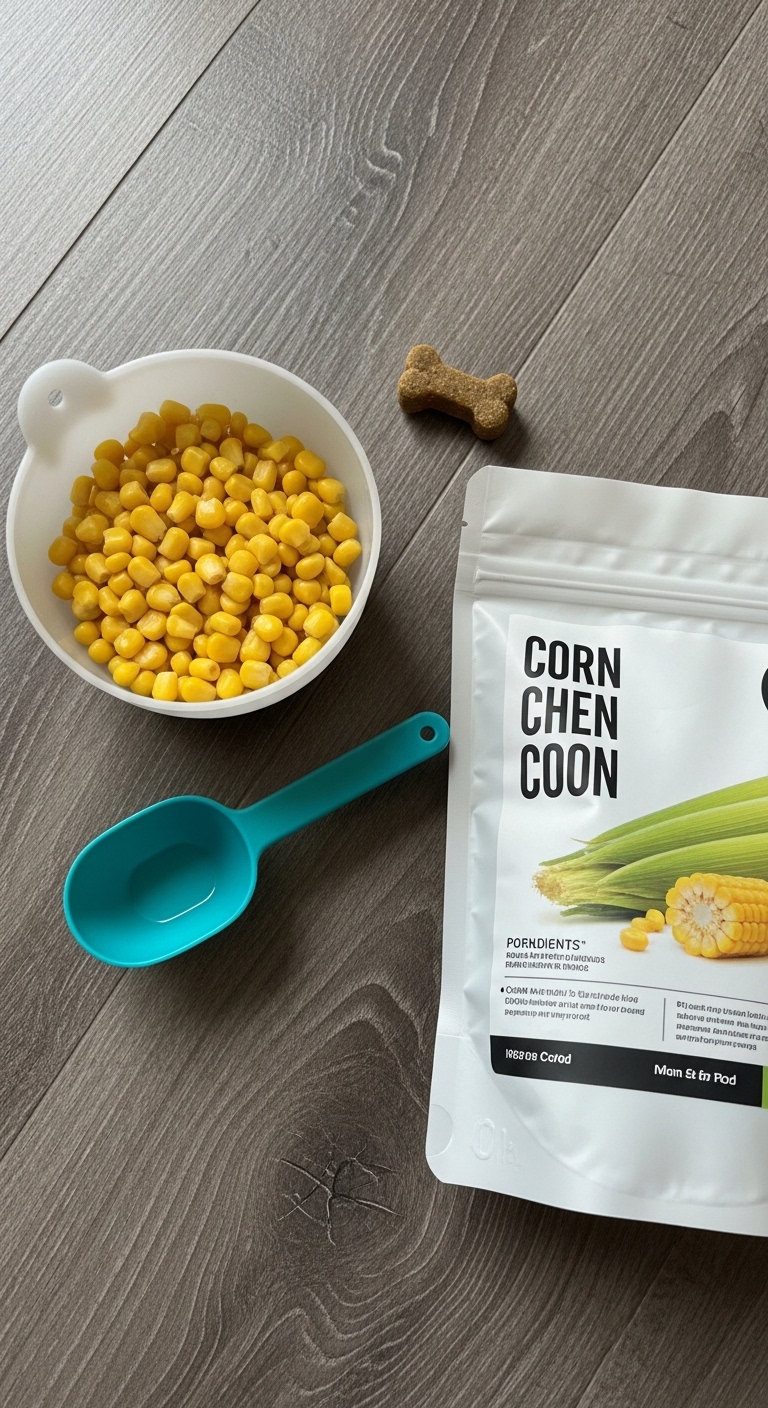
I once saw a dog owner give their pup a whole ear of corn because they thought it was a fun treat. Within hours, the dog was lethargic and vomiting. A quick vet visit confirmed a partial obstruction from corn cob fragments. It was a costly lesson in portion control and preparation. Always supervise your dog when introducing new foods, and when in doubt, ask your vet.
Daily Care Habits
Incorporate corn into your dog’s diet gradually, starting with a single kernel to test tolerance. Use plain, cooked corn as a high-value training treat in small pieces. Avoid feeding corn during hot weather, as the extra carbs can make your dog feel sluggish. If your dog is prone to weight gain, limit corn to occasional treats rather than regular meals.
Choosing the Right Product
When selecting dog food with corn, look for whole corn or corn meal listed early in the ingredients for better nutritional value. Avoid foods with corn syrup, which adds unnecessary sugar and can contribute to obesity or diabetes. Check for certifications like AAFCO approval to ensure the food meets basic nutritional standards. If your dog has a sensitive stomach, consider grain-free alternatives or limited-ingredient diets.
Safety and Comfort
Never feed corn on the cob, as the cob can cause life-threatening blockages. Skip buttered or seasoned corn, which can lead to pancreatitis or sodium ion poisoning. Monitor your dog for signs of digestive distress after eating corn, especially if it’s their first time. Keep corn out of reach during cookouts or picnics to prevent accidental ingestion of unsafe additives.
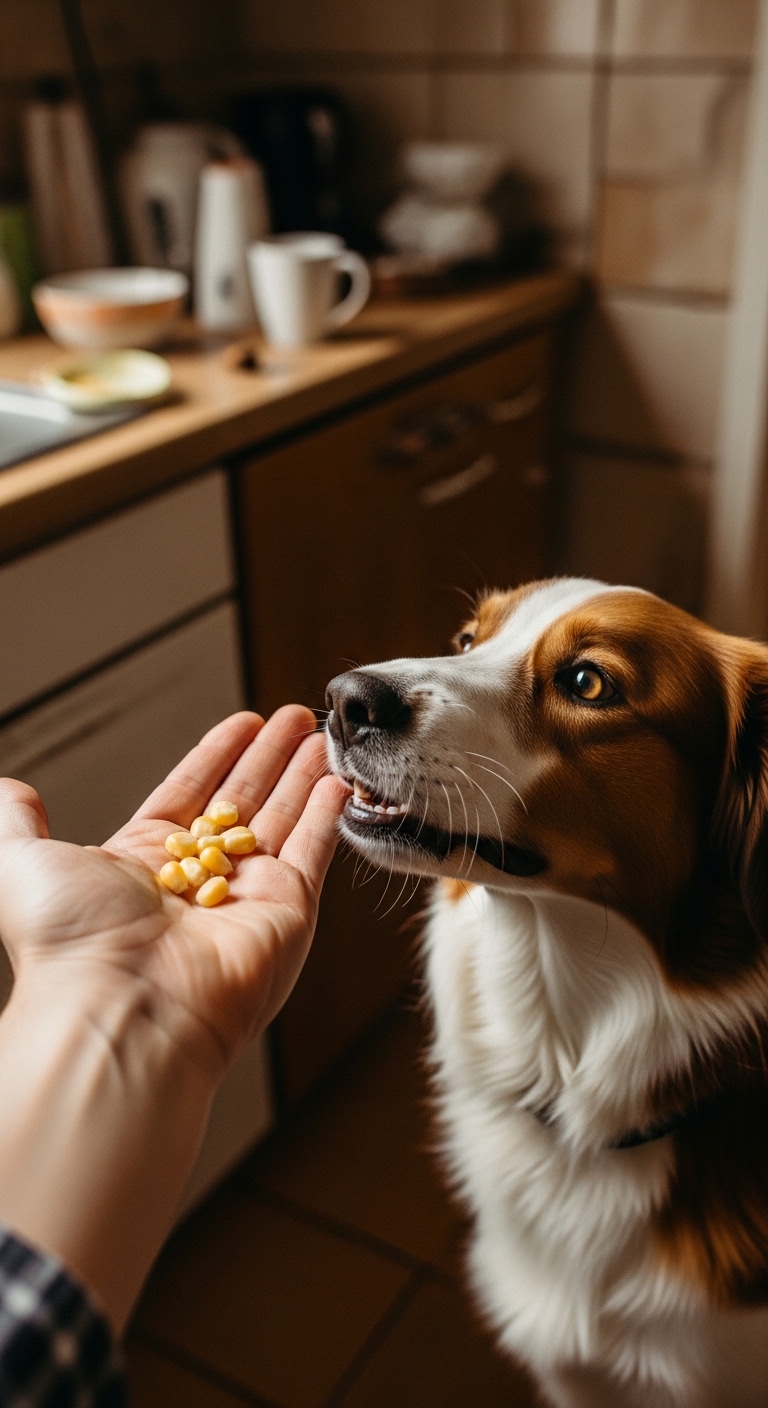
When in doubt, keep corn as an occasional treat rather than a dietary staple. Every dog is different, and what works for one pup might not suit another.
Frequently Asked Questions
- → Is corn toxic to dogs?
No, plain corn is not toxic to dogs. However, it should be served in moderation and without additives like butter, salt, or seasoning.
- → Can dogs eat corn on the cob?
No, corn on the cob is dangerous for dogs as it can cause choking or intestinal blockages. Always remove kernels from the cob before feeding.
- → What are the benefits of corn for dogs?
Corn provides fiber, vitamins (like C and B), and minerals that support digestion and energy. It can be a healthy occasional treat in moderation.
- → How much corn can I give my dog?
Corn should only be an occasional treat, making up no more than 10% of your dog’s diet. Start with small amounts to check for allergies or digestive issues.
- → Can corn cause allergies in dogs?
Yes, some dogs may be allergic to corn. Watch for symptoms like itching, vomiting, or diarrhea after feeding. Consult your vet if you suspect an allergy.
- → Is canned corn safe for dogs?
Canned corn is safe only if it’s plain, unsalted, and free of additives. Rinse it thoroughly to remove excess sodium before serving.