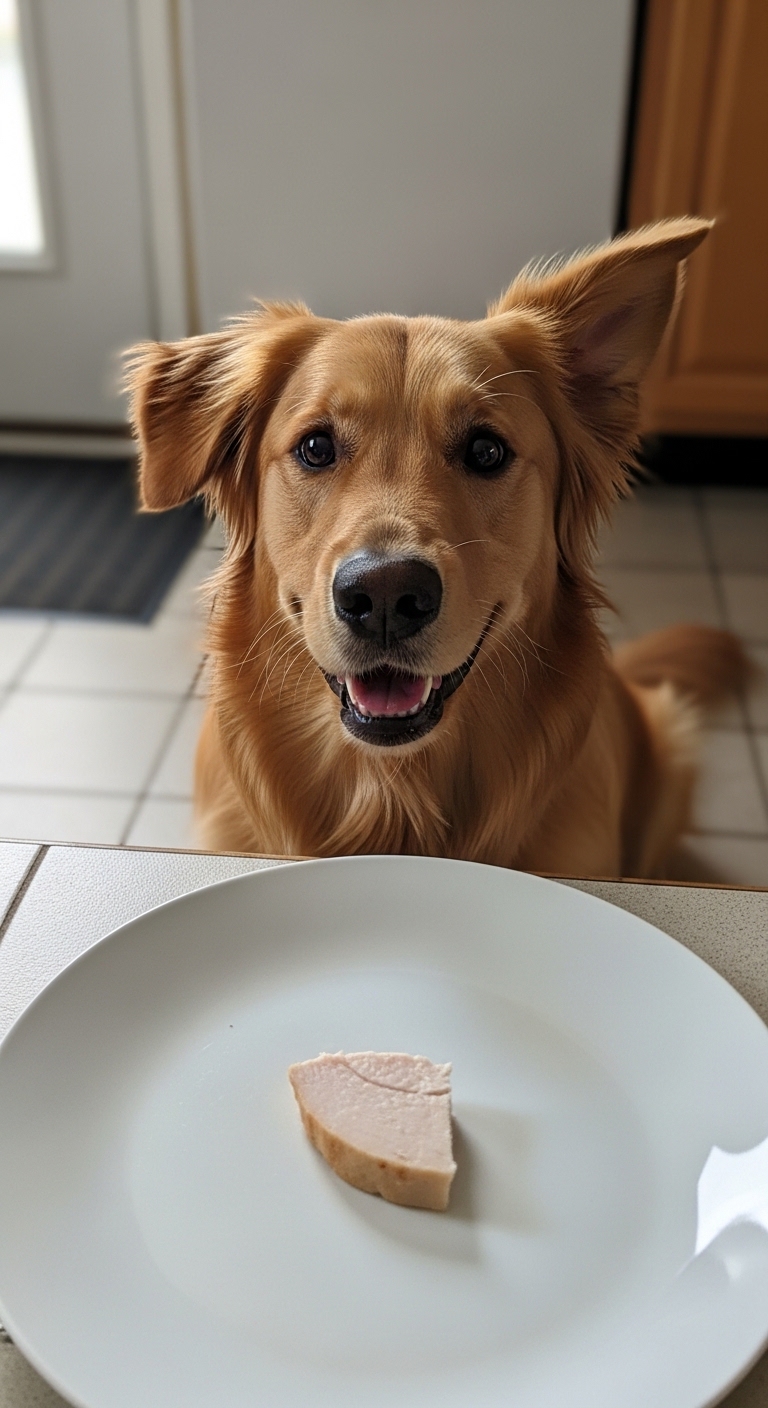
Can dogs eat pork? It’s a question many pet owners ask when considering human food for their furry friends. Pork is a common protein source in many diets, but not all types or preparations are safe for dogs. Some cuts are fine in moderation, while others can pose serious health risks. Knowing the difference can help you make better choices for your dog’s diet without unnecessary worry.
I’ve seen too many owners accidentally give their dogs seasoned or fatty pork, leading to stomach issues or worse. It’s not just about whether they *can* eat it, but whether they *should* in the first place.
Key Things to Understand
- Cooked plain pork without seasoning: is generally safe for dogs in small amounts
- Raw pork: carries a risk of parasites like trichinella which can make your dog very sick
- Seasoned or processed pork: like bacon, ham or sausage is too fatty or salty and should never be given
- Fatty cuts: can cause pancreatitis, a painful and dangerous condition
- Introduce new foods slowly: to check for allergies or digestive upset
What to Look For
When considering pork for your dog, pay attention to how the meat is prepared. Plain cooked pork without any added spices, oils or sauces is the safest option. Look for lean cuts with minimal fat marbling, as these are easier for your dog to digest. Avoid anything that smells strongly of seasoning or has visible garlic, onions or excessive salt, which are common in processed pork products. If your dog shows signs of stomach upset like vomiting, diarrhea or lethargy after eating pork, it’s best to avoid it in the future. Also watch for changes in energy levels or coat condition, which could indicate a food intolerance.
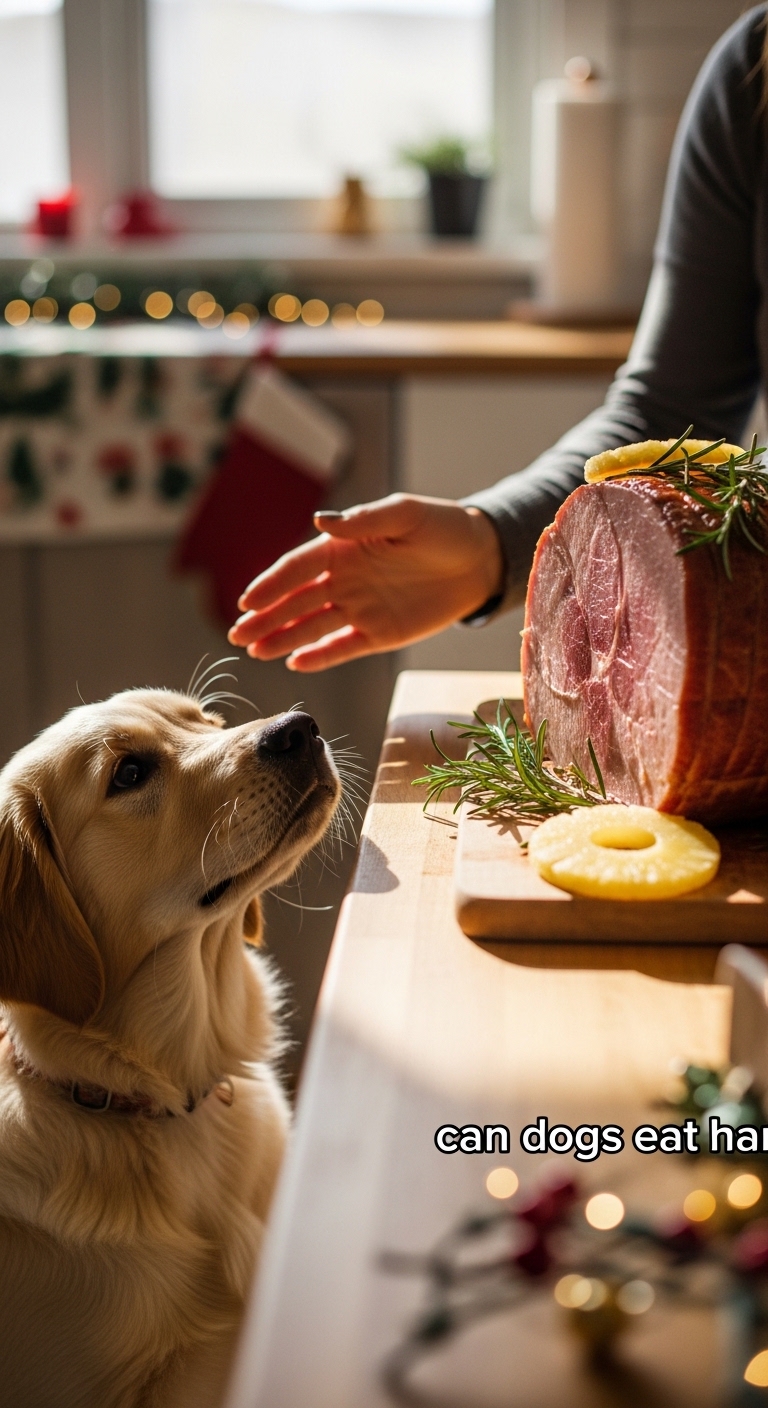
Many people don’t realize that even small amounts of garlic or onion powder in seasoned pork can be toxic to dogs. I once had a client whose dog got sick after eating leftover ham because they didn’t realize how much salt and preservatives it contained. It’s always better to be cautious and stick to plain cooked meat.
Safe Ways to Feed Pork
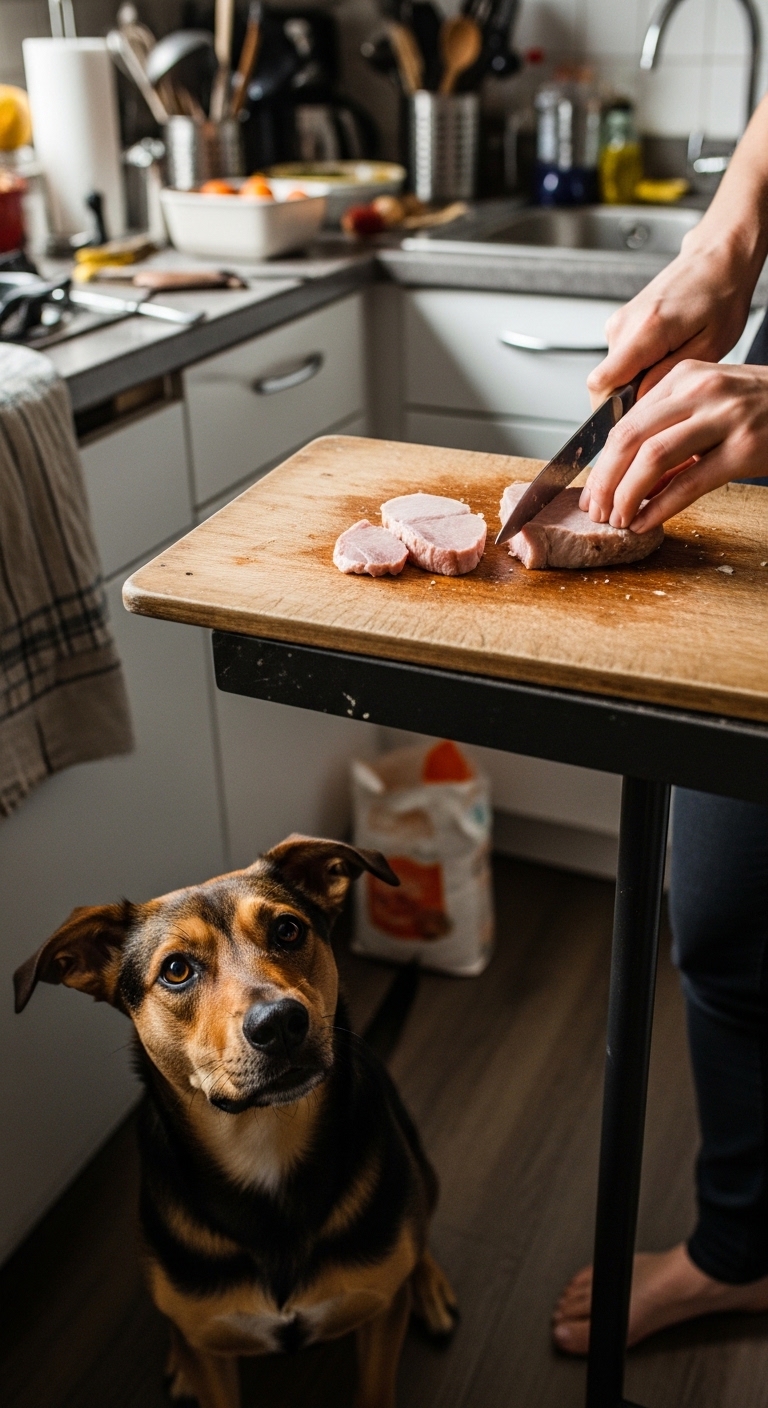
If you want to include pork in your dog’s diet, opt for plain boiled or baked lean cuts like tenderloin. Trim off any visible fat and cut it into small bite-sized pieces to prevent choking. Start with a tiny amount, about a teaspoon for small dogs or a tablespoon for larger breeds, and monitor their reaction for 24 hours. If they tolerate it well, you can gradually increase the portion size but keep it as an occasional treat rather than a daily food.
Signs of Trouble
Watch for symptoms like vomiting, excessive thirst, panting or diarrhea within a few hours of eating pork. These could indicate an upset stomach, a food intolerance or even pancreatitis. If your dog shows any of these signs, contact your vet, especially if they seem lethargic or refuse to eat. It’s always better to err on the side of caution when it comes to your pet’s health.
Alternatives to Pork
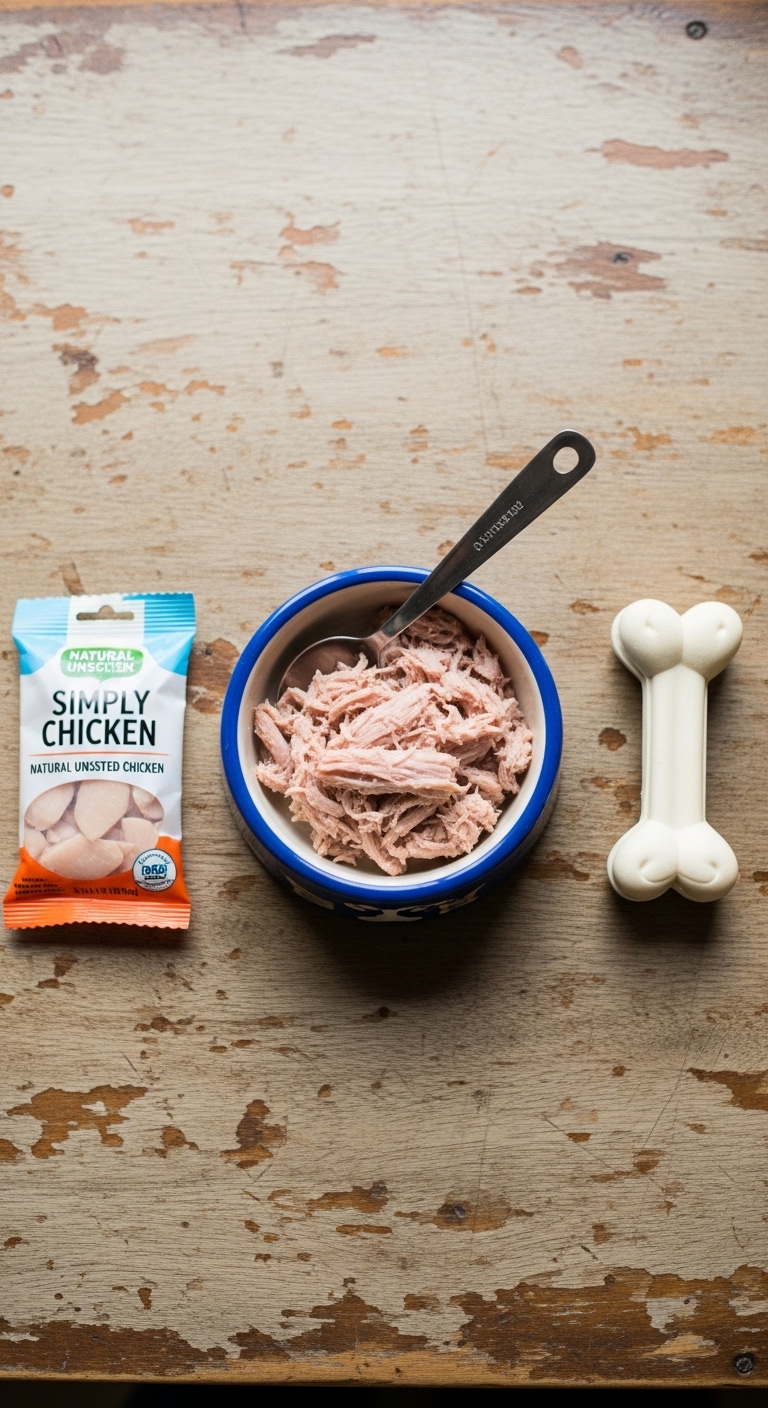
If you’re unsure about pork, consider other lean proteins like chicken, turkey or fish, which are generally safer and easier to digest. Commercial dog treats made with these proteins are also a reliable option. For dogs with sensitive stomachs or allergies, limited ingredient diets can help identify problem foods without the risk of introducing new ones.
Understanding how to safely feed pork can help you make informed decisions for your dog’s diet. Always prioritize their health by choosing the right preparation and portion sizes.
Frequently Asked Questions
- → Can dogs eat raw pork?
No, raw pork is not recommended for dogs due to the risk of parasites like trichinella, which can cause severe illness. Always cook pork thoroughly before feeding it to your pet.
- → Is cooked pork safe for dogs?
Yes, cooked pork without seasoning, fat, or bones is generally safe for dogs in moderation. Ensure it's fully cooked to an internal temperature of 145°F (63°C) to kill potential pathogens.
- → How much pork can I feed my dog?
Pork should only make up a small portion of your dog's diet. Consult your vet for portion sizes based on your dog's size, weight, and health status. Too much pork can lead to digestive issues or pancreatitis.
- → What cuts of pork are best for dogs?
Lean cuts like pork tenderloin or lean ground pork are best as they contain less fat. Avoid fatty cuts like bacon or pork belly, which can cause digestive upset or long-term health issues.
- → Can pork bones be given to dogs?
No, pork bones should never be given to dogs as they can splinter and cause choking, intestinal blockages, or internal injuries. Always remove bones before serving pork to your pet.
- → Is pork a good protein source for dogs?
Yes, pork is a high-quality protein source that can benefit dogs when fed in moderation. It provides essential amino acids and is easily digestible for most dogs. However, it should not replace a balanced diet formulated for pets.