Can dogs have cashews? It’s a question many pet owners ask when they’re snacking and their pup gives them those big, hopeful eyes. Cashews are a common human snack, but are they safe for dogs? The short answer is yes, but only in very small amounts and under certain conditions. While cashews aren’t toxic like some other nuts, they still come with risks that every dog owner should know before sharing.
I once gave my neighbor’s small dog a single cashew as a test, only to watch him gag like he’d never tasted anything so rich. It was a good reminder that even safe foods need moderation.
Key Things to Understand
- Non-toxic but limited: Cashews are not toxic to dogs but should never be a regular part of their diet
- High fat risk: They are high in fat, which can lead to pancreatitis if overfed
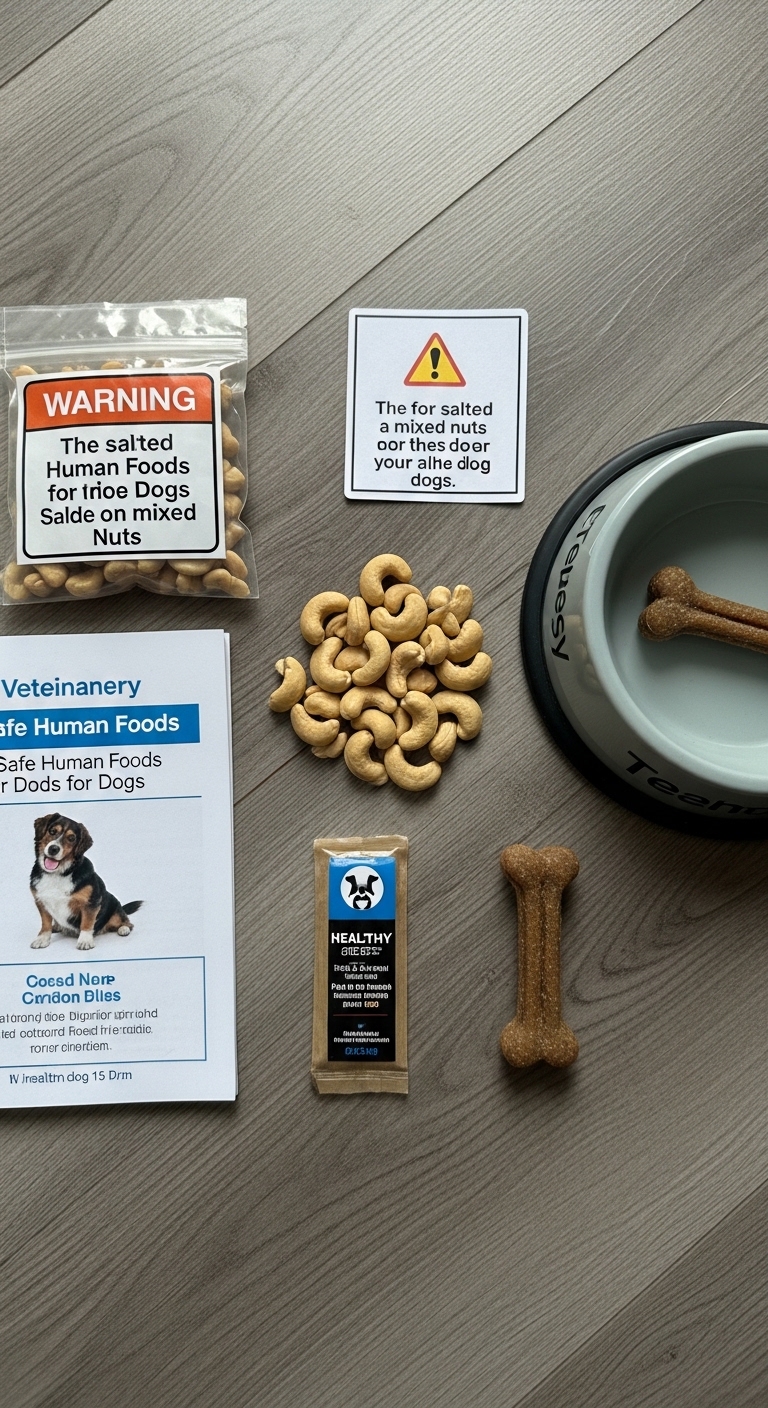
- Avoid seasonings: Salted or flavored cashews should never be given to dogs due to seasoning risks
- Shell danger: The shell of a cashew is toxic and must always be removed before feeding
- Portion control: Even one cashew can be too much for a small dog
What to Look For
Watch for signs that your dog tolerates cashews well, like normal energy levels and no vomiting or diarrhea after eating a small piece. If your dog has a sensitive stomach or a history of pancreatitis, it’s best to avoid cashews altogether. Always check the ingredient list if you’re buying pre-packaged cashews: look for added salt, garlic, or onion powder, which are dangerous for dogs. Freshness matters too; rancid nuts can cause stomach issues, so store cashews in a cool, dry place and use them within a few weeks of opening.
I’ve seen dogs get into trouble after eating a whole handful of cashews left on a coffee table. Even if they seem fine at first, the high fat content can cause delayed reactions. Always keep snacks out of reach and train your dog to wait for treats rather than grabbing them unsupervised.
Safe Serving Sizes by Dog Weight
For dogs under 10 pounds, a single cashew once a week is plenty. Medium dogs (20-50 pounds) can have one or two cashews, no more than twice a week. Large dogs (over 50 pounds) might handle three or four cashews weekly, but watch their weight.
Feeding Guidelines
Feeding cashews to your dog should never replace their regular diet. Think of it as a tiny bonus, not a meal replacement. If you’re unsure, ask your vet: especially if your dog has health conditions or is on a special diet.
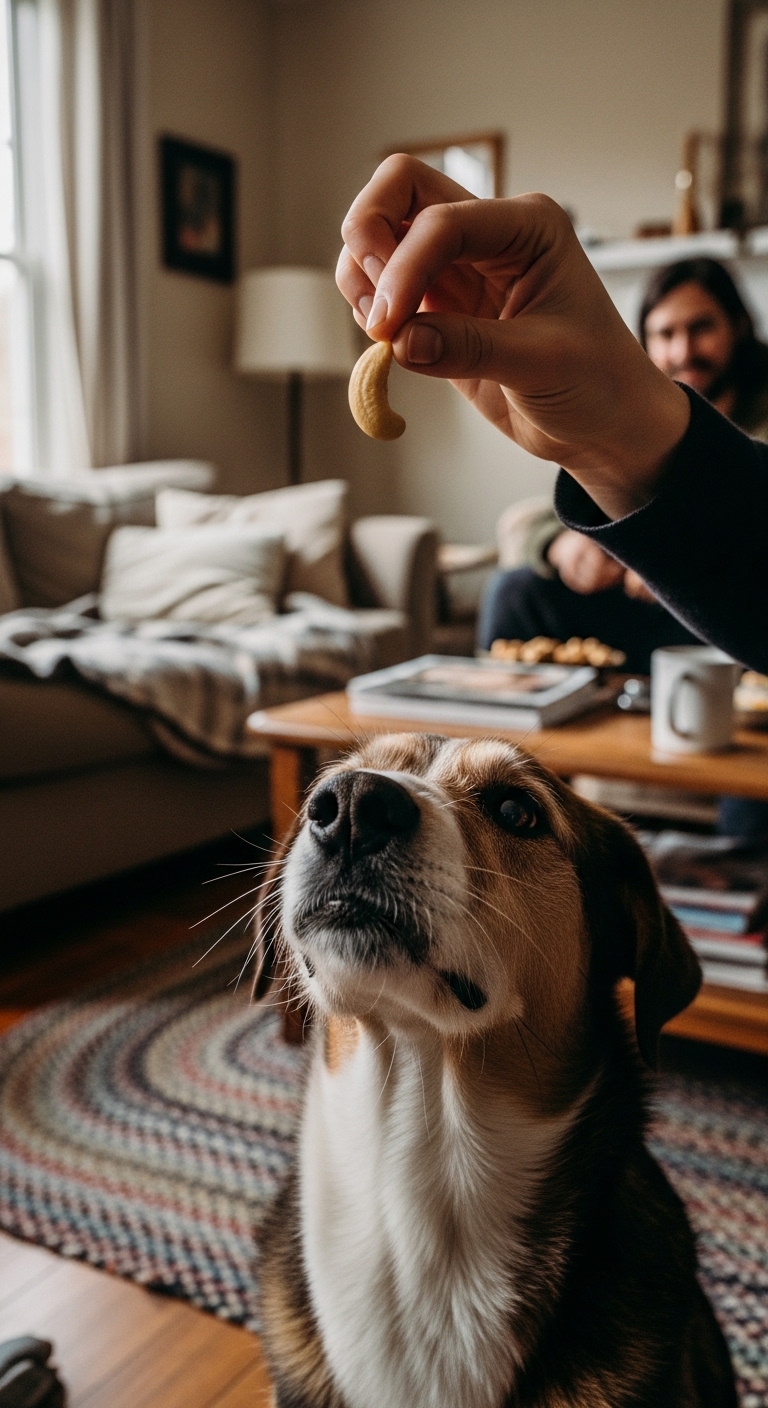
Cashews can be a safe, occasional treat for dogs when given in moderation and with proper precautions.
Frequently Asked Questions
- → Are cashews safe for dogs to eat?
Yes, cashews are generally safe for dogs in small amounts. They are non-toxic and provide beneficial nutrients like protein and healthy fats. However, they should be given plain, unsalted, and in moderation to avoid digestive issues.
- → How many cashews can I give my dog?
For small dogs, one or two cashews per week is sufficient. Larger breeds can have up to five cashews weekly, but always introduce them slowly to monitor for any adverse reactions.
- → Can cashews cause allergies in dogs?
While rare, some dogs may be allergic to cashews. Signs of an allergic reaction include itching, swelling, or gastrointestinal upset. If you notice any of these symptoms, discontinue feeding cashews and consult your vet.
- → Should I feed my dog raw or roasted cashews?
Always feed your dog plain, unsalted, and unseasoned cashews. Raw or dry-roasted cashews are the safest options, as salted or flavored cashews can contain harmful additives like garlic or onion powder, which are toxic to dogs.
- → What are the risks of feeding too many cashews to my dog?
Overfeeding cashews can lead to weight gain due to their high fat content, which may contribute to obesity or pancreatitis. Additionally, the high phosphorus content in cashews can disrupt calcium balance if consumed in excess, potentially leading to bone health issues.
- → Can puppies eat cashews?
Puppies can eat cashews in very small amounts, but it's best to consult your vet first. Their digestive systems are still developing, and introducing new foods too early may cause stomach upset. Stick to puppy-specific treats for their primary diet.