Can dogs eat raw chicken? It’s a question many pet owners ask, especially those exploring natural diets for their pets. Raw food diets have gained popularity, but they come with risks and benefits that aren’t always clear. If you’re considering feeding your dog raw chicken, it’s important to understand the facts before making a decision.
Raw chicken can be a great protein source, but only if handled correctly. Many dogs thrive on raw diets, but others may struggle with digestion or allergies. The key is knowing your dog’s health history and consulting your vet before making changes.
Key Things to Understand
- High-protein food: Raw chicken is a high-protein food that can support muscle development and energy levels in dogs.
- Natural enzymes and nutrients: It contains natural enzymes and nutrients that may improve coat health and digestion when fed properly.
- Bacterial risks: Bacterial risks like Salmonella or Campylobacter are a major concern, especially for dogs with weakened immune systems or young puppies.
- Digestive issues: Not all dogs digest raw meat well; some may experience vomiting, diarrhea, or allergies.
- Balanced diet requirement: A balanced raw diet requires more than just chicken; it needs organ meats, bones, and supplements to meet nutritional needs.
- Commercial quality varies: Commercial raw food brands vary in quality, so reading labels is essential to avoid fillers or harmful additives.
What to Look For
Pay attention to your dog’s reaction after eating raw chicken. A healthy dog should have firm stools, a shiny coat, and steady energy levels. If you notice lethargy, digestive upset, or skin issues, it could signal an intolerance or imbalance in their diet.
Check the source of the chicken. Look for organic, free-range, or human-grade options to minimize the risk of contaminants. Avoid meat from unknown suppliers or processed products with additives.
Watch for signs of bacterial infection, such as excessive drooling, vomiting, or lethargy, especially in puppies or senior dogs. These symptoms require immediate veterinary attention.
If you’re mixing raw chicken with other foods, observe how your dog handles the combination. Some dogs do well with variety, while others need a gradual transition to avoid stomach issues.
Monitor your dog’s weight and body condition. Raw diets can be calorie-dense, so adjust portions if your dog starts gaining or losing weight unexpectedly.
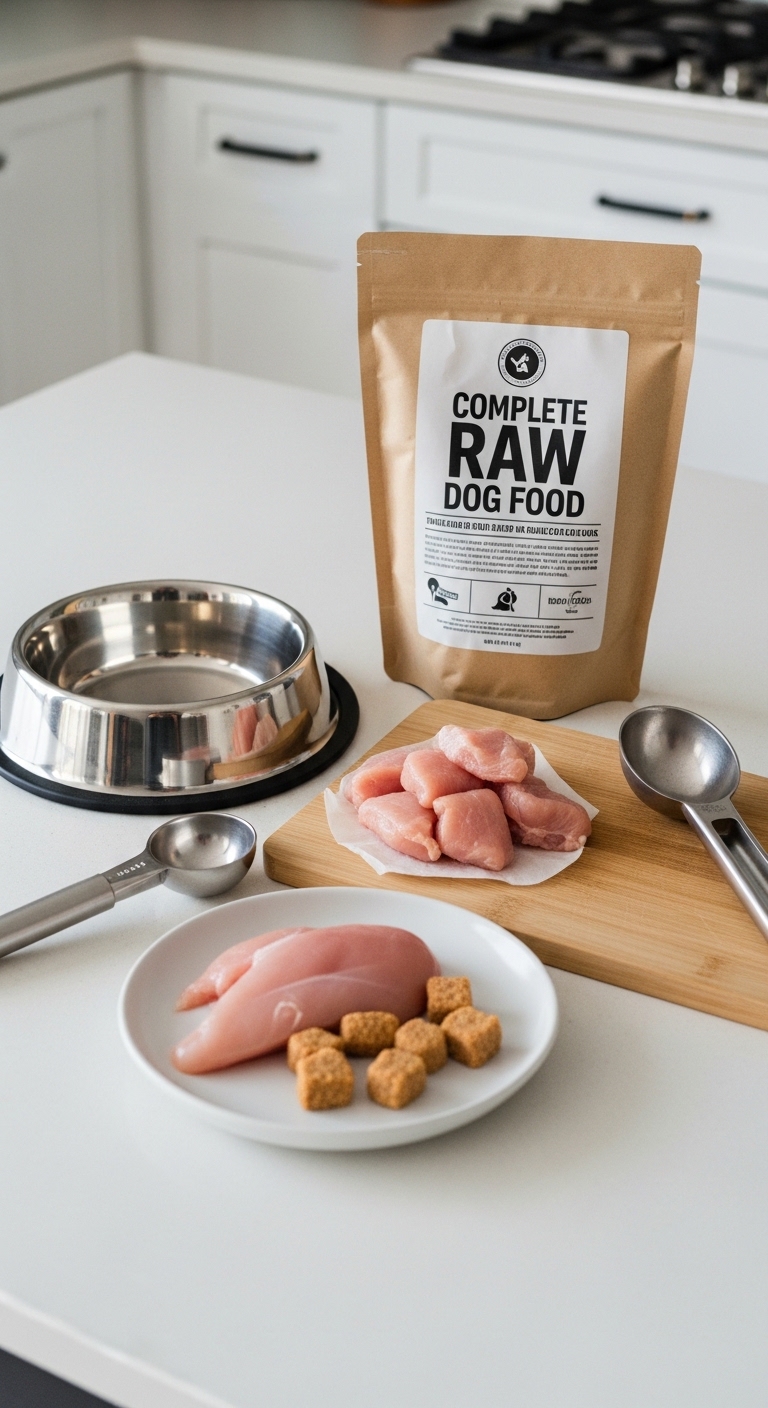
Many pet owners assume raw diets are "one-size-fits-all," but that’s far from true. What works for one dog might not work for another, so it’s crucial to tailor the diet to your pet’s specific needs. Start with small portions and track how your dog responds over time.
Transitioning to a Raw Diet
If you decide to switch your dog to a raw diet, do it gradually. Sudden changes can upset their stomach and lead to digestive issues. Start by replacing a small portion of their regular food with raw chicken, then slowly increase the amount over a week or two. This gives their system time to adjust without shock.
Mix in organ meats like liver or kidney to provide essential vitamins and minerals. These aren’t just extras; they’re necessary for a complete diet. Without them, your dog could develop deficiencies over time.
Bones are another critical component. They provide calcium and help clean teeth, but they must be fed safely. Never give your dog cooked bones, as they can splinter. Instead, opt for raw, meaty bones that are appropriate for your dog’s size.
Safety First
Even if your dog seems fine after eating raw chicken, it’s important to practice good hygiene. Wash your hands thoroughly after handling raw meat to avoid cross-contamination in your kitchen. Clean bowls and surfaces with hot, soapy water to prevent bacteria from spreading.
Store raw chicken in sealed containers on the bottom shelf of your fridge to avoid drips contaminating other foods. If you’re meal prepping, freeze portions in airtight bags to maintain freshness.
Watch for recalls or outbreaks related to raw pet food. Staying informed helps you avoid products that might be contaminated or unsafe.
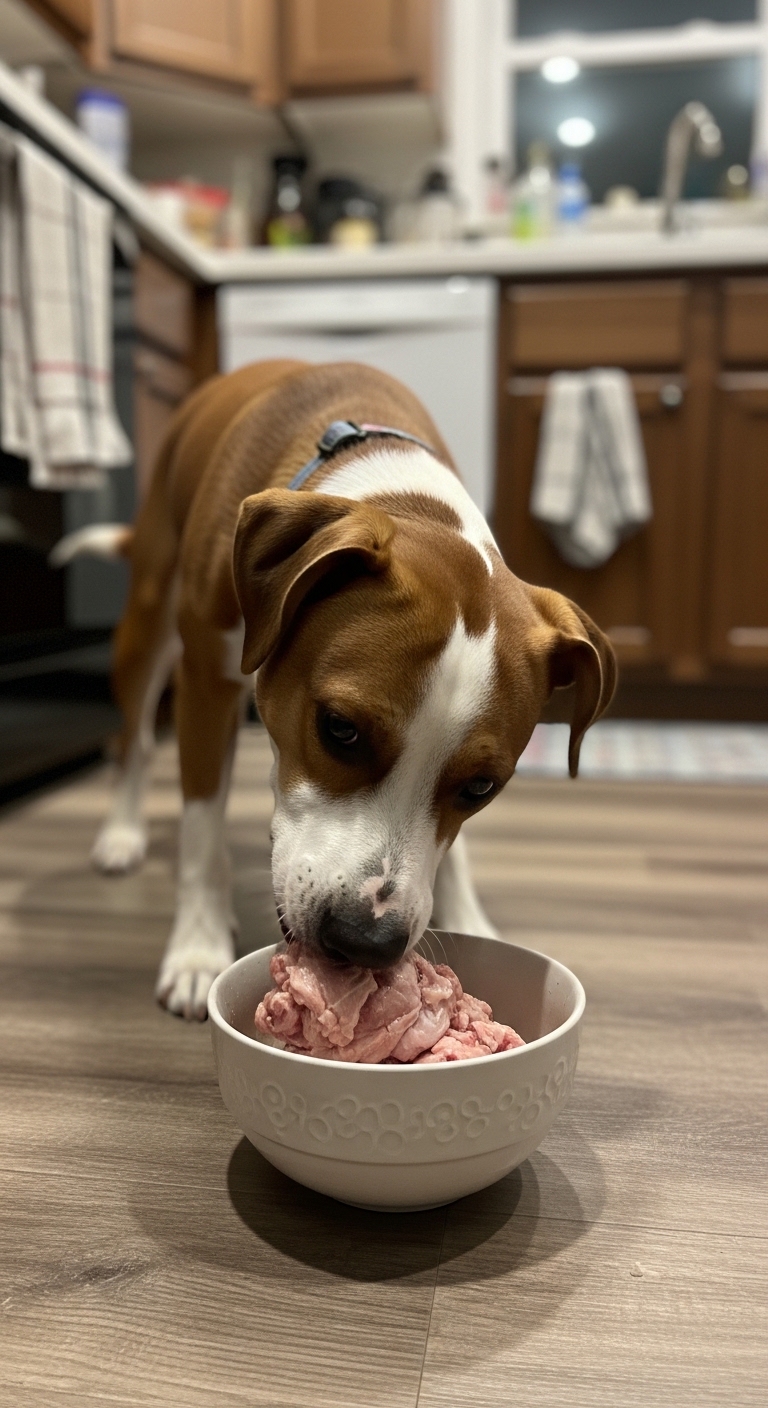
Feeding raw chicken can be a healthy choice for some dogs, but it requires careful planning and attention to safety. Always prioritize your dog’s well-being by consulting a vet and monitoring their response.
Frequently Asked Questions
- → Is raw chicken safe for all dogs?
Not necessarily. While some dogs tolerate raw chicken well, others—especially puppies, senior dogs, or those with health conditions—may be at higher risk of bacterial infections or nutritional imbalances. Always consult your vet before making dietary changes.
- → What are the benefits of feeding dogs raw chicken?
Raw chicken is a natural source of protein, healthy fats, and essential amino acids that support muscle development, energy levels, and coat health. Some owners report improved digestion and shinier coats, but results vary by dog.
- → How should I prepare raw chicken for my dog?
Use fresh, high-quality chicken from trusted sources. Remove bones to prevent choking or internal injuries, and avoid seasoning or additives. Wash hands and surfaces thoroughly after handling to prevent bacterial spread.
- → Can raw chicken cause food poisoning in dogs?
Yes. Raw chicken may contain harmful bacteria like Salmonella or Campylobacter, which can cause vomiting, diarrhea, or more severe infections. Puppies, elderly dogs, and immunocompromised pets are particularly vulnerable.
- → Should I mix raw chicken with other foods?
Yes. A balanced raw diet should include organ meats, bones (if ground), and vegetables for fiber. Commercial raw food blends or supplements can help ensure your dog gets all necessary nutrients.
- → How do I transition my dog to a raw chicken diet?
Start by replacing 25% of their current food with raw chicken over 7–10 days, gradually increasing the ratio. Monitor for digestive changes or allergies, and adjust portions based on your dog’s weight and activity level.