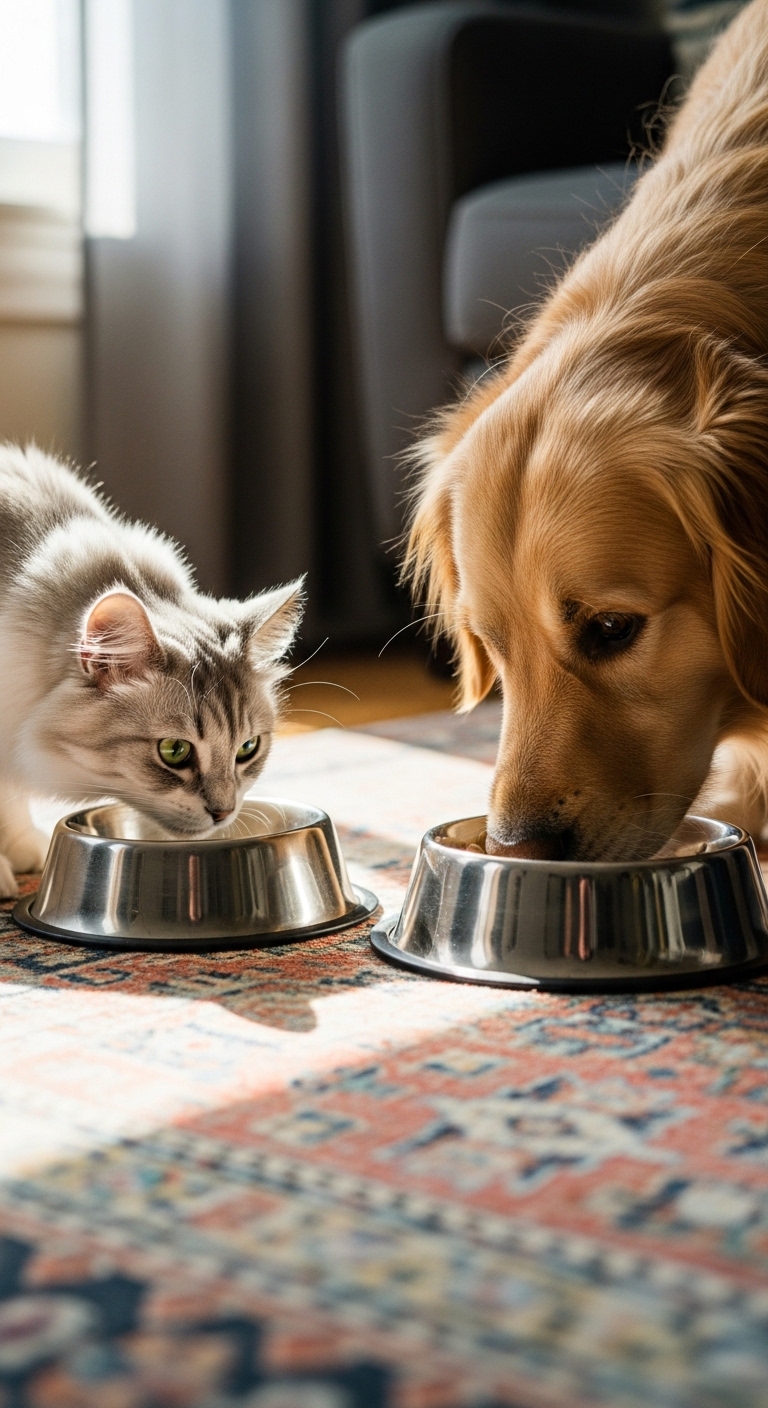
Dogs sneaking a bite of cat food is one of those things pet owners deal with sooner or later. It’s tempting to think it’s harmless since both pets eat similar things, but the truth is more complicated. Knowing the differences between dog and cat food can save you from unexpected vet visits or long-term health issues for your pup.
I’ve seen dogs get sick after eating cat food more times than I can count, and most of the time it’s because owners didn’t realize how different the two foods really are.
Key Things to Understand
- Cat food is much higher in protein and fat than dog food: because cats are obligate carnivores and need those nutrients to survive
- Dogs can’t digest cat food as efficiently: which can lead to stomach upset, diarrhea, or even pancreatitis over time
- The ingredients in cat food often include things like taurine and higher levels of vitamin A: that dogs don’t need in the same amounts
- Even a small amount of cat food can cause problems: if your dog has a sensitive stomach or pre-existing health conditions
- Some dog breeds or older dogs are more likely to have severe reactions: compared to younger, healthier dogs
What to Look For
Pay attention to how your dog acts after eating cat food. Some dogs will vomit shortly after, while others might develop diarrhea within a few hours. Watch for signs of discomfort like excessive drooling, lethargy, or a hunched back. If your dog starts acting unusually tired or refuses to eat their regular food, it could be a reaction to the cat food. Also notice if your dog seems obsessed with the cat’s bowl: this behavior often leads to repeat incidents if not addressed.
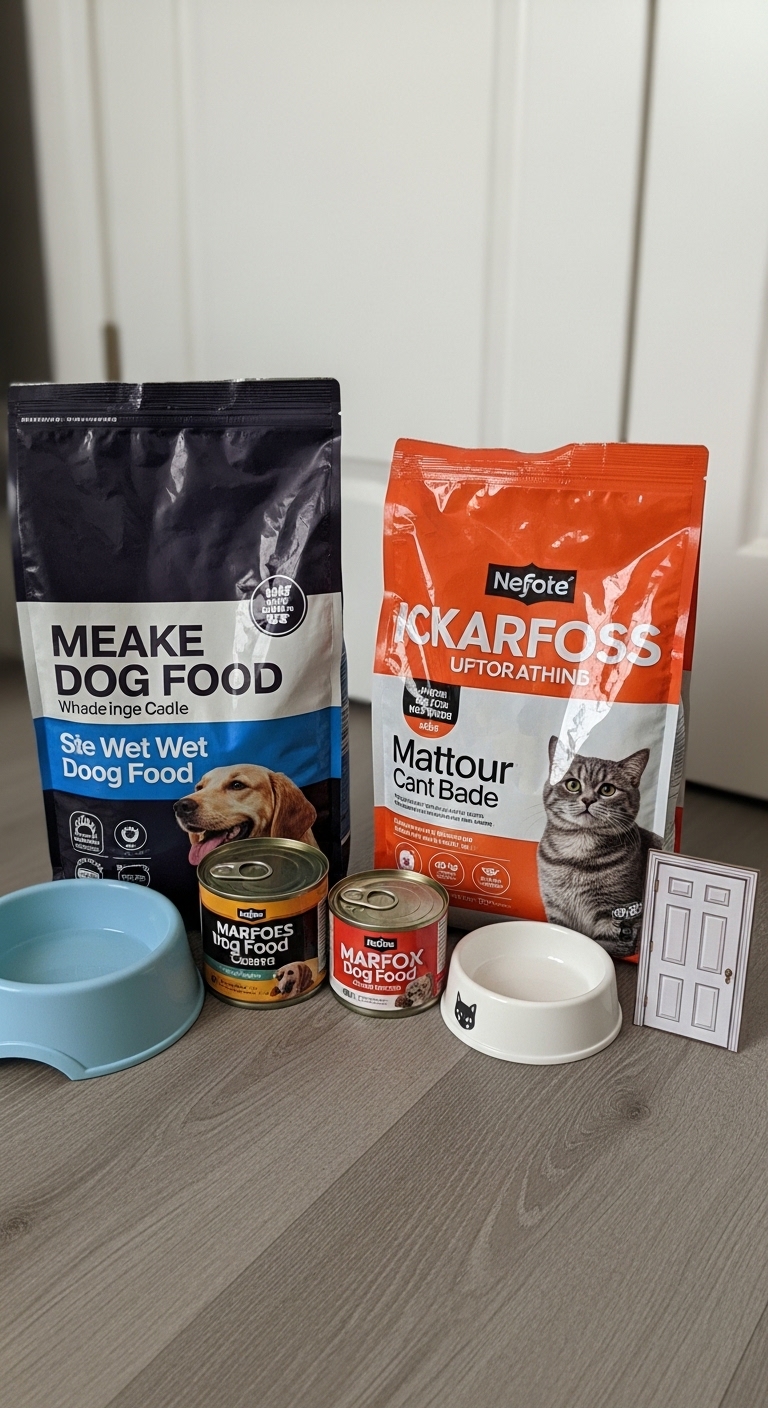
I once had a client whose tiny Chihuahua kept sneaking cat food and ended up with pancreatitis after just two weeks. It’s a reminder that even small amounts add up over time.
Daily Care Habits
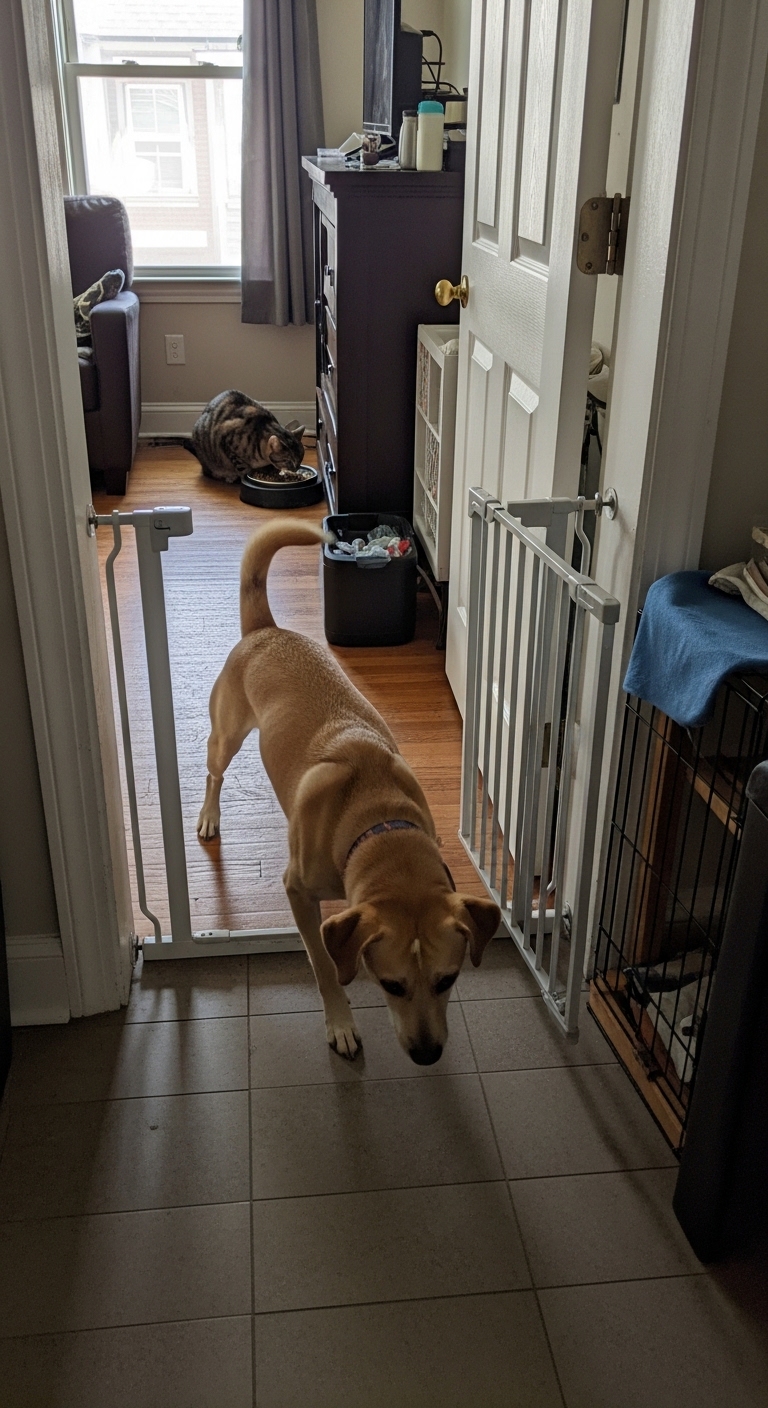
If your dog has a habit of eating cat food, try feeding them at the same time as the cat but in a separate room. This way, your dog won’t associate the cat’s feeding time with an opportunity to sneak a bite. Another trick is to place the cat’s bowl in a high or hard-to-reach spot where your dog can’t access it easily. Consistency is key: if your dog learns that cat food isn’t an option, they’ll stop trying.
Choosing the Right Product
Look for dog foods labeled as “complete and balanced” to ensure your pup gets all the nutrients they need without missing out on anything. If you’re feeding treats, pick ones made specifically for dogs rather than cat treats, which often have higher fat content. Avoid foods with excessive fillers like corn or soy, as these can contribute to weight gain and digestive issues over time.
Safety and Comfort
Keep cat food out of reach whenever possible. If you have multiple pets, feed them in separate areas to prevent any sneaky snacking. Watch for signs of discomfort after your dog eats cat food, especially if they have a sensitive stomach or pre-existing conditions. If your dog shows severe symptoms like vomiting, diarrhea, or lethargy, contact your vet right away.
Even small changes can make a big difference in keeping your dog healthy and happy.
Frequently Asked Questions
- → Why can’t dogs eat cat food regularly?
Cat food is designed for felines with higher protein and fat levels, which can cause nutritional imbalances in dogs. Regular consumption may lead to obesity, pancreatitis, or deficiencies in essential nutrients like vitamin A or taurine.
- → What happens if my dog eats cat food once?
Occasional nibbling rarely causes harm, but watch for signs like vomiting, diarrhea, or lethargy. Monitor your dog for 24 hours and ensure they return to their regular diet.
- → Can cat food kill a dog?
Cat food alone isn’t lethal, but long-term consumption can cause severe health issues. Always prioritize dog-specific food to avoid complications like kidney strain or malnutrition.
- → What should I do if my dog eats cat food daily?
Switch your dog to a balanced, vet-approved diet immediately. Gradually transition foods to prevent digestive upset. Consult your vet for personalized recommendations based on your dog’s breed and health.
- → Are there safe alternatives to cat food for dogs?
Yes! Offer dog-safe treats, high-quality kibble, or vet-approved homemade meals. Avoid sharing cat food as a snack—opt for dog-friendly options like carrots, apples, or commercial dog treats instead.
- → How much cat food is toxic to dogs?
There’s no ‘safe’ amount for regular consumption, but small accidental portions (e.g., a few bites) are unlikely to cause harm. Consistently feeding cat food is the real risk—prioritize your dog’s nutritional needs.