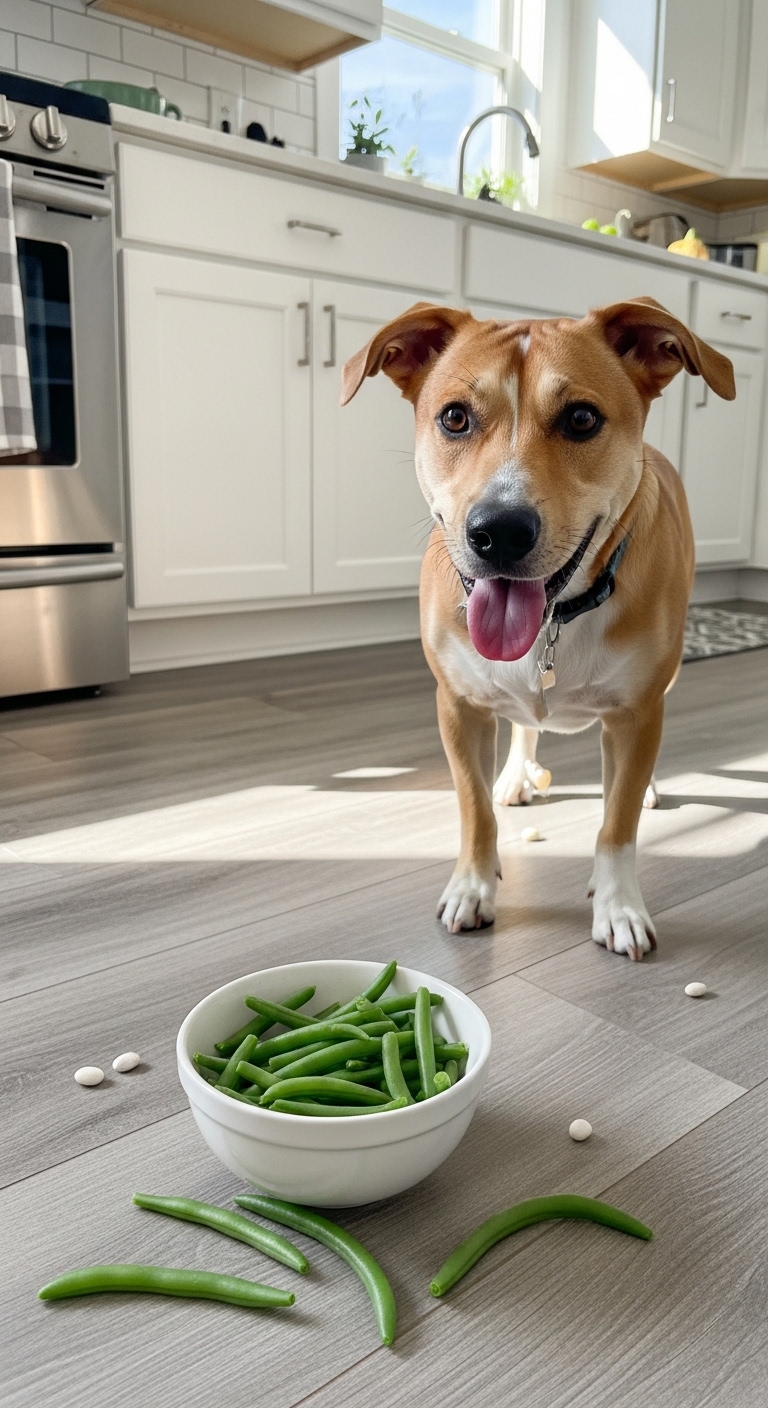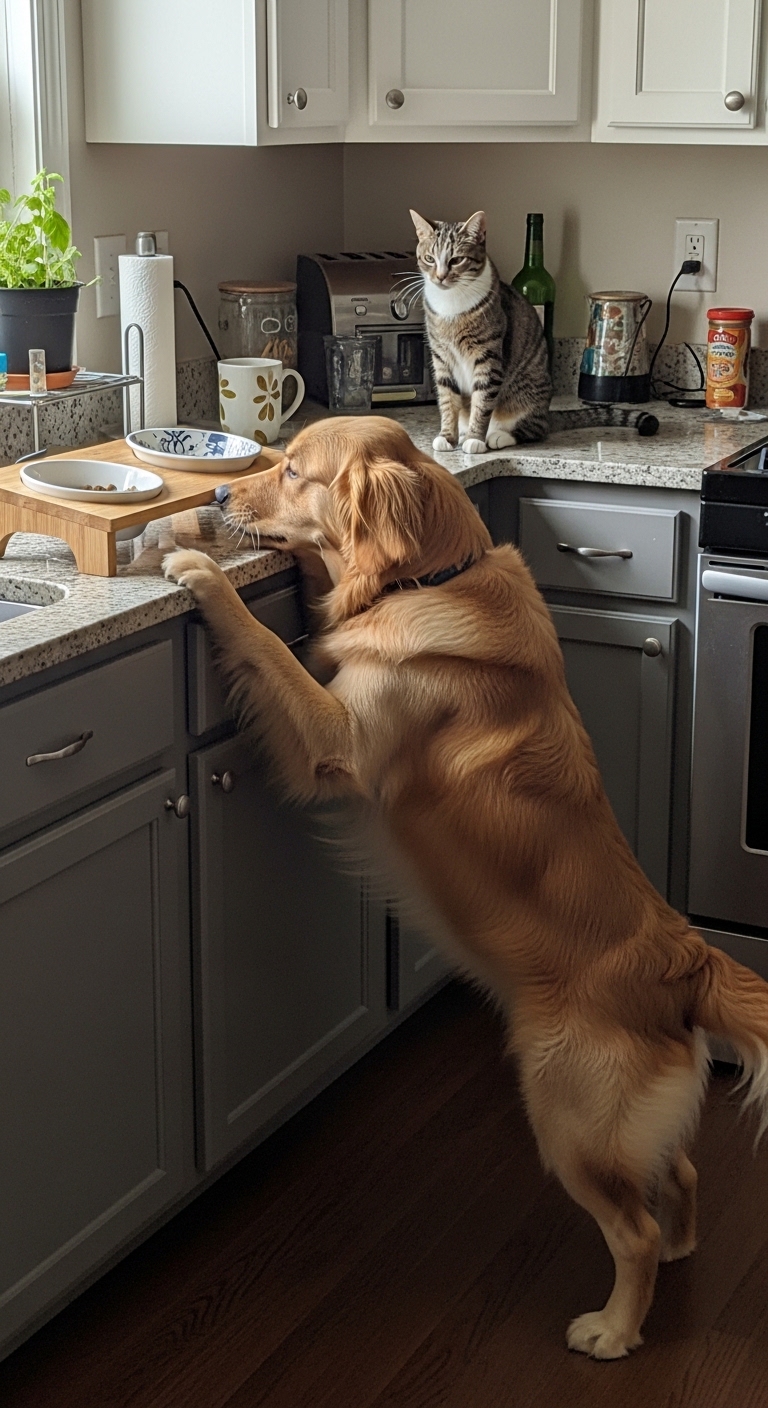
Cottage cheese is a common ingredient in many human meals, but when you're sharing your food with your dog, it's natural to wonder if it's safe for them. Many pet owners use cottage cheese as a high-protein treat or a way to sneak in extra nutrients, especially for dogs with sensitive stomachs or those needing a bland diet. Since dairy can be tricky for some dogs, knowing the right way to serve it makes all the difference in keeping your pup happy and healthy.
I remember when my neighbor’s dog, Max, got a small spoon of cottage cheese as a reward. At first, he gobbled it up, but within an hour, he was lethargic and had loose stools. That’s when we realized his stomach couldn’t handle dairy. Now, I always check with my vet before introducing new foods, even ones that seem harmless.
Key Things to Understand
- Low lactose content: Cottage cheese is generally safe for dogs in small amounts because it’s low in lactose compared to other dairy products
- Potential sensitivities: Some dogs may still have trouble digesting it, especially those with lactose intolerance or sensitive stomachs
- Fat considerations: Full-fat cottage cheese can add unnecessary calories, so opt for low-fat or non-fat versions when possible
- Gradual introduction: Always introduce cottage cheese gradually to see how your dog reacts before making it a regular treat
- Avoid additives: Avoid flavored or seasoned cottage cheese, as additives like garlic or onion can be toxic to dogs
What to Look For
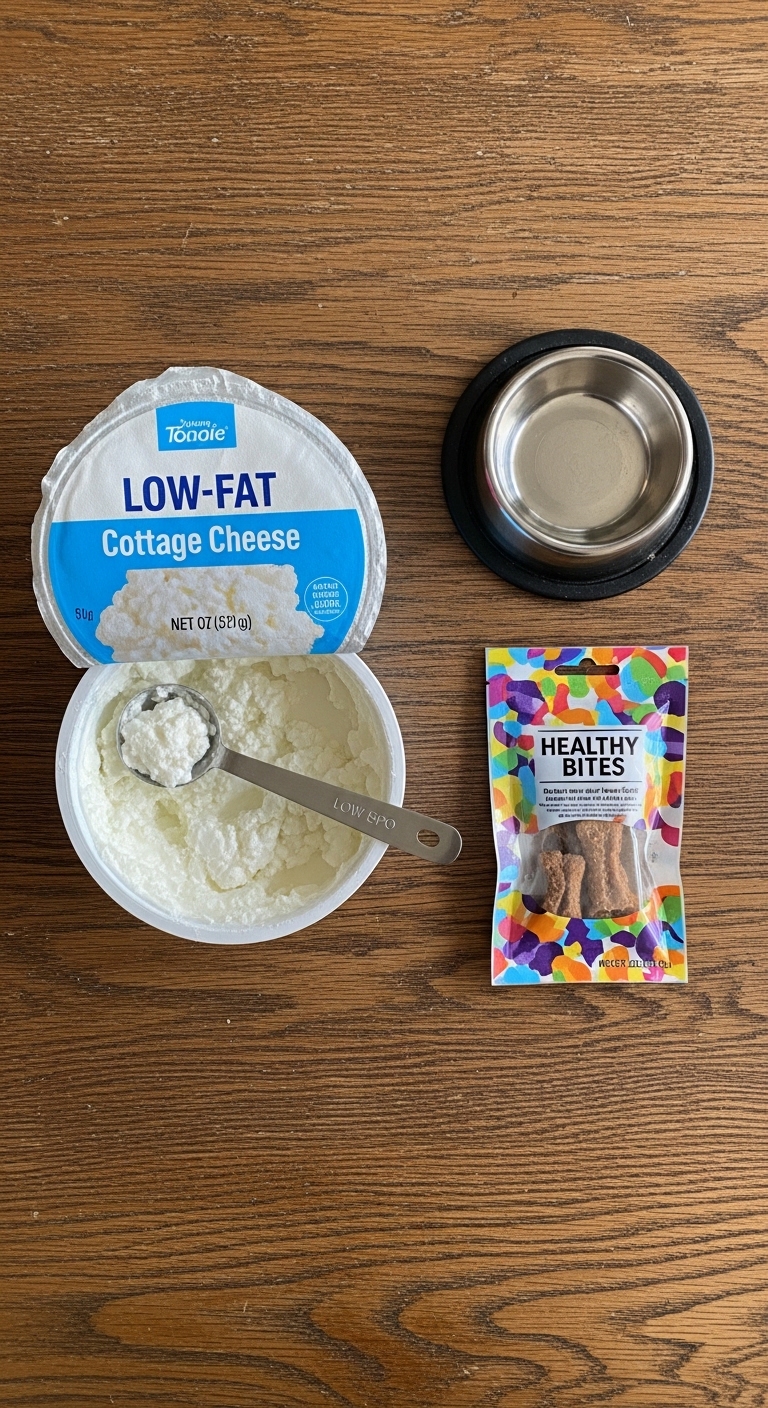
When choosing cottage cheese for your dog, look for plain, unflavored varieties with no added ingredients. The label should list just milk, cultures, and salt nothing else. Check the fat content too; while dogs can handle some fat, too much can lead to weight gain or digestive upset over time. Texture matters as well. If the cottage cheese is grainy or separates too much, it might not be as easy for your dog to digest. Pay attention to how your dog acts after eating it. A little extra gas or a softer stool isn’t always a cause for concern, but if you notice vomiting, diarrhea, or lethargy, it’s a sign to stop giving it to them.
I once saw a dog owner give their pup a whole bowl of cottage cheese as a meal replacement. By the next day, the dog was refusing food and acting unusually tired. It turned out the high fat content had triggered pancreatitis. That’s why treats should always be just that: small, occasional additions to their regular diet.
Serving Suggestions
If you decide to give your dog cottage cheese, think of it as a training reward or a topper for their kibble. A teaspoon for a small dog or a tablespoon for a larger one is plenty. You can mix it into their food to make it more appealing or use it as a filling for a puzzle toy to keep them mentally engaged. Some pet owners even freeze cottage cheese in small portions for a cool, summery treat. Just remember, moderation is key. Too much at once can lead to an upset stomach, even if your dog handles dairy well.
Alternatives to Cottage Cheese
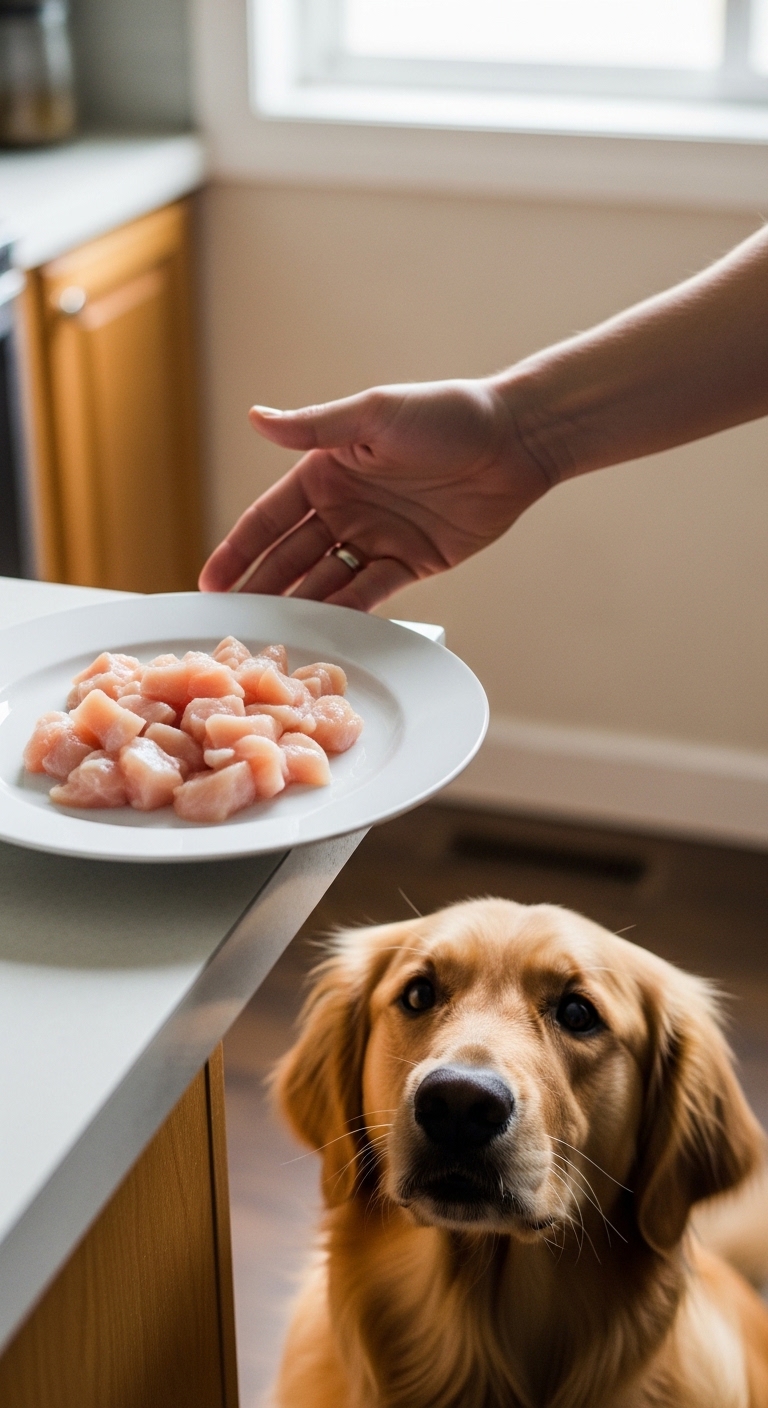
If your dog doesn’t tolerate cottage cheese well, there are other high-protein, low-fat options. Plain Greek yogurt (without artificial sweeteners) is a great substitute, as it contains probiotics that can aid digestion. Another option is cooked, unseasoned chicken or turkey, which provides similar protein benefits without the dairy. For dogs with severe sensitivities, commercial dog treats made from limited ingredients can be a safer choice. Always transition new foods slowly to avoid digestive issues.
When to Skip Cottage Cheese
There are times when cottage cheese is best avoided altogether. Dogs with known lactose intolerance or those recovering from gastrointestinal issues should steer clear. If your dog has a history of pancreatitis or is prone to weight gain, the fat content in cottage cheese could be problematic. Also, avoid giving it to dogs with kidney disease, as the protein and phosphorus levels might not suit their condition. When in doubt, a quick call to your vet can save you and your dog from unnecessary discomfort.
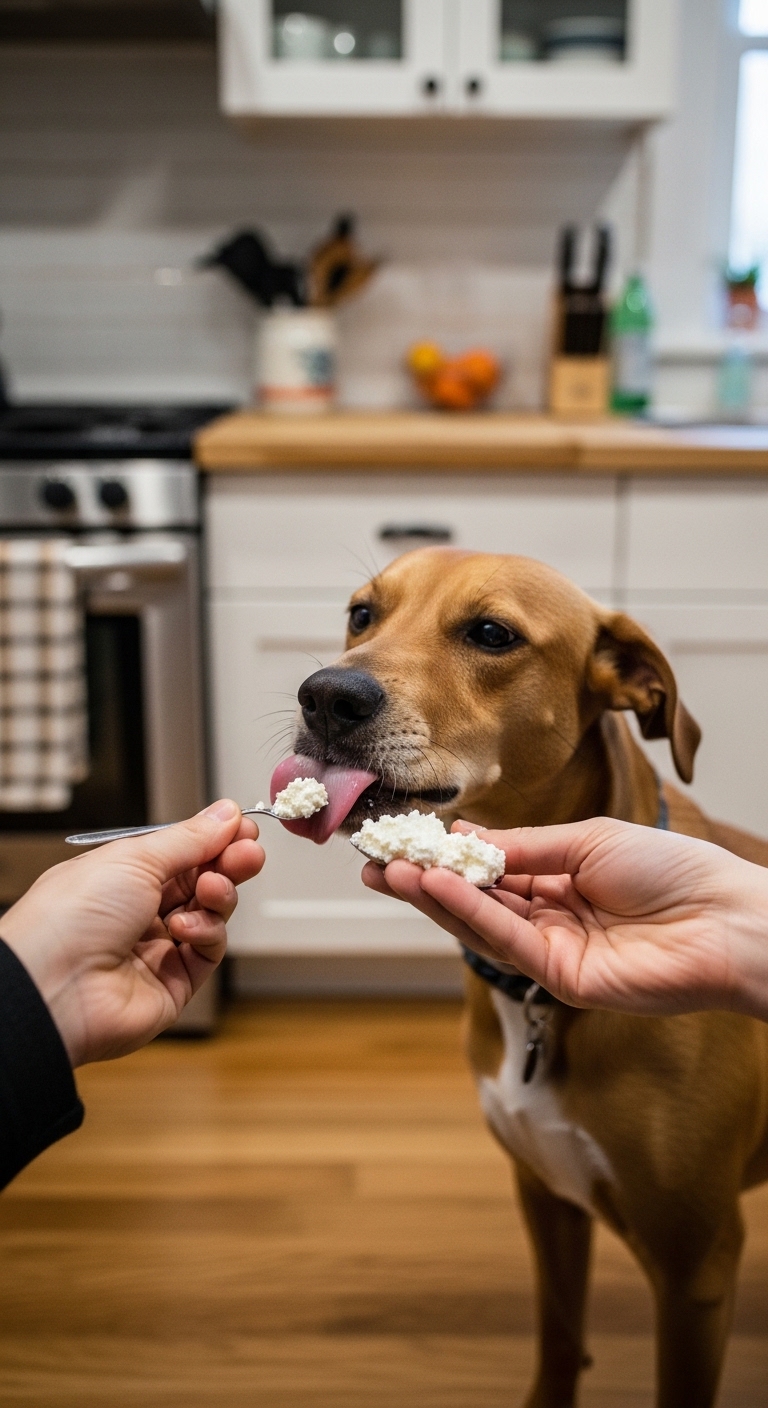
Cottage cheese can be a healthy occasional treat for many dogs, but it’s not right for every pup. Always prioritize your dog’s individual needs and consult your vet if you’re unsure.
Frequently Asked Questions
- → Is cottage cheese safe for all dogs?
Cottage cheese is generally safe for most dogs, but it depends on their individual health and dietary needs. Dogs with lactose intolerance or sensitive stomachs may experience digestive upset. Always introduce new foods slowly and in small amounts to observe your dog's reaction.
- → How much cottage cheese can I give my dog?
The serving size varies by your dog's size. Small dogs should have no more than a teaspoon, while larger breeds can tolerate up to a tablespoon. Overfeeding can lead to weight gain or digestive issues due to the fat and protein content.
- → Can puppies eat cottage cheese?
Yes, puppies can eat cottage cheese in moderation, but it should not replace their balanced puppy food. Cottage cheese can be a good source of protein and calcium for growing pups, but always consult your vet before introducing new foods to puppies.
- → What type of cottage cheese is best for dogs?
Plain, unseasoned, and low-sodium or sodium-free cottage cheese is the best choice. Avoid flavored varieties, as they may contain harmful additives like garlic, onions, or artificial sweeteners. Always check the ingredient list for any potentially toxic components.
- → Can cottage cheese help with my dog's digestion?
Cottage cheese contains probiotics that may support gut health, but its high protein and fat content can also cause digestive issues in some dogs. If your dog has a sensitive stomach, introduce cottage cheese gradually and monitor their reaction. Consult your vet if you're unsure about adding it to their diet.
- → Are there any risks associated with feeding cottage cheese to dogs?
Potential risks include lactose intolerance, which can cause diarrhea or vomiting, and high sodium content in some varieties, which may lead to dehydration or other health issues. Additionally, flavored cottage cheese may contain toxic ingredients like garlic or onions. Always choose plain, unseasoned options and serve in moderation.