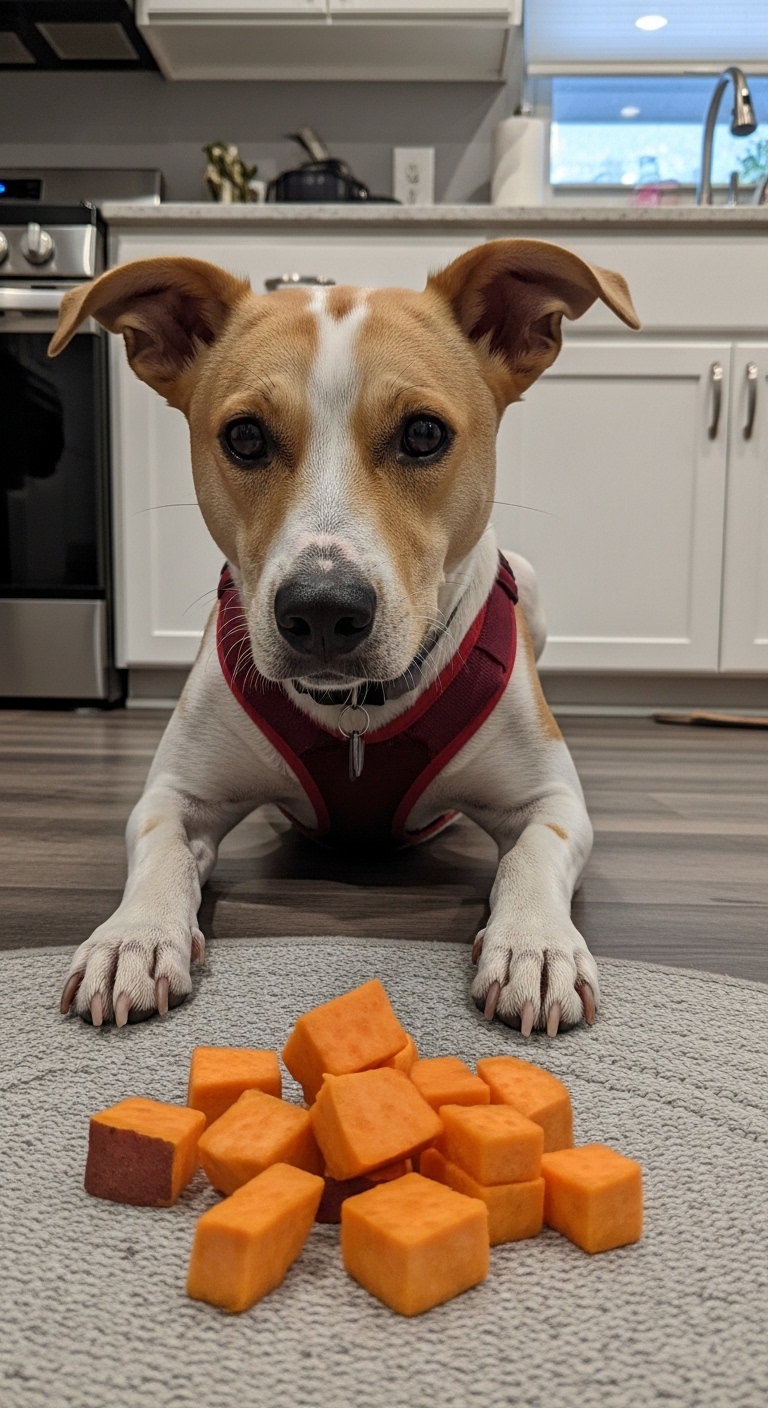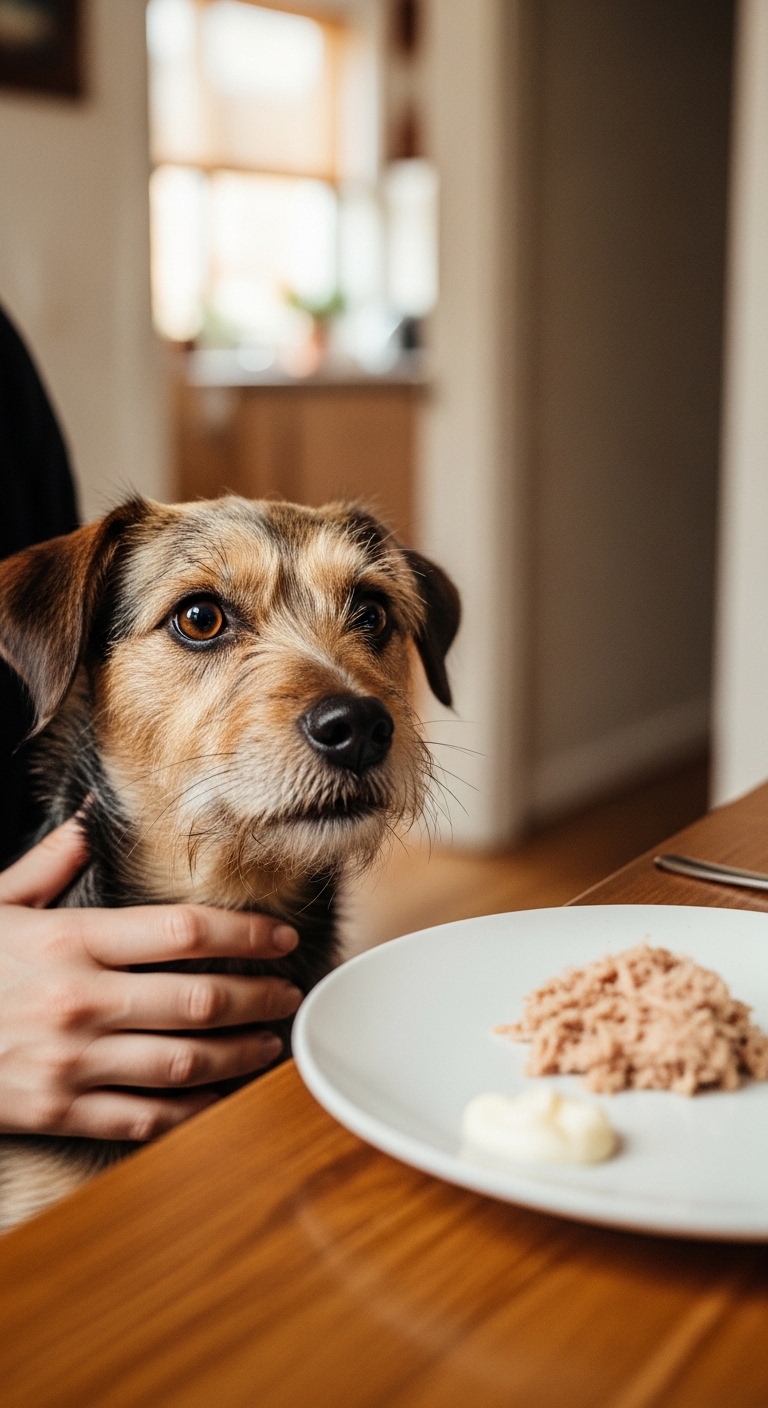
Can dogs have almonds? It’s a question many pet owners ask when sharing snacks or cleaning up after a meal. Almonds seem harmless, but they can pose real risks to dogs. A small piece might not seem like a big deal, but even a tiny amount could lead to serious health issues. Understanding what’s safe and what’s not is key to keeping your dog healthy and avoiding unnecessary vet visits.
I remember once dropping a single almond butter smear on the floor and watching my dog lick it up before I could react. That moment made me realize how easy it is for dogs to sneak a bite when we’re not looking.
Key Things to Understand
- Almonds are not toxic to dogs but they are unsafe: they can cause choking or digestive blockages
- Almond butter in small amounts is usually safer than whole almonds: but still risky
- Salted or flavored almonds are especially dangerous: due to added ingredients like garlic or onion
- Even a single almond can lead to issues: vomiting, diarrhea, or more serious problems if not digested properly
- Dogs with smaller breeds or digestive issues are at higher risk: extra caution is needed
What to Look For
Watch how your dog reacts after eating any almond product. If you notice excessive drooling, gagging, or difficulty swallowing, those are signs something might be stuck. Pay attention to changes in energy levels or appetite in the hours after snack time. If your dog seems lethargic or refuses food, it could signal a blockage or irritation. Also, check their stool for any unusual shapes or sizes that might suggest undigested pieces passed through.
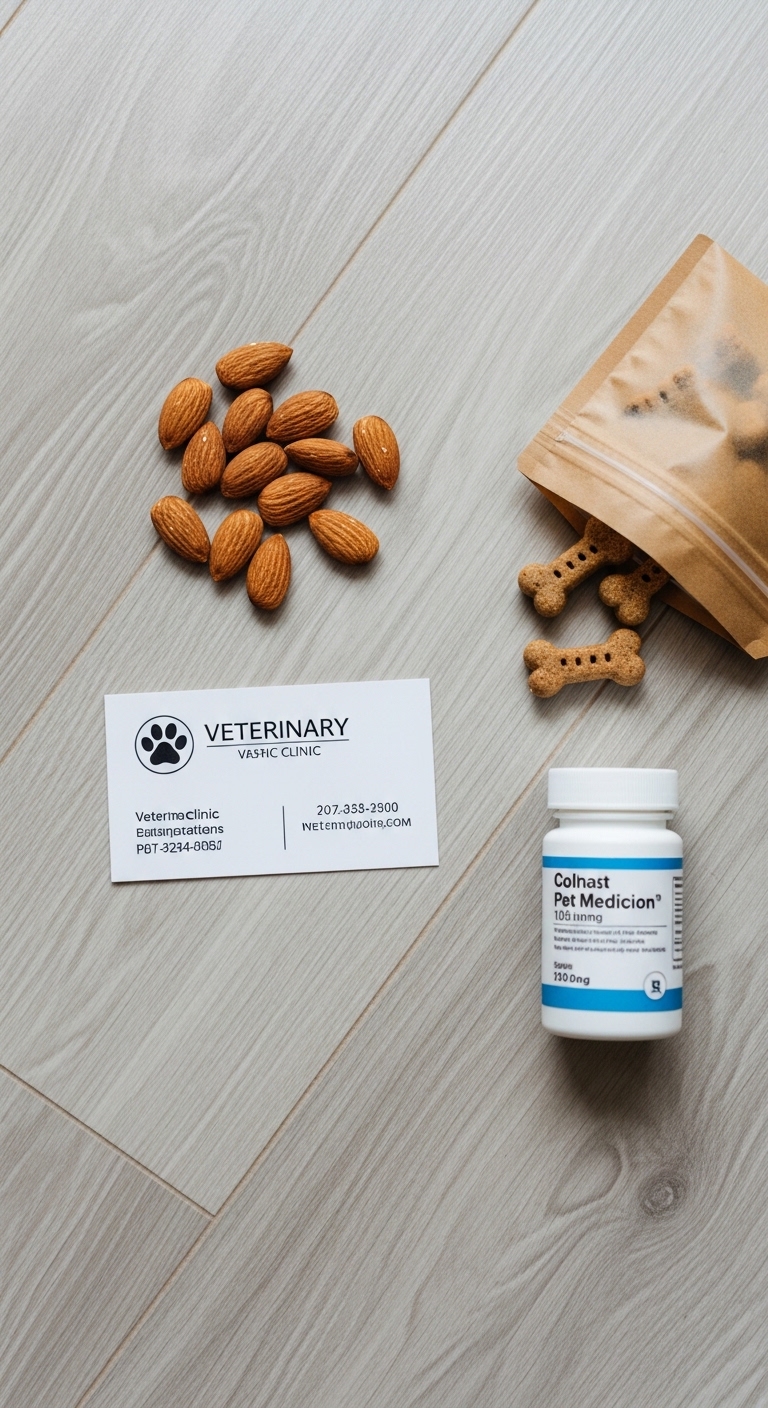
I once saw a friend’s small dog swallow half a salted almond and spend the next few hours vomiting. It was a quick lesson in how even a tiny amount can cause trouble. Always keep an eye on what your dog gets into, especially when snacks are around.
Daily Care Habits
Instead of sharing almonds, keep dog-safe treats like carrot sticks or apple slices on hand. These options are crunchy, low calorie, and easy to digest. If you’re used to giving your dog human food, try setting aside a small portion of their regular kibble as a treat. This way, you avoid accidental exposure to unsafe ingredients.
Choosing the Right Product
When shopping for dog treats, look for labels that clearly state “dog-safe” or “vet-approved.” Avoid products with added salt, garlic, or onion powder. If you’re unsure about a treat, check the ingredient list for anything that might trigger allergies or digestive upset. When in doubt, ask your vet for recommendations.
Safety and Comfort
If your dog accidentally eats almonds, monitor them closely for the next 24 hours. Signs of trouble include vomiting, diarrhea, lethargy, or loss of appetite. If any of these symptoms appear, call your vet right away. Keep almonds and almond-based products out of reach, especially in households with curious or food-driven dogs.

Never assume that because almonds are safe for humans, they’re safe for dogs. Always prioritize your pet’s health by choosing vet-approved alternatives.
Frequently Asked Questions
- → Can dogs eat almonds safely?
No, dogs should not eat almonds. While not toxic, almonds pose choking hazards and can cause digestive issues due to their high fat content.
- → What happens if my dog eats almonds?
Your dog may experience vomiting, diarrhea, lethargy, or even pancreatitis if they consume almonds. Monitor for symptoms and contact your vet if concerned.
- → Are almonds toxic to dogs?
Almonds aren't toxic like chocolate, but they're unsafe due to choking risks, fat content, and potential seasonings or additives.
- → What are safer alternatives to almonds for dogs?
Try dog-safe treats like carrots, apple slices, or plain cooked pumpkin. Always introduce new foods gradually and in moderation.
- → How much almond is dangerous for a dog?
Even small amounts can be risky. The size of your dog matters—small breeds are more vulnerable to blockages or choking from almonds.
- → Can dogs eat almond butter?
No, almond butter should also be avoided. It's high in fat and often contains xylitol, a toxic sweetener for dogs, or added salt.