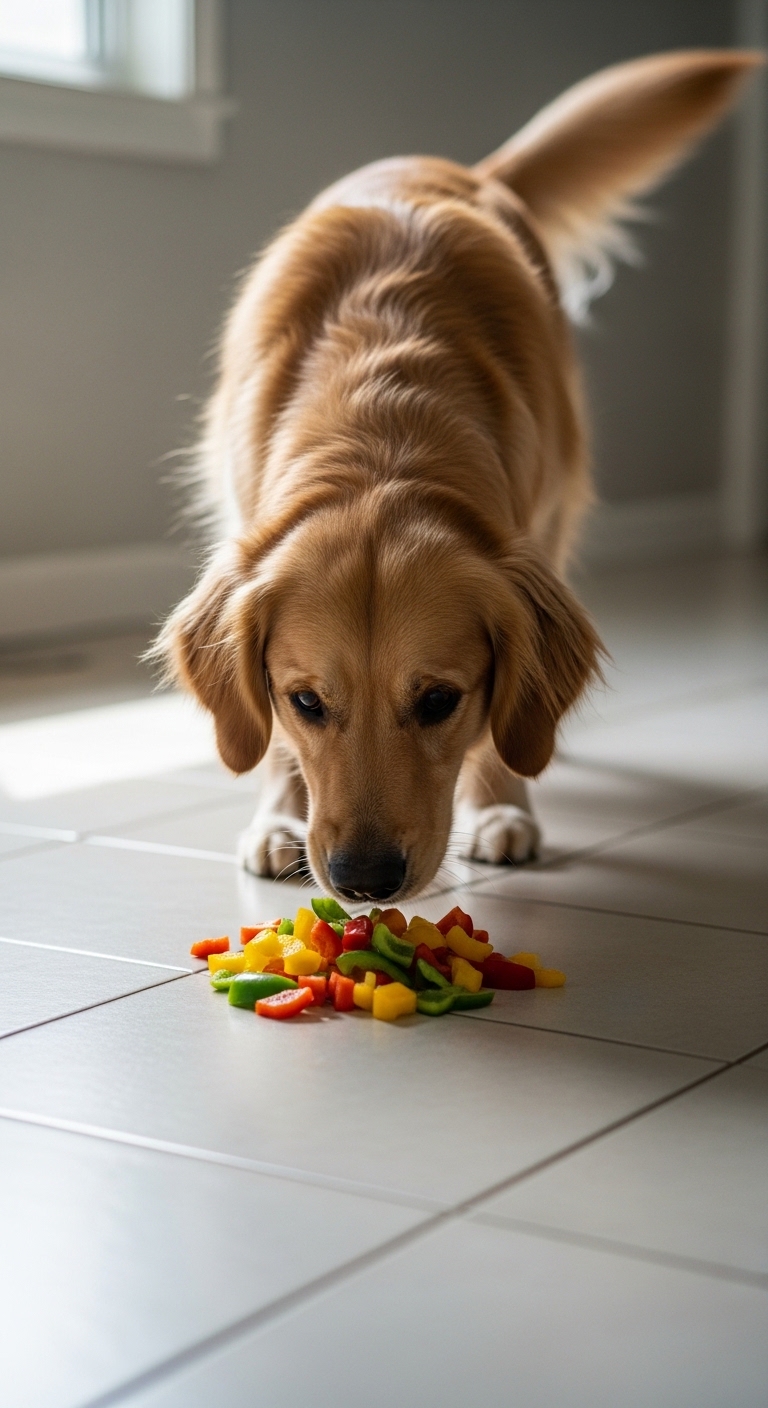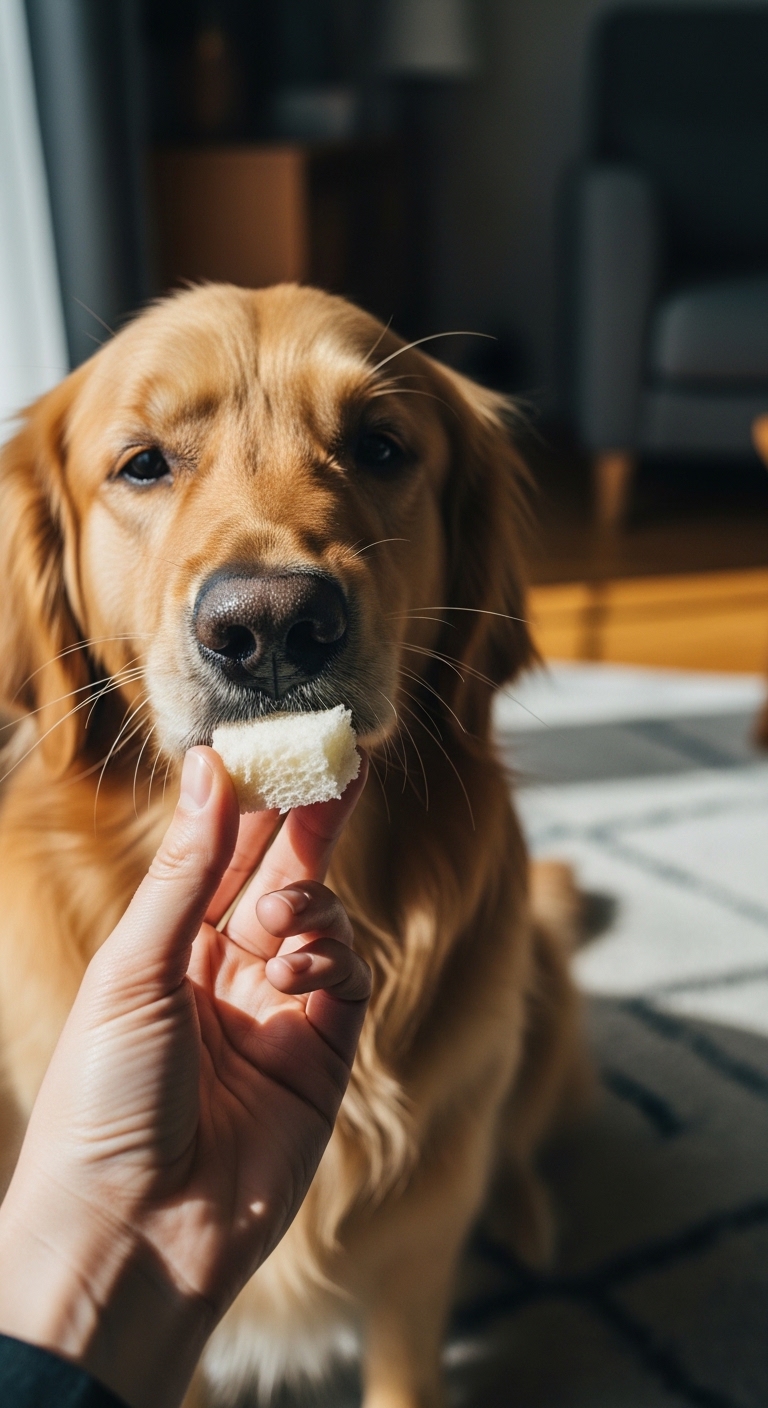
Can dogs have peanuts? It’s a question many pet owners ask, especially when their furry friend gives them those big, pleading eyes during snack time. Peanuts aren’t toxic to dogs, but they come with risks that most people don’t realize until it’s too late. Knowing the right way to share this common snack can prevent discomfort, allergies, or even serious health issues for your pup.
I once gave my neighbor’s golden retriever a small piece of peanut butter without checking the ingredients first, only to find out it contained xylitol, a sugar substitute that’s extremely toxic to dogs. It was a scary lesson that taught me how important it is to read labels carefully before sharing human food with pets.
Key Things to Understand
- Peanuts are not toxic to dogs: but can cause allergic reactions in some pets
- Raw, unsalted, and unflavored peanuts: are the safest options if you choose to share them
- Peanut butter is a common treat: but often contains additives like xylitol that are dangerous to dogs
- Small amounts are key: too many peanuts can lead to stomach upset or pancreatitis
- Always introduce new foods slowly: to monitor for any adverse reactions
What to Look For
When considering peanuts for your dog, pay attention to how they react after eating them. Some dogs may show signs of an allergy within minutes, while others might develop digestive issues hours later. Watch for itching, swelling, or excessive scratching, as these could indicate an allergic response. If your dog has never had peanuts before, start with a tiny piece and observe their behavior closely. Also, check the ingredient list on peanut butter containers: many brands include xylitol, a sweetener that’s harmless to humans but can be deadly to dogs. Even if the label says “natural,” double-check for hidden additives that could pose a risk.
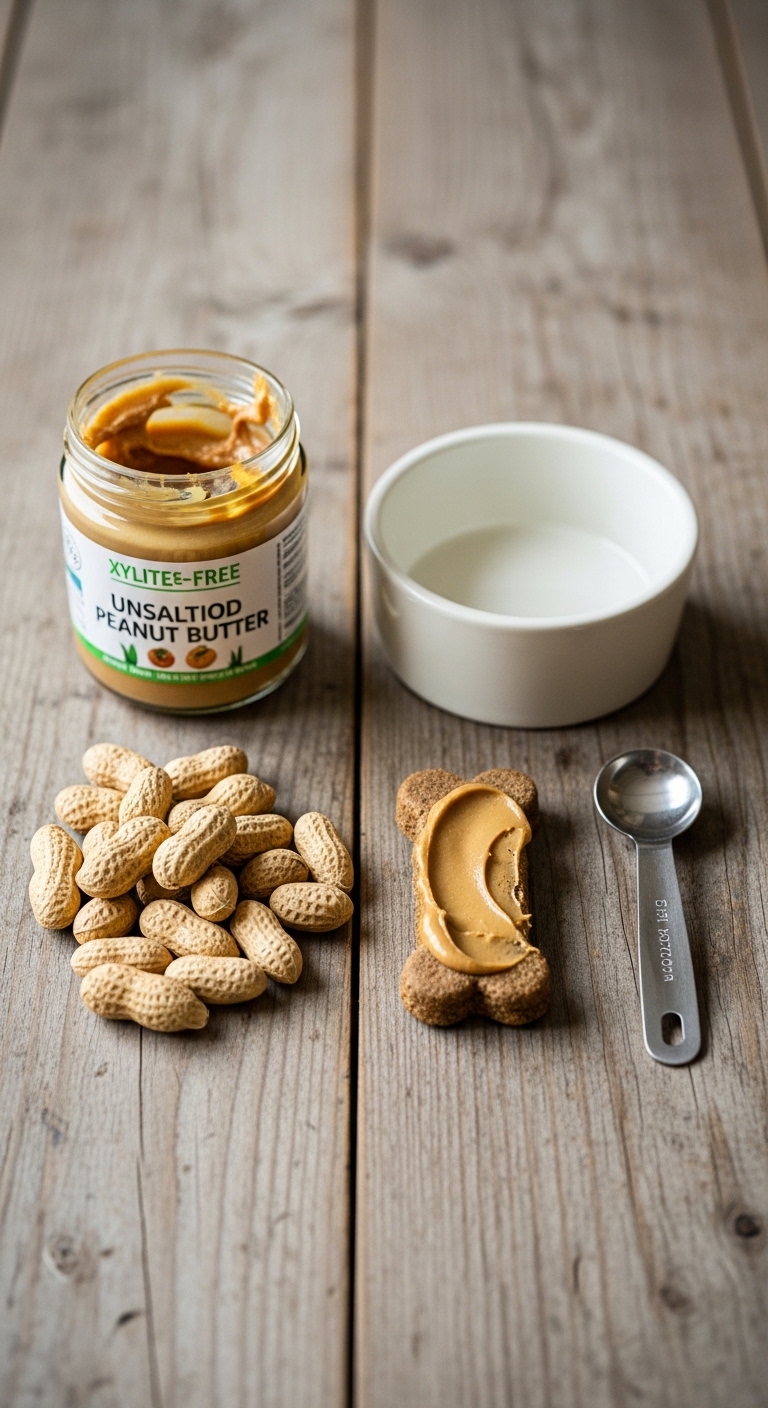
A common mistake is assuming all peanut butter is safe for dogs. Many commercial brands contain xylitol, which can cause a rapid drop in blood sugar and liver failure in dogs. Always read the label carefully before sharing peanut butter with your pet. Another thing to keep in mind is portion control. Even if your dog tolerates peanuts well, too much can lead to obesity or digestive problems over time.
Daily Care Habits
If you decide to give your dog peanuts, make it a part of their routine rather than an everyday snack. Limit treats to no more than 10% of their daily calorie intake to avoid weight gain. Pair peanut treats with regular exercise to help balance their diet. Keep an eye on their weight and adjust portions as needed, especially if they’re less active during colder months.
Choosing the Right Product
When buying peanuts or peanut butter for your dog, opt for organic, unsalted, and additive-free options. Avoid products with added sugars, salt, or artificial flavors, as these can be harmful in large amounts. If you’re unsure about a brand, ask your vet for recommendations. Homemade peanut butter is another great option: just blend plain peanuts in a food processor until smooth.
Safety and Comfort
Always supervise your dog when they’re eating peanuts or peanut butter to prevent choking, especially for smaller breeds. If your dog has a history of food allergies, introduce peanuts slowly and in very small quantities. Store peanuts and peanut butter out of reach to avoid accidental overconsumption. Keep emergency vet contact information handy in case of an allergic reaction.
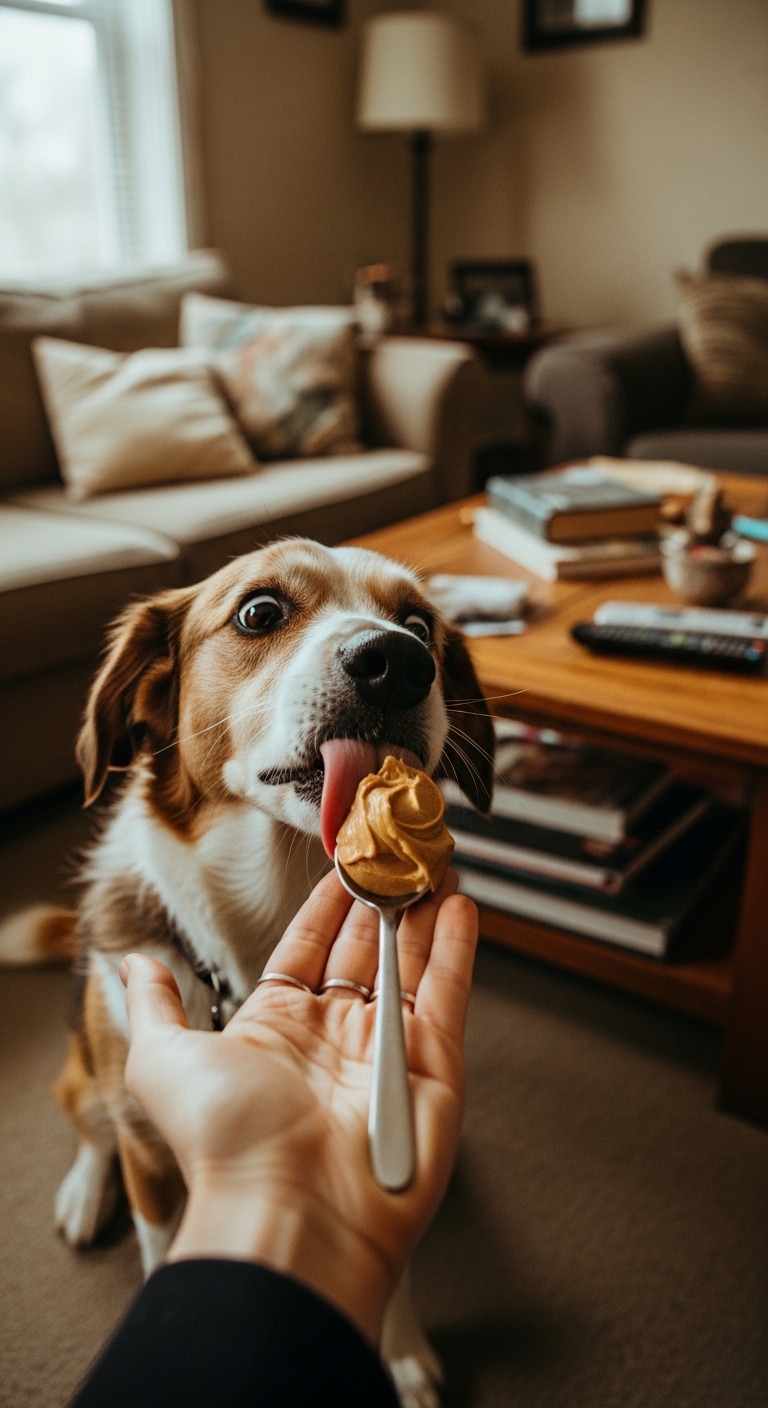
Sharing peanuts with your dog can be safe if done carefully. Always prioritize their health by choosing the right products and monitoring their reaction.
Frequently Asked Questions
- → Are peanuts safe for all dogs?
Not all dogs can safely eat peanuts. Some dogs may have peanut allergies, which can cause symptoms like itching, swelling, or digestive issues. Always introduce peanuts in small amounts and monitor your dog for any adverse reactions. If your dog has a history of food allergies, consult your vet before offering peanuts.
- → How should I prepare peanuts for my dog?
Serve peanuts only in their raw, unsalted, and unflavored form. Remove the shell and any outer skins to prevent choking hazards or digestive blockages. Avoid roasted or salted peanuts, as the added sodium can be harmful to your dog’s health.
- → Can dogs eat peanut butter?
Dogs can eat peanut butter in moderation, but it must be free of xylitol, added sugars, and salt. Opt for natural, unsweetened peanut butter without additives. Always check the label to ensure it’s safe for pets before sharing.
- → What are the risks of feeding peanuts to dogs?
Risks include choking hazards from shells or skins, allergic reactions, obesity from overfeeding due to high fat content, and pancreatitis. Salted or flavored peanuts can also cause sodium ion poisoning. Always serve peanuts as an occasional treat in small portions.
- → How many peanuts can I give my dog?
The serving size depends on your dog’s size and caloric needs. As a general rule, peanuts should make up no more than 10% of your dog’s daily caloric intake. For small dogs, a few peanuts (2-3) are sufficient, while larger dogs can have up to 5-6 peanuts occasionally. Always consult your vet for personalized advice.
- → What should I do if my dog eats a peanut with shell?
Monitor your dog for signs of choking, such as gagging or difficulty breathing. If the shell causes a blockage, contact your vet immediately. In most cases, small pieces of shell may pass through the digestive system, but it’s best to prevent this by removing shells before serving peanuts.