Can dogs have carrots? It’s a question many pet owners ask, especially when looking for healthy, crunchy snacks to share with their furry friends. Carrots are often praised for their nutritional benefits in humans, but are they safe and beneficial for dogs too? The short answer is yes, but there are a few important things to keep in mind before tossing a carrot to your pup.
I remember my own dog, Max, turning his nose up at his usual kibble but happily gobbling down a few raw carrot sticks—proof that sometimes the simplest foods are the most appealing.
Key Things to Understand
- Safety in moderation: Carrots are safe for dogs in moderation, but too much can cause digestive issues due to their high fiber content.
- Raw vs. cooked: Raw carrots are the best option as they provide a satisfying crunch that helps clean teeth. Cooked carrots are softer and easier to digest, making them a good choice for older dogs or those with dental problems.
- Carrot tops: The green leafy part is also safe in small amounts, though some dogs may not like the taste.
- Avoid additives: Avoid canned carrots with added salt or preservatives, as these can be harmful to dogs.
- Gradual introduction: Always introduce new foods slowly to monitor for any allergic reactions or sensitivities.
What to Look For
When offering carrots to your dog, pay attention to how they react. Some dogs will happily crunch on a whole carrot like a chew toy, while others might take their time or ignore it altogether. Watch for signs of excitement or hesitation—this can tell you whether your dog enjoys the texture and taste. If your dog has never had carrots before, start with a small piece to see how their stomach handles it. Digestive upset like diarrhea or vomiting could mean the carrot isn’t agreeing with them, so it’s best to introduce it gradually.
Another thing to observe is your dog’s chewing habits. Smaller dogs or those with dental issues might struggle with whole carrots, so cutting them into bite-sized pieces or steaming them slightly can make them easier to eat. If your dog tends to gulp food without chewing, a softer, cooked carrot might be a safer choice to prevent choking.
One common mistake I see is pet owners treating carrots like a miracle cure for weight loss. While they’re low in calories, they shouldn’t replace a balanced diet. Another reminder is to avoid giving your dog large chunks of carrot, especially if they’re known to swallow food without chewing. Small, manageable pieces are always the safest bet.
Daily Care Habits
Incorporating carrots into your dog’s routine can be as simple as using them as a training treat or mixing finely grated carrots into their regular food. For dogs who love to chew, frozen carrot sticks can be a soothing teether, especially during teething phases. If your dog is a picky eater, try blending cooked carrots into their meals for a nutrient boost without changing the texture they’re used to.
Choosing the Right Product
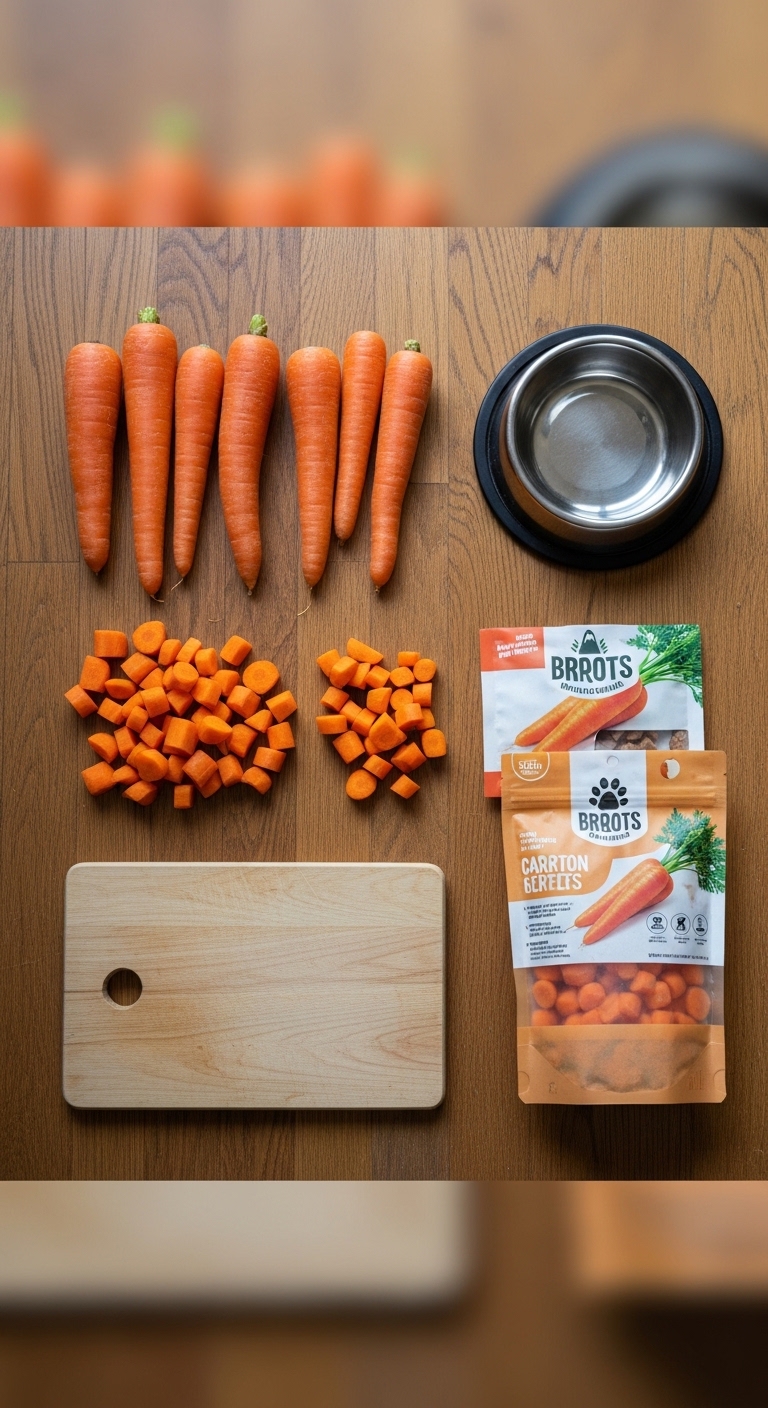
When buying carrots for your dog, opt for organic whenever possible to minimize pesticide exposure. Baby carrots are a convenient choice, but make sure they’re plain and unsalted. If you’re shopping for carrot-based dog treats, check the ingredient list for added sugars, artificial flavors, or fillers. The best products will list carrots as the first ingredient and have minimal processing.
Safety and Comfort
Always supervise your dog while they’re eating carrots to prevent choking, especially if they’re small or tend to swallow food whole. If your dog has a history of digestive sensitivities, introduce carrots slowly and in tiny amounts. For dogs with kidney issues, moderation is key due to the natural sugars in carrots. And if your dog has a habit of bolting food, consider steaming or mashing the carrots to make them safer to eat.
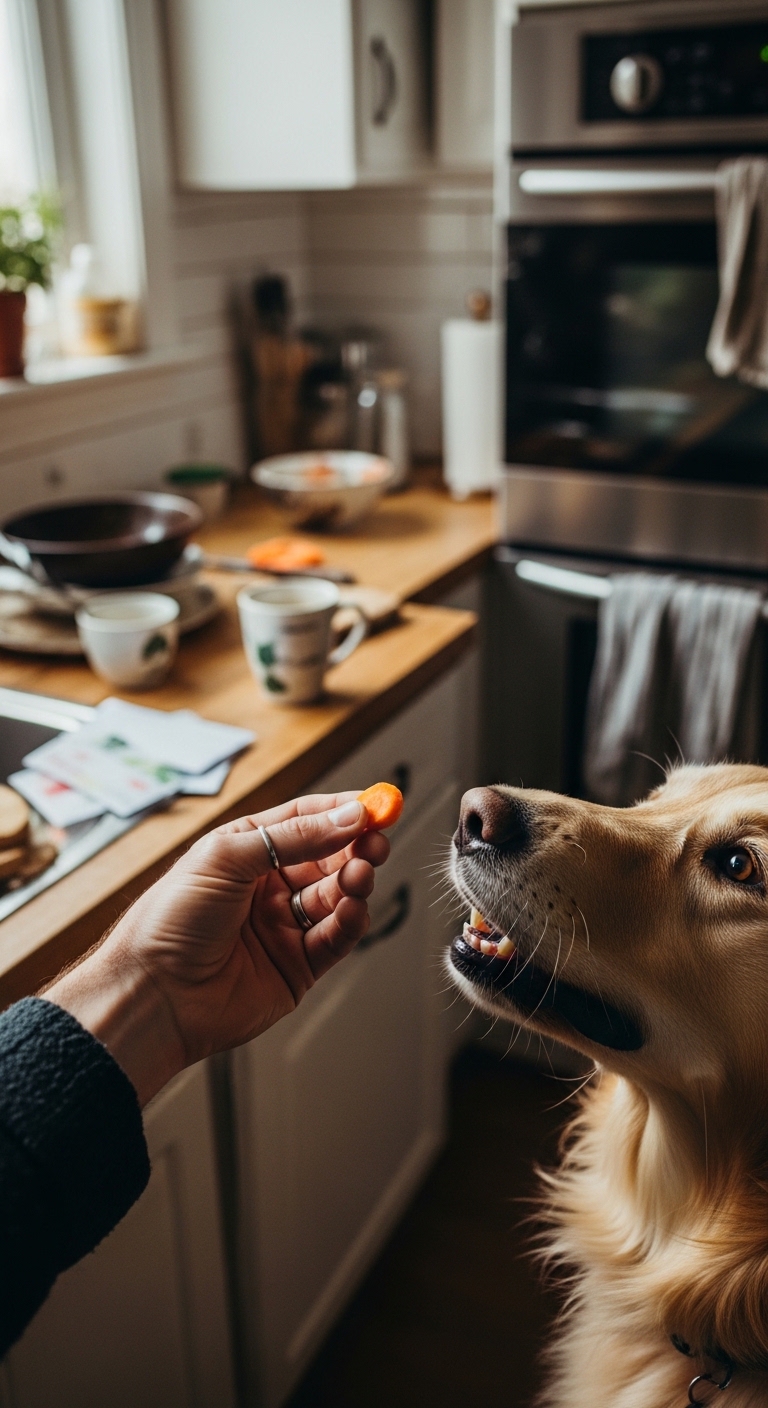
Carrots can be a fantastic addition to your dog’s diet when given the right way. They’re not just a tasty snack—they’re a healthy one too, as long as you keep portion sizes in check and prepare them safely.
Frequently Asked Questions
- → Are carrots safe for all dogs?
Most dogs can safely eat carrots, but always introduce them gradually. Monitor your dog for any signs of allergies or digestive issues, especially if it’s their first time trying carrots. Puppies and senior dogs may need smaller pieces to avoid choking.
- → How should I prepare carrots for my dog?
Carrots can be served raw, steamed, or boiled. Raw carrots provide a crunchy texture that helps clean teeth, while cooked carrots are easier to digest. Avoid adding salt, butter, or seasonings. For small dogs, cut carrots into thin slices or small chunks.
- → How many carrots can my dog eat?
Carrots should be given as a treat and not replace regular meals. A good rule is to limit treats to no more than 10% of your dog’s daily calorie intake. For a medium-sized dog, one or two baby carrots or a few slices are sufficient.
- → Can carrots help clean my dog’s teeth?
Yes! The crunchy texture of raw carrots can help scrape off plaque and tartar as your dog chews. While it’s not a substitute for brushing, it’s a natural way to promote dental health and freshen breath.
- → What are the health benefits of carrots for dogs?
Carrots are rich in beta-carotene (which converts to vitamin A), fiber, and antioxidants. They support eye health, boost the immune system, and aid digestion. The low-calorie content makes them an excellent snack for weight management.
- → Can dogs eat carrot tops or greens?
Yes, carrot tops are non-toxic and can be fed in small amounts. They contain nutrients like vitamin K and calcium, but should be washed thoroughly to remove dirt or pesticides. Introduce them slowly to avoid digestive upset.