Can dogs eat cherries? It’s a question many pet owners ask when they see their pup eyeing that sweet summer fruit. While cherries might seem harmless, the truth is more complicated. Knowing which parts are safe and which could be dangerous can save you and your dog a trip to the vet.
I remember once giving my neighbor’s dog a single cherry pit as a treat, thinking it was harmless. Within hours, the dog was lethargic and vomiting. A quick call to the vet confirmed mild cherry poisoning. That moment taught me just how important it is to know the details before sharing human food with pets.
Key Things to Understand
- The pits, stems, and leaves contain cyanide: which is poisonous to dogs
- Even pitted cherries can cause stomach upset: due to their high sugar content
- Stem ingestion can lead to choking hazards: or intestinal blockages
- Dried cherries or cherry products with added sugars are even riskier:
- Some dogs may have individual sensitivities: that make cherries more dangerous
What to Look For
Watch for signs of cherry poisoning like vomiting, diarrhea, difficulty breathing, or bright red gums. These symptoms can appear within hours of ingestion and require immediate attention. If your dog manages to swallow a whole cherry, check for choking or gagging, as the pit can get lodged in the throat. Even if your dog seems fine after eating cherries, monitor them closely for the next 24 hours, as some reactions develop slowly. Puppies and small breeds are especially vulnerable due to their size, so extra caution is necessary when they’re around fruit bowls.
A common mistake is assuming that all fruits are safe for dogs just because they’re natural. Another oversight is not realizing how quickly symptoms can escalate. I once saw a dog that had eaten several cherries with pits, and by the time the owner noticed, the dog was already struggling to breathe. Quick action saved that pup, but it’s a reminder that prevention is always better than reaction.
Safe Fruit Alternatives for Dogs
If you want to share fruit with your dog, stick to dog-safe options like blueberries, apple slices without seeds, or watermelon without rind. These provide vitamins without the risks associated with cherries. Always introduce new foods slowly and in small amounts to avoid digestive upset.
How to Handle Cherry Poisoning
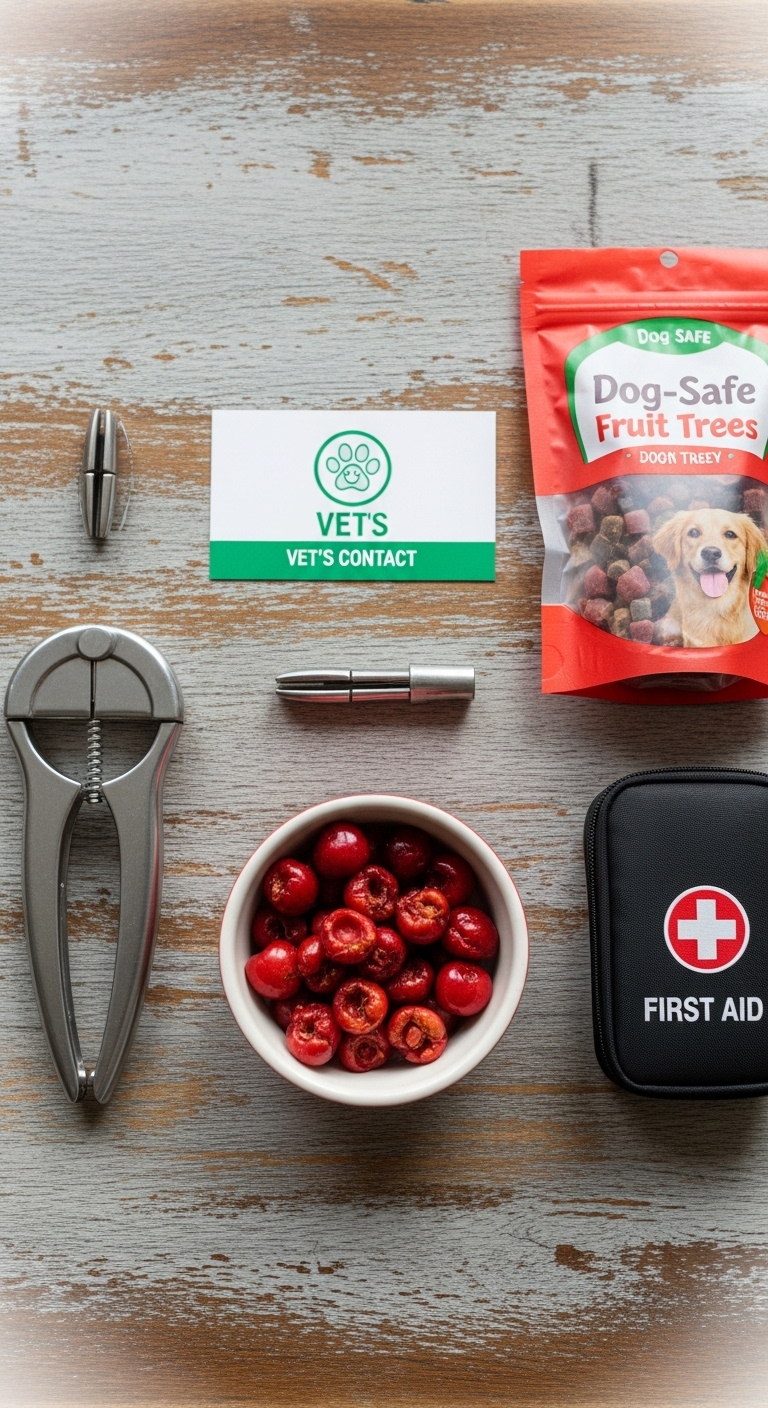
If you suspect your dog has eaten cherries with pits or stems, contact your vet or an emergency pet poison hotline immediately. Do not wait for symptoms to appear, as early intervention can make a big difference. Keep the ASPCA Poison Control number (888-426-4435) saved in your phone for emergencies.
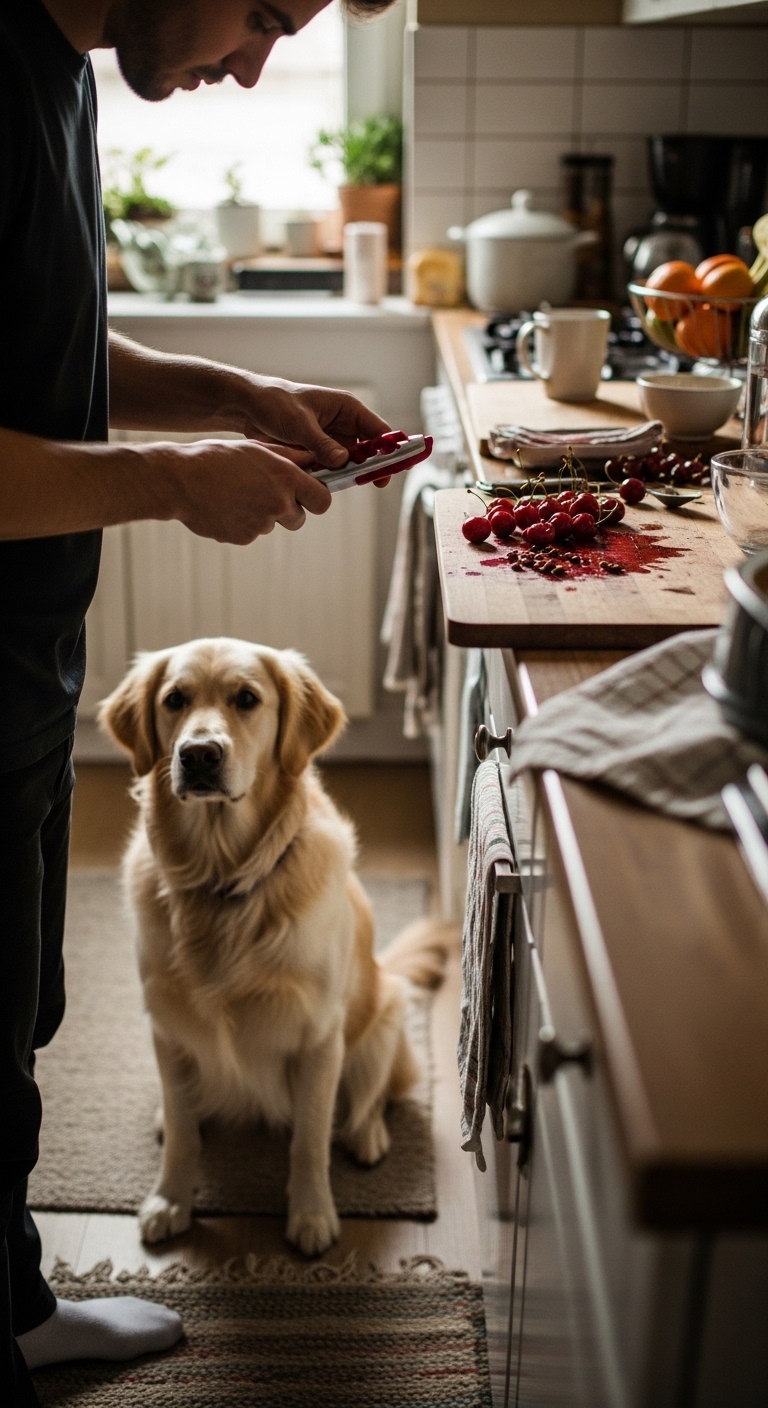
Cherries can be risky for dogs, but understanding the dangers helps you keep your pet safe. Always prioritize caution and consult your vet if in doubt.
Frequently Asked Questions
- → Are cherries safe for dogs to eat?
No, cherries are not safe for dogs. The pits, stems, and leaves contain cyanide, which is toxic. Even the flesh can cause digestive issues in large amounts.
- → What happens if a dog eats a cherry pit?
Cherry pits can cause choking, intestinal blockage, or cyanide poisoning. Symptoms include vomiting, diarrhea, and lethargy. Seek veterinary care immediately if ingestion occurs.
- → Can dogs eat pitted cherries in small amounts?
It's best to avoid pitted cherries entirely. The flesh may not be toxic, but the risk of choking or digestive upset remains. Stick to dog-safe fruits instead.
- → What fruits are safe for dogs?
Dog-friendly fruits include apples (seedless), blueberries, strawberries, and bananas. Always introduce new foods gradually and in moderation.
- → How much cherry is toxic to a dog?
The toxicity depends on the dog's size and the amount consumed. Even small amounts of pits or stems can be dangerous. Contact your vet for guidance based on your pet's weight.
- → What are signs of cherry poisoning in dogs?
Watch for vomiting, diarrhea, excessive drooling, lethargy, or difficulty breathing. These symptoms require immediate veterinary attention.
- → Can puppies eat cherries?
No, puppies should never eat cherries. Their smaller size makes them more susceptible to poisoning and choking hazards. Opt for puppy-safe treats instead.