Can dogs eat rice? It’s a question many pet owners ask when considering adding human foods to their dog’s diet. Rice is a common ingredient in many commercial dog foods, but is it safe for your pup to eat on its own? Understanding the benefits and potential risks can help you make an informed decision about whether to include rice in your dog’s meals.
I remember when I first gave my dog plain white rice after he had an upset stomach. It was the first time he actually finished his meal without leaving anything behind, and I realized how gentle it could be on a sensitive tummy.
Key Things to Understand
- Plain cooked rice without any seasoning is generally safe for dogs in moderation: It should be free of additives that could harm your pet.
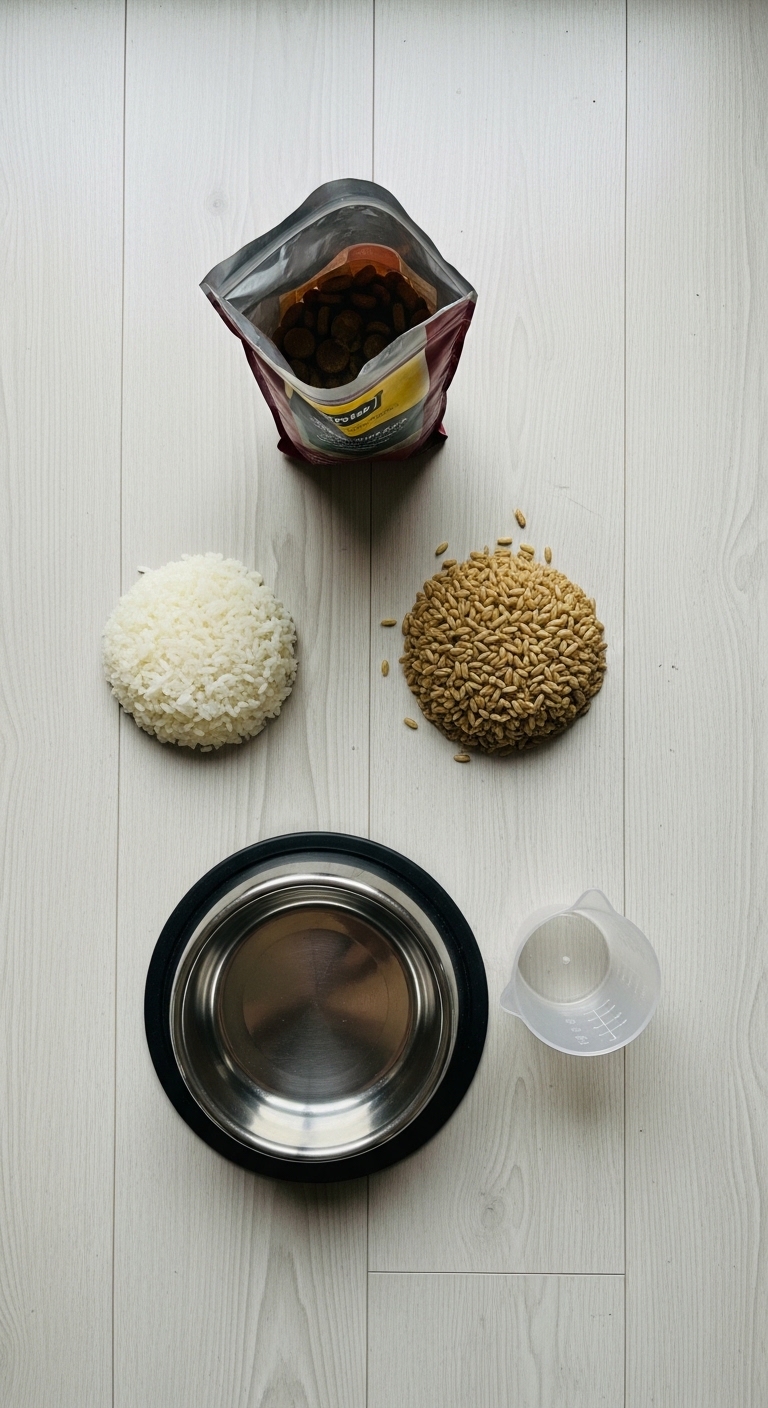
- Brown rice contains more fiber and nutrients but is harder for some dogs to digest: It may not be ideal for dogs with sensitive stomachs.
- White rice is easier on the stomach and can help with digestive issues: It’s often recommended for dogs recovering from illness.
- Rice should never replace a balanced dog food diet but can be a healthy occasional addition: It lacks essential nutrients dogs need daily.
- Some dogs may be allergic to rice, so introduce it slowly and watch for reactions: Signs of allergies include itching, vomiting, or diarrhea.
- Uncooked rice is difficult for dogs to digest and can cause bloating or blockages: Always cook rice thoroughly before serving.
What to Look For
When considering rice for your dog, pay attention to how their body responds in the hours after eating. Some dogs tolerate it well, while others may show signs of discomfort like gas or loose stools. The texture of the rice matters too: well-cooked, soft rice is easier for dogs to eat and digest than firm or undercooked grains. If you notice your dog licking their lips more than usual or showing interest in the rice but not finishing it, they might not enjoy the taste or could be feeling a bit queasy. Always observe their energy levels after eating as well; a sudden drop could indicate they’re not processing it well.
I once made the mistake of giving my dog leftover fried rice from takeout, thinking the small amounts of soy sauce and oil wouldn’t hurt. Within hours, he was clearly uncomfortable, and I realized how easily human food can cause problems for pets. It’s a good reminder that what’s safe for us isn’t always safe for them.
Daily Care Habits
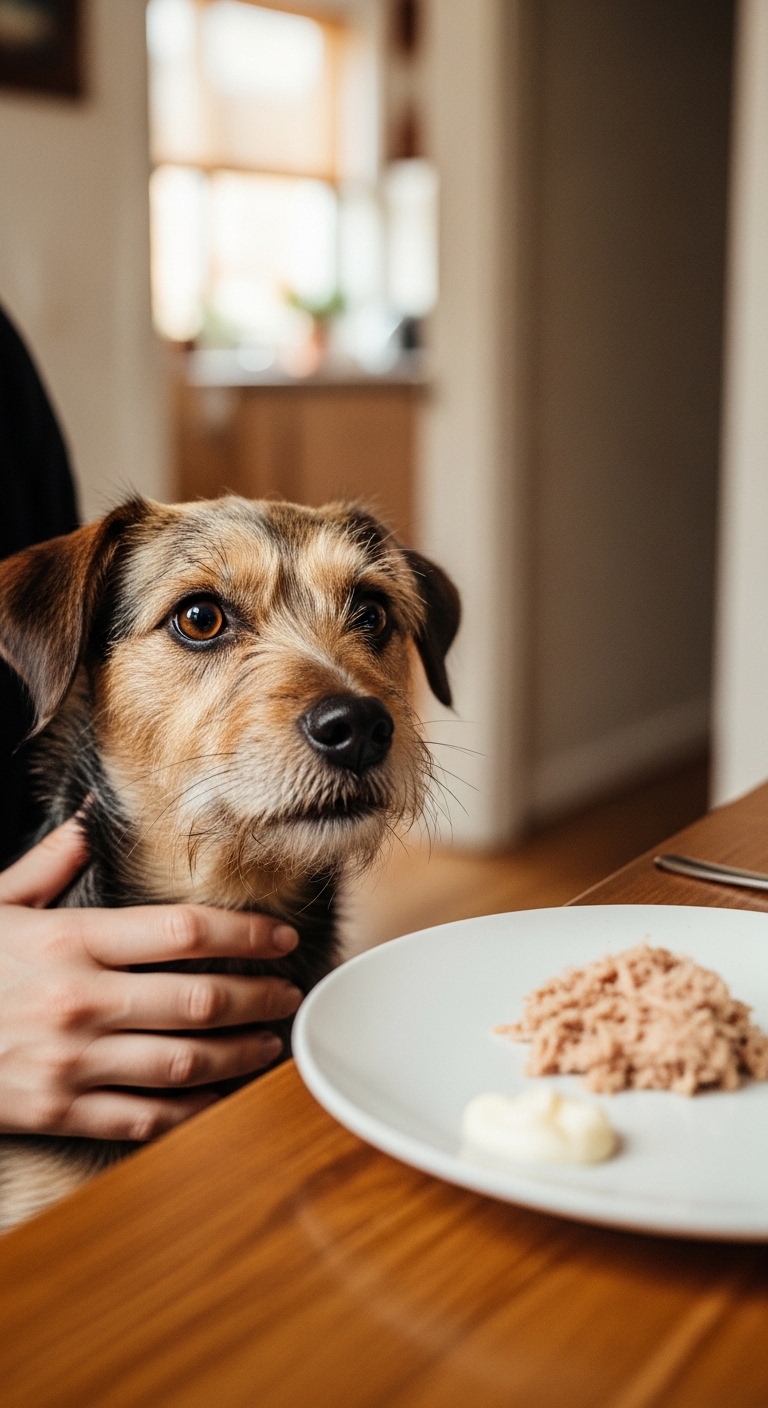
Rice can be a helpful addition during times of stress or dietary changes, like when transitioning to a new food. If your dog is recovering from an illness or dealing with a sensitive stomach, plain rice mixed with boiled chicken can be a gentle meal option. Just remember to keep portions small and balanced with their regular food. Some owners use rice as a training treat, but since it’s high in carbs, it’s best to keep those rewards minimal.
Choosing the Right Product
If you’re buying rice specifically for your dog, look for plain white or brown rice without any additives. Avoid instant rice varieties that may contain preservatives or flavor enhancers. Organic rice can be a good choice if you’re concerned about pesticides, but it’s not strictly necessary. The most important factor is that the rice is plain and simple: no extra ingredients that could harm your pet.
Safety and Comfort
Always serve rice at room temperature to prevent any shock to your dog’s system. If your dog is new to rice, start with just a spoonful mixed into their regular food to see how they react. Never force your dog to eat rice if they’re not interested, as some dogs simply don’t like the taste or texture. If your dog has a history of digestive issues or allergies, check with your vet before introducing rice to their diet.
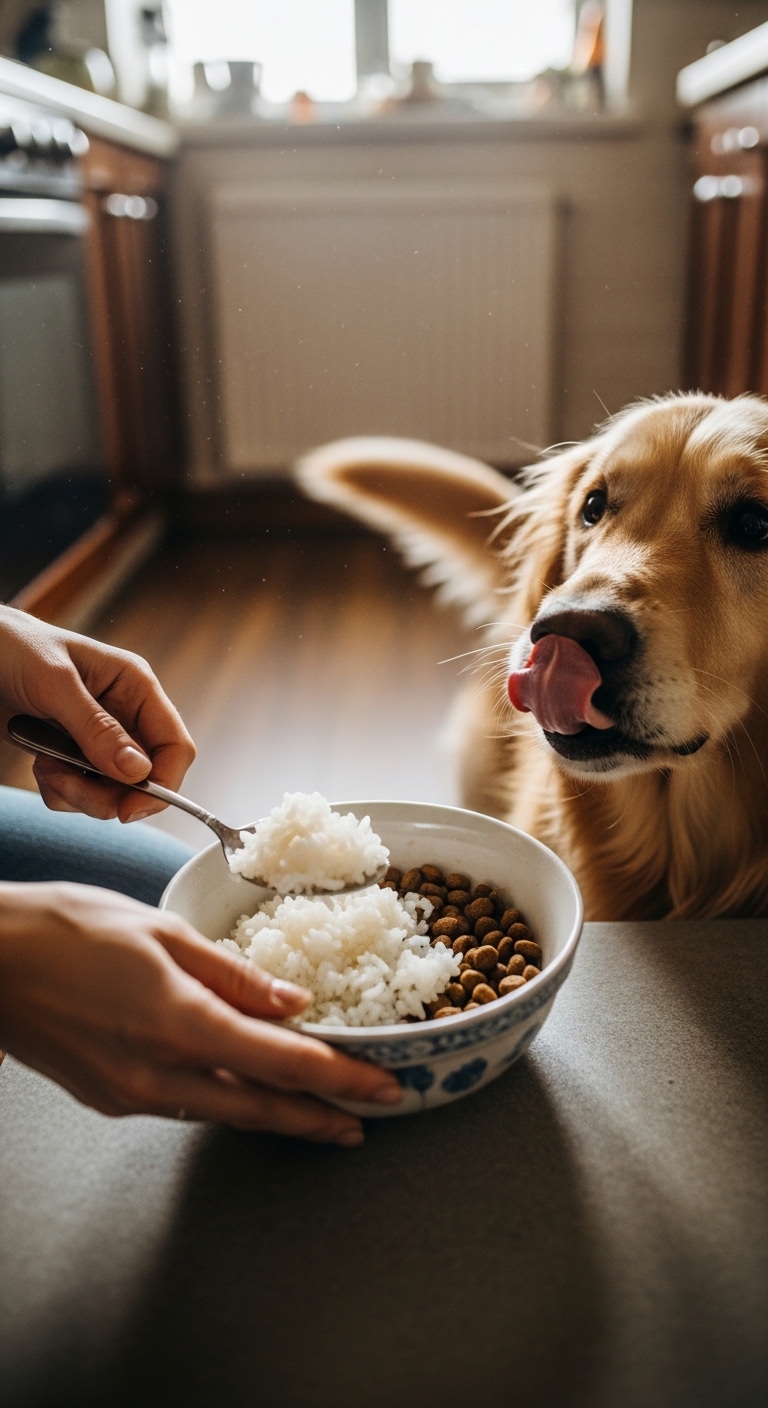
Rice can be a simple and safe addition to your dog’s diet when prepared correctly. Always prioritize their health by keeping portions small and monitoring their reaction.
Frequently Asked Questions
- → Is rice safe for all dogs?
Most dogs can safely eat plain, cooked rice in moderation. However, dogs with specific health conditions like diabetes or obesity should consume rice cautiously due to its carbohydrate content. Always introduce new foods gradually and consult your vet if unsure.
- → How much rice can I feed my dog?
Portion size varies by your dog’s weight. Small breeds typically tolerate 1/4 to 1/2 cup per meal, while larger dogs may handle up to 1 cup. Start with smaller amounts to assess tolerance and avoid overfeeding.
- → Can rice help with my dog’s upset stomach?
Yes, plain rice is often recommended as part of a bland diet for dogs with digestive issues. It’s gentle on the stomach and can help firm up stools. Combine it with boiled chicken or a vet-approved gastrointestinal diet for best results.
- → What type of rice is best for dogs?
Plain, cooked white or brown rice are both safe options. White rice is more easily digestible and often recommended for dogs with sensitive stomachs. Avoid flavored or seasoned rice, as additives can be harmful.
- → Can puppies eat rice?
Yes, puppies can eat plain rice in moderation as part of a balanced diet. It provides energy and is easy to digest. Ensure the rice is cooked thoroughly and served plain without any seasonings or additives.
- → Are there risks to feeding rice to dogs?
Rice is generally safe, but overfeeding can lead to weight gain due to its carbohydrate content. Some dogs may also be allergic to rice, so monitor for signs like itching or digestive upset. Always introduce new foods slowly and in small quantities.